
Contents
Manufacturing Insight: Price Of Stainless Steel Per Gram
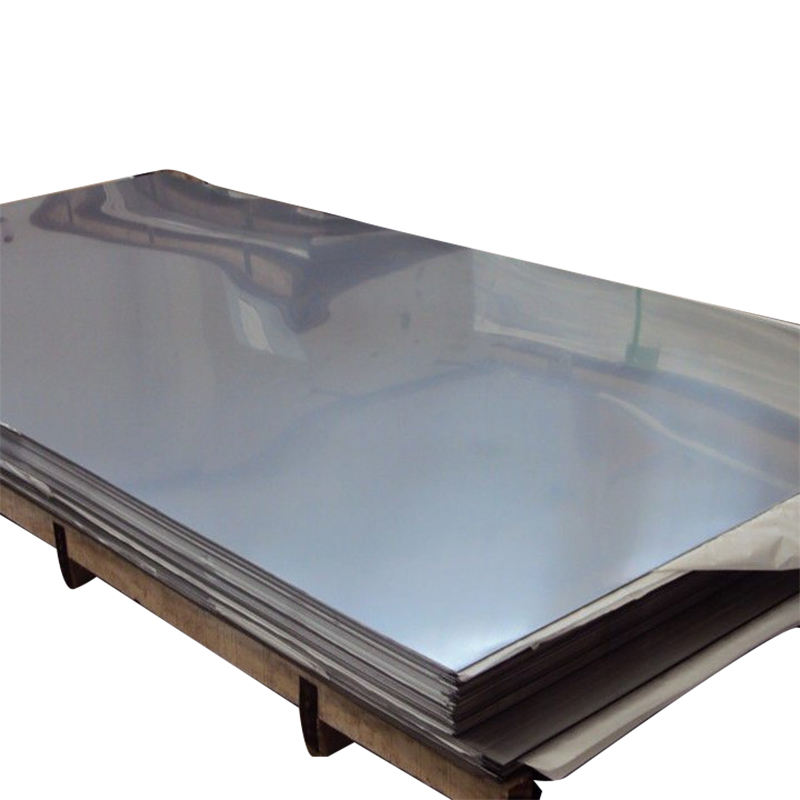
Understanding stainless steel cost per gram is critical for precision component budgeting, yet raw material pricing alone fails to capture the true manufacturing expense. At Honyo Prototype, our advanced CNC machining services transform this metric by maximizing material yield and minimizing waste through optimized toolpaths, high-precision Swiss-type lathes, and multi-axis milling capabilities. We recognize that your project’s final cost per functional part depends far more on machining efficiency than the base alloy price sheet.
Our engineering team leverages proprietary nesting algorithms and near-net-shape programming to achieve industry-leading material utilization rates. This directly reduces your effective cost per gram of finished component by ensuring minimal scrap generation during complex feature fabrication. For instance, strategic workholding and adaptive clearing techniques can elevate usable material yield by 15-25% compared to standard machining approaches – a significant factor often overlooked in initial per-gram calculations.
Material Efficiency Impact on Effective Cost
| Factor | Standard Machining | Honyo Optimized Process | Cost Reduction Impact |
|——–|——————-|————————|———————-|
| Material Utilization | 60-70% | 80-90% | 15-25% lower effective material cost |
| Secondary Operations | Often required | Minimized through precision first-pass machining | Reduced labor and handling costs |
| Lead Time | Extended due to rework | Streamlined with high first-pass yield | Accelerated time-to-market |
Access real-time project economics instantly through our Online Instant Quote platform. Input your 3D CAD model, select 304 or 316 stainless steel grade, and receive a comprehensive cost analysis within minutes – including granular breakdowns of material consumption, machine hours, and our efficiency-driven savings. This transparency allows accurate per-gram cost projection aligned with actual manufacturable geometry, not theoretical raw stock weights.
Eliminate estimation uncertainty in your prototyping and low-volume production. Honyo Prototype delivers engineering-grade CNC machining where material cost intelligence meets precision execution. Initiate your quote today to see how our process optimization directly lowers your component’s true cost per gram.
Technical Capabilities
The concept of “price of stainless steel per gram” is not a technical specification but rather a commodity market metric influenced by raw material costs, processing, and supply chain factors. However, in the context of precision manufacturing processes such as 3/4/5-axis milling and turning—especially for tight-tolerance components—the material cost per gram is one component of overall part cost. Below is a comparative overview of relevant materials commonly used in these processes, including stainless steel, aluminum, ABS, and nylon. The table includes typical material density, machinability characteristics, and relative cost indicators, which influence the effective price per gram in a prototyping or production environment.
| Material | Density (g/cm³) | Typical Applications | Machinability (Relative) | Relative Material Cost (per gram) | Suitability for Tight Tolerance (±0.005 mm or better) | Notes |
|---|---|---|---|---|---|---|
| Stainless Steel (304/316) | 8.0 | Medical devices, aerospace, food processing | Moderate to Low | High | Excellent | High tool wear; requires rigid setups; excellent dimensional stability |
| Aluminum (6061/7075) | 2.7 | Aerospace, automotive, enclosures | High | Medium | Excellent | Lightweight; excellent for high-speed 3/4/5-axis milling; easy to finish |
| ABS (Acrylonitrile Butadiene Styrene) | 1.05 | Prototypes, housings, non-structural parts | High | Low | Good | Low thermal stability; prone to burring; not for high-temp environments |
| Nylon (PA6/PA66) | 1.13 | Gears, insulators, wear parts | Moderate | Medium | Moderate | Hygroscopic (absorbs moisture); requires drying; good wear resistance |
Process Considerations:
For 3/4/5-axis milling and turning operations targeting tight tolerances (±0.005 mm to ±0.025 mm), material stability, thermal expansion, and chip formation are critical. Stainless steel, while expensive per gram and harder to machine, provides excellent repeatability and durability under load and temperature. Aluminum is often preferred for rapid prototyping due to lower cost per volume and faster machining cycles. Engineering plastics like ABS and nylon offer cost and weight advantages but require careful fixturing and parameter control to maintain tight tolerances.
Note: The actual cost per gram of material used in manufacturing also includes waste (swarf, bar ends), tooling wear, cycle time, and setup complexity. For example, while stainless steel may cost ~$0.003–$0.006 per gram in raw stock, the fully burdened cost in a precision-machined component can be significantly higher due to extended machining time and tooling expenses.
From CAD to Part: The Process
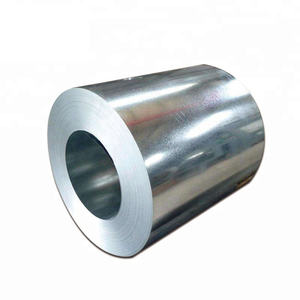
Key Clarification on Stainless Steel Pricing Methodology
Honyo Prototype does not price stainless steel components on a standalone per-gram basis. Instead, we calculate total project cost using a comprehensive model where material weight (grams) is one transparent input factor. The “price per gram” displayed in client portals is a derived metric for cost visibility, not the pricing foundation. Actual costing integrates material weight with geometry complexity, process selection, tolerances, and finishing requirements. Below is our precise workflow with technical rationale.
Upload CAD to AI Quote Engine
Upon CAD file submission, our AI system performs automated material weight calculation using solid geometry analysis. For stainless steel (e.g., 304, 316), density values (7.93 g/cm³ for 304) are applied to net part volume. This generates the raw material weight in grams, visible to clients as “Estimated Material Weight.” Concurrently, the AI evaluates geometric complexity—features like thin walls (<0.5mm), internal cavities, or high aspect ratios trigger process-specific cost multipliers before any DFM review.
DFM Analysis and Cost Refinement
During Design for Manufacturability review, engineers validate and adjust the AI-derived weight calculation. Critical adjustments include:
Adding necessary support structures for metal AM processes (increasing net weight by 5-15%)
Accounting for minimum order quantities (e.g., CNC bar stock utilization efficiency)
Correcting for draft angles or wall thickness modifications required for casting
The final material weight becomes fixed at this stage. However, the cost per gram metric is recalculated using our dynamic formula:
| Cost Component | Weight-Based Contribution | Non-Weight-Driven Factors |
|---|---|---|
| Raw Material | 100% of calculated weight × current LME-adjusted rate | None |
| Processing | 0% (fixed operational costs) | Machine time, fixturing complexity, secondary operations |
| Quality | 0% | CMM inspection time, surface roughness requirements |
| Overhead | 0% | Batch size, expediting fees, tolerancing (±0.025mm vs ±0.1mm) |
Production Through Delivery
Material procurement uses the DFM-confirmed weight to order stainless steel stock, with traceability to mill test reports. During production, actual consumed material may vary ±3% due to machining allowances or AM support optimization. Final invoicing reflects:
Total Project Cost = (Confirmed Material Weight × Live Market Rate) + Process-Specific Labor/Overhead
Displayed “Price per Gram” = Total Project Cost ÷ Confirmed Material Weight
This metric serves client transparency but misrepresents our pricing logic. For example:
A 50g bracket with ±0.05mm tolerances may cost $45.00 ($0.90/g)
An identical 50g bracket with ±0.025mm tolerances costs $78.50 ($1.57/g) due to extended CMM time
The per-gram figure changes despite identical material weight, proving it is an output—not an input—to our pricing model.
Why This Approach Benefits Clients
We expose material weight and live steel rates (updated weekly from LME indices) so clients can identify cost drivers. However, reducing part weight alone may not lower costs if DFM changes introduce expensive processes. Our engineers prioritize holistic cost reduction during DFM—such as converting a 3D-printed assembly to a single machined component—rather than chasing marginal gram reductions. Final delivery includes material certification and a cost breakdown showing the actual weight-derived material expense versus process costs, ensuring auditability. All stainless steel components ship with lead times starting at 7 days for CNC, 10 days for AM, validated against the initial AI quote timeline.
Start Your Project
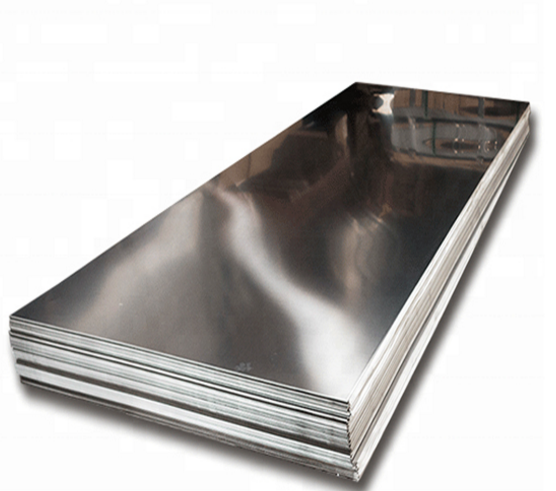
Looking for the current price of stainless steel per gram? Contact Susan Leo at [email protected] for accurate, up-to-date pricing tailored to your project needs. As a trusted manufacturing partner with a fully operational factory in Shenzhen, Honyo Prototype delivers high-quality stainless steel components with fast turnaround and competitive material costs. Reach out today to request a quote or discuss your specifications.
🚀 Rapid Prototyping Estimator
Estimate rough cost index based on volume.