
Contents
Manufacturing Insight: Precision Steel Car
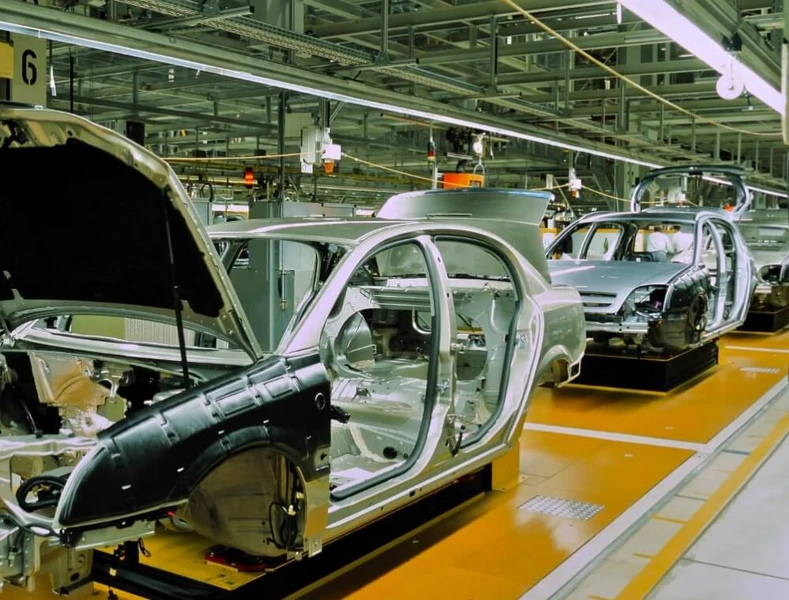
Precision Steel Automotive Components Engineered for Performance
Honyo Prototype delivers mission-critical steel components for the automotive sector where dimensional accuracy and material integrity are non-negotiable. Our advanced CNC machining capabilities are specifically engineered to meet the demanding requirements of modern vehicle systems, producing complex structural, drivetrain, and safety-critical parts from high-strength steel alloys. Utilizing state-of-the-art multi-axis machining centers operating under stringent ISO 9001:2015 controls, we consistently achieve tolerances down to ±0.0002 inches with superior surface finishes. This precision ensures optimal fit, function, and durability in applications ranging from prototype validation to low-volume production runs for performance and electric vehicles.
Material expertise is paramount. Our engineers select and machine specialized steels including 4140, 4340, 1045, and custom alloy grades, applying optimized cutting strategies and thermal management protocols to maintain metallurgical properties and prevent distortion. Every component undergoes rigorous in-process and final inspection using calibrated CMMs and optical comparators, guaranteeing compliance with automotive engineering specifications. Accelerate your development cycle with Honyo Prototype’s Online Instant Quote system, providing accurate, detailed machining cost estimates within hours for steel automotive parts, enabling faster design iteration and project initiation.
Technical Capabilities
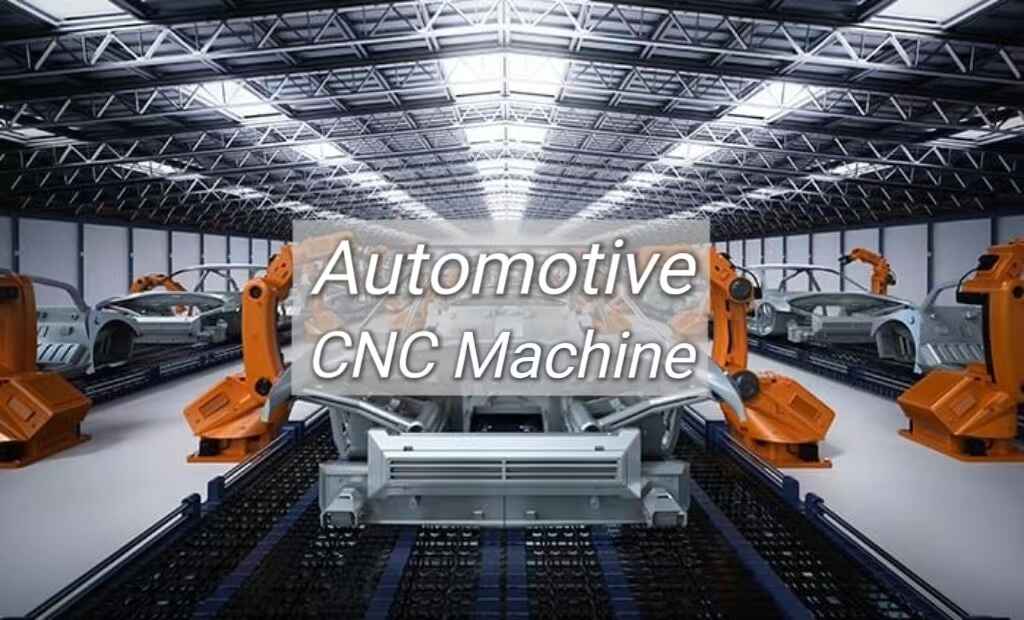
Precision Machined Steel Components – Technical Specifications
Precision machining of steel and other materials for automotive applications involves advanced 3-axis, 4-axis, and 5-axis CNC milling, as well as CNC turning operations. These processes are optimized for tight tolerance requirements typical in high-performance automotive systems such as engine components, transmission parts, and structural assemblies.
Key capabilities include high repeatability, fine surface finishes, and geometric accuracy, ensuring compliance with strict dimensional and functional standards. The following table outlines the technical specifications relevant to precision machining of steel and other materials used in automotive prototypes and production parts.
| Parameter | Specification Details |
|---|---|
| Machining Processes | 3-Axis, 4-Axis, and 5-Axis CNC Milling; CNC Turning (Swiss and Turning Centers) |
| Tolerance Capability | ±0.005 mm (±0.0002″) for critical dimensions; ±0.01 mm (±0.0004″) typical |
| Surface Finish (Ra) | 0.8 µm to 3.2 µm (32–125 µin); polished finishes available upon request |
| Materials Supported | Aluminum (6061, 7075), Steel (1018, 4140, Stainless 303, 304, 316), ABS, Nylon (6, 66) |
| Max Work Envelope (Milling) | 5-axis: 800 x 500 x 400 mm; 4/3-axis: up to 1000 x 600 x 500 mm |
| Max Turning Diameter | 300 mm (12″) with bar feed capability up to 1000 mm length |
| Tooling Systems | High-speed steel (HSS), carbide, and polycrystalline diamond (PCD) for non-ferrous cuts |
| Positioning Accuracy | ±0.002 mm per axis |
| Repeatability | ±0.003 mm |
| Coolant & Lubrication | High-pressure through-spindle coolant; minimum quantity lubrication (MQL) for turning |
| Inspection & Metrology | CMM (Coordinate Measuring Machine), optical comparators, micrometers, surface testers |
| Secondary Operations | Deburring, anodizing (Al), passivation (SS), bead blasting, heat treatment (as needed) |
Materials such as aluminum and steel are commonly used for structural and load-bearing components due to their strength-to-weight ratio and durability. ABS and nylon are selected for non-structural, wear-resistant, or insulating parts where lower density and machinability are advantageous.
All parts are machined using optimized toolpaths and fixturing strategies to maintain dimensional stability, especially during multi-axis operations where complex geometries are produced in a single setup. Tight tolerance control is maintained through in-process probing and post-machining inspection, ensuring compliance with automotive quality standards such as ISO 2768-mK or customer-specific GD&T requirements.
From CAD to Part: The Process
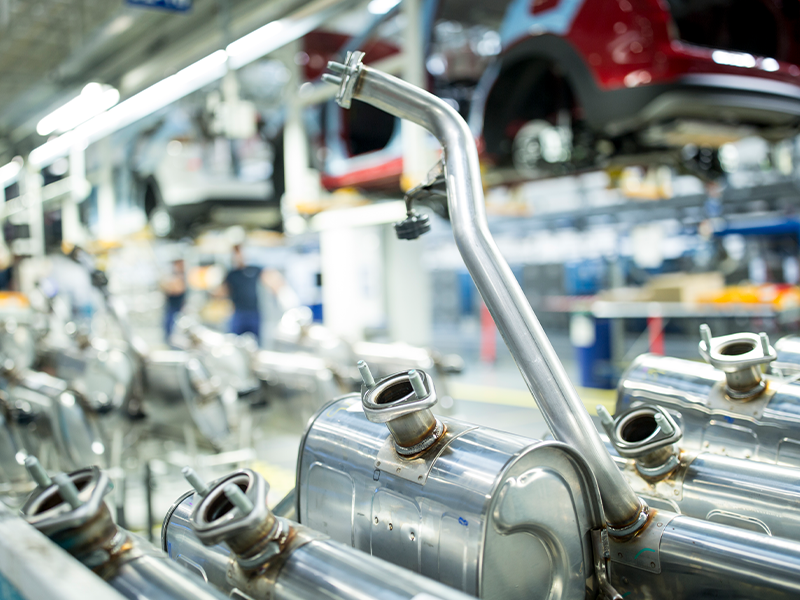
Honyo Prototype executes precision steel component manufacturing for automotive applications through a rigorously defined workflow optimized for speed, quality, and technical collaboration. Our process begins with structured digital onboarding and concludes with certified delivery, ensuring seamless integration into client supply chains. Below is the detailed sequence:
CAD Upload and Technical Intake
Clients initiate projects by uploading native CAD files (STEP, Parasolid, or native MCAD formats) via our secure customer portal. Our engineering team performs immediate validation checks for file integrity, unit consistency, and geometric completeness. Critical requirements including material grade (e.g., AISI 4140, 1045), heat treatment specifications, surface finish (Ra values), and geometric dimensioning and tolerancing (GD&T) per ASME Y14.5 are explicitly confirmed during this phase. Non-conforming files trigger automated feedback within 4 business hours.
AI-Powered Quoting with Engineering Oversight
Uploaded designs undergo analysis by Honyo’s proprietary AI quoting engine, which cross-references 12,000+ historical steel fabrication datasets. The system evaluates manufacturability factors including toolpath complexity, raw material utilization, and secondary operation requirements. Crucially, every AI-generated quote receives mandatory validation by a senior manufacturing engineer specializing in ferrous alloys. This dual-layer approach delivers formal quotations with ±5% cost accuracy and lead time commitments within 24 business hours for standard automotive steel components.
Collaborative DFM for Steel-Specific Optimization
Upon quote acceptance, our DFM phase commences with a dedicated engineering workshop. For steel components, we focus on material-specific optimizations:
Advising on weldment consolidation versus monolithic machining to reduce distortion
Recommending stress-relief cycles prior to precision machining
Proposing tolerance relaxation on non-critical features per ISO 2768-mK standards
Validating heat treatment sequencing to prevent dimensional drift
Client engineers receive a formal DFM report with annotated CAD markups and tolerance stack-up analyses. Average DFM cycle time: 3-5 business days.
Precision Production Execution
Approved designs enter production under our AS9100-certified quality management system:
Material certification: Mill test reports (MTRs) with full traceability to heat number
Machining: 5-axis milling centers with in-process probing (repeatability ±0.005mm)
Secondary operations: Certified TIG/MIG welding per AWS D1.1, stress relieving, and precision grinding
In-process verification: CMM checks at critical stages using Zeiss CONTURA systems
All steel components undergo final hardness testing (Rockwell/Brinell) and dimensional validation against first-article inspection (FAI) requirements per AS9102.
Certified Delivery and Documentation
Shipments include comprehensive traceability packs:
Material test reports with chemical composition and mechanical properties
FAI documentation with ballooned drawings
Process-specific certifications (welding procedures, heat treat charts)
Dimensional inspection reports with actual vs nominal data
Standard delivery timelines from DFM sign-off are 10-15 business days for prototype batches (1-50 pcs), with expedited options available. All shipments comply with automotive carrier standards including ESD-safe packaging for precision surfaces.
Process timeline benchmarks for typical steel components:
| Phase | Standard Duration | Key Outputs |
|---|---|---|
| CAD Intake | 4 business hours | Validated geometry package, requirement confirmation |
| AI Quote + Engineering Review | 24 business hours | Costed quotation, preliminary risk assessment |
| DFM Workshop | 3-5 business days | Optimized design package, tolerance analysis report |
| Production | 10-15 business days | FAI-certified parts, full traceability documentation |
This integrated methodology ensures automotive clients receive production-ready steel components with validated performance characteristics, significantly de-risking integration into vehicle subsystems while maintaining Honyo’s 99.2% on-time delivery record for precision metal prototypes. We treat every steel component as a mission-critical system element, applying aerospace-grade process controls to automotive innovation cycles.
Start Your Project
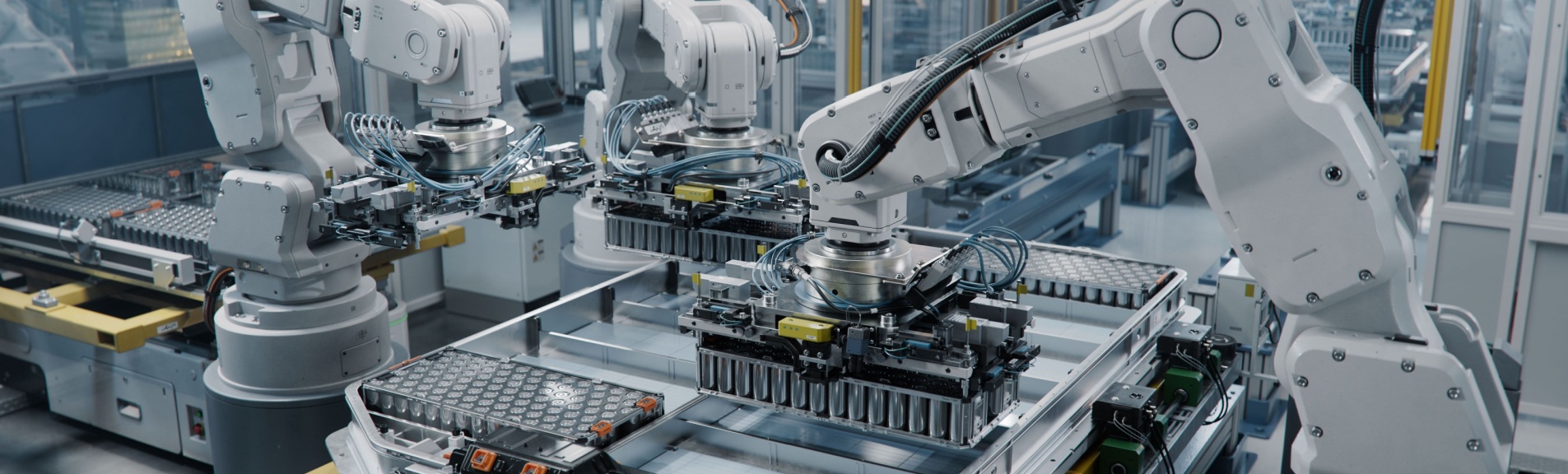
Explore the future of precision-engineered steel vehicles with Honyo Prototype. Our advanced manufacturing capabilities in Shenzhen deliver high-accuracy steel car prototypes for the automotive industry. From concept to production-ready models, we ensure unmatched quality and speed.
Contact Susan Leo today to discuss your project requirements.
Email: [email protected]
Factory located in Shenzhen, China – ISO-certified and equipped for rapid prototyping and low-volume production.
Partner with us for precision, reliability, and innovation in automotive development.
🚀 Rapid Prototyping Estimator
Estimate rough cost index based on volume.