
Contents
Manufacturing Insight: Polymer Plastic Sheets
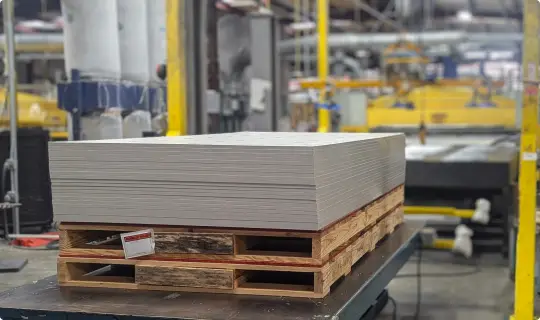
Precision Polymer Integration Through Advanced Metal Fabrication
Honyo Prototype excels in high-precision sheet metal fabrication for industrial and prototyping applications, delivering engineered metal components that integrate seamlessly with polymer plastic sheet assemblies. While polymer processing requires specialized techniques distinct from metalworking, our expertise in laser cutting, CNC bending, and weld-free assembly ensures critical metal substructures—such as frames, brackets, and enclosures—achieve micron-level tolerances for reliable pairing with acrylic, polycarbonate, or ABS sheets. This synergy is essential for clients developing medical devices, electronics housings, or transportation systems where metal-plastic hybrid assemblies dominate.
Our sheet metal capabilities directly support polymer-based projects by providing structurally sound foundations that maintain dimensional stability under thermal or mechanical stress. Unlike generic fabricators, Honyo leverages certified ISO 9001:2015 processes and automated fiber laser systems to minimize distortion in thin-gauge metals (0.5mm–6.0mm), ensuring perfect alignment with polymer components during final assembly. Material options include stainless steel 304/316, aluminum 5052/6061, and pre-coated galvanized steel—all finished with anodizing, powder coating, or passivation to prevent galvanic corrosion against adjacent plastics.
Accelerate your hybrid-material prototyping with Honyo’s Online Instant Quote platform. Upload your DXF or STEP files for sheet metal components, and receive a detailed cost breakdown, lead time estimate, and DFM feedback within 60 seconds. This system eliminates quoting delays for metal parts that anchor your polymer sheet designs, letting you iterate faster while maintaining supply chain continuity. For projects requiring coordinated metal-plastic fabrication, our engineering team provides integrated feasibility analysis to optimize material selection and assembly sequences.
Material Capability Summary
| Parameter | Range | Relevance to Polymer Integration |
|——————–|—————————|—————————————-|
| Thickness Tolerance | ±0.05mm (metals) | Ensures flush mating with plastic sheets |
| Bend Accuracy | ±0.1° | Prevents stress points at metal-plastic joints |
| Max. Laser Cut Size| 3000mm × 1500mm | Accommodates large enclosures for sheet-based assemblies |
| Lead Time | 3–7 business days (prototypes) | Synchronizes with polymer fabrication schedules |
Partner with Honyo to transform conceptual designs into functionally integrated metal-plastic systems, backed by rapid digital quoting and engineering rigor that reduces time-to-market.
Technical Capabilities
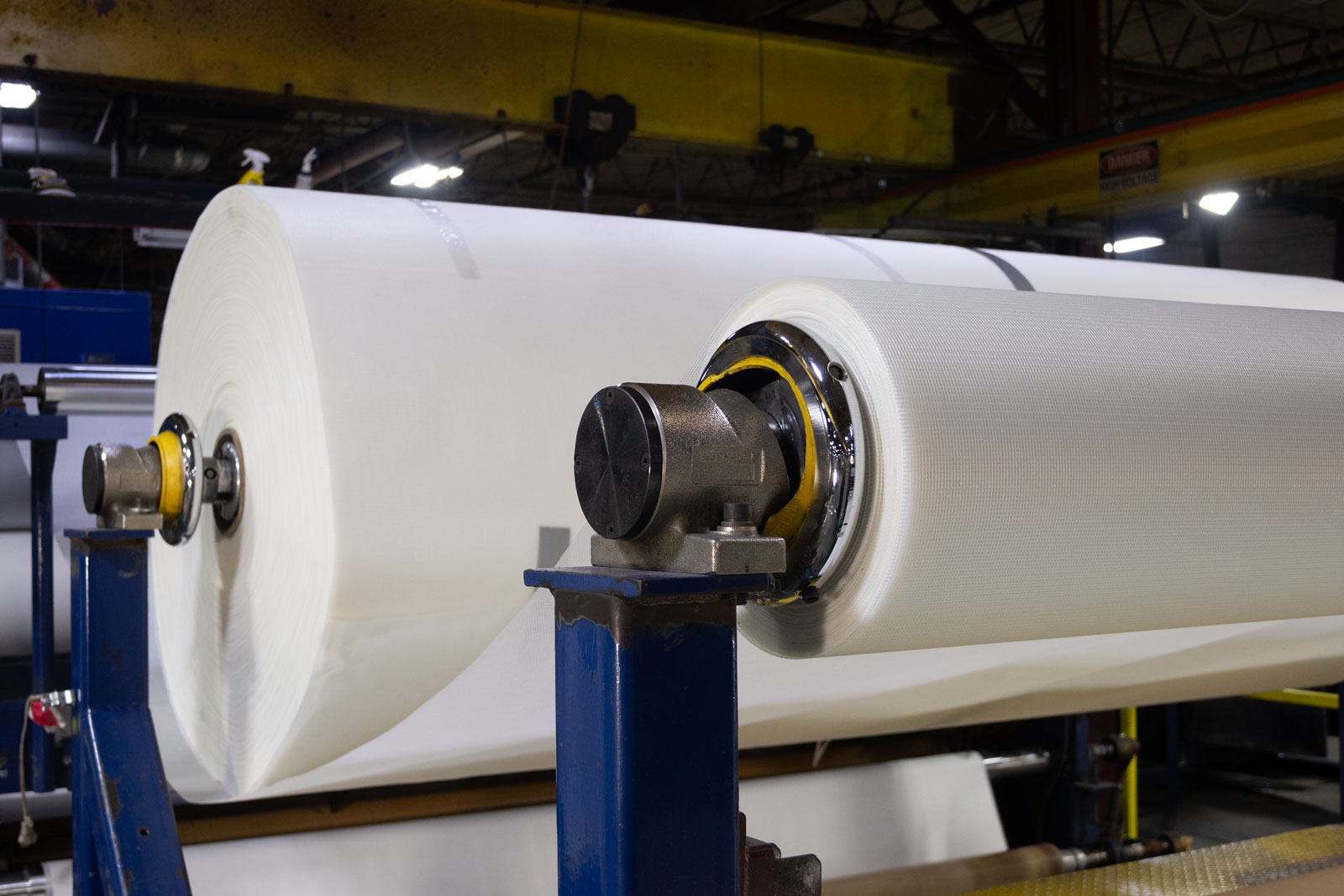
The term “polymer plastic sheets” specifically refers to sheets made from polymeric materials, excluding metals such as aluminum and steel. While aluminum and steel are commonly used in sheet form for laser cutting, bending, and welding, they are metallic materials and not classified as polymers. However, for comparative context, they are included in the table below but clearly distinguished.
Below is a technical specification table focusing on laser cutting, bending, and welding performance for polymer plastic sheets, with ABS and Nylon as representative thermoplastics, alongside aluminum and steel for reference.
| Material | Category | Laser Cutting Suitability | Bending Characteristics | Welding Method (Typical) | Thermal Resistance (°C) | Notes |
|---|---|---|---|---|---|---|
| ABS | Thermoplastic Polymer | High – clean cuts with CO₂ lasers; minimal charring with proper settings | Good – can be heat-bent using strip heaters or hot air; limited springback | Ultrasonic, solvent, or hot-plate welding | 80–105 | Releases styrene fumes when laser cut; ventilation required |
| Nylon (PA6/PA66) | Thermoplastic Polymer | Moderate – prone to melting and edge browning; requires optimized laser power and assist gas | Excellent – high toughness allows for tight radius bending with heating | Hot-gas, vibration, or laser welding | 120–180 | Hygroscopic – must be dried before processing; reflective to some laser wavelengths |
| Aluminum | Metal | High – fiber lasers preferred; reflective, so requires proper setup | Excellent – high ductility allows for tight bend radii; springback must be compensated | TIG, MIG, or laser welding | Up to 200 (service) | Highly reflective to CO₂ lasers; safety critical to use correct laser type |
| Steel (Mild) | Metal | High – compatible with CO₂ and fiber lasers; produces dross if not optimized | Good – bendability depends on thickness and grade; requires press brakes | MIG, TIG, spot, or laser welding | Up to 260 (service) | Generates slag during laser cutting; post-processing often required |
Key Technical Notes:
Laser cutting of polymer sheets requires precise control of laser power, speed, and assist gas (typically compressed air or inert gas) to minimize melting, flame marks, or toxic fumes. ABS cuts cleanly but emits hazardous fumes, necessitating proper extraction. Nylon is more thermally stable but can absorb moisture, leading to bubbling during laser processing if not pre-dried.
Bending of plastic sheets is typically performed using thermal forming methods. ABS bends easily with even heating, while Nylon requires higher temperatures (150–170°C) due to its higher glass transition temperature.
Welding of thermoplastics relies on methods that generate localized heat without degradation. Ultrasonic welding suits ABS for assembly, whereas Nylon often requires hot-gas or vibration welding for strong joints.
Metals like aluminum and steel differ fundamentally in processing: they require higher energy densities, conduct heat rapidly, and present reflectivity challenges in laser applications. Their welding and bending are well standardized in metal fabrication but follow different physical principles than polymer processing.
For prototype and low-volume manufacturing at Honyo Prototype, material selection should balance process compatibility, mechanical requirements, and safety considerations.
From CAD to Part: The Process
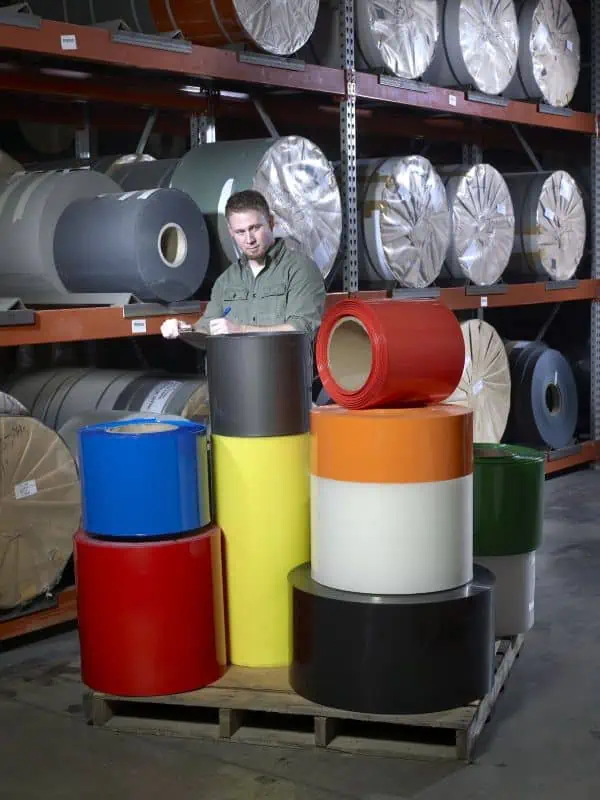
Honyo Prototype Polymer Plastic Sheet Manufacturing Process
Honyo Prototype executes a streamlined, technology-driven workflow for polymer plastic sheet fabrication, ensuring precision, cost efficiency, and rapid turnaround. The process begins with CAD Upload, where clients submit 3D models in STEP, IGES, or native CAD formats via our secure portal. Our system validates geometry integrity, confirms sheet-based design suitability (e.g., 2D profiles for laser cutting or 3D contours for CNC routing), and auto-detects critical parameters like thickness, material type, and tolerance zones.
Following upload, the AI-Powered Quoting Engine generates real-time cost and lead time estimates. This system cross-references 12,000+ material grades (e.g., acrylic, polycarbonate, ABS, HDPE) against dynamic databases of raw material costs, machine hourly rates, and labor variables. It factors in polymer-specific processing constraints—such as thermal sensitivity in polycarbonate or stress-cracking risks in acrylic—to prevent under-quoting. Quotes include granular cost breakdowns for material waste, secondary operations, and finishing, typically within 90 minutes of submission.
The Design for Manufacturability (DFM) Analysis phase is conducted by senior engineers using proprietary simulation tools. For polymer sheets, this focuses on material-specific failure modes: warpage during cooling, edge chipping in brittle polymers, or laser-cut kerf compensation. Engineers verify minimum bend radii for thermoforming, assess CNC toolpath feasibility for complex contours, and validate flat-pattern unfold accuracy for bent components. Clients receive a detailed DFM report with actionable recommendations—such as adjusting hole spacing in thin PETG sheets to prevent deformation—before tooling commences.
Production leverages Honyo’s automated cell for polymer sheet processing. Key stages include:
Cutting/Forming: CO₂ lasers (±0.1mm accuracy) for intricate acrylic profiles; CNC routers (±0.05mm) for thicker polycarbonate; vacuum formers for deep-draw geometries.
Secondary Operations: Edge polishing, solvent bonding, or precision drilling per ISO 2768-mK tolerances.
Quality Control: In-process CMM checks for critical dimensions and ASTM D638 tensile validation on first-article samples. All polymer batches include material traceability certificates.
Delivery concludes the workflow with climate-controlled packaging to prevent static adhesion or moisture absorption in hygroscopic polymers like nylon. Shipments include digital quality dossiers (dimensional reports, material certs) and ship within 72 hours of final inspection. Standard lead times are 3–5 business days for quantities under 50 units, with expedited 24-hour options for prototyping.
Polymer-Specific Process Parameters
| Parameter | Acrylic (PMMA) | Polycarbonate (PC) | HDPE |
|——————–|———————-|———————-|———————-|
| Max Sheet Thickness| 50 mm | 40 mm | 100 mm |
| Typical Tolerance | ±0.15 mm | ±0.20 mm | ±0.25 mm |
| Key DFM Alert | Avoid sharp internal corners | Annealing required post-cut | High thermal expansion |
| Lead Time (Days) | 3 | 4 | 3 |
This integrated approach reduces time-to-part by 40% versus traditional vendors while maintaining ISO 9001-certified quality control across all polymer sheet projects. Clients retain full visibility via our portal, with real-time production tracking from DFM approval to shipment.
Start Your Project
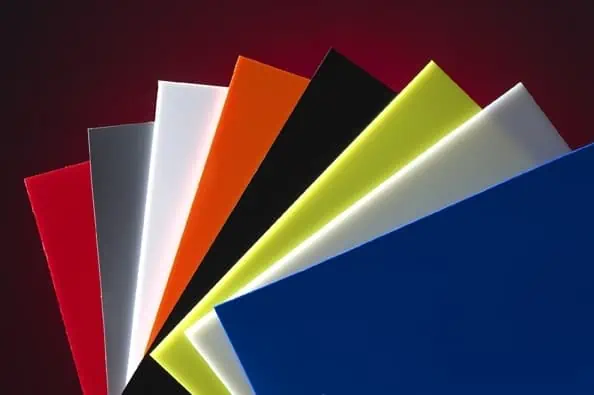
Looking for high-quality polymer plastic sheets for your next project? Contact Susan Leo today at [email protected] to discuss your requirements and get expert support from Honyo Prototype. With our advanced manufacturing capabilities and factory based in Shenzhen, we deliver precision-engineered plastic sheet solutions tailored to your specifications. Trust a reliable partner for prototype and production-grade materials—reach out now for a fast response and competitive pricing.
🚀 Rapid Prototyping Estimator
Estimate rough cost index based on volume.