
Contents
Manufacturing Insight: Plastic Sheeting 6Mm
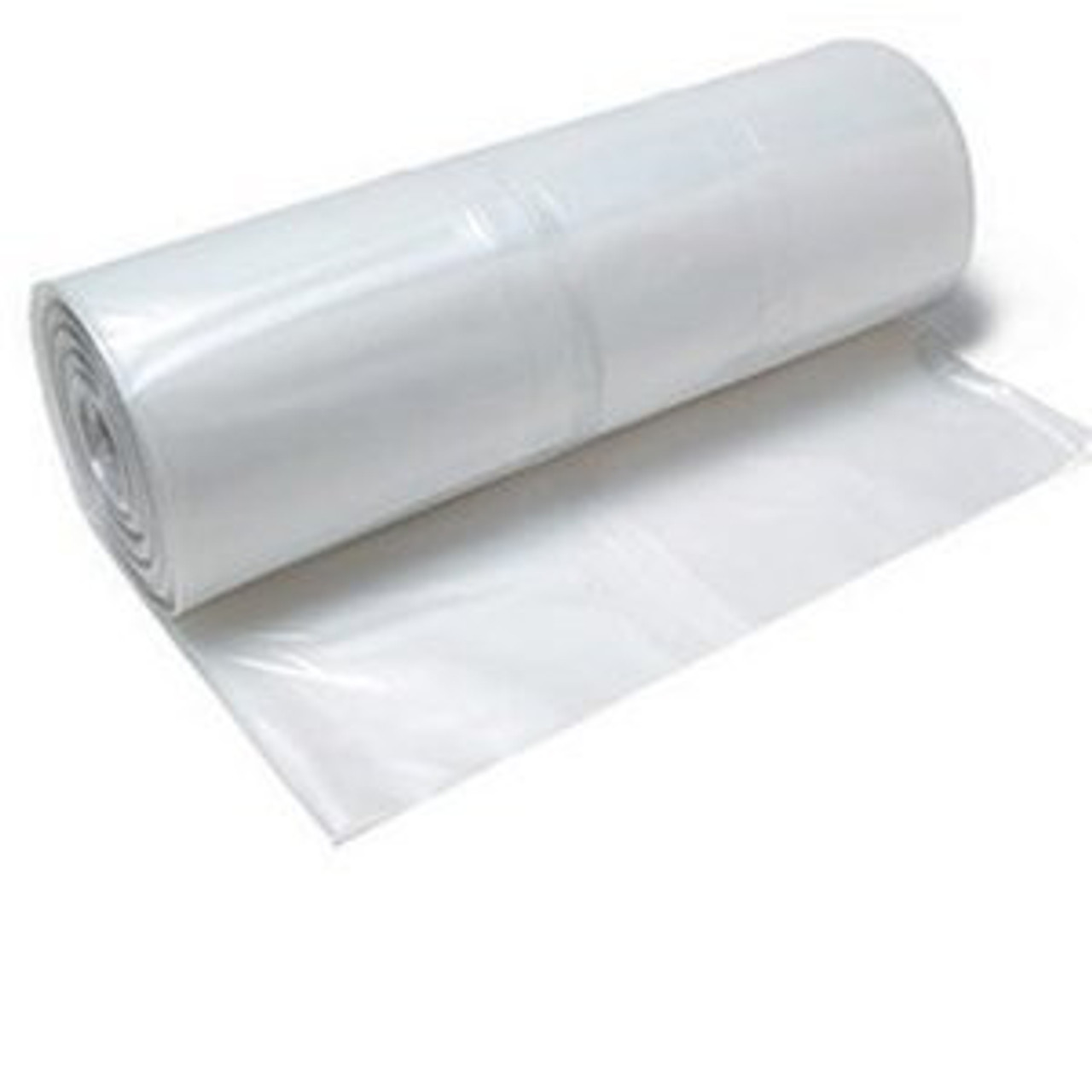
Precision Plastic Sheeting Solutions with Honyo Prototype Engineering Expertise
While Honyo Prototype specializes in high-precision sheet metal fabrication—not plastic sheeting—we recognize that many clients explore material options early in the prototyping and production process. For applications requiring rigid structural components, our core competency in 6mm sheet metal fabrication delivers superior strength, thermal stability, and dimensional accuracy compared to equivalent plastic alternatives. Our advanced capabilities in laser cutting, CNC bending, welding, and finishing for metals like aluminum, steel, and stainless steel ensure your 6mm-thick components meet exacting engineering tolerances and functional requirements.
Honyo’s integrated manufacturing ecosystem supports complex 6mm sheet metal projects from design validation through low-to-mid volume production, with rigorous quality control at every stage. Whether for enclosures, brackets, or chassis, our engineering team optimizes designs for manufacturability, reducing lead times and material waste. For immediate project assessment, utilize our Online Instant Quote system to upload CAD files and receive detailed pricing, lead time estimates, and design feedback within minutes—accelerating your path from concept to certified prototype. Partner with Honyo for metal fabrication solutions where precision, durability, and speed are non-negotiable.
Technical Capabilities
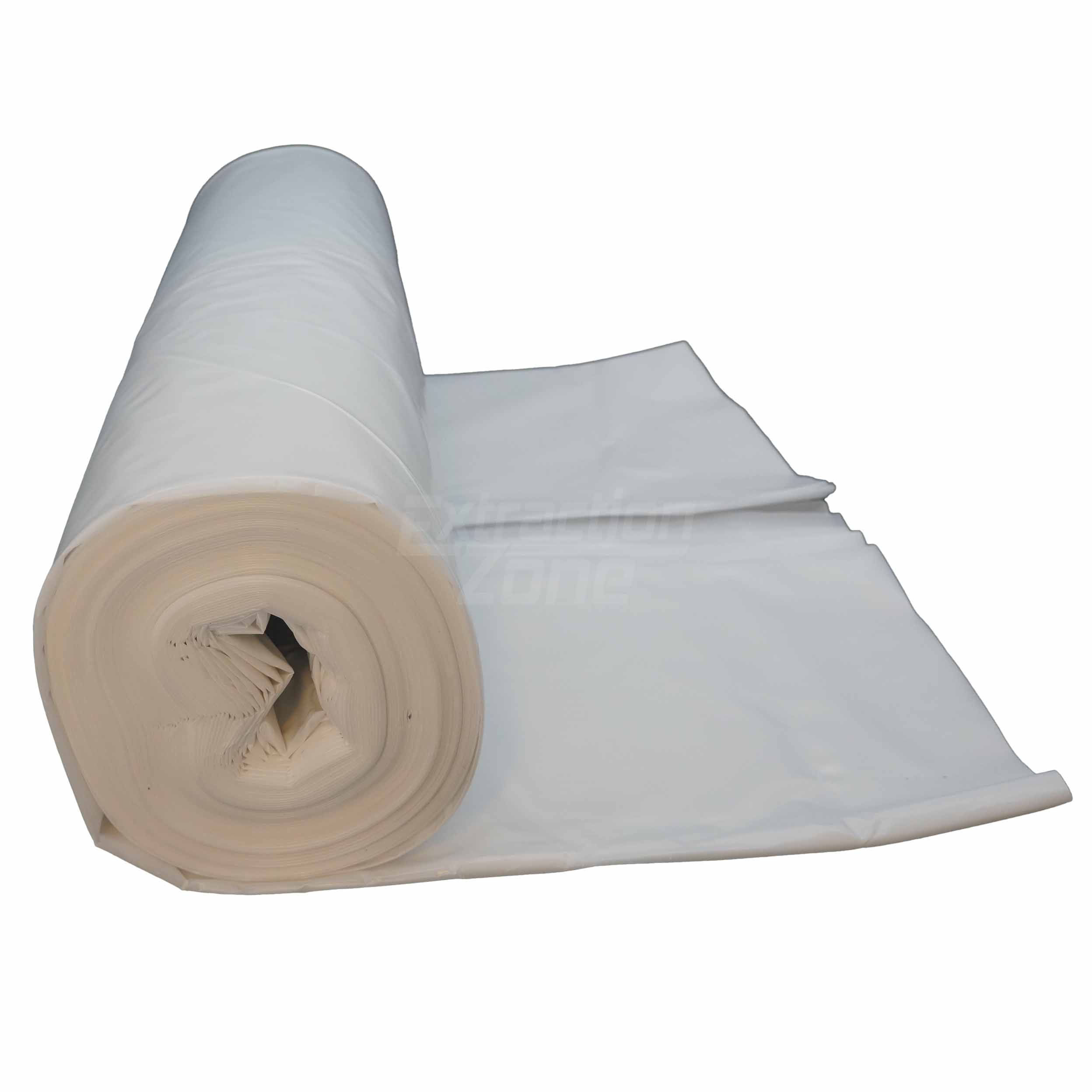
Technical specifications for plastic sheeting typically do not include metals such as aluminum and steel, as these are metallic materials and not plastics. However, for clarity and comparison in industrial fabrication processes such as laser cutting, bending, and welding, the following table includes both thermoplastic materials (e.g., ABS, Nylon) in 6mm thickness and analogous metallic sheets (aluminum and steel) of similar thickness for process evaluation.
Below is a technical comparison focused on laser cutting, bending, and welding performance for 6mm thick sheets of ABS, Nylon, Aluminum, and Steel:
| Material | Thickness | Laser Cutting Suitability | Bending Characteristics | Welding Method | Notes |
|---|---|---|---|---|---|
| ABS (Acrylonitrile Butadiene Styrene) | 6 mm | High – cleanly cut with CO₂ lasers; minimal charring with proper settings | Good – can be thermoformed; requires controlled heating for bending | Hot gas welding or solvent welding | Sensitive to UV and high temperatures; not suitable for structural load applications |
| Nylon (Polyamide, PA6 or PA66) | 6 mm | Moderate – possible with CO₂ laser but prone to melting and edge degradation | Good – high toughness allows for some cold forming; best bent with heat | Hot gas welding or ultrasonic welding | High moisture absorption; pre-drying recommended before processing |
| Aluminum (e.g., 5052 or 6061) | 6 mm | High – fiber lasers are effective; reflective properties require specialized systems | Excellent – readily bent with press brakes; springback must be compensated | TIG, MIG, or laser welding | Reflective and conductive; requires protective measures during laser processing |
| Steel (Mild Steel, e.g., AISI 1018) | 6 mm | High – fiber lasers cut efficiently; produces dross if settings are incorrect | Good – bendable with press brake; limited by grain direction and k-factor | MIG, TIG, or laser welding | Prone to oxidation; post-process cleaning may be needed after laser cutting |
Key Process Notes:
Laser Cutting: ABS and nylon are compatible with CO₂ lasers but require optimized speed and power to prevent melting or flaming. Metals require fiber lasers due to high reflectivity and thermal conductivity.
Bending: Thermoplastics like ABS and nylon require slow, controlled heating (e.g., strip heaters) to avoid cracking. Metals are bent cold using press brakes, with tooling selected based on bend radius and tonnage.
Welding: Plastic welding relies on thermal fusion methods (hot gas, ultrasonic, solvent), while metals use arc or laser-based fusion techniques. Inter-material welding (plastic to metal) is not feasible without mechanical fasteners or adhesives.
This comparison supports process planning in prototyping and low-volume manufacturing environments where material versatility and fabrication method compatibility are critical.
From CAD to Part: The Process
Honyo Prototype Plastic Sheeting 6mm Manufacturing Process Overview
Honyo Prototype specializes in precision fabrication of flat plastic sheeting, including 6mm thickness materials. Our streamlined workflow ensures rapid turnaround while maintaining strict quality control. The process begins exclusively with flat-sheet cutting operations—such as laser, waterjet, or CNC routing—on customer-supplied or Honyo-sourced stock materials. This excludes thermoforming, injection molding, or multi-axis machining.
Upload CAD
Customers initiate the process by uploading native CAD files (STEP, IGES, or DXF) via our secure portal. The system automatically validates geometry integrity, confirming the design represents a single flat sheet with no 3D features. Critical parameters like sheet dimensions, cut paths, and hole tolerances are extracted. For 6mm materials, the system flags potential issues such as aspect ratios exceeding 10:1 (length-to-thickness) that may cause warpage during cutting. Material type must be specified; common 6mm substrates include acrylic, polycarbonate, ABS, and HDPE.
AI Quote Generation
Our proprietary AI engine analyzes the CAD data to generate instant quotes within 2 hours. It calculates costs based on laser/waterjet runtime, material waste optimization, and edge-quality requirements. For 6mm sheets, the AI accounts for critical factors:
Kerf width compensation (typically 0.1–0.3mm for lasers, 0.8–1.2mm for waterjet)
Thermal management needs (e.g., slower laser speeds for polycarbonate to prevent melting)
Minimum feature size validation (e.g., holes <1.5mm diameter may require waterjet)
The quote details machine selection rationale, lead time, and material cost variables. Real-time pricing reflects current resin market fluctuations for engineering-grade plastics.
DFM Analysis
Engineers perform a targeted Design for Manufacturability review focusing on 6mm-specific constraints. Key checks include:
Verification of cut path sequencing to minimize internal stress and distortion
Confirmation that corner radii ≥0.5mm to prevent laser-induced cracking
Assessment of tab placement for sheet stability during cutting
Material suitability review (e.g., PVC excluded from laser cutting due to chlorine gas emission)
Customers receive a DFM report with actionable recommendations, such as adjusting kerf allowances or suggesting alternative materials for improved yield. No design modifications proceed without explicit client approval.
Production Execution
Approved designs move to production with these 6mm-specific protocols:
Material conditioning: Sheets acclimated to 22°C/45% RH for 24 hours to reduce moisture-induced warpage
Machine calibration: Laser power (800–1200W CO₂) and assist gas (nitrogen for acrylic, oxygen for HDPE) optimized per material
In-process validation: First-article inspection checks thickness consistency (±0.1mm tolerance), edge squareness (±0.2°), and surface quality per ASTM D790
Nesting optimization: Dynamic sheet utilization software achieves >92% material yield for standard geometries
Material performance characteristics for 6mm sheets are critical to production success. Honyo maintains these baseline parameters:
| Material | Max Sheet Size (mm) | Laser Cut Speed (mm/min) | Key Limitation for 6mm |
|---|---|---|---|
| Acrylic | 2000 x 3000 | 180–220 | Brittle fracture risk at sharp corners |
| Polycarbonate | 1500 x 3000 | 80–120 | Requires slow cutting to avoid yellowing |
| HDPE | 2500 x 5000 | 300–400 | Thermal expansion requires oversizing |
| ABS | 1200 x 2400 | 150–200 | Fume extraction critical during cutting |
Delivery and Quality Assurance
Finished sheets undergo final inspection per ISO 2768-mK tolerances, with CMM verification for critical dimensions. 6mm parts are packaged with interleaved non-abrasive film and rigid edge protection to prevent shipping damage. All orders include material certs (e.g., UL 94 flammability ratings) and a dimensional report. Standard lead time is 3–5 business days from CAD approval, with expedited options available. Honyo guarantees flatness within 0.5mm per meter for stress-relieved materials like acrylic, validated through post-production annealing when required.
This integrated process reduces traditional sheet fabrication lead times by 40% while ensuring dimensional reliability for demanding applications like electrical enclosures, sight guards, and structural components.
Start Your Project
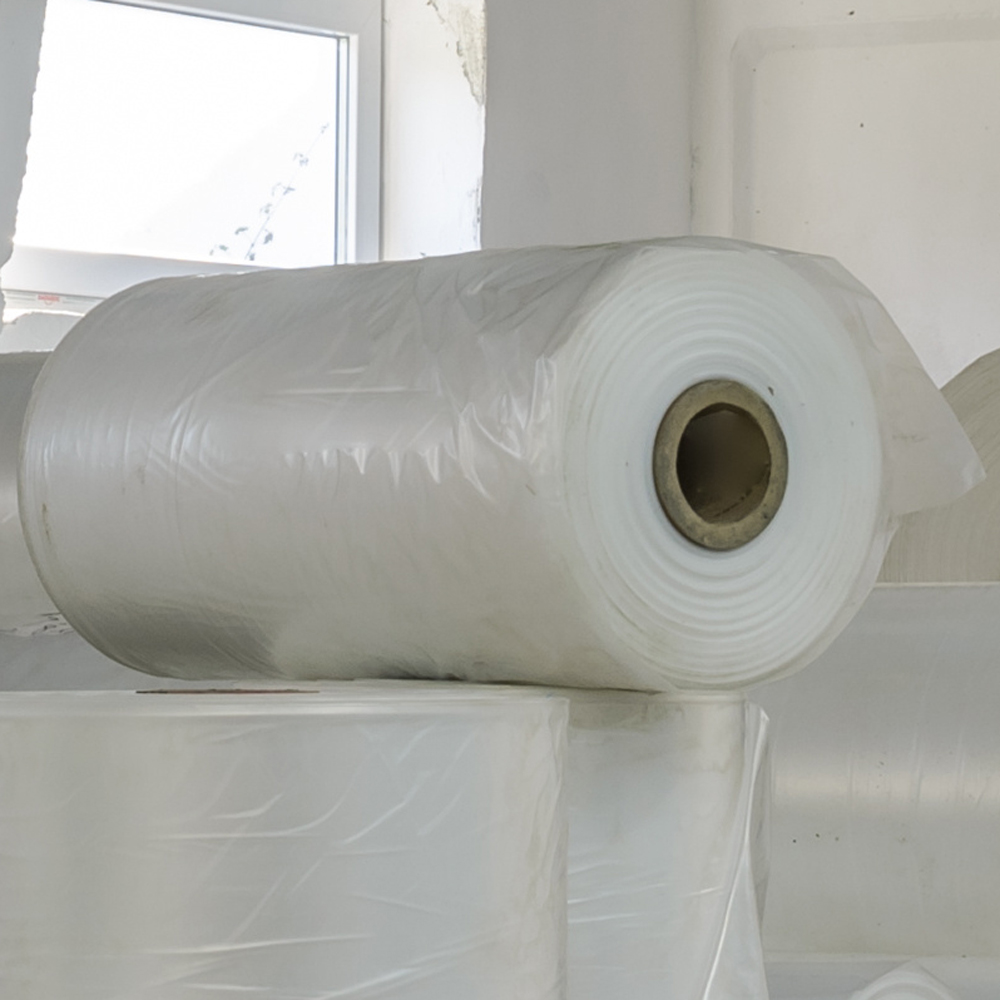
Looking for high-quality 6mm plastic sheeting for your next project? Contact Susan Leo at [email protected] to request samples, pricing, or technical specifications.
Our manufacturing facility is based in Shenzhen, ensuring precision production, fast turnaround times, and strict quality control for both prototype and production runs.
Reach out today to discuss your requirements and discover how Honyo Prototype can support your manufacturing needs with reliable, cost-effective plastic sheeting solutions.
🚀 Rapid Prototyping Estimator
Estimate rough cost index based on volume.