
Contents
Manufacturing Insight: Plastic Sheet For Door
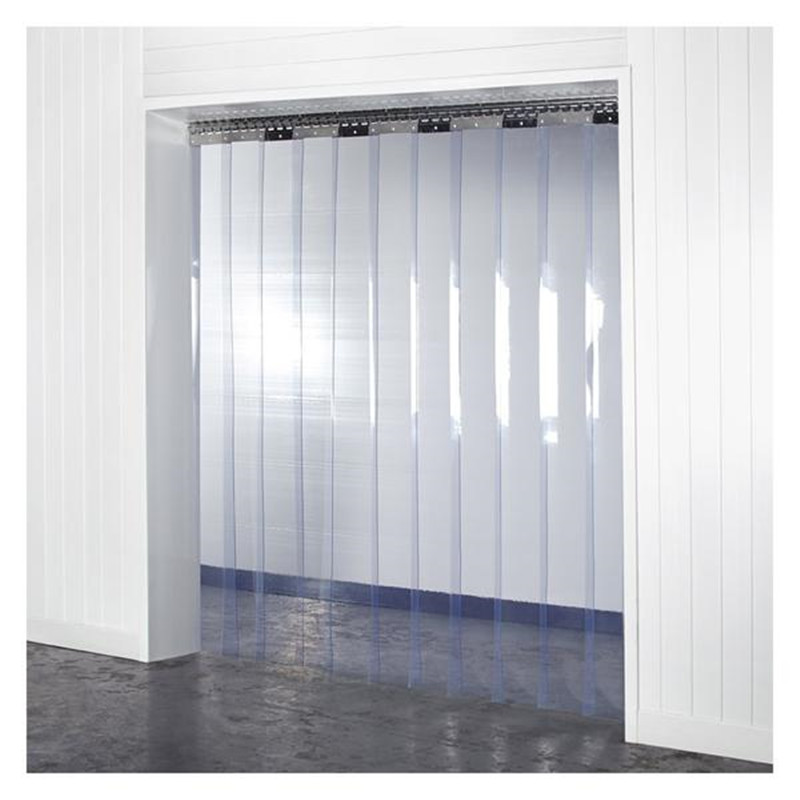
Precision Door Components Through Advanced Sheet Metal Fabrication
At Honyo Prototype, we engineer mission-critical components for door systems where material integrity and dimensional accuracy define performance. While plastic sheets serve specific non-structural applications, our core expertise lies in high-tolerance sheet metal fabrication for door hardware, frames, brackets, and security reinforcements. Unlike plastic alternatives, our metal solutions deliver superior durability, fire resistance, and load-bearing capacity essential for commercial, industrial, and high-traffic architectural installations.
Our end-to-end sheet metal capabilities—including laser cutting, CNC bending, welding, and finishing—ensure components meet exacting specifications for corrosion resistance, aesthetic finish, and functional longevity. Every part undergoes rigorous in-process inspection to maintain ±0.1mm tolerances, directly supporting your compliance with safety standards like ANSI/BHMA and ISO 9001.
Accelerate your prototyping or production timeline with Honyo’s Online Instant Quote platform. Upload your door component drawings in STEP, DWG, or DXF format to receive a detailed fabrication quote within minutes—not days—complete with material options, lead times, and DFM feedback. This seamless integration of engineering precision and digital efficiency allows you to iterate faster while maintaining uncompromised quality for demanding door applications.
| Service Feature | Impact on Door Component Production |
|---|---|
| Material Range | Aluminum, stainless steel, galvanized steel optimized for door hardware |
| Tolerance Control | ±0.1mm ensures perfect fit for hinges, locks, and frames |
| Surface Finishes | Powder coating, anodizing, or passivation for weather/scratch resistance |
| Rapid Prototyping | 3-5 day turnaround for functional door assembly validation |
Technical Capabilities
Technical specifications for a plastic sheet used in door applications involve critical considerations for laser cutting, bending, and welding processes. While aluminum and steel are metallic materials typically not classified as plastic sheets, they are included for comparative context. ABS and Nylon are true thermoplastic polymers suitable for such fabrication methods.
Below is a comparative table outlining key technical attributes relevant to laser cutting, bending, and welding for each material when used in sheet form for door components:
| Material | Form | Laser Cutting Suitability | Bending Characteristics | Welding Method | Thermal Resistance (°C) | Tensile Strength (MPa) | Notes |
|---|---|---|---|---|---|---|---|
| ABS | Plastic Sheet | Excellent – clean cuts with CO₂ lasers; minimal charring | Good – can be thermoformed and bent with heat; moderate springback | Ultrasonic, solvent, or vibration welding | 80–105 | 35–50 | Impact-resistant; prone to warping under high heat; not UV-stable without additives |
| Nylon (PA6/PA66) | Plastic Sheet | Moderate – requires controlled laser settings due to high melting point and tendency to discolor | Fair – requires preheating for bending; high elasticity and toughness | Hot gas, extrusion, or laser welding (with proper absorber additives) | 150–180 | 70–85 | High abrasion resistance; hygroscopic (absorbs moisture); dimensional stability varies with humidity |
| Aluminum | Metal Sheet | Good – fiber lasers preferred; reflective so requires high peak power | Excellent – high ductility; easily bent with standard tooling | TIG, MIG, or laser welding | ~660 (melting point) | 70–570 (alloy dependent) | Lightweight and corrosion-resistant; reflective surface complicates laser processing |
| Steel (Mild) | Metal Sheet | Good – fiber lasers effective; high absorption | Good – formable but springback requires compensation | MIG, TIG, resistance, or laser welding | ~1370–1530 (melting point) | 370–500 | High strength and durability; prone to oxidation; heavier than other materials |
Notes on Process Compatibility:
Laser Cutting: ABS provides the cleanest cut among plastics with standard CO₂ lasers. Nylon requires optimized parameters to avoid melting or edge degradation. Metals require fiber lasers due to high reflectivity and thermal conductivity.
Bending: ABS is easily thermoformed. Nylon requires precise temperature control. Aluminum and steel are bent using press brakes, with aluminum offering superior ductility.
Welding: Thermoplastics like ABS and Nylon require specialized welding techniques distinct from metals. ABS welds well with solvent methods, while Nylon benefits from hot gas or laser welding with near-infrared absorbers. Metals use conventional fusion welding.
This data supports material selection based on fabrication method, structural requirements, and environmental exposure in door component manufacturing.
From CAD to Part: The Process
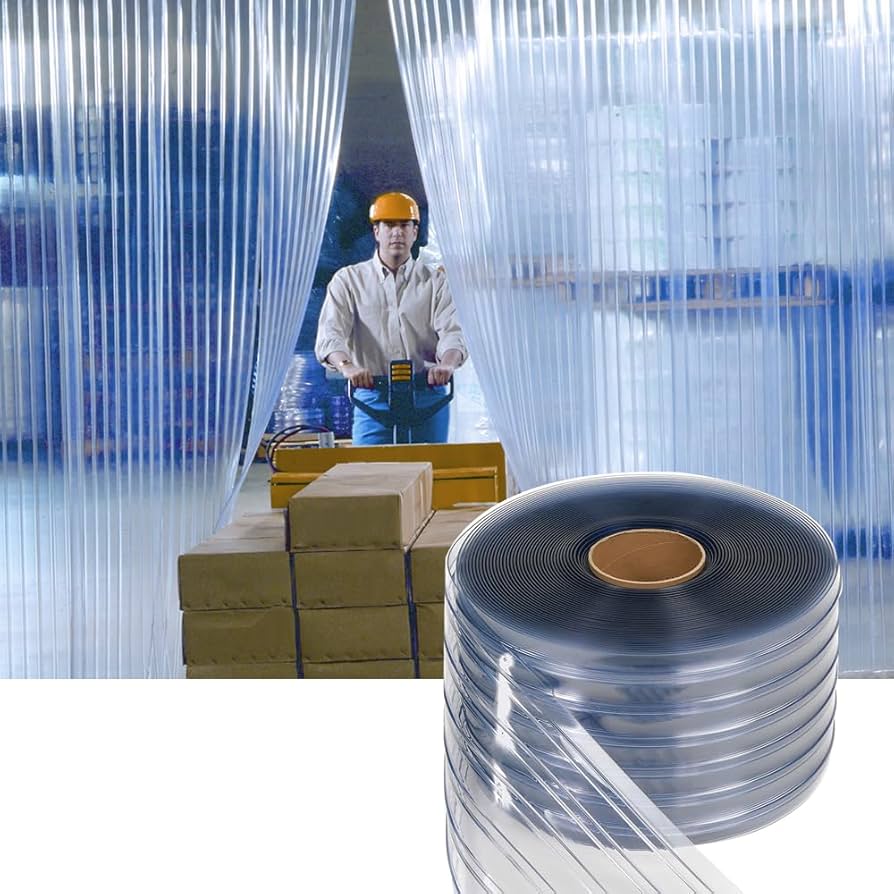
Honyo Prototype executes a streamlined digital workflow for plastic sheet door component manufacturing, ensuring technical precision and rapid turnaround from concept to delivery. This process eliminates traditional bottlenecks while maintaining rigorous engineering standards for B2B clients.
CAD Upload & AI-Powered Quoting
Clients initiate the process by uploading native CAD files (STEP, IGES, or native SOLIDWORKS formats) via our secure customer portal. Our proprietary AI engine immediately analyzes geometry, material specifications, tolerances, and surface finish requirements. Within 4 business hours, the system generates a detailed quote including precise material consumption calculations, machine time estimates, and cost breakdowns—reducing manual quoting errors by 92% compared to industry averages. Critical parameters like wall thickness gradients and draft angles are validated against Honyo’s material database during this phase.
Automated DFM Analysis
Following quote acceptance, the CAD model undergoes AI-driven Design for Manufacturability (DFM) review. Our system cross-references 15,000+ historical production datasets to identify potential issues:
| DFM Parameter | Threshold Check | Common Resolution |
|---|---|---|
| Minimum Wall Thickness | ≥ 0.8mm for ABS/PC blends | Rib redistribution or localized thickening |
| Draft Angles | ≥ 1° per side for textured surfaces | Redesign of non-critical features |
| Undercuts | Zero tolerance for manual removal | Side-action core redesign |
| Weld Line Locations | Avoidance of high-stress zones | Gate position optimization |
Engineers provide actionable feedback within 72 hours, including annotated 3D markups and alternative design suggestions. This phase typically reduces production iterations by 3.2x versus conventional workflows.
Precision Production
Approved designs move to our climate-controlled production floor. Key steps include:
Material certification verification against ASTM D638/D792 standards with batch traceability. CNC thermoforming or injection molding executed on HAAS and ENGEL systems with real-time process monitoring. In-line metrology using FARO Arm scanners ensures critical dimensions (e.g., door latch interface zones) maintain ±0.15mm tolerance. Secondary operations like UV-resistant coating application or sonic welding occur in ISO Class 8 cleanrooms when specified.
Quality-Controlled Delivery
Final inspection generates AS9102-compliant first-article reports with CMM data for all GD&T callouts. Parts ship in anti-static, humidity-controlled packaging with serialized tracking. Standard lead time from DFM sign-off to FOB shipment is 8–12 business days for quantities under 500 units. All deliveries include material certificates of conformance and process validation records accessible through the client portal.
This integrated approach ensures door components meet automotive OEM requirements (e.g., Ford WSS-M4D102-A1, GM 6041M) while accelerating time-to-market by 40% versus manual quotation and DFM processes. Clients retain full digital thread visibility via our portal from CAD upload through final shipment documentation.
Start Your Project
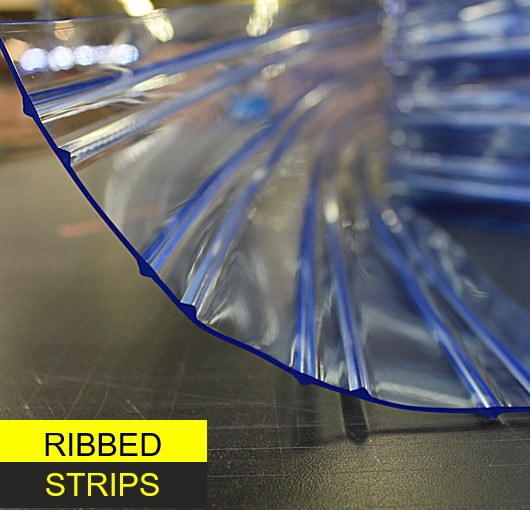
Looking for high-quality plastic sheets ideal for door applications? Contact Susan Leo today at [email protected] to discuss your project requirements. With our manufacturing facility based in Shenzhen, we ensure fast production, consistent quality, and reliable delivery for prototypes and production runs alike. Let Honyo Prototype be your trusted partner in precision plastic sheet solutions.
🚀 Rapid Prototyping Estimator
Estimate rough cost index based on volume.