
Contents
Manufacturing Insight: Plastic Mechanical Parts
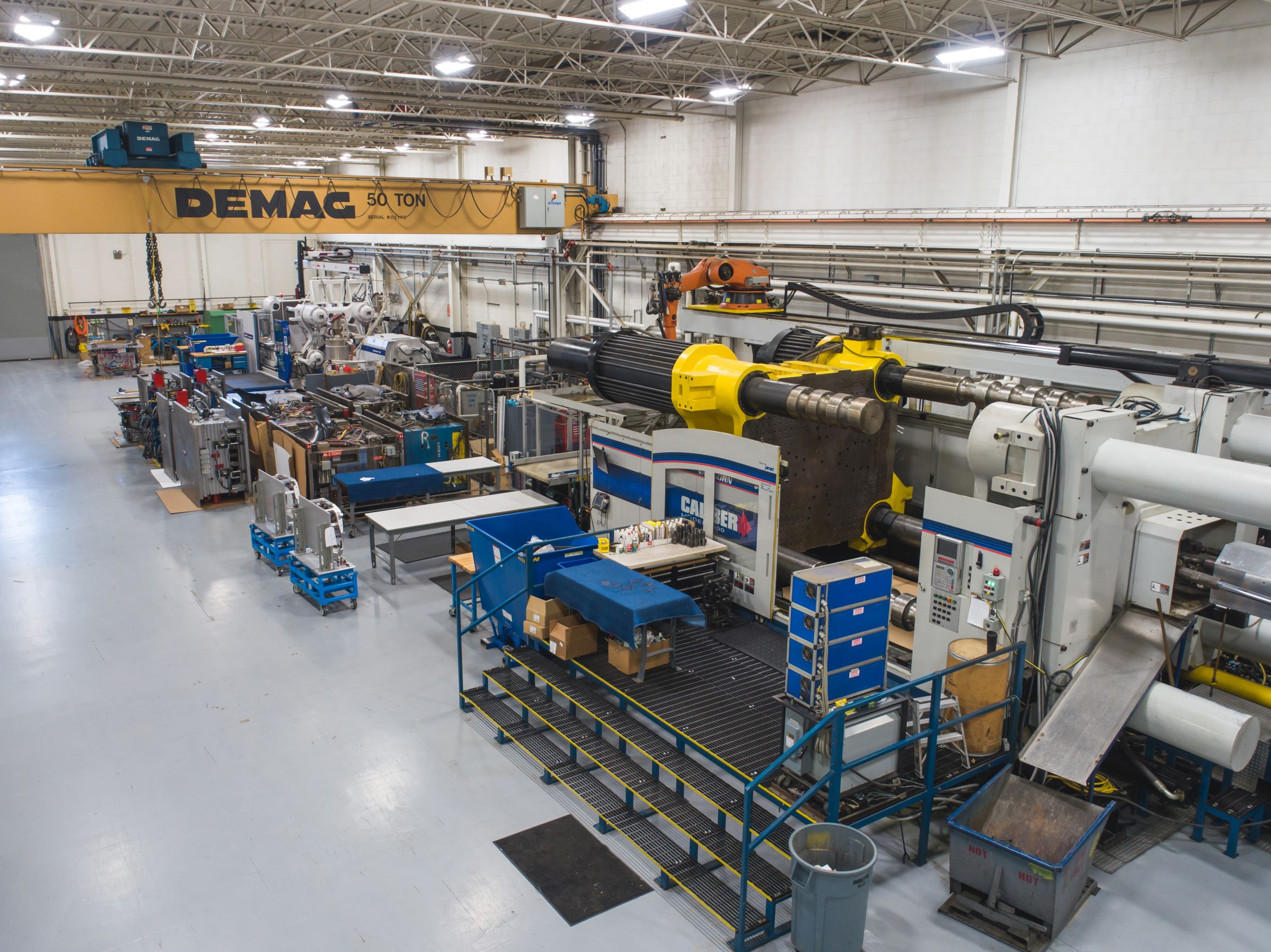
Precision Plastic Mechanical Components for Demanding Applications
In the realm of advanced manufacturing, plastic mechanical parts demand exceptional dimensional accuracy, material integrity, and functional reliability to meet rigorous engineering specifications. From complex housings and bushings to custom gears and fluidic components, thermoplastic polymers offer unique advantages in weight reduction, chemical resistance, and electrical insulation—but only when machined with uncompromising precision. Standard injection molding often falls short for low-volume, high-complexity prototypes or end-use parts requiring tight tolerances below ±0.005 mm.
Honyo Prototype delivers engineered excellence through our specialized CNC machining services for plastic mechanical components. Our multi-axis milling and turning centers, operated by veteran technicians with deep material science expertise, transform engineering-grade polymers—including PEEK, Delrin, Ultem, and PTFE—into mission-critical parts with sub-micron repeatability. We mitigate inherent plastic machining challenges like thermal deformation and chip adhesion through proprietary toolpath strategies, cryogenic cooling protocols, and real-time in-process metrology. Every component undergoes rigorous first-article inspection per AS9102 standards, ensuring compliance with aerospace, medical, and industrial OEM requirements.
Accelerate your development cycle with Honyo’s Online Instant Quote platform. Upload your STEP or IGES file to receive a detailed manufacturability analysis and competitive pricing within 15 minutes—no sales calls required. Our AI-driven system evaluates geometry complexity, material selection, and tolerance stack-ups to provide transparent, actionable quotes backed by 20+ years of precision machining heritage. For projects demanding rapid iteration or bridge production, we integrate seamlessly with your workflow from CAD to certified shipment in as few as 5 business days.
Submit your CAD file today to experience how Honyo’s CNC expertise transforms plastic mechanical part challenges into performance-driven solutions.
Technical Capabilities
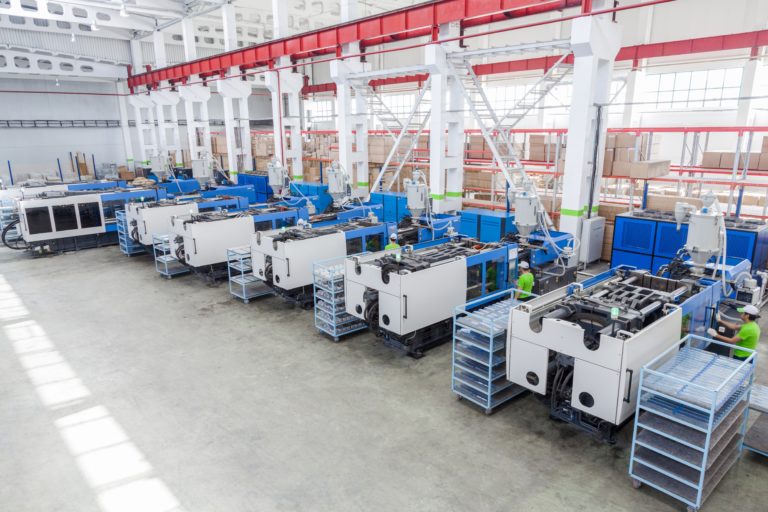
Technical specifications for plastic mechanical parts produced via 3/4/5-axis milling and turning operations require precision, material compatibility, and adherence to tight tolerance standards. These processes are optimized for complex geometries and high repeatability, particularly in prototyping and low-to-mid volume production environments.
The following table outlines key technical parameters relevant to both metallic and plastic materials commonly used in precision CNC manufacturing at Honyo Prototype, including Aluminum, Steel, ABS, and Nylon.
| Parameter | Description |
|---|---|
| Machining Processes | 3-axis, 4-axis, and 5-axis CNC milling; CNC turning (including mill-turning for complex geometries) |
| Tight Tolerance Capability | ±0.005 mm (±0.0002″) for critical dimensions; typical tolerances held at ±0.025 mm (±0.001″) |
| Surface Finish (Typical) | Ra 0.8–3.2 µm (32–125 µin); achievable down to Ra 0.4 µm with polishing or post-processing |
| Minimum Feature Size | 0.5 mm (0.020″) end mill capability; dependent on material and geometry |
| Max Work Envelope (Milling) | 1000 x 600 x 500 mm (39.4 x 23.6 x 19.7 in); varies by machine configuration |
| Max Turning Diameter | 300 mm (11.8 in); length up to 500 mm (19.7 in) |
| Spindle Speed (Milling) | Up to 24,000 RPM for high-precision plastic and aluminum machining |
| Positioning Accuracy | ±0.005 mm (±0.0002″) per axis |
| Repeatability | ±0.002 mm (±0.0001″) |
Material-Specific Considerations:
| Material | Machinability | Typical Applications | Notes |
|---|---|---|---|
| Aluminum (6061, 7075) | Excellent; high material removal rate, low cutting forces | Enclosures, brackets, heat sinks, aerospace components | Commonly used in hybrid assemblies with plastics; anodizing compatible |
| Steel (1018, 4140, Stainless 303/304) | Good to moderate; higher tool wear than aluminum | Shafts, fixtures, high-strength components | Requires rigid setups; not typical for pure plastic assemblies but used in mixed builds |
| ABS (Acrylonitrile Butadiene Styrene) | Excellent; low melting point, good dimensional stability | Prototypes, housings, consumer parts | Low thermal resistance; requires sharp tools and controlled feeds/speeds to avoid melting |
| Nylon (PA6, PA66, Glass-Filled) | Good; tough and abrasion-resistant but prone to deflection | Gears, bushings, wear components | Hygroscopic—requires pre-drying; glass-filled variants increase wear on cutting tools |
Tolerance & Quality Control:
All parts are inspected using calibrated CMM (Coordinate Measuring Machine), optical comparators, and micrometers to ensure conformance to GD&T callouts. First-article inspection reports (FAIR) and PPAP documentation available upon request.
Process Recommendations:
For hybrid designs combining plastic and metal components, we recommend separate machining with post-assembly alignment. 5-axis milling is preferred for complex plastic parts requiring undercuts or compound angles without part re-fixturing.
From CAD to Part: The Process
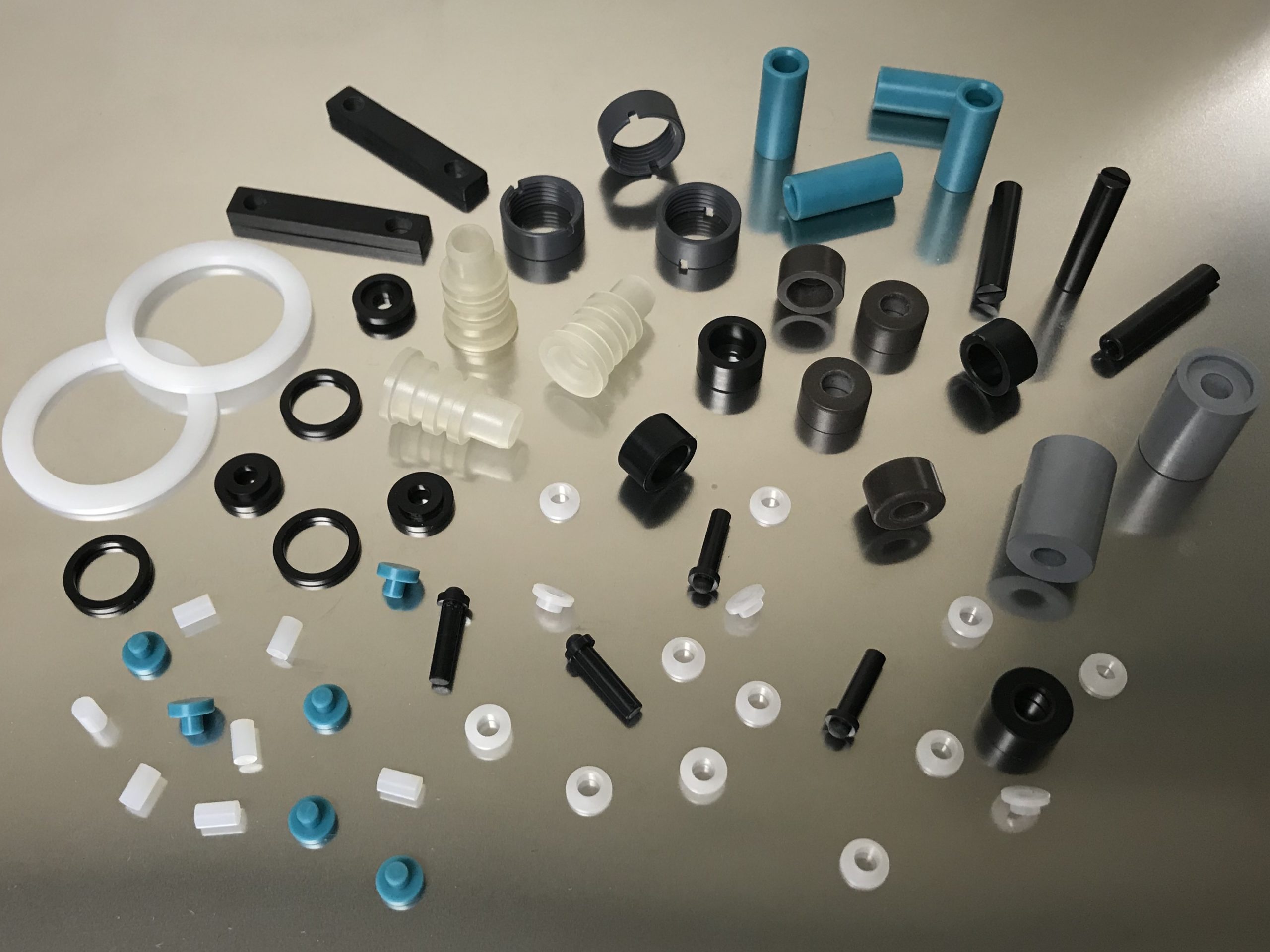
Honyo Prototype Plastic Mechanical Parts Manufacturing Process
Our end-to-end process for plastic mechanical parts is engineered for speed, precision, and cost transparency. This integrated workflow minimizes iteration cycles while ensuring manufacturability and performance compliance.
CAD Upload and Validation
Clients initiate the process by uploading native or neutral CAD files (STEP, IGES, Parasolid, or native formats like SLDPRT, IPT) via our secure portal. Automated validation checks geometry integrity, unit consistency, and file completeness within minutes. Invalid submissions trigger immediate feedback specifying required corrections, preventing downstream delays. All data is encrypted per ISO 27001 standards.
AI-Powered Quotation
Validated CAD models enter our proprietary AI quoting engine, which analyzes 150+ geometric and material parameters against real-time production cost databases. The system factors in material waste, machine time, secondary operations, and historical defect rates to generate a granular cost breakdown. Quotes include:
Material cost per kg (verified against current polymer market prices)
Estimated cycle time based on part volume and wall thickness
Secondary operation costs (e.g., tapping, inserts, surface finishing)
Tooling amortization for low-volume production
Quotes are typically delivered within 2 business hours. Complex geometries exceeding AI confidence thresholds trigger automatic escalation to senior process engineers for manual review.
Engineering-Driven DFM Analysis
Every project undergoes rigorous Design for Manufacturing (DFM) review by our plastics engineering team. This phase identifies and resolves critical manufacturability risks before tooling begins. Key focus areas include:
| DFM Parameter | Critical Thresholds | Resolution Method |
|---|---|---|
| Wall Thickness Variation | >25% deviation in adjacent sections | Redesign ribs/gussets; suggest local coring |
| Draft Angles | <1° on cores/cavities | Recommend minimum 1.5° draft; adjust parting lines |
| Undercuts | Non-removable features | Propose lifters/slides or split-part redesign |
| Gate Location Impact | Weld line in high-stress zones | Simulate flow paths; optimize gate position |
DFM reports include annotated 3D markups, tolerance stack-up analysis per ASME Y14.5, and material-specific recommendations (e.g., avoiding POM in high-moisture environments). Clients receive actionable suggestions with estimated cost/time impacts for each modification. Typical DFM completion: 1-3 business days.
Precision Production Execution
Approved designs move to production in our climate-controlled facility featuring:
All-electric injection molding presses (50-1000 tons) with ±0.01mm repeatability
Material drying systems maintaining -40°C dew point for hygroscopic resins
In-mold pressure and temperature sensors for real-time process validation
Secondary operations including ultrasonic welding, insert molding, and Class 10K cleanroom assembly
Each batch undergoes first-article inspection per PPAP Level 3 requirements, with CMM reports for critical dimensions. Statistical process control (SPC) monitors cavity balance and part weight variation throughout production runs. Material certifications (e.g., UL 94 V-0, FDA 21 CFR) accompany all shipments.
Quality-Controlled Delivery
Finished parts undergo final QA:
Dimensional verification against GD&T callouts
Visual inspection under ISO 105-A02 lighting standards
Functional testing for snap-fits, hinges, or sealing surfaces
Parts are vacuum-sealed with desiccant for moisture-sensitive polymers (e.g., PA66) and shipped in crush-resistant containers with shock indicators. Global logistics partners provide real-time tracking, with typical delivery windows of 7-15 days post-DFM approval. All projects include a digital quality dossier accessible via client portal.
This closed-loop process reduces non-recurring engineering costs by up to 40% versus traditional prototyping vendors while ensuring mechanical parts meet functional durability requirements from the first production run.
Start Your Project
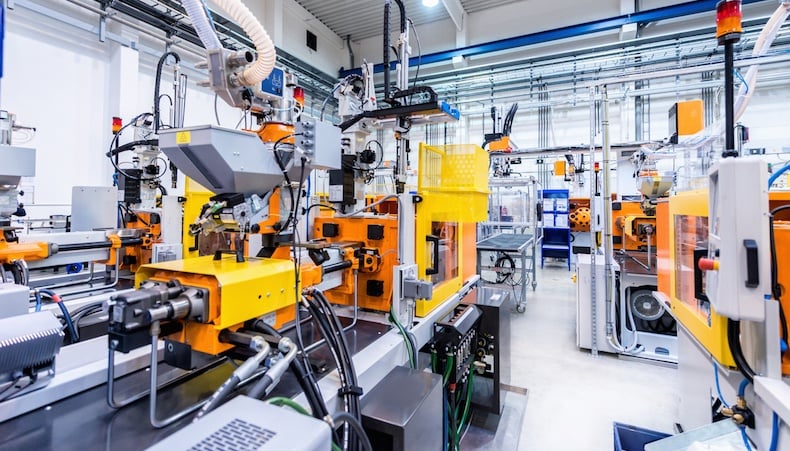
Looking for high-quality plastic mechanical parts manufactured to precise specifications? Honyo Prototype delivers reliable, precision-engineered components for demanding applications.
Our state-of-the-art facility in Shenzhen ensures tight tolerances, fast turnaround, and consistent quality for both prototypes and production volumes.
Contact Susan Leo today to discuss your project requirements.
Email: [email protected]
Leverage our expertise in plastic part manufacturing for superior performance and cost efficiency.
🚀 Rapid Prototyping Estimator
Estimate rough cost index based on volume.