
Contents
Manufacturing Insight: Plastic Flexible Sheet
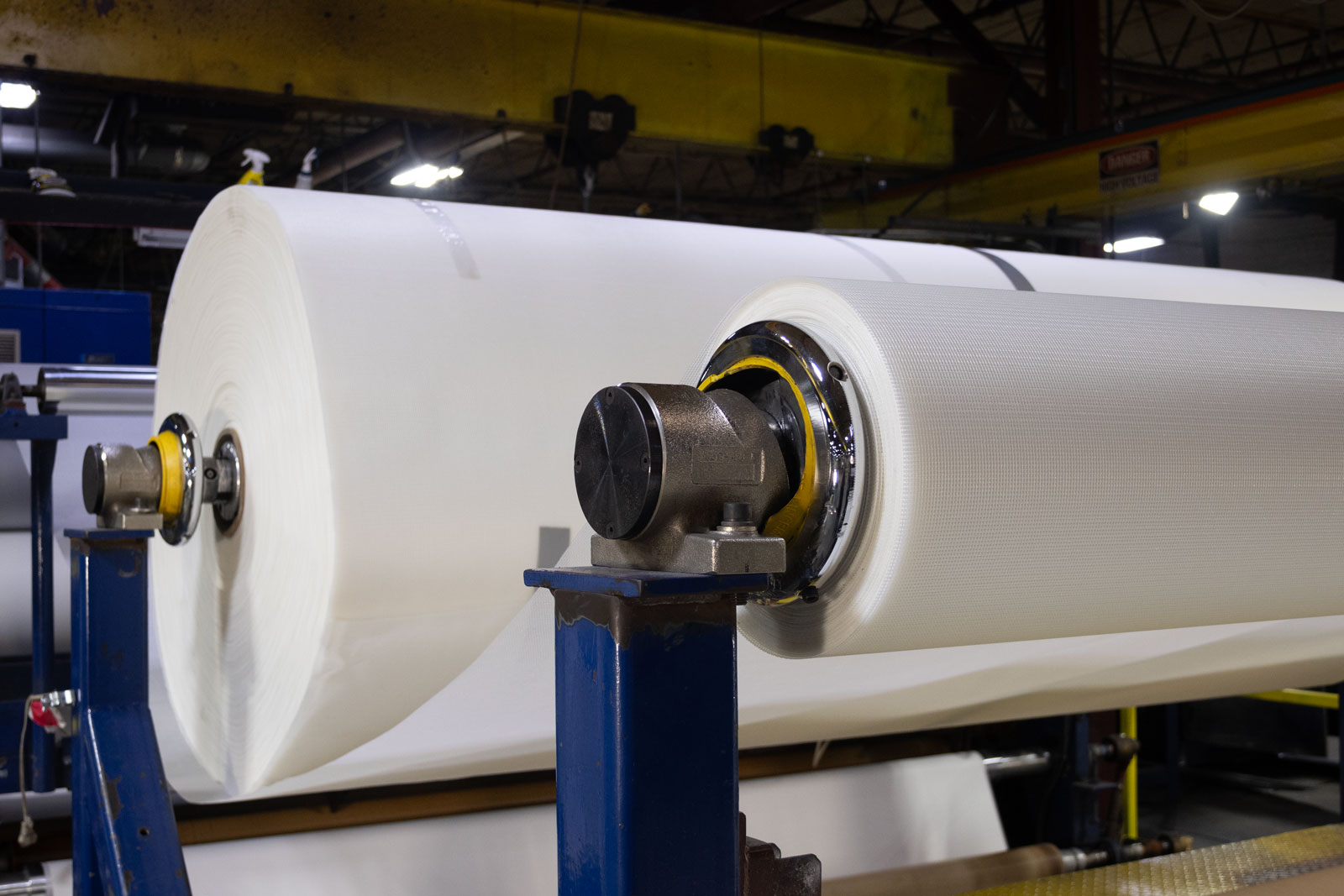
Introducing Precision Plastic Flexible Sheet Fabrication Within Honyo Prototype’s Comprehensive Sheet Metal Services
Honyo Prototype delivers exceptional manufacturing capabilities across diverse material platforms, extending our core expertise in precision sheet metal fabrication to encompass critical plastic flexible sheet solutions. While sheet metal remains a cornerstone of our production portfolio, we recognize that modern product development frequently demands the unique properties of materials like PVC, PETG, polycarbonate, and polyethylene films and sheets. These flexible plastics are essential for applications ranging from protective barriers and gaskets to custom enclosures and fluid handling components, where resilience, transparency, chemical resistance, or specific thermal characteristics are paramount.
Our integrated manufacturing approach ensures that whether your project requires laser-cut stainless steel housings or precisely formed plastic flexible sheet components, you benefit from the same rigorous engineering standards, advanced CNC machinery, and dedicated quality control processes. Honyo seamlessly transitions your designs from concept to functional prototype or low-volume production, managing material sourcing, cutting, bending, joining, and finishing for both metallic and non-metallic sheet formats under one roof. This vertical integration eliminates supply chain fragmentation, accelerates time-to-market, and guarantees consistent dimensional accuracy and material integrity across your entire assembly.
Leverage Honyo Prototype’s engineering partnership for your next project requiring plastic flexible sheet fabrication or traditional sheet metal work. Experience the efficiency of our Online Instant Quote system – submit your detailed CAD files and specifications 24/7 to receive a precise, transparent cost estimate within hours, not days. Begin your streamlined fabrication journey today.
Technical Capabilities
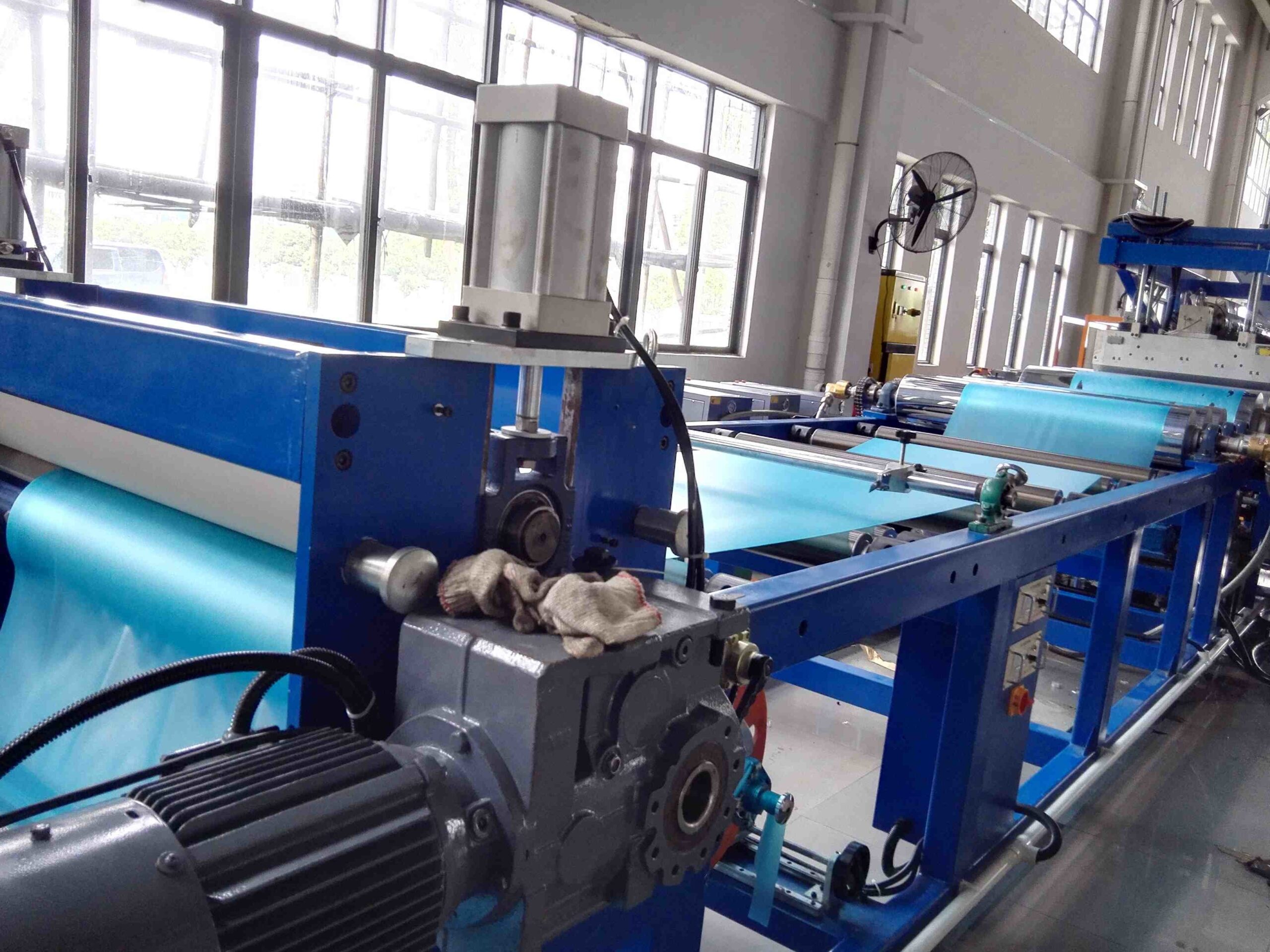
Technical Specifications for Plastic Flexible Sheet – Laser Cutting, Bending, and Welding
While the term “plastic flexible sheet” primarily refers to polymer-based materials, the requested materials include metals (Aluminum, Steel) and plastics (ABS, Nylon). Below is a comparative technical specification table focused on laser cutting, bending, and welding performance for each material in sheet form. Note that Aluminum and Steel are not plastics but are included for cross-material comparison as per request.
| Material | Thickness Range (mm) | Laser Cutting Compatibility | Bending Characteristics | Welding Method | Notes on Flexibility and Processing |
|---|---|---|---|---|---|
| ABS (Acrylonitrile Butadiene Styrene) | 0.5 – 10 | Excellent – clean cuts with CO₂ lasers; minimal charring with proper settings | Good flexibility and impact resistance; cold bending possible up to 90° for thin sheets (<3 mm); springback is low | Ultrasonic welding, hot plate, or solvent bonding; not suitable for traditional thermal welding | Thermoplastic with good formability; sensitive to UV and high temperatures; avoid high laser power to prevent melting or fumes |
| Nylon (Polyamide, PA6/PA66) | 0.5 – 12 | Good – requires controlled CO₂ laser parameters; prone to melting or edge browning if power is too high | High toughness and flexibility; can be bent repeatedly without cracking; exhibits some creep under load | Hot gas welding, ultrasonic, or vibration welding; difficult with standard methods due to low surface energy | Hygroscopic – must be dried before processing; excellent wear resistance; higher melting point than ABS |
| Aluminum (e.g., 5052, 3003) | 0.5 – 6 | Moderate – reflective surface requires fiber laser; high thermal conductivity demands precise control | Excellent ductility; easily bent with press brakes; minimum bend radius ~1× thickness | TIG, MIG, or laser welding; requires clean, oxide-free surfaces | Not a plastic; lightweight and corrosion-resistant; oxide layer must be removed pre-welding; highly reflective to CO₂ lasers |
| Steel (e.g., Mild Steel, 304 Stainless) | 0.5 – 10 | Good – fiber laser preferred for carbon and stainless steel; CO₂ lasers effective with assist gas | Ductile when thin; bend radius typically 1–2× thickness; springback must be compensated | MIG, TIG, spot welding, or laser welding; stainless requires shielding gas to prevent oxidation | Not a plastic; high strength and durability; prone to rust (carbon steel); higher power needed for cutting vs. plastics |
Processing Notes:
Laser cutting parameters (power, speed, frequency, assist gas) must be optimized per material and thickness. Plastics like ABS and Nylon require ventilation due to fume generation during laser processing.
Bending of plastic sheets benefits from heat-assisted forming for tight radii, while metals require tooling and springback compensation.
Welding of thermoplastics relies on localized melting via vibration or heated tools, whereas metals require fusion techniques with filler or shielding.
This comparison supports material selection for prototyping and low-volume production at Honyo Prototype, balancing process efficiency, mechanical performance, and manufacturability.
From CAD to Part: The Process
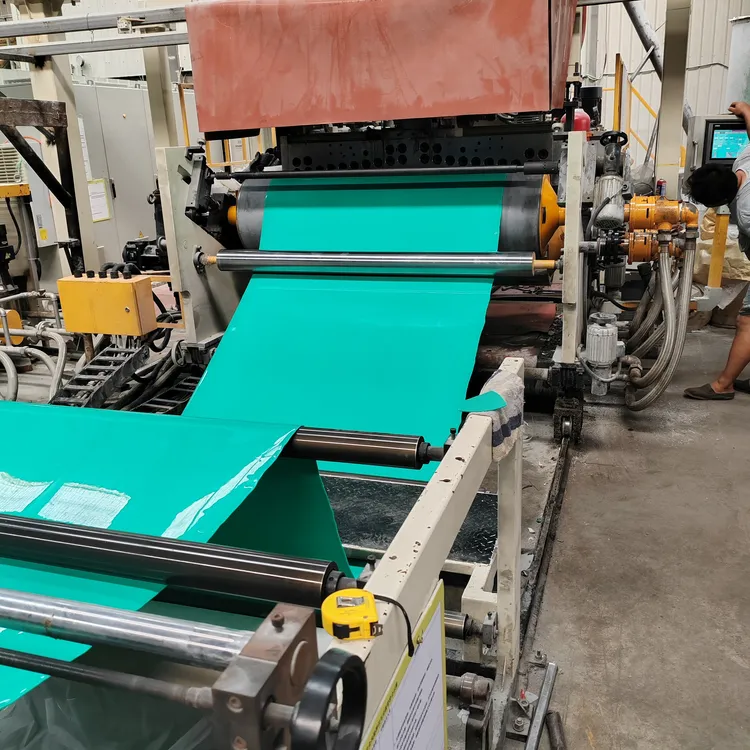
Honyo Prototype Plastic Flexible Sheet Manufacturing Process Overview
Honyo Prototype specializes in precision manufacturing of plastic flexible sheet components, primarily utilizing thermoforming and drape forming techniques for materials such as TPU, PVC, and PETG. Our end-to-end workflow ensures technical feasibility, cost efficiency, and rapid turnaround for low-to-mid volume prototypes and production runs. The process is structured as follows:
CAD Upload and Validation
Clients initiate the process by uploading native CAD files (STEP, IGES, or Parasolid formats) via our secure customer portal. Our system performs automated geometry validation, checking for critical parameters including minimum bend radii, uniform wall thickness (typically 0.5–3.0 mm for flexible sheets), and draft angles (≥3° recommended for release). Non-conforming files trigger immediate technical feedback, preventing downstream delays. All data undergoes ISO 27001-compliant encryption to protect intellectual property.
AI-Powered Quoting Engine
Validated CAD data feeds into our proprietary AI quoting system, which integrates material science algorithms and real-time shop floor metrics. The engine calculates costs based on: material density and roll width utilization, thermal cycle time per part, fixture complexity, and secondary operations (e.g., kiss cutting or adhesive lamination). Quotes include granular cost drivers—such as material waste percentage and machine hourly rates—and are generated within 2 business hours. Unlike generic quoting tools, our AI references Honyo’s historical production data for flexible sheet-specific accuracy, reducing quote variance to <5%.
Design for Manufacturability (DFM) Analysis
Engineers conduct a rigorous DFM review focused on flexible sheet constraints. Key checks include:
Stress concentration analysis at bend points to prevent cracking during forming
Warpage prediction for thin-gauge sheets (<1.0 mm) using thermal contraction coefficients
Feasibility of tight tolerances (±0.3 mm achievable; ±0.1 mm requires annealing)
Compatibility of specified material with forming temperatures (e.g., TPU requires 140–180°C vs. PVC at 120–160°C)
Clients receive a detailed DFM report with actionable recommendations, such as adjusting corner radii or suggesting alternative materials. This phase typically reduces production iterations by 70% and avoids non-recurring engineering costs.
Production Execution
Approved designs move to production using Honyo’s climate-controlled thermoforming cells. The sequence includes:
1. Material pre-conditioning to stabilize moisture content (critical for hygroscopic polymers like TPU)
2. Precision heating with infrared controllers maintaining ±5°C tolerance across the sheet
3. Vacuum/drape forming with custom tooling to achieve complex contours without thinning
4. In-line trimming and optional secondary operations (e.g., ultrasonic welding or screen printing)
All flexible sheet runs undergo 100% visual inspection for surface defects and dimensional verification via CMM at critical datums. Statistical process control (SPC) monitors key parameters like tensile modulus retention post-forming.
Quality-Controlled Delivery
Final parts are packaged in anti-static, humidity-buffered containers to prevent deformation during transit. Each shipment includes:
First-article inspection report with geometric dimensioning and tolerancing (GD&T) data
Material traceability certificates (including lot-specific durometer and elongation values)
Flatness validation per ASTM D3045 (typically ≤1.5 mm deviation over 300 mm span)
Standard lead time is 7–10 business days from DFM sign-off, with expedited options available. Real-time logistics tracking is provided via the client portal.
Material Performance Reference
The following table outlines common flexible sheet materials processed at Honyo with key properties:
| Material | Typical Thickness Range (mm) | Shore Hardness Range | Key Applications |
|---|---|---|---|
| TPU | 0.5–3.0 | 70A–95A | Medical device housings, wearable tech seals |
| PVC | 0.8–2.5 | 60A–90A | Packaging blisters, protective covers |
| PETG | 1.0–3.0 | 70D–80D | Display graphics, non-critical structural elements |
This integrated workflow ensures Honyo delivers dimensionally stable, functionally validated flexible sheet components while maintaining strict adherence to client specifications and industry standards. Our process eliminates guesswork through data-driven validation at every phase, directly translating to reduced time-to-market for engineering teams.
Start Your Project
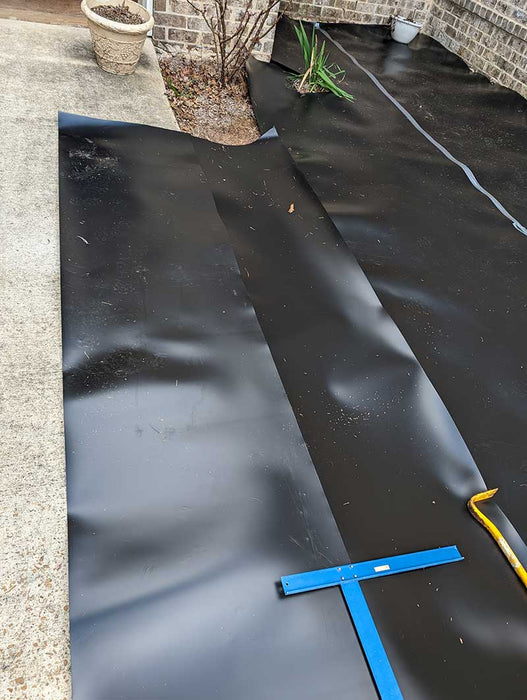
Looking for high-quality plastic flexible sheets for your next project? Contact Susan Leo today at [email protected] to discuss your requirements and receive expert support from our engineering team.
Our manufacturing facility is located in Shenzhen, ensuring fast production cycles, strict quality control, and reliable delivery for both prototypes and volume orders. As a trusted partner in precision plastic fabrication, Honyo Prototype delivers tailored solutions with responsive service.
Reach out now to request samples, technical specifications, or a quotation. Let us help you bring your design to life with superior materials and manufacturing expertise.
Contact:
Susan Leo
Email: [email protected]
Factory Location: Shenzhen, China
🚀 Rapid Prototyping Estimator
Estimate rough cost index based on volume.