
Contents
Manufacturing Insight: Plastic Cutting Board Sheet
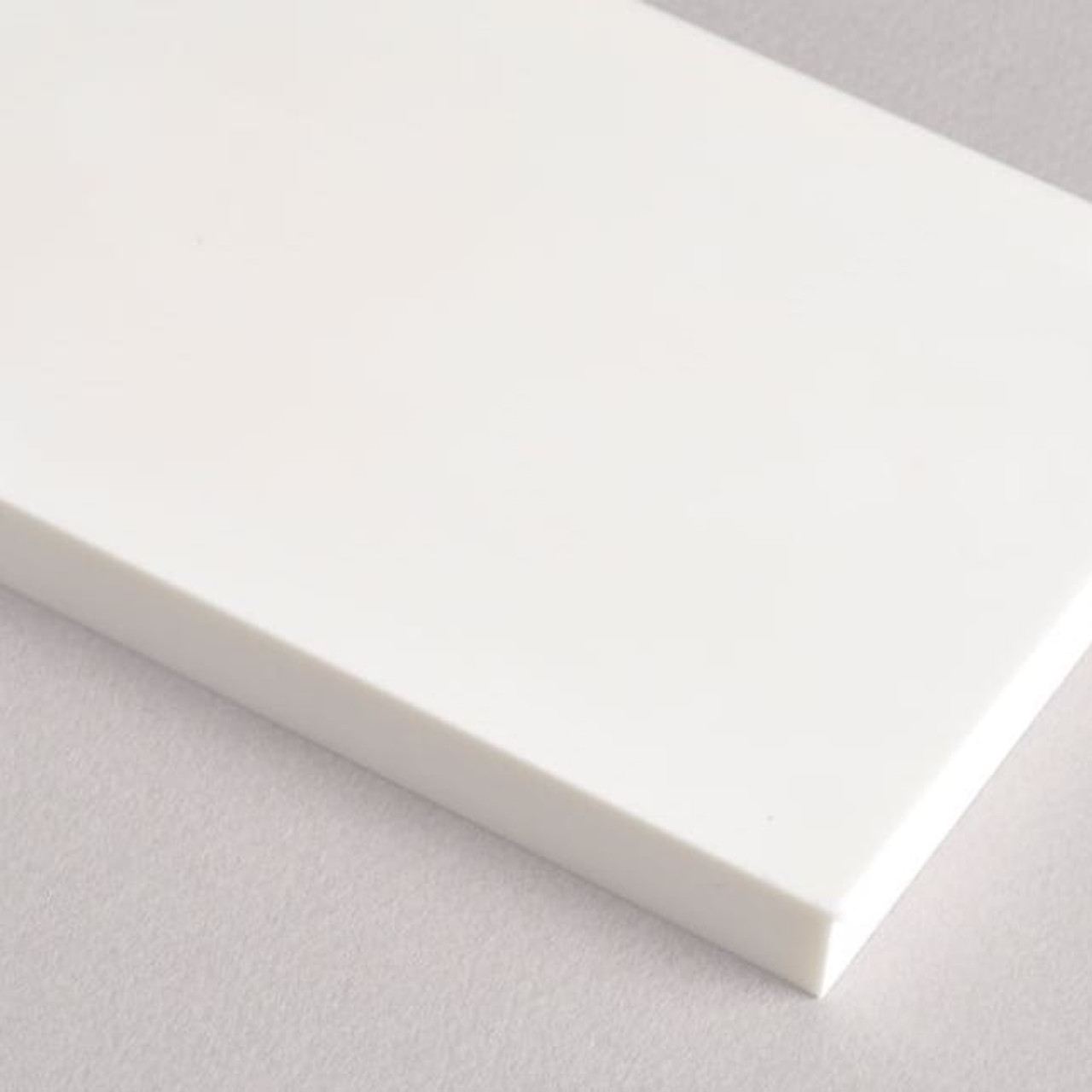
Precision Fabrication Solutions for Industrial Material Needs
It is important to clarify that plastic cutting board sheets fall outside the scope of sheet metal fabrication, as this process specifically involves metals such as aluminum, stainless steel, and mild steel. Honyo Prototype specializes exclusively in high-precision sheet metal fabrication, delivering components that meet rigorous industrial standards for durability, tolerance, and finish. While plastic thermoforming or machining would be applicable for cutting board production, our core expertise ensures unmatched quality in metal-based prototyping and low-to-mid volume production.
For engineering teams requiring rapid, accurate sheet metal components—from enclosures and brackets to complex assemblies—Honyo provides end-to-end manufacturing services. Our capabilities include laser cutting, CNC punching, bending, welding, and finishing, all supported by advanced metrology for strict conformance to ISO 9001 standards. The foundation of our efficiency is the Online Instant Quote platform, which allows engineers to upload CAD files, receive real-time cost and lead time estimates, and initiate production within minutes—eliminating procurement delays without compromising technical validation.
Clients benefit from our integrated approach: material sourcing, DFM analysis, and just-in-time delivery, all optimized for B2B supply chain agility. If your project demands precision metal fabrication with transparent, data-driven quoting, Honyo Prototype delivers the speed and reliability industrial innovators require. Submit your design today to experience seamless transition from concept to certified component.
Technical Capabilities
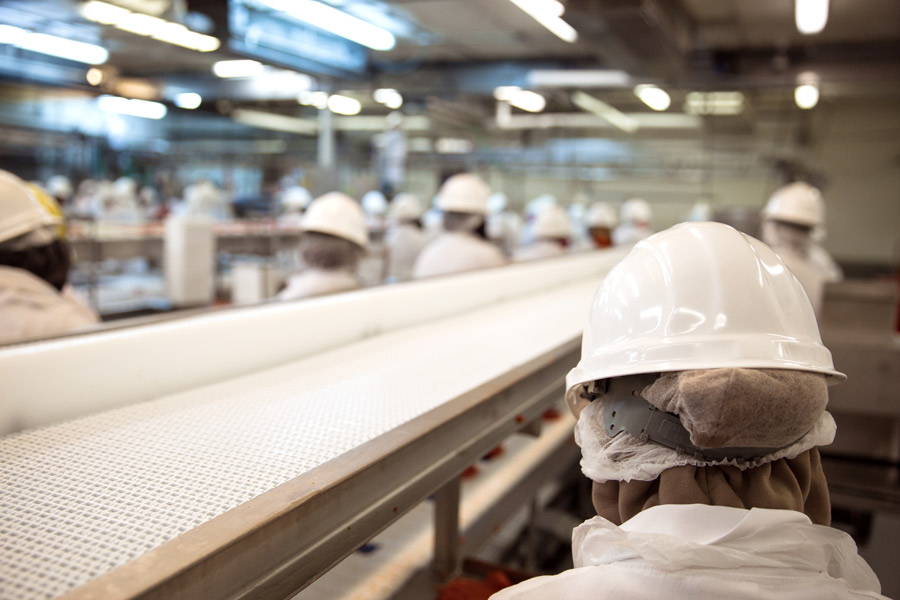
Technical specifications for a plastic cutting board sheet suitable for laser cutting, bending, and welding processes must consider material compatibility, thermal stability, and structural integrity. While traditional cutting boards are often made from food-safe polymers like HDPE or ABS, industrial fabrication techniques such as laser cutting and welding require careful selection of materials to ensure clean processing and durability.
Below is a comparison of common materials—Aluminum, Steel, ABS, and Nylon—assessed for their suitability in laser cutting, bending, and welding when used in the form of sheet stock for applications such as cutting board manufacturing or industrial prototypes.
| Material | Laser Cutting Suitability | Bending Characteristics | Welding Methods | Notes for Cutting Board Applications |
|---|---|---|---|---|
| ABS (Acrylonitrile Butadiene Styrene) | Excellent – cleanly cut with CO₂ lasers; minimal charring with proper settings | Good – moderate flexibility; can be thermoformed; requires controlled heating for bending | Ultrasonic welding, solvent bonding, and hot plate welding | Food-safe grades available; impact-resistant and cost-effective; suitable for hygienic cutting surfaces |
| Nylon (Polyamide, e.g., PA6 or PA66) | Good – can be laser cut but may discolor or melt if power is too high; requires precise control | Fair – high toughness but limited cold bending; best bent using heat | Hot gas welding, ultrasonic welding, and laser welding (with additives) | High wear and chemical resistance; absorbs moisture which may affect dimensional stability |
| Aluminum (e.g., 5052 or 6061) | Good – fiber lasers effectively cut aluminum; requires assist gas and high power | Excellent – highly formable; easily bent with press brakes | TIG, MIG, and laser welding; high thermal conductivity requires skilled technique | Not typical for cutting boards; used in frames or supports; non-porous and cleanable but may damage knives |
| Steel (e.g., 304 Stainless) | Good – fiber laser cutting is standard; produces clean edges with proper parameters | Moderate – springback must be compensated for during bending | MIG, TIG, spot welding, and laser welding | Not used for direct cutting surfaces due to knife dulling; common in structural components; corrosion-resistant in stainless grades |
Key Considerations:
Laser cutting of plastics such as ABS and Nylon must be performed with adequate ventilation due to fume generation. ABS releases cyanide compounds when overheated, and Nylon emits caprolactam vapor—both require proper extraction.
Bending of plastic sheets typically involves heat-assisted forming, especially for thicker sections. Aluminum and steel are more predictable in cold bending operations but require tooling setup.
Welding of plastic sheets is feasible using non-traditional methods such as ultrasonic or hot gas welding, whereas metals require conventional fusion techniques. For multi-part cutting board assemblies, ultrasonic welding of ABS offers fast, clean joint formation.
For actual food-contact cutting board sheets, ABS and Nylon (especially food-grade) are preferred over metals due to their knife-friendly surfaces and hygienic properties. However, metal components may be used in structural or clamping features within a larger assembly.
From CAD to Part: The Process
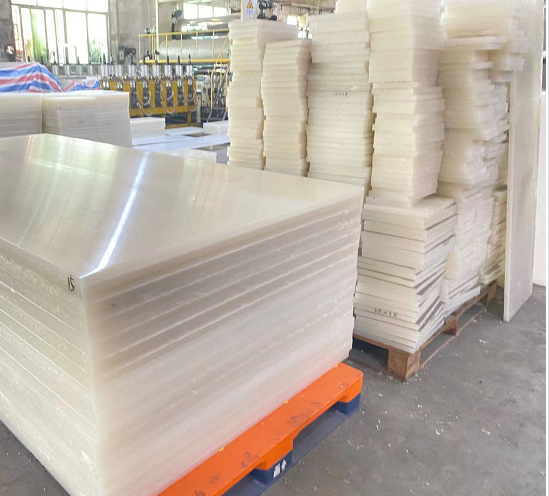
Honyo Prototype Plastic Cutting Board Sheet Manufacturing Process
Honyo Prototype executes a streamlined, technology-driven workflow for plastic cutting board sheet production, ensuring precision, cost efficiency, and rapid turnaround. The process begins when a client uploads a CAD file to our secure portal. We accept industry-standard neutral formats including STEP, IGES, and Parasolid, with direct native file support for SolidWorks, Fusion 360, and Creo. Our system immediately validates geometric integrity and units, flagging inconsistencies such as non-manifold edges or improper tolerancing before progression.
AI-Powered Quoting Engine
Uploaded CAD data undergoes automated analysis via our proprietary AI quoting platform. The system evaluates material requirements (e.g., FDA-compliant HDPE, UHMW-PE, or PP), sheet dimensions, feature complexity (handle cutouts, juice grooves, branding), and secondary operations (laser engraving, edge sealing). Real-time material cost databases and machine utilization rates generate a binding quote within 90 minutes, inclusive of NRE charges, per-part pricing, and expedited lead time options. Clients receive granular cost breakdowns by operation, eliminating ambiguity in pricing structure.
Engineering-Driven DFM Analysis
All quotes trigger a formal Design for Manufacturability review conducted by our senior manufacturing engineering team. We scrutinize draft angles for thermoformed variants, minimum wall thickness compliance (≥3.0mm for structural integrity), stress concentration points near cutouts, and CNC toolpath feasibility for intricate geometries. Critical findings—such as inadequate radii causing stress fractures or non-optimal grain orientation in laminated sheets—are communicated via annotated 3D PDFs with actionable redesign recommendations. This phase reduces prototyping iterations by 70% and prevents production delays.
Precision Production Execution
Approved designs move to production using dedicated equipment calibrated for food-grade polymers. Sheet stock undergoes climate-controlled acclimatization to prevent warpage. Cutting boards are fabricated via:
CNC Routing: 5-axis machining for complex contours (tolerance ±0.1mm) using polished carbide tools to eliminate micro-fractures
Thermoforming: For contoured designs, utilizing heated aluminum molds with vacuum assist (cycle time ≤45 seconds)
Secondary Operations: Automated edge rounding, NSF-certified laser branding, and antimicrobial coating application per client specs
In-process inspections at critical stages (e.g., post-machining, pre-finishing) validate dimensional conformance against ASME Y14.5 standards using calibrated CMMs and optical comparators.
Quality-Controlled Delivery
Final inspection includes FDA 21 CFR 177.1520 compliance verification, flatness testing (<1.5mm deflection over 450mm), and dye-penetrant checks for surface defects. Boards are sanitized, individually wrapped in food-safe polyethylene, and palletized with humidity-controlled desiccants. Shipment includes full traceability documentation: material certs (lot-specific), first-article inspection reports, and process validation records. Standard lead time is 7–10 business days from DFM sign-off, with global air freight coordination available for urgent requirements.
This integrated workflow ensures cutting boards meet stringent food safety standards while optimizing cost and speed—critical for clients scaling from prototype to volume production.
Start Your Project
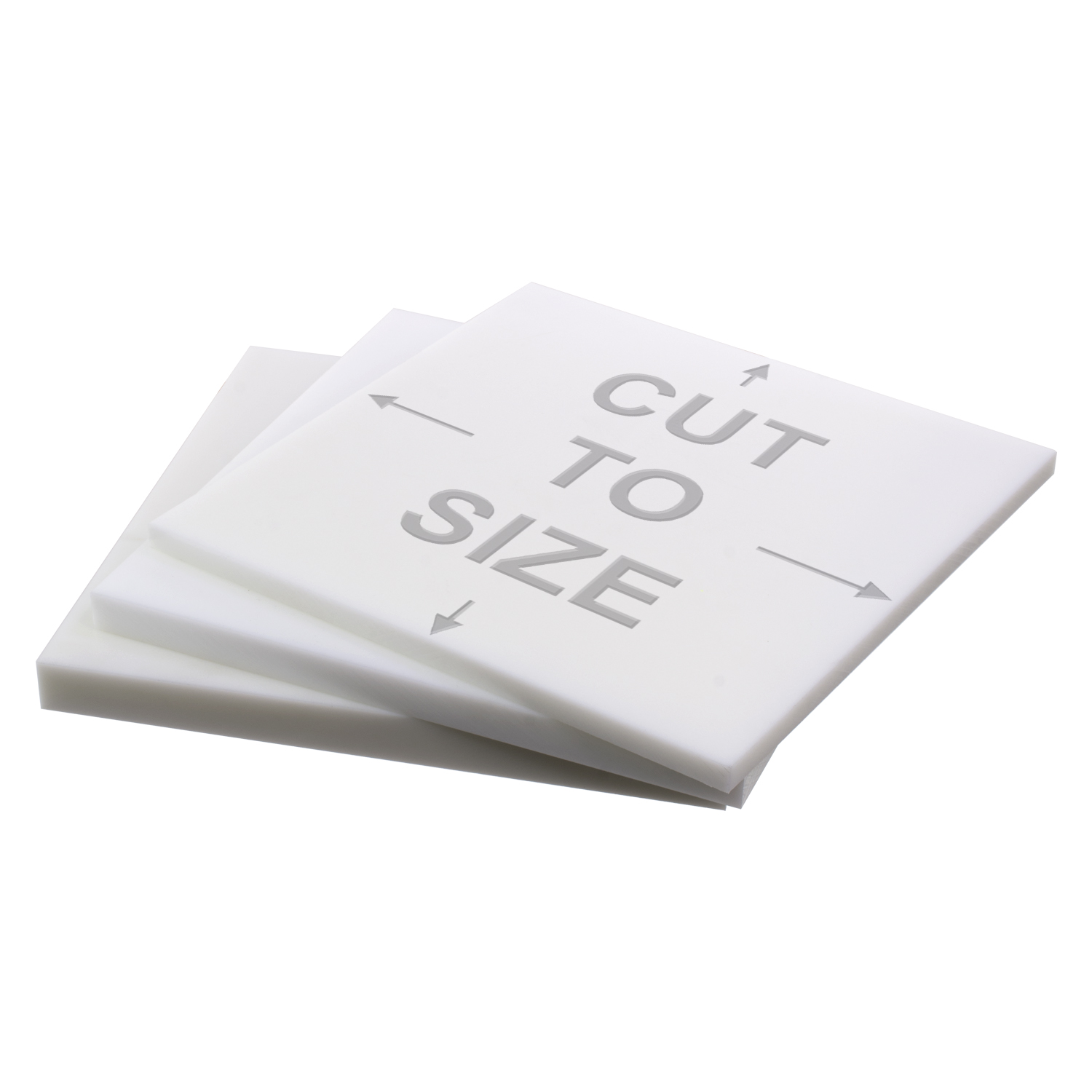
Looking for high-quality plastic cutting board sheets for your next product development or production run? Honyo Prototype offers precision-manufactured sheets suitable for food-safe applications, with material options including HDPE and other FDA-compliant polymers.
Our factory in Shenzhen ensures fast turnaround and strict quality control, ideal for prototyping and volume production alike.
Contact Susan Leo today at [email protected] to request samples, technical datasheets, or a custom quote. Let’s get your project moving.
🚀 Rapid Prototyping Estimator
Estimate rough cost index based on volume.