
Contents
Manufacturing Insight: Peek Extrusion
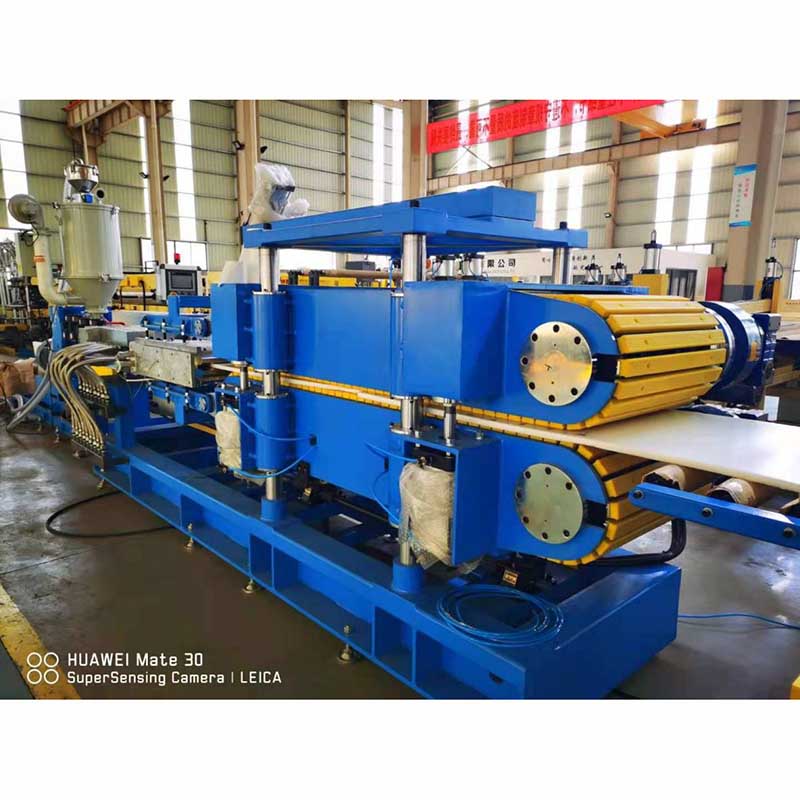
Precision PEEK Component Manufacturing: Where Extruded Stock Meets CNC Excellence
PEEK (Polyether Ether Ketone) remains the material of choice for mission-critical applications in aerospace, medical implants, and semiconductor manufacturing due to its exceptional thermal stability, chemical resistance, and mechanical strength. However, transforming extruded PEEK stock into high-integrity components demands far more than standard machining processes. The inherent challenges of machining this high-performance polymer—including thermal management, chip control, and micron-level tolerance requirements—necessitate specialized expertise and advanced CNC capabilities to avoid part failure in extreme operational environments.
At Honyo Prototype, our CNC machining services are engineered specifically for demanding polymers like PEEK. We leverage 5-axis milling, tight-tolerance turning, and in-process metrology to machine extruded PEEK billet into precision components with consistent repeatability down to ±0.0005 inches. Our protocols address PEEK’s unique thermal expansion characteristics through controlled cutting parameters, dedicated toolpaths, and stress-relieved fixturing—ensuring dimensional accuracy and surface integrity that meet ISO 13485 and AS9100 standards. This eliminates the risk of delamination, burring, or residual stress that compromises performance in sterilized or high-load scenarios.
Accelerate your PEEK prototyping and production timelines with Honyo’s Online Instant Quote platform. Upload your STEP or IGES file to receive a detailed manufacturability analysis and competitive pricing within minutes—not days—validating design feasibility before formal RFQ submission. This integration of material science expertise, certified CNC machining, and digital quoting efficiency ensures your PEEK components achieve both technical excellence and project velocity.
Technical Capabilities
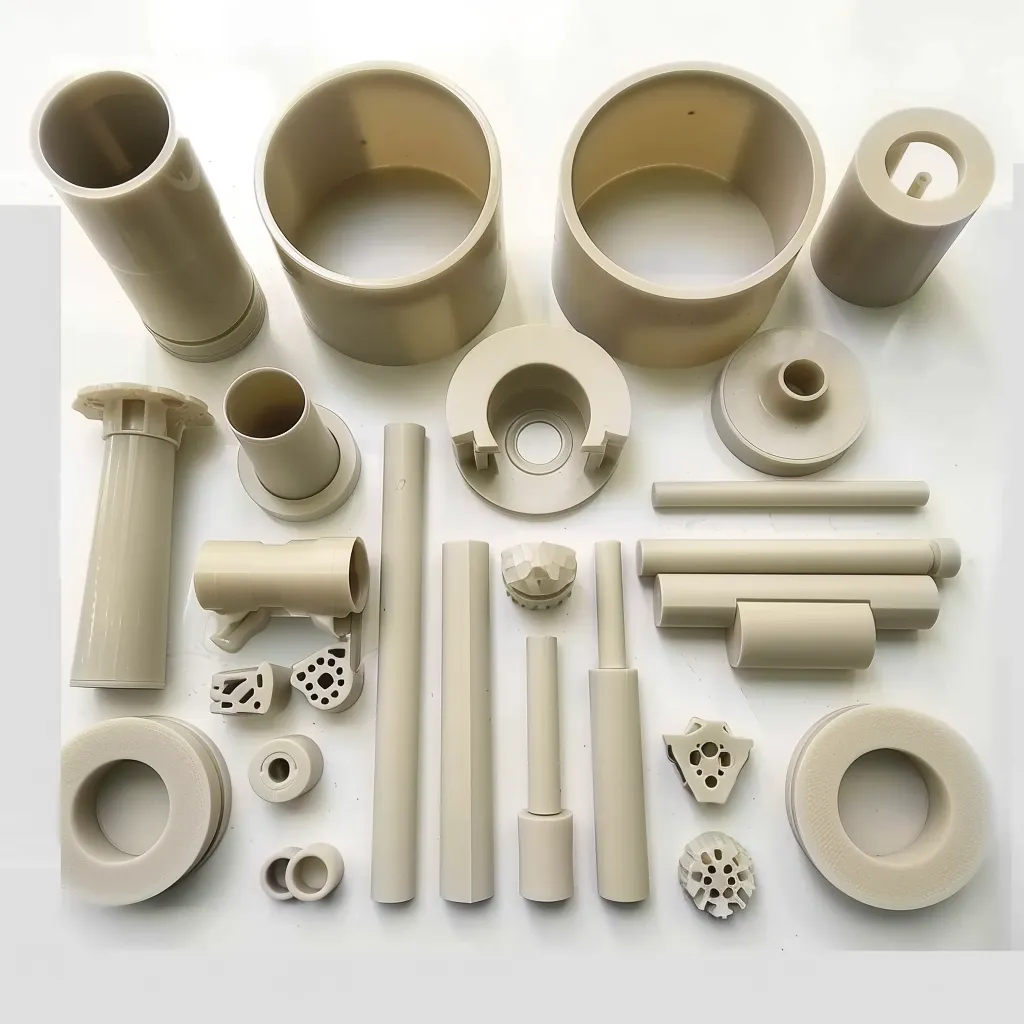
The term “PEEK extrusion” refers to a manufacturing process involving the thermoplastic polyetheretherketone (PEEK), which is extruded into profiles, rods, or tubes for subsequent machining. However, PEEK extrusion itself is not a machining process. Instead, machined PEEK components—often derived from extruded stock material—are commonly fabricated using advanced subtractive methods such as 3/4/5-axis milling and precision turning to achieve tight tolerances.
Below is a technical overview of the machining capabilities and material compatibility when working with extruded PEEK stock and other common engineering materials, focusing on multi-axis milling, turning, and tight-tolerance requirements.
| Parameter | 3-Axis Milling | 4-Axis Milling | 5-Axis Milling | Precision Turning |
|---|---|---|---|---|
| Typical Tolerance Range | ±0.005 mm to ±0.025 mm | ±0.005 mm to ±0.025 mm | ±0.005 mm to ±0.010 mm | ±0.005 mm to ±0.015 mm |
| Surface Finish (Ra) | 0.8 – 3.2 µm | 0.8 – 2.5 µm | 0.4 – 1.6 µm | 0.4 – 1.6 µm |
| Max Work Envelope (Typical) | 1000 x 600 x 500 mm | 800 x 500 x 400 mm + rotary axis | 600 x 400 x 300 mm + dual rotary | Ø500 mm x 750 mm length |
| Spindle Speed Range | 8,000 – 24,000 RPM | 8,000 – 20,000 RPM | 10,000 – 30,000 RPM | 3,000 – 12,000 RPM (varies by part) |
| Tooling Compatibility | Carbide, PCD, Diamond-coated | Carbide, PCD | Carbide, Diamond-coated | Carbide inserts, CBN, PCD |
| Coolant/Lubrication | Air blast, mist, or minimal oil | Mist or air cooling | Mist or air cooling | Oil-based or synthetic coolant |
Material Compatibility and Machining Notes:
Aluminum (e.g., 6061, 7075):
Highly machinable on all platforms. Allows high feed rates and excellent surface finishes. Minimal tool wear. Ideal for tight-tolerance aerospace and structural components.
Steel (e.g., 4140, 17-4 PH):
Requires robust tooling and lower cutting speeds. 4/5-axis platforms preferred for complex geometries. Turning achieves high precision in shafts and fittings. Tight tolerances maintained with thermal stability controls.
ABS (Acrylonitrile Butadiene Styrene):
Easily machined with sharp tools to prevent melting. Low melting point requires air cooling. Suitable for prototypes and non-structural parts. Tolerances up to ±0.025 mm achievable.
Nylon (Polyamide, e.g., PA6, PA66):
Slight moisture absorption affects dimensional stability. Machining requires dry stock and sharp cutting edges. Used in wear-resistant components. Tight tolerances possible with environmental control.
PEEK (Extruded Stock Material):
Machined from extruded rod or tube forms. Requires rigid setups and sharp, wear-resistant tools (e.g., carbide or diamond-coated). Low thermal conductivity necessitates effective chip removal. Achieves tight tolerances (±0.010 mm) on 5-axis systems. Common in medical, aerospace, and semiconductor applications.
All processes are optimized using CNC controls with thermal compensation, in-process probing, and post-machining CMM verification to ensure metrological compliance at tight tolerance levels.
From CAD to Part: The Process
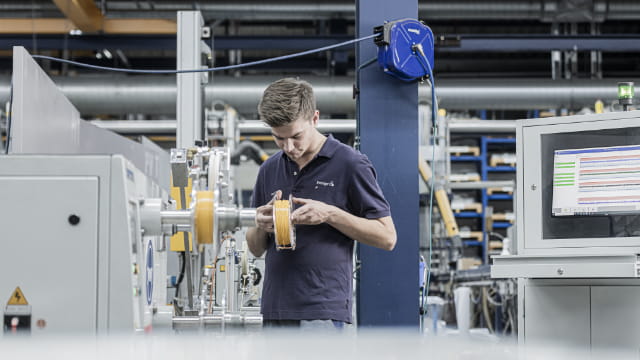
Honyo Prototype PEEK Extrusion Process Overview
Honyo Prototype executes precision PEEK extrusion through a rigorously controlled five-stage workflow, engineered for high-performance thermoplastic components requiring exceptional thermal stability, chemical resistance, and mechanical strength. This process is validated to ISO 9001 standards with material traceability to ASTM D6262.
Stage 1: CAD Upload and Material Specification
Clients submit 3D CAD models (STEP/IGES formats) via our secure portal, specifying PEEK grade (e.g., Victrex 450G, Ketaspire KT-880), color, and critical dimensions. Our system auto-verifies geometric integrity and flags unsupported features. Material certification requirements (e.g., USP Class VI, ASTM F2026) must be declared at this stage to align with downstream processing.
Stage 2: AI-Powered Quoting and Feasibility Assessment
Proprietary AI analyzes the CAD geometry against PEEK-specific extrusion constraints, including minimum wall thickness (0.5mm baseline), draw ratios, and thermal expansion coefficients. The algorithm cross-references real-time resin pricing, machine availability, and historical yield data to generate a binding quote within 2 business hours. Key outputs include:
Predicted warpage tolerance bands based on cross-sectional complexity
Cost drivers for annealing cycles or secondary machining
Lead time projection incorporating crystallization control periods
Stage 3: DFM Optimization for PEEK Extrusion
Engineers conduct a mandatory Design for Manufacturing review focused on PEEK’s unique processing challenges:
Die swell compensation (typically 3-5% for unfilled PEEK at 380-400°C)
Crystallization rate management via controlled cooling profiles
Stress concentration mitigation at sharp transitions
The DFM report provides actionable revisions such as adjusting radii (min. 0.8mm) or uniformizing wall sections. Clients receive annotated CAD markups with tolerance justification per ISO 20457 for extruded thermoplastics.
Stage 4: Precision Production Execution
Extrusion occurs in climate-controlled cleanrooms (Class 10,000) using stainless steel tooling with nitrogen-purged barrels to prevent oxidation. Critical process parameters include:
| Parameter | PEEK Standard Range | Honyo Control Tolerance |
|---|---|---|
| Barrel Temperature | 380-400°C | ±2.5°C |
| Die Temperature | 390-410°C | ±3.0°C |
| Line Speed | 0.8-1.2 m/min | ±0.05 m/min |
| Cooling Rate | 5-8°C/sec | ±0.5°C/sec |
All batches undergo mandatory post-extrusion annealing per the table below to optimize crystallinity and dimensional stability:
| Wall Thickness (mm) | Annealing Temp (°C) | Soak Time (hrs) | Cooling Rate (°C/hr) |
|---|---|---|---|
| < 3.0 | 280 | 2.0 | 25 |
| 3.0 – 6.0 | 290 | 3.5 | 15 |
| > 6.0 | 300 | 5.0 | 10 |
In-process verification includes laser micrometry of critical dimensions at 30-minute intervals and DSC testing for crystallinity verification (target 30-35%).
Stage 5: Validation and Delivery
Final inspection documents include:
Full material traceability from resin lot to finished part
Dimensional report with CMM data against ASME Y14.5
Crystallinity verification via DSC thermograms
Batch-specific annealing cycle logs
Parts are vacuum-sealed with desiccant in ESD-safe packaging. Delivery includes all certification dossiers via encrypted cloud link, with physical shipment via temperature-monitored logistics partners. Typical lead time from CAD approval to delivery is 12-15 business days for standard profiles.
Start Your Project
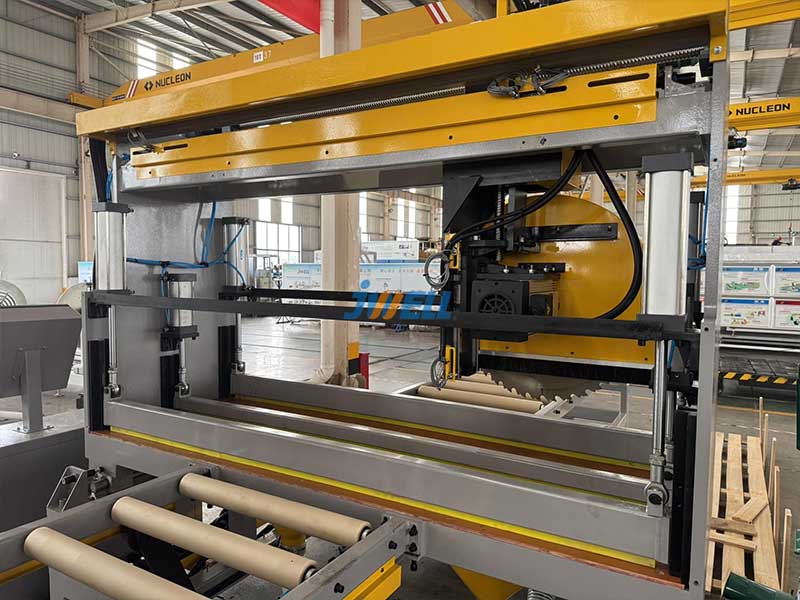
Interested in precision peek extrusion services? Contact Susan Leo at [email protected] to discuss your project requirements. With our advanced manufacturing capabilities and quality control, we deliver high-performance thermoplastic components for demanding applications. Our factory, located in Shenzhen, ensures fast turnaround and scalable production to meet your needs. Reach out today to request a quote or technical consultation.
🚀 Rapid Prototyping Estimator
Estimate rough cost index based on volume.