
Contents
Manufacturing Insight: Pe Plastic Sheets
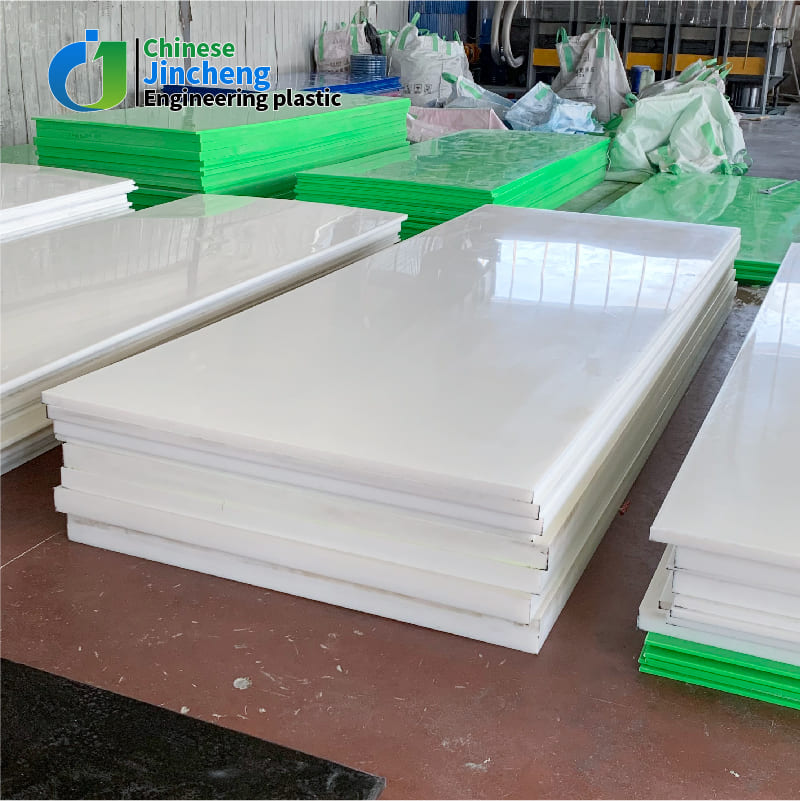
Precision PE Plastic Sheet Fabrication Solutions from Honyo Prototype
Honyo Prototype delivers engineered fabrication solutions for polyethylene (PE) plastic sheets, supporting demanding industrial applications where chemical resistance, impact strength, and lightweight properties are critical. Our advanced CNC routing, laser cutting, and thermoforming capabilities ensure tight tolerances and repeatable quality for PE sheets across densities including HDPE and LDPE. Whether prototyping fluid handling components, chemical containment liners, or wear-resistant machinery parts, we optimize material utilization and surface finish to meet functional specifications without compromising structural integrity.
While PE plastic sheet fabrication addresses non-metallic requirements, Honyo’s integrated Sheet Metal Fabrication services provide seamless scalability for hybrid assemblies. Our precision metalworking portfolio—including laser cutting, CNC bending, and robotic welding for stainless steel, aluminum, and specialty alloys—ensures cohesive production of multi-material systems. This dual-material expertise eliminates supply chain fragmentation, accelerating time-to-market for complex enclosures, brackets, and structural subassemblies requiring both polymer and metal elements.
Accelerate your project timeline with Honyo’s Online Instant Quote platform. Upload CAD files for PE sheets or sheet metal components to receive detailed, binding quotes within hours—not days—including material cost breakdowns, lead time projections, and DFM feedback. Our system validates geometries against fabrication constraints in real time, ensuring manufacturability while reducing quoting errors by 70% compared to manual processes.
For mission-critical PE plastic sheet fabrication backed by full-spectrum metalworking capabilities, Honyo Prototype combines material science expertise with digital procurement efficiency. Partner with us to transform design concepts into validated production-ready components through a single, responsive engineering interface.
Technical Capabilities
The term “PE plastic sheets” refers to sheets made from polyethylene, a thermoplastic polymer widely used in industrial and prototyping applications. Polyethylene is available in multiple grades—such as HDPE (High-Density Polyethylene) and LDPE (Low-Density Polyethylene)—each with distinct mechanical and thermal properties. Below are the technical specifications relevant to laser cutting, bending, and welding processes. For comparative context, materials such as aluminum, steel, ABS, and nylon are also included.
| Material | Laser Cutting Compatibility | Bending Characteristics | Welding Method | Thermal Resistance (°C) | Tensile Strength (MPa) | Notes |
|---|---|---|---|---|---|---|
| PE (Polyethylene) | Moderate – requires CO₂ laser; may produce soot and poor edge quality; not ideal due to low melting point and flammability | Good – high ductility allows cold bending with large radii; prone to creep under sustained load | Hot gas welding, extrusion welding, or friction welding; not suitable for ultrasonic or solvent welding | 80–120 (HDPE), 60–80 (LDPE) | 20–30 (HDPE), 10–20 (LDPE) | Non-polar surface requires surface treatment for bonding; excellent chemical resistance |
| Aluminum | Excellent – fiber laser recommended; clean, precise cuts | Good – can be bent with tooling; minimum bend radius depends on alloy and thickness | TIG, MIG, or laser welding; requires clean surface and heat control | 200–400 (depending on alloy) | 70–570 | Reflective surface; high thermal conductivity requires adjusted laser parameters |
| Steel (Mild) | Excellent – fiber or CO₂ laser; clean cuts with assist gas | Good – bendable with press brake; springback must be compensated | MIG, TIG, resistance, or laser welding | 400–500 | 370–500 | Prone to oxidation; often coated or painted post-processing |
| ABS | Good – CO₂ laser cuts cleanly; minimal charring if parameters optimized | Excellent – easily thermoformed and bent with heat; low springback | Ultrasonic, hot plate, or solvent welding | 80–100 | 35–45 | Releases toxic fumes (styrene) when laser cutting – requires ventilation |
| Nylon (PA6/PA66) | Fair – CO₂ laser possible but may discolor or melt; not recommended for precision | Good – high toughness allows bending; hygroscopic nature affects dimensional stability | Hot gas, vibration, or hot plate welding | 150–180 | 70–85 | Absorbs moisture; requires pre-drying before processing; excellent wear resistance |
Note: PE plastic sheets are generally not the first choice for laser cutting due to inconsistent edge quality and potential fire hazards. Mechanical cutting (e.g., CNC routing or sawing) is often preferred. For bending and welding, PE performs well in applications requiring chemical resistance and impact strength, such as tanks or liners. When selecting materials for fabrication, consider joint design, environmental exposure, and required tolerances.
From CAD to Part: The Process
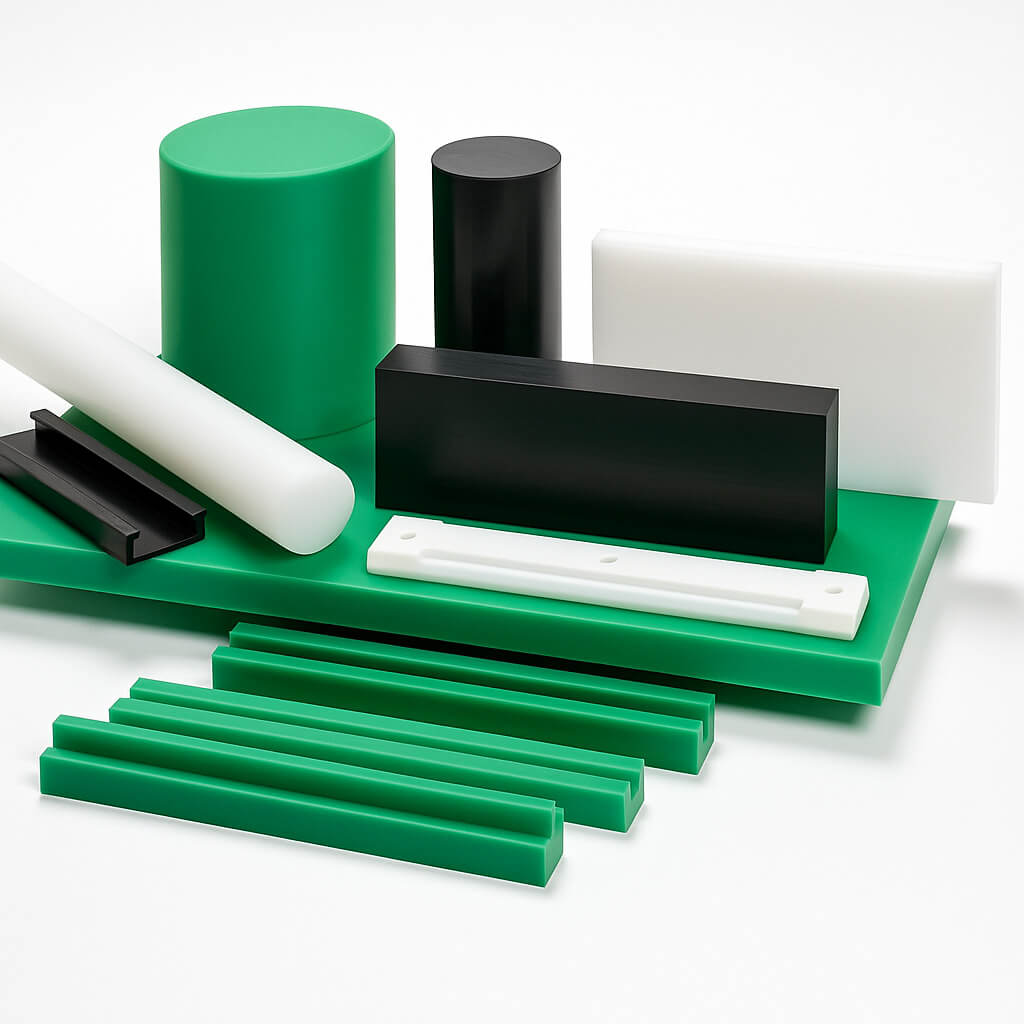
Honyo Prototype executes a streamlined, technology-driven workflow for PE plastic sheet fabrication, ensuring precision and efficiency from initial design to final delivery. This process is specifically optimized for polyethylene’s unique material properties including its thermal sensitivity and flexibility.
Upload CAD
Clients initiate the process by uploading native or neutral format CAD files (STEP, IGES, DWG) through our secure online portal. Our system performs an immediate automated validation check for file integrity, unit consistency, and geometric completeness. For PE sheets, we specifically flag potential issues related to thin-walled features or unsupported geometries that could lead to warpage during processing due to PE’s lower rigidity compared to other engineering plastics.
AI Quote
Validated CAD data enters our proprietary AI quoting engine, which analyzes geometric complexity, sheet dimensions, required tolerances, and material grade specifications (e.g., HDPE vs LDPE). The AI cross-references real-time data on PE sheet inventory, machine availability, and historical processing parameters for polyethylene. Within 24 hours, clients receive a detailed digital quote including material cost breakdown, secondary operation estimates (e.g., welding, threading), and a preliminary lead time assessment—all generated with 95% accuracy based on our accumulated PE fabrication database.
DFM Analysis
Our senior manufacturing engineers conduct a mandatory Design for Manufacturing review focused on PE-specific constraints. This includes evaluating thermal management requirements for laser cutting (adjusting power/speed to prevent melting), assessing bending radii feasibility to avoid stress cracking, and verifying hole placement relative to sheet edges to prevent distortion. We provide actionable feedback within 48 hours, often suggesting kerf compensation adjustments of 0.3–0.5mm for laser operations or recommending alternative joint designs for welded assemblies. Client approval of the DFM report is required before proceeding.
Production
Approved designs move to our climate-controlled production floor where PE sheets are staged on vacuum tables with reduced suction pressure to prevent surface deformation. CNC routing uses sharp carbide tools at elevated feed rates to minimize heat buildup, while laser systems operate at 40–60% power with compressed air assist to achieve clean edges. All critical dimensions undergo in-process CMM verification at defined checkpoints, with real-time SPC data monitoring to maintain ±0.1mm tolerance compliance. Secondary operations like ultrasonic welding or solvent bonding occur in dedicated stations with humidity-controlled environments.
Delivery
Finished PE components undergo final inspection per ASME Y14.5 standards, with all measurement data logged in the client’s digital quality record. Parts are packaged using anti-static VCI film and custom foam cradles to prevent static discharge and warpage during transit. We provide certified material traceability documentation and ship via pre-negotiated carriers with climate-controlled options for temperature-sensitive PE grades. Standard lead time from DFM approval to shipment is 5–7 business days, with real-time logistics tracking accessible through our client portal.
Start Your Project
Looking for high-quality PE plastic sheets for your next project? Contact Susan Leo at [email protected] to discuss your requirements and get expert support from our manufacturing team.
Honyo Prototype has a fully equipped factory located in Shenzhen, China, specializing in precision plastic sheet fabrication and prototyping services. We offer reliable production, strict quality control, and fast turnaround times tailored to your specifications.
Reach out today to request samples, pricing, or technical details on our PE plastic sheet offerings.
🚀 Rapid Prototyping Estimator
Estimate rough cost index based on volume.