
Contents
Manufacturing Insight: Passivating Stainless Steel
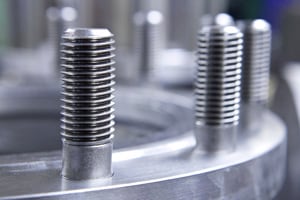
Precision Stainless Steel Passivation: Ensuring Corrosion Resistance in High-Performance Components
Achieving optimal corrosion resistance in CNC-machined stainless steel components requires meticulous post-processing. Passivation—a critical chemical treatment that removes free iron and contaminants while enhancing the natural chromium oxide layer—is not merely a finishing step but an engineering imperative for mission-critical applications in aerospace, medical, and semiconductor industries. At Honyo Prototype, we integrate precision CNC machining with rigorously controlled passivation processes to deliver components that meet exacting performance and regulatory standards.
Our end-to-end manufacturing capability ensures seamless transition from raw material to finished part. Every stainless steel component machined on our state-of-the-art CNC milling and turning centers undergoes passivation per ASTM A967 or customer-specific requirements, using nitric or citric acid chemistries validated through ferroxyl testing. This eliminates embedded iron from tooling contact during machining, preventing premature corrosion and ensuring long-term reliability in aggressive environments. Unlike outsourced post-processing, our in-house passivation cell maintains strict traceability and process control, reducing lead times and eliminating supply chain vulnerabilities for your prototypes and low-volume production runs.
Leverage Honyo Prototype’s engineering expertise to transform stainless steel designs into corrosion-resistant realities. Upload your CAD file today to receive an Online Instant Quote with integrated passivation pricing, material certification, and lead time transparency—all within minutes.
Technical Capabilities
Passivation of stainless steel is a critical post-machining process used to enhance corrosion resistance by removing free iron and other contaminants from the surface using a chemical treatment, typically nitric or citric acid. This process is especially important in precision manufacturing environments involving 3-, 4-, and 5-axis milling and turning operations where tight tolerances—often ±0.0002″ (±0.005 mm) or better—are required. Passivation does not alter dimensions but ensures long-term part reliability and surface integrity, particularly for components used in medical, aerospace, and high-performance industrial applications.
While passivation is specific to stainless steel, it’s important to note how it fits within a broader precision manufacturing context that may also involve materials like aluminum, steel (non-stainless), ABS, and nylon. These materials are often machined on the same multi-axis platforms but require different post-processing treatments.
| Parameter | Description |
|---|---|
| Process Purpose | Remove free iron and surface contaminants from stainless steel to enhance corrosion resistance by promoting a uniform chromium oxide layer. |
| Applicable Materials | Stainless steel only (e.g., 303, 304, 316, 17-4 PH, 440C). Not applicable to aluminum, carbon steel, ABS, or nylon. Aluminum requires anodizing, carbon steel may require plating or coating, while ABS and nylon are typically left as-machined or painted. |
| Typical Standards | ASTM A967, AMS 2700, ISO 16057. Defines method (nitric acid vs. citric acid), concentration, temperature, duration, and passivation verification (e.g., copper sulfate or high humidity testing). |
| Tolerance Compatibility | Non-electrolytic and non-dimension-altering. Fully compatible with tight tolerance components produced via 3-, 4-, and 5-axis CNC milling and turning. Maintains tolerances down to ±0.0002″ (±0.005 mm). |
| Surface Finish Impact | No significant change in surface roughness (Ra). Removes embedded particles without etching or dimensional change. May slightly brighten appearance. |
| Machining Environment | Commonly applied after precision CNC operations (milling, turning) on multi-axis machines where tooling may introduce iron contamination from shared use on carbon steels. |
| Material-Specific Notes | Stainless Steel: Required for optimal performance. Aluminum: Use anodizing (Type II or III) instead. Carbon Steel: Requires protective coating (e.g., zinc plating, oil) to prevent rust. ABS/Nylon: Non-metallic; unaffected by passivation. Clean with solvents or ultrasonic cleaning. |
| Process Methods | Immersion in nitric acid (20–50% by volume) at 120–140°F (49–60°C) for 20–60 minutes, or citric acid (4–10% concentration) at 140–160°F (60–70°C) for 30–120 minutes. Citric acid is increasingly preferred due to environmental and safety benefits. |
| Verification Testing | Copper sulfate test (for austenitic grades), water immersion test, or humidity exposure per ASTM A967. Ensures absence of free iron and effectiveness of passive layer. |
| Lead Time Impact | Adds 1–2 days to production cycle. Often batch-processed. Requires thorough rinsing and drying to prevent water spots or residue. |
Passivation is a vital step in the manufacturing workflow for stainless steel components requiring high precision and long-term reliability. When integrated into a production strategy that includes advanced 3-/4-/5-axis CNC machining, it ensures that parts meet both dimensional and material performance standards.
From CAD to Part: The Process
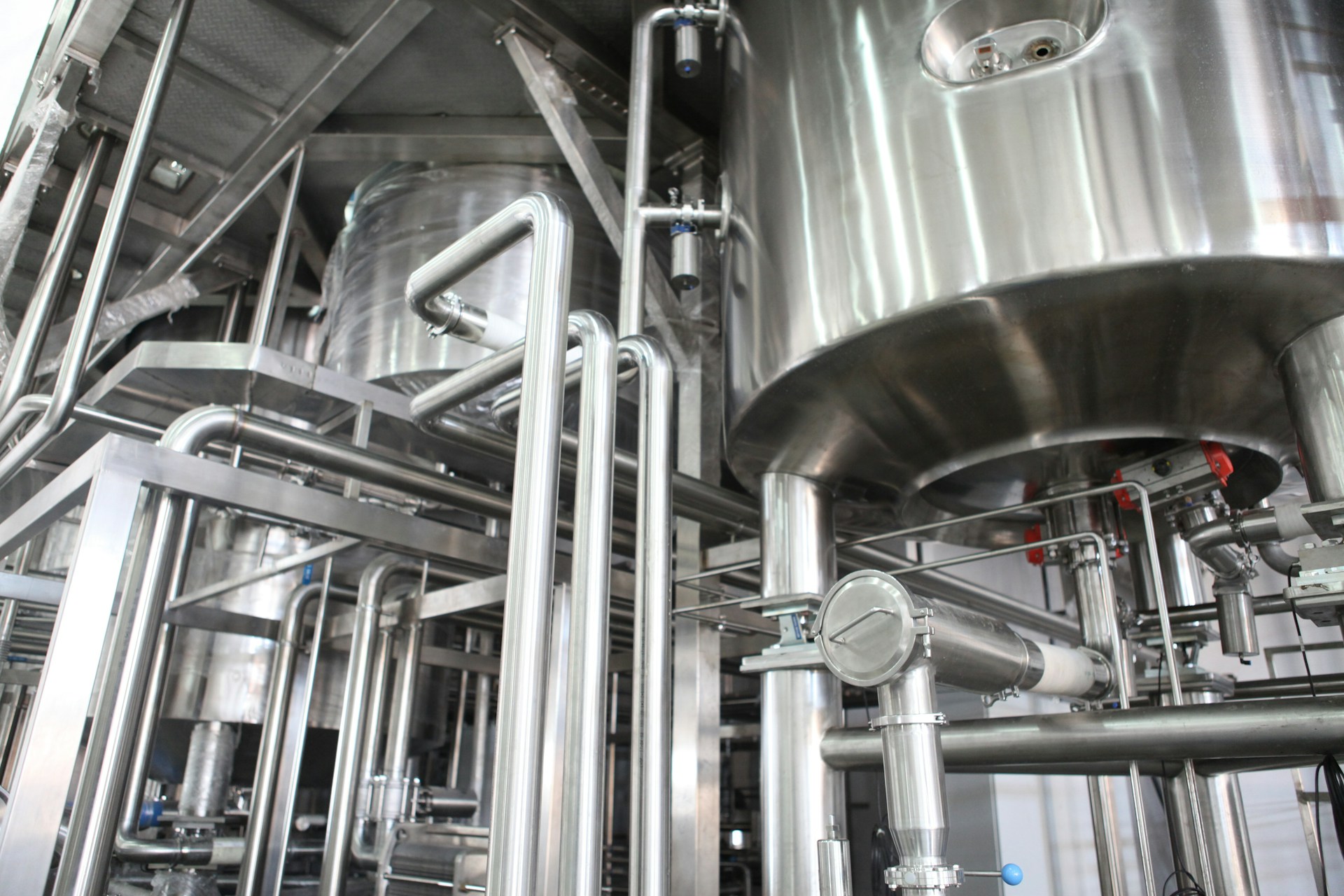
Honyo Prototype integrates stainless steel passivation as a critical surface treatment within our end-to-end manufacturing workflow, ensuring corrosion resistance meets ASTM A967 or AMS 2700 standards. This process is systematically embedded across all project phases without disrupting our core sequence.
Upon CAD file upload, our engineering team conducts an initial geometric assessment specifically for passivation viability. We verify features such as blind holes, tight tolerances, and internal channels that could retain processing chemicals, requiring design adjustments to prevent fluid entrapment. Complex geometries trigger early flags for our DFM stage.
The AI-powered quoting system analyzes the CAD model to identify stainless steel components requiring passivation, automatically incorporating material grade (e.g., 304, 316), surface area calculations, and geometric complexity into cost and lead time estimates. This ensures passivation is priced accurately based on ASTM-compliant process parameters rather than treated as a generic add-on.
During DFM review, our engineers rigorously evaluate how passivation interfaces with other processes. We assess:
Machining marks that could create micro-crevices compromising passive layer formation
Weld zones requiring descaling prior to passivation
Tolerance impacts from potential microscopic surface dissolution
Compatibility with subsequent assembly or coating steps
Any conflicts trigger collaborative redesign recommendations with the client before proceeding.
In production, passivation occurs after all machining and welding but before final inspection. We exclusively use citric acid passivation (typically 4-10% concentration, pH 2.5-3.0, 140-160°F) as our standard method, avoiding hazardous nitric acid per ISO 16000-18 guidance. The sequence involves:
1. Alkaline cleaning to remove organic contaminants
2. Citric acid immersion with ultrasonic agitation for 20-40 minutes
3. Triple-stage deionized water rinsing with conductivity monitoring <50 μS/cm
4. Hot air drying at 150°F to prevent water spotting
Each batch undergoes ferroxyl testing per ASTM A380 to validate oxide layer integrity.
Delivery includes comprehensive documentation verifying process compliance. Critical data is provided in the final package:
| Document Type | Key Content for Passivation Verification |
|---|---|
| Process Report | Acid concentration, temperature, dwell time, rinse conductivity |
| Test Certificate | Ferroxyl test results, ASTM A967 method code (CITRI-1) |
| Material Certification | Traceable alloy composition matching SS grade |
This integrated approach ensures passivation is not an isolated step but a controlled, validated element of Honyo’s precision manufacturing system, directly contributing to component longevity in corrosive environments. All parameters are logged in our QMS for full traceability from CAD to certified delivery.
Start Your Project
Passivating stainless steel is a critical step in ensuring corrosion resistance and long-term performance of precision components. At Honyo Prototype, our expert team in Shenzhen follows strict industry standards to deliver high-quality passivation services tailored to your project requirements.
For more information or to request a quote, contact Susan Leo at [email protected]. Our Shenzhen factory is equipped to handle both prototypes and production runs with fast turnaround and consistent quality.
🚀 Rapid Prototyping Estimator
Estimate rough cost index based on volume.