
Contents
Manufacturing Insight: Nylon Plastic Sheet
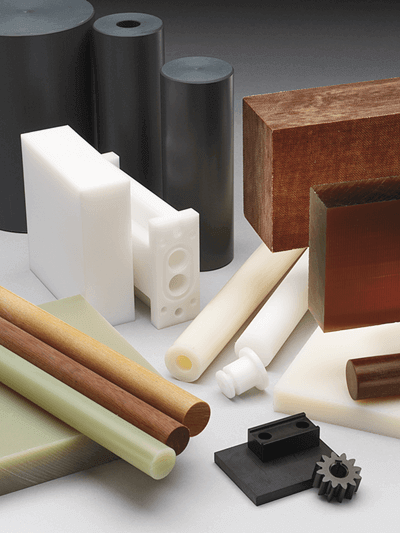
Precision Plastic Fabrication for Engineering Excellence: Nylon Sheet Solutions from Honyo Prototype
Nylon plastic sheets represent a critical material choice for demanding engineering applications requiring exceptional wear resistance, low friction, and mechanical strength across diverse operating temperatures. At Honyo Prototype, we leverage advanced CNC machining, laser cutting, and thermoforming capabilities to transform raw nylon sheet stock—including grades like PA6, PA66, and glass-filled variants—into high-tolerance components for automotive, industrial machinery, and consumer electronics sectors. While our core Sheet Metal Fabrication services excel in metals like aluminum, stainless steel, and brass, our comprehensive plastic fabrication division ensures seamless integration of nylon and other engineered polymers into your multi-material assemblies.
Our end-to-end process begins with rigorous material validation to guarantee dimensional stability and performance compliance, followed by precision secondary operations such as tapping, bonding, or surface finishing. All nylon components undergo stringent in-process inspection against ASME Y14.5 geometric tolerances, ensuring consistency from prototype to low-volume production. This integrated approach eliminates supply chain fragmentation, reducing lead times by up to 30% compared to single-material vendors.
For immediate project assessment, utilize Honyo’s Online Instant Quote platform. Simply upload your STEP or DWG file with nylon sheet specifications (material grade, thickness, tolerances), and receive a detailed manufacturability analysis and competitive pricing within 2 business hours. This digital workflow accelerates design validation while providing transparent cost visibility—critical for time-sensitive engineering initiatives.
Material Capabilities Summary
| Parameter | Nylon Sheet Range | Tolerance Capability |
|——————–|————————-|———————-|
| Thickness | 0.5 mm – 50 mm | ±0.05 mm (machined) |
| Common Grades | PA6, PA66, GF30, Oil-Filled | Custom blends available |
| Max. Part Dimensions | 1500 mm x 3000 mm | Controlled flatness per ISO 2768 |
Honyo Prototype delivers certified, application-ready nylon components through a unified manufacturing ecosystem—where plastic and metal fabrication converge under one quality management system (ISO 9001:2015 certified). Initiate your project with confidence using our Online Instant Quote system today.
Technical Capabilities
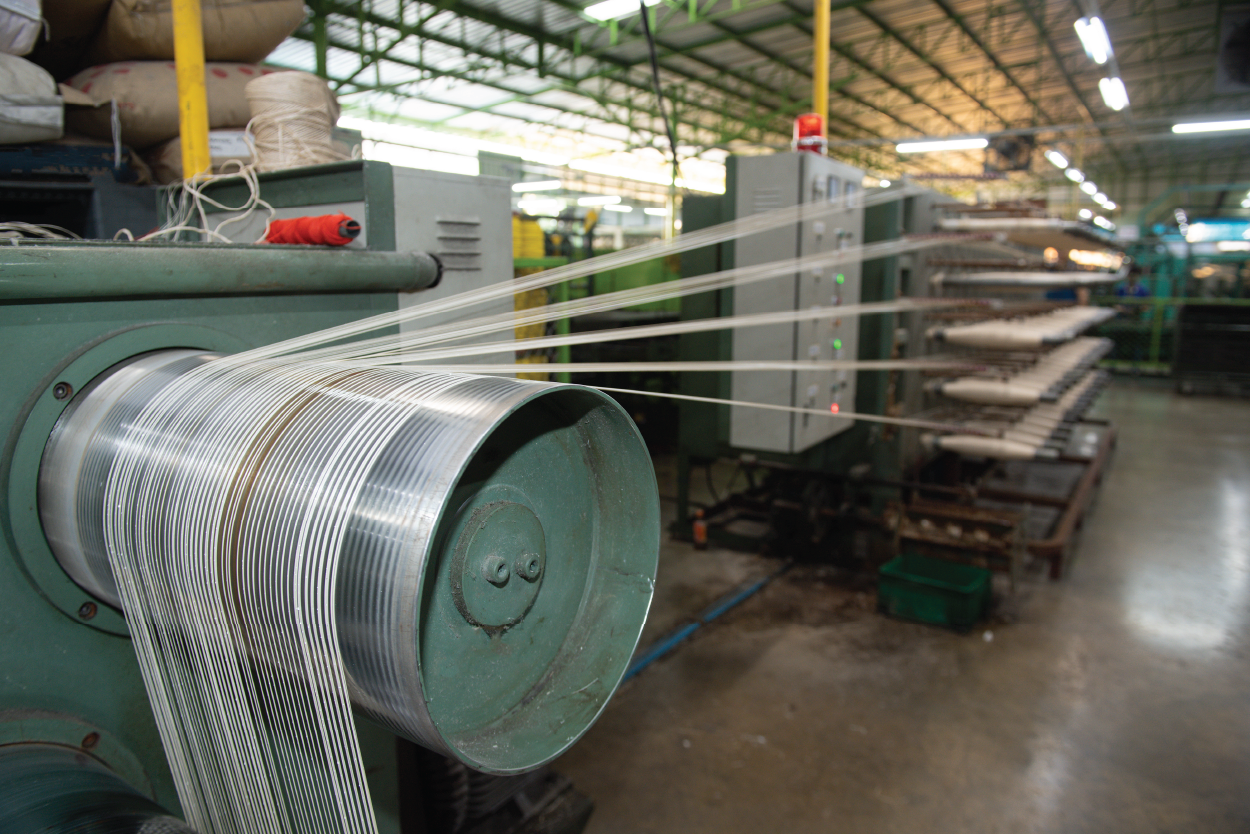
Technical Specifications for Nylon Plastic Sheet – Laser Cutting, Bending, and Welding
Nylon plastic sheets, particularly grades such as Nylon 6 and Nylon 6/6, are widely used in precision manufacturing due to their excellent mechanical strength, chemical resistance, and thermal stability. These properties make nylon suitable for demanding applications in automotive, aerospace, and industrial equipment. Below is a comparative technical overview focusing on laser cutting, bending, and welding performance of nylon relative to aluminum, steel, and ABS.
| Material | Laser Cutting Compatibility | Bending Characteristics | Welding Methods | Thermal Resistance (°C) | Notes |
|---|---|---|---|---|---|
| Nylon | Moderate – Requires CO₂ laser with controlled power; prone to melting and charring if not optimized. Edge quality can be good with proper settings. | Good – High flexibility and impact resistance allow for cold bending with radii ≥ 1.5× material thickness. Heating (150–170°C) improves formability for tight bends. | Ultrasonic welding, hot gas welding, and vibration welding are effective. Not suitable for traditional arc or resistance welding. | 120–180 (continuous use) | Hygroscopic – must be dried before processing. Excellent wear and chemical resistance. |
| Aluminum | Excellent – Fiber lasers efficiently cut aluminum with high precision and clean edges, especially with assist gas (N₂ or O₂). | Good – Ductile and easily bent using press brakes. Minimum bend radius typically 0.8× thickness. Springback must be compensated. | TIG, MIG, and laser welding are standard. Requires clean surfaces and skilled operation. | 200–400 (depending on alloy) | Lightweight, corrosion-resistant. Reflective surface can challenge laser cutting without proper setup. |
| Steel | Excellent – Fiber lasers cut mild and stainless steel efficiently. High edge quality with appropriate assist gases (O₂ for mild, N₂ for stainless). | Good – Bendable with standard tooling. Minimum bend radius ~1× thickness. Work hardening may occur in stainless grades. | MIG, TIG, spot welding, and laser welding are commonly used. Pre/post-heat may be needed for thick sections. | 250–500 (depending on grade) | High strength and durability. Prone to corrosion if uncoated. |
| ABS | Good – Easily cut with CO₂ lasers. Clean, sealed edges with minimal charring at optimal settings. Low melting point requires careful power control. | Excellent – Easily vacuum-formed and bent with heat (100–120°C). Cold bending possible with thin sheets and large radii. | Ultrasonic, solvent, and hot plate welding are effective. Not suitable for high-temperature welding processes. | 80–100 (continuous use) | Low cost, good impact strength. Poor UV and chemical resistance. |
Summary for Nylon Processing:
Laser cutting nylon requires precise parameter control to avoid thermal degradation. Bending is feasible with or without heat, depending on the desired radius. Welding nylon is best achieved using plastic-specific methods such as ultrasonic or hot gas welding. Compared to metals (aluminum, steel), nylon offers lower thermal and mechanical performance but provides significant weight savings and corrosion resistance. Against ABS, nylon outperforms in strength, temperature resistance, and durability, though it is more challenging to process due to moisture absorption and higher processing temperatures.
From CAD to Part: The Process
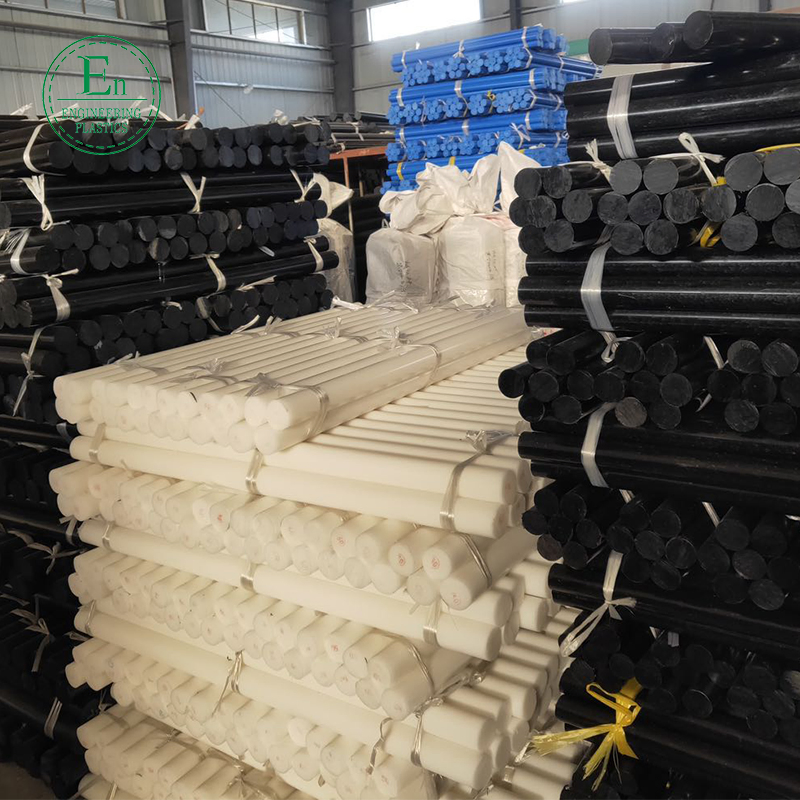
Honyo Prototype Nylon Plastic Sheet Manufacturing Process Overview
Honyo Prototype executes a streamlined, technology-driven workflow for nylon plastic sheet fabrication, ensuring precision, efficiency, and material-specific optimization. The end-to-end process begins with customer CAD submission and concludes with certified delivery, integrating AI and engineering rigor at critical stages.
Upload CAD
Customers initiate the process by uploading 3D CAD models (STEP, IGES, or native formats) via our secure client portal. Our system validates file integrity and extracts key geometric data, including part dimensions, tolerances, and critical features. For nylon sheets, we specifically note moisture sensitivity parameters and thermal expansion coefficients embedded in the model metadata, which inform downstream DFM analysis.
AI-Powered Quoting Engine
Uploaded CAD data feeds directly into our proprietary AI quoting system, which cross-references real-time variables: current nylon sheet inventory (grades like PA6, PA66, or glass-filled variants), machine availability, and labor rates. The AI calculates material yield efficiency, predicts machining time based on feature complexity, and applies nylon-specific factors such as slow-cutting requirements to minimize heat generation. Quotes include precise cost breakdowns and lead time estimates within 2 business hours, with alerts for potential cost drivers like tight flatness tolerances exceeding nylon’s natural warpage limits.
Engineering-Led DFM Analysis
All nylon sheet projects undergo mandatory Design for Manufacturing review by our senior engineering team. This phase focuses on nylon’s unique properties:
Verifying wall thickness uniformity to prevent sink marks or warpage during cooling
Assessing hole-to-edge distances to avoid cracking in hygroscopic nylon
Confirming tolerances align with nylon’s ±0.1% dimensional stability limits post-moisture conditioning
Recommending stress-relief features for assemblies requiring mechanical fastening
Engineers collaborate with the client via marked-up 3D PDFs to resolve conflicts, often suggesting cost-saving alternatives like strategic draft angles or simplified fillets while maintaining functional requirements. No project proceeds to production without client-approved DFM sign-off.
Precision Production Execution
Approved designs move to our CNC machining cells equipped with specialized tooling for nylon:
Material conditioning: Nylon sheets are acclimated in climate-controlled storage (23°C/50% RH) for 72+ hours pre-machining
Machining: Dedicated mills with sharp carbide cutters and reduced spindle speeds (to manage heat) perform operations under continuous coolant flood
In-process verification: Critical dimensions are checked at 25% and 75% production milestones using CMMs calibrated for nylon’s thermal variance
Post-processing: Parts undergo stress-relief annealing (80°C for 2 hours) followed by rapid quenching to lock molecular structure before final inspection
Certified Delivery
Completed nylon sheet components undergo final validation against AS9100-certified protocols:
Dimensional report with GD&T verification per ASME Y14.5
Material certification traceable to mill test reports
Moisture content verification (≤0.2% for unfilled nylon)
Parts ship vacuum-sealed with desiccant in anti-static packaging, accompanied by a digital quality dossier accessible via our client portal. Standard lead time from DFM approval is 5–7 business days, with expedited 72-hour options for qualified projects. All shipments include real-time logistics tracking and customs documentation for global clients.
This integrated approach ensures nylon components meet stringent functional requirements while minimizing iteration cycles—critical for applications in aerospace, medical, and robotics where nylon’s strength-to-weight ratio and wear resistance are essential.
Start Your Project
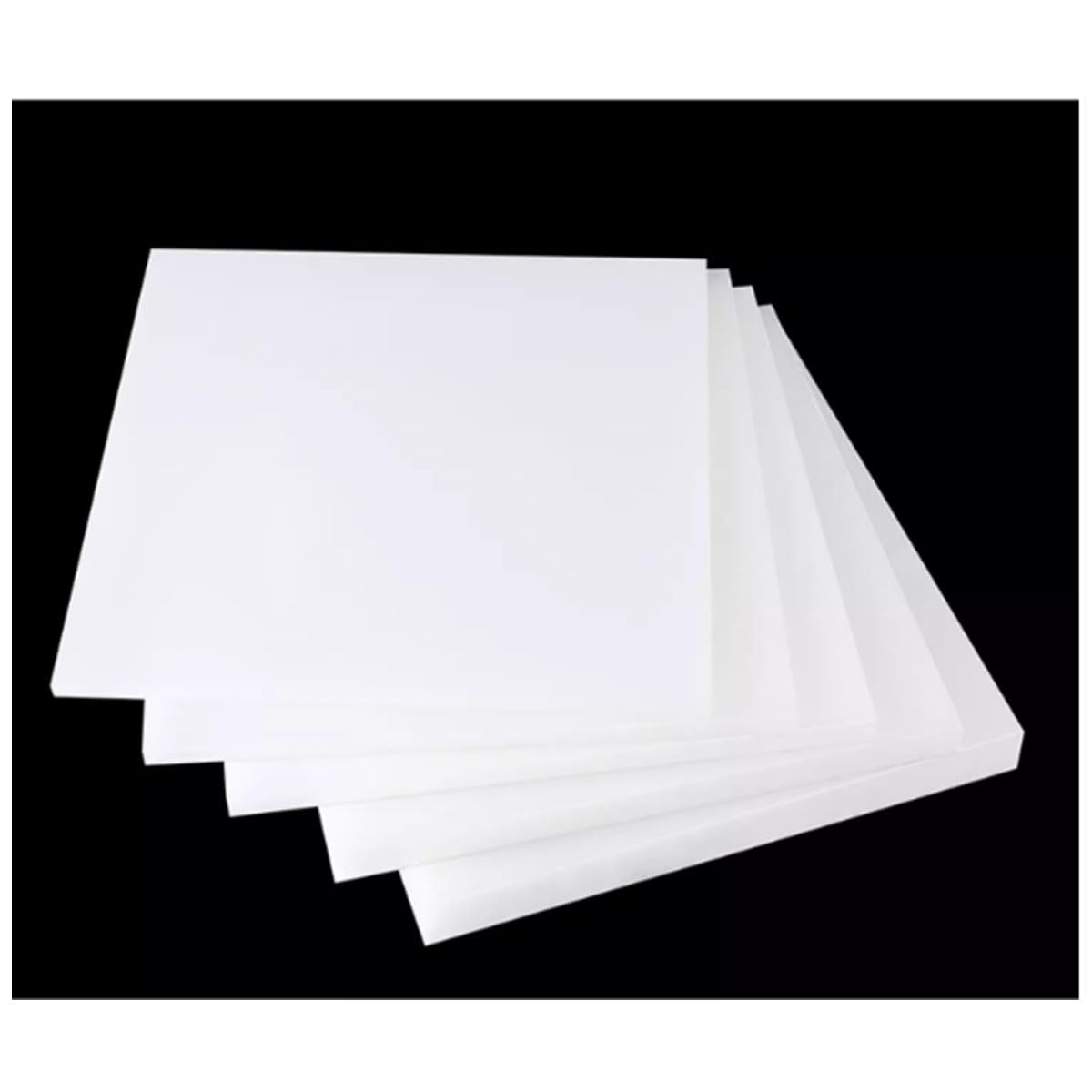
Looking for high-quality nylon plastic sheets for your next project? Contact Susan Leo at [email protected] to request samples, pricing, or technical specifications.
Honyo Prototype manufactures precision nylon sheets in Shenzhen, China, using advanced processing methods to ensure consistent quality, dimensional accuracy, and mechanical performance. Our facility supports both prototype development and volume production, catering to demanding industries such as automation, robotics, and industrial equipment.
Reach out today to discuss your application requirements and discover how our engineering-grade nylon sheets can enhance your product performance.
🚀 Rapid Prototyping Estimator
Estimate rough cost index based on volume.