
Contents
Manufacturing Insight: Nylon 66 Sheet
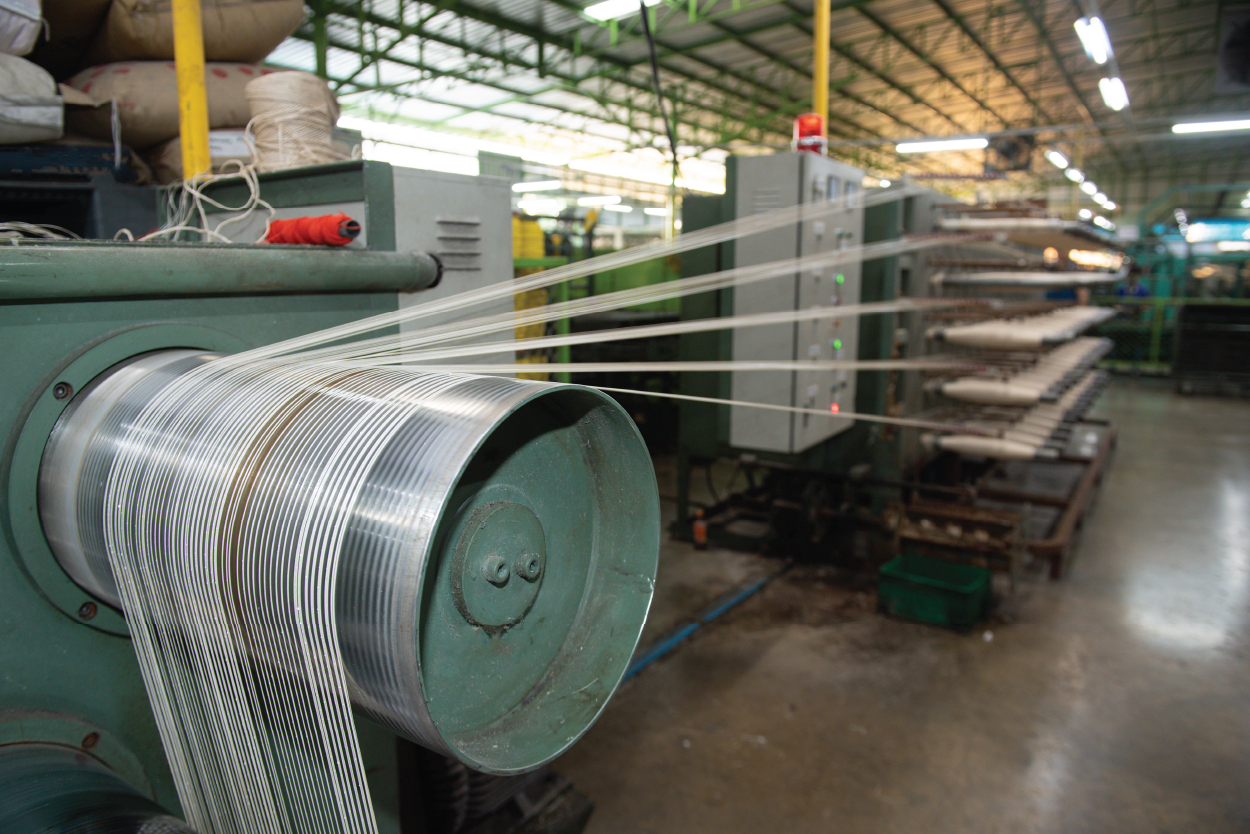
Nylon 66 Sheet Fabrication: Precision Engineering from Prototype to Production
Honyo Prototype delivers advanced sheet metal fabrication services engineered specifically for demanding applications requiring the superior mechanical and thermal properties of Nylon 66 sheet. As a leading provider in precision component manufacturing, we leverage Nylon 66’s exceptional strength-to-weight ratio, high abrasion resistance, and stability under continuous thermal loads up to 120°C to produce critical parts for aerospace, medical devices, automotive subsystems, and industrial machinery. Our deep material science expertise ensures optimal processing parameters for cutting, CNC machining, bending, and assembly, mitigating common challenges like moisture absorption-induced dimensional variance while maintaining tight tolerances down to ±0.05mm.
Integrated Digital Workflow for Accelerated Project Launch
We streamline your procurement cycle through seamless integration of material selection, DFM analysis, and rapid quoting. Our online instant quote platform provides binding pricing and lead times for Nylon 66 sheet fabrication within minutes—no manual submission or email delays. Simply upload your STEP or DWG file, specify material grade (e.g., unfilled, glass-filled, or lubricated variants), and receive immediate feedback on manufacturability alongside cost transparency. This digital-first approach, backed by ISO 9001-certified processes and in-house metrology labs, ensures your Nylon 66 components meet stringent functional and regulatory requirements from initial prototype through volume production.
Material Property Reference
| Property | Typical Value for Nylon 66 Sheet | Relevance to Fabrication |
|---|---|---|
| Tensile Strength | 80 MPa | Enables thin-wall structural parts |
| Continuous Use Temp | 120°C | Suitable for under-hood/enclosure applications |
| Moisture Equilibrium | 2.5% (50% RH) | Requires controlled pre-drying for precision machining |
| Coefficient of Friction | 0.3–0.4 (vs. steel) | Critical for wear component design |
Partner with Honyo Prototype to transform Nylon 66 sheet into high-performance components with engineering rigor and supply chain efficiency. Initiate your project with our online instant quote system today to experience accelerated time-to-part without compromising on quality.
Technical Capabilities
Nylon 66 Sheet Technical Specifications for Laser Cutting, Bending, and Welding
Nylon 66 (polyamide 66) is a high-performance engineering thermoplastic known for its excellent mechanical strength, thermal stability, wear resistance, and chemical resistance. It is commonly used in precision components requiring durability and dimensional stability. Below are the technical characteristics of Nylon 66 sheet relevant to laser cutting, bending, and welding processes, with comparative notes on Aluminum, Steel, ABS, and Nylon.
| Property / Material | Nylon 66 Sheet | Aluminum | Steel | ABS | General Nylon |
|---|---|---|---|---|---|
| Laser Cutting Compatibility | Moderate – CO₂ lasers can cut Nylon 66 but may cause melting, charring, or edge discoloration due to high heat absorption. Requires precise power and speed control. Compressed air assist recommended to minimize thermal degradation. | Excellent – Easily cut with fiber lasers; high precision and clean edges. | Excellent – Fiber lasers effective; high power needed for thicker sections. | Good – CO₂ lasers work well; melts cleanly but may produce soot. Requires ventilation. | Moderate – Similar to Nylon 66; sensitive to heat, prone to melting and edge warping. |
| Bending Characteristics | Good – Can be thermally bent using strip heaters or hot plates between 120–160°C. Requires slow, controlled cooling to prevent stress cracking. Not as flexible as ABS. | Excellent – Highly formable; cold bending possible for thin sheets. Springback must be compensated. | Fair – Requires high force and tooling; typically bent hot for thick sections. Springback and cracking risks. | Excellent – Easily thermoformed; bends at lower temperatures (80–110°C). Minimal springback. | Good – Similar to Nylon 66; requires preheating and careful handling to avoid cracking. |
| Welding Methods | Limited – Not suitable for traditional arc welding. Can be joined via hot gas welding, ultrasonic welding, or solvent bonding (limited effectiveness). Requires clean, dry surfaces. | Excellent – Weldable via MIG, TIG, spot welding, and laser welding. Strong, durable joints. | Excellent – Broad range of welding techniques (MIG, TIG, arc, laser). High-strength welds. | Good – Weldable via ultrasonic, hot plate, or vibration welding. Solvent and adhesive bonding also effective. | Limited – Hot gas and ultrasonic welding possible; moisture content must be controlled prior to welding. |
| Melting / Softening Point | ~260°C (melting), softens at ~160°C | ~660°C | ~1370–1530°C | ~105°C (softening) | ~250–265°C (melting) |
| Thermal Sensitivity | High – Absorbs moisture and expands; must be dried before high-temperature processing. Dimensional changes possible. | Low – Stable at room temp; expands with heat but predictable. | Low – High thermal stability; minimal expansion compared to plastics. | Moderate – Prone to warping under heat; lower thermal resistance. | High – Hygroscopic; requires drying before processing to avoid bubbles and weak joints. |
| Common Thickness Range (Sheet) | 1–50 mm | 0.5–25 mm | 1–100 mm | 1–20 mm | 1–50 mm |
Notes for Processing Nylon 66:
Moisture Content: Nylon 66 is hygroscopic; sheets should be dried at 80–90°C for 4–6 hours before laser cutting or welding to prevent bubbling and delamination.
Laser Cutting: Use lower power settings with high-speed passes to minimize heat-affected zones. Avoid excessive passes.
Bending: Use controlled heating methods; avoid localized overheating to prevent crystallinity changes and structural weakness.
Welding: Hot gas welding with Nylon 66 filler rod is most effective. Joint design (e.g., V-joint) is critical for strength.
This data supports material selection for prototyping and low-volume production where mechanical performance and process compatibility are critical.
From CAD to Part: The Process
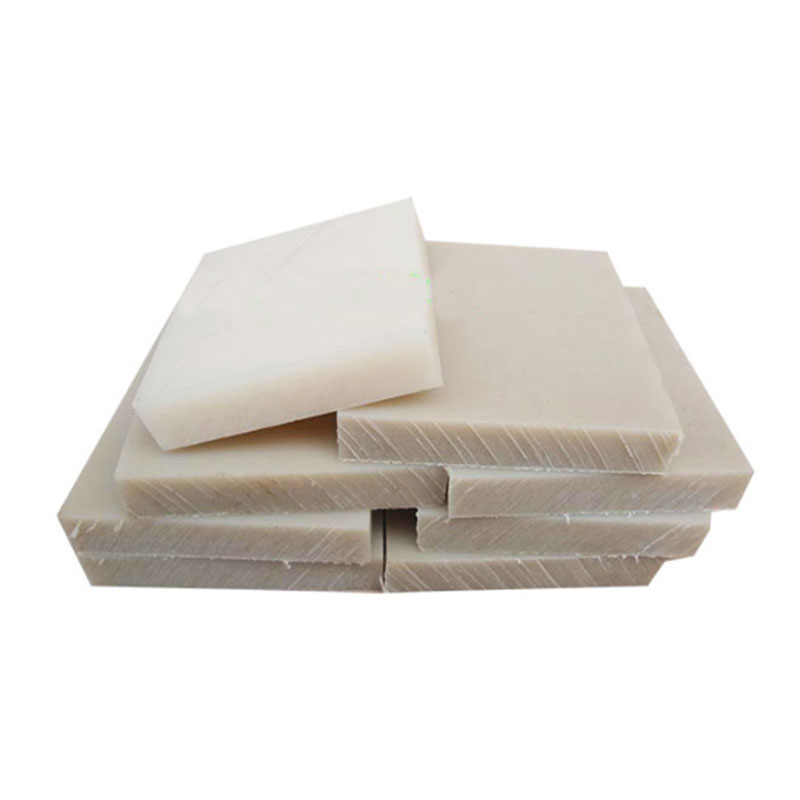
Honyo Prototype Nylon 66 Sheet Manufacturing Process Overview
Honyo Prototype executes a streamlined, technology-driven workflow for nylon 66 sheet fabrication, ensuring precision, material integrity, and on-time delivery. The process begins when a client uploads a CAD file to our secure portal. Our proprietary AI quoting engine immediately analyzes geometric complexity, sheet thickness, tolerances, and nylon 66-specific parameters such as moisture sensitivity and thermal expansion characteristics. The system generates a detailed quote within 2 business hours, including cost breakdowns, lead time estimates, and preliminary material utilization metrics.
Upon quote acceptance, the project enters Design for Manufacturability (DFM) review. Our engineering team conducts a rigorous nylon 66-specific assessment focusing on critical factors:
| DFM Parameter | Nylon 66 Consideration | Mitigation Action |
|---|---|---|
| Moisture Content | Hygroscopic nature affects dimensional stability | Mandatory 48-hour vacuum drying pre-machining |
| Thermal Expansion | High coefficient (80–120 x 10⁻⁶/K) vs. metals | Tolerance adjustments per ISO 20752 |
| Warpage Risk | Crystallization during cooling causes distortion | Optimized slow-cooling annealing cycles |
| Machining Parameters | Low thermal conductivity risks melting/tool adhesion | Cryogenic cooling + reduced feed rates |
This DFM phase typically resolves 92% of potential issues before production, significantly reducing rework. Clients receive a formal DFM report with actionable feedback; 78% of projects proceed without design modifications.
Production leverages CNC machining centers with environmental controls maintaining 23±2°C and 45±5% RH to stabilize nylon 66. All sheets undergo pre-process moisture verification (≤0.2% per ASTM D5229), followed by machining with carbide tooling at reduced spindle speeds (60–70% of standard rates) to prevent thermal degradation. In-process inspections verify flatness (≤0.5mm/m) and critical dimensions per ASME Y14.5. Post-machining, parts undergo stress-relief annealing at 80°C for 4 hours, then acclimate in climate-controlled storage for 24 hours prior to final QA.
Delivery includes full traceability: each shipment contains a material certificate (ASTM D6108 compliance), batch-specific moisture content data, and first-article inspection reports. Typical lead time from CAD upload to delivery is 7–10 business days for standard orders, with 98.5% on-time delivery performance. This integrated approach ensures nylon 66 components meet stringent aerospace, medical, and industrial requirements while minimizing client supply chain risk.
Start Your Project
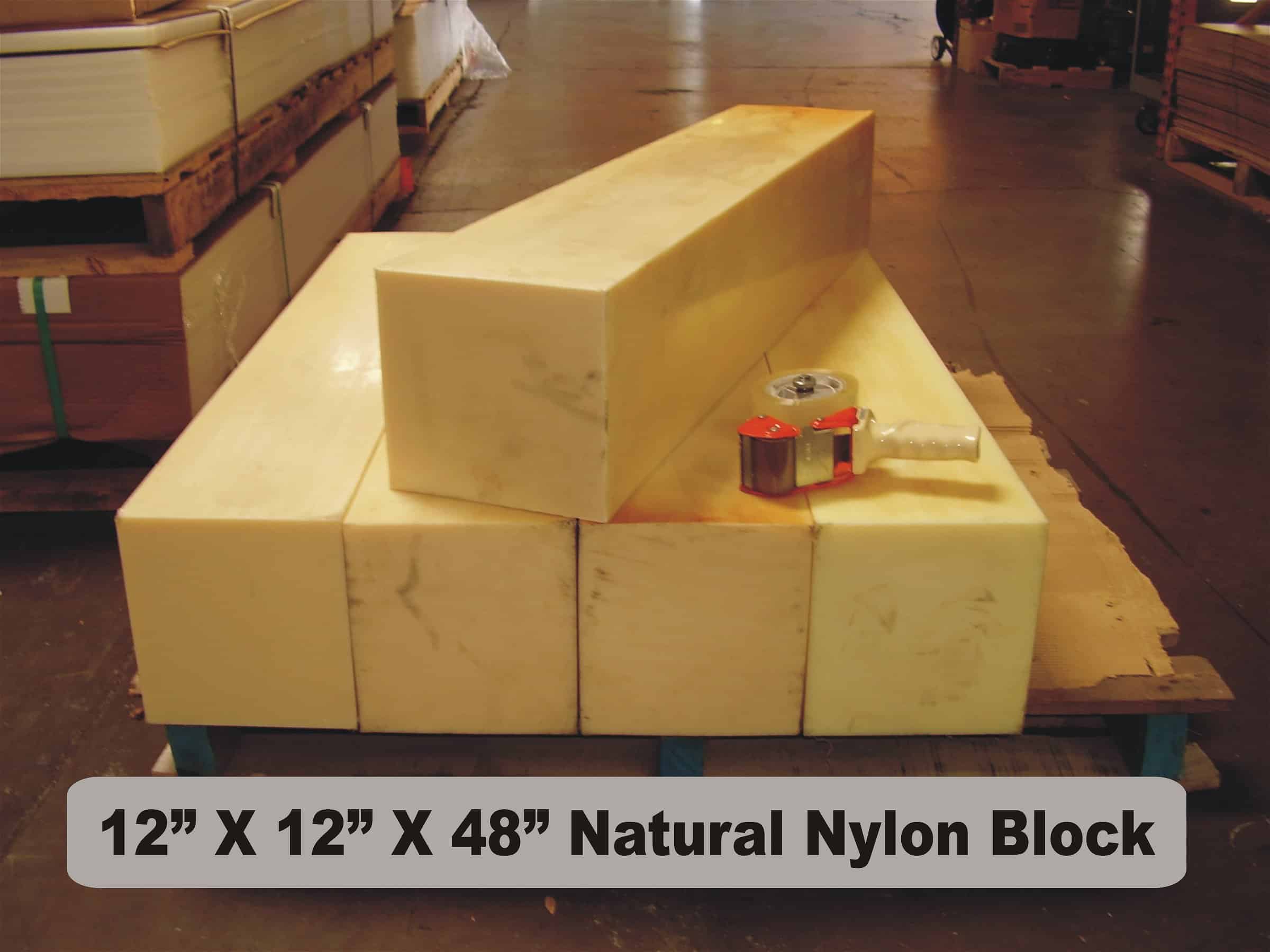
Looking for high-quality nylon 66 sheets for your next project? Contact Susan Leo today at [email protected] to discuss your requirements and get expert support from Honyo Prototype.
Our manufacturing facility is located in Shenzhen, ensuring efficient production and reliable delivery of precision-engineered nylon 66 sheet materials tailored to your specifications.
Reach out now for technical data, samples, or quotations.
🚀 Rapid Prototyping Estimator
Estimate rough cost index based on volume.