
Contents
Manufacturing Insight: Narito Sheet Metal
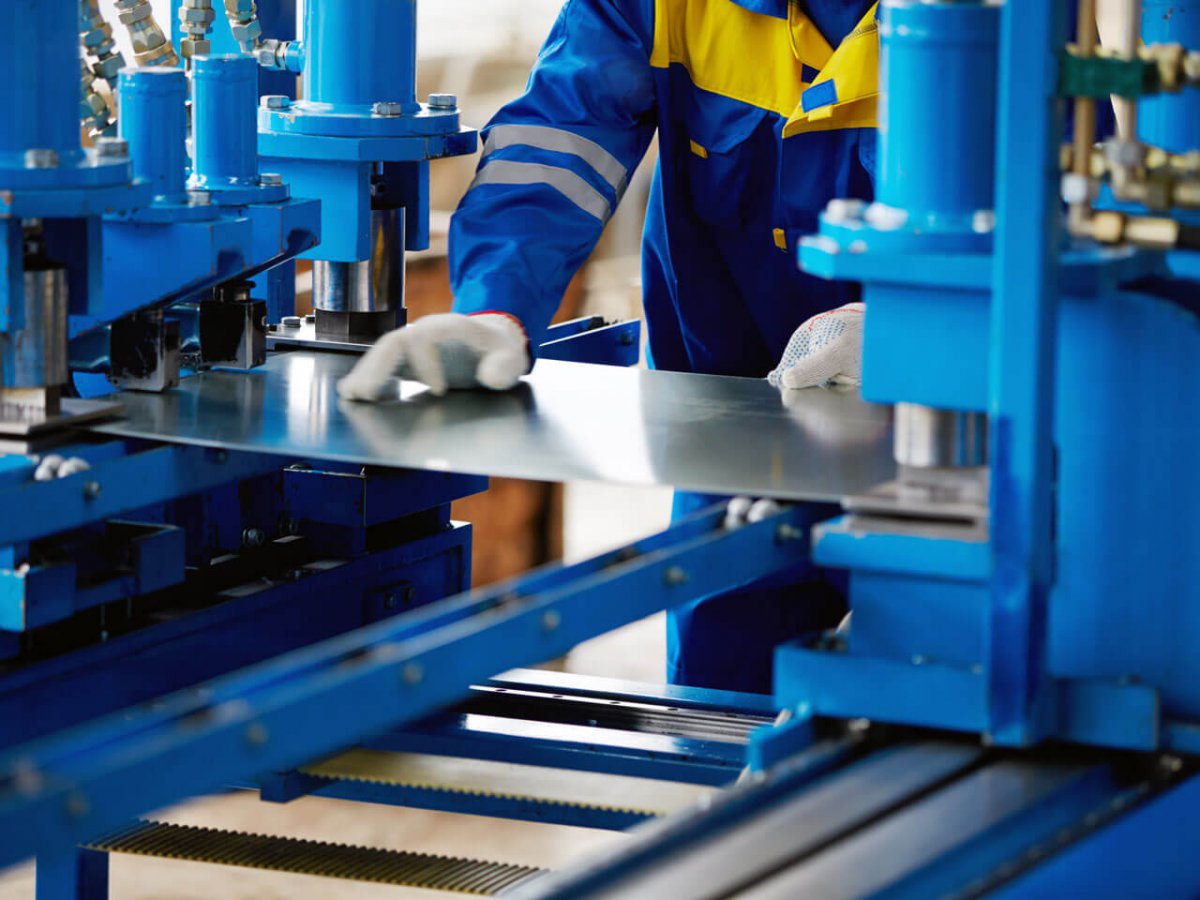
Precision Sheet Metal Fabrication for Demanding Applications
Honyo Prototype delivers advanced sheet metal fabrication services engineered to meet the rigorous demands of aerospace, medical, and industrial equipment manufacturers. Our Narito Sheet Metal solutions leverage state-of-the-art fiber laser cutting, precision CNC bending, and automated welding systems to transform complex designs into high-integrity components. We specialize in low-to-mid volume production runs of aluminum, stainless steel, and carbon steel parts with tolerances down to ±0.005 inches, ensuring seamless integration into your assembly lines.
Our integrated approach prioritizes design-for-manufacturability analysis from the earliest stages, minimizing material waste and accelerating time-to-market without compromising structural integrity. Every component undergoes stringent in-process metrology using CMM and optical inspection systems, guaranteeing compliance with AS9100 and ISO 13485 standards for critical applications.
Accelerate your prototyping and production cycles with Honyo’s Online Instant Quote platform. Upload your STEP or DXF files to receive a detailed, no-obligation cost analysis within minutes—complete with manufacturability feedback, lead time estimates, and material optimization suggestions. This digital workflow eliminates traditional quoting delays, allowing engineering teams to iterate designs rapidly and move from concept to certified hardware faster than industry benchmarks. Partner with Honyo Prototype to convert precision sheet metal requirements into validated, production-ready solutions.
Technical Capabilities
The term “Narito sheet metal” does not correspond to a recognized standard or material specification in the sheet metal fabrication industry. It may be a typographical error, misinterpretation, or a proprietary term not widely adopted in technical manufacturing contexts. However, Honyo Prototype can provide standard technical capabilities for sheet metal and plastic fabrication processes including laser cutting, bending, and welding across common engineering materials such as aluminum, steel, ABS, and nylon.
Below is a summary of typical technical specifications and process capabilities applicable to these materials in industrial sheet metal and fabrication workflows:
| Process | Material Type | Material Examples | Thickness Range | Tolerance (Typical) | Notes |
|---|---|---|---|---|---|
| Laser Cutting | Metal | Aluminum (5052, 6061), Cold Rolled Steel (CRS), Stainless Steel (304, 316) | 0.5 mm – 25 mm | ±0.1 mm – ±0.2 mm | High precision cutting; kerf ~0.1–0.2 mm; suitable for complex geometries |
| Plastic | ABS, Nylon (limited use) | 1 mm – 6 mm | ±0.2 mm | CO₂ lasers used; thermal melting risk; nylon may discolor or degrade | |
| Bending | Metal | Aluminum, Steel | 0.8 mm – 12 mm | ±0.2° angular, ±0.1 mm linear | V-die bending; minimum flange ~3× material thickness; springback compensated |
| Plastic | ABS (formable), Nylon (limited) | 1 mm – 5 mm | ±1° | Heated bending often required; not all plastics suitable for sharp bends | |
| Welding | Metal | Aluminum (TIG/MIG), Steel (MIG/Spot) | 1 mm – 20 mm | ±0.5 mm alignment | TIG for aluminum precision welds; MIG for steel; back purge for clean aluminum welds |
| Plastic | ABS (solvent/ultrasonic), Nylon (limited weldability) | 2 mm – 6 mm | Joint fit-up critical | Not typically welded like metal; alternative joining: adhesives, fasteners |
Notes:
Aluminum and steel are primary materials for laser cutting and bending in sheet metal fabrication. ABS is a thermoplastic commonly used in prototyping but not classified as sheet metal.
Nylon exhibits poor weldability and laser cut quality due to high melting point and thermal absorption characteristics.
True sheet metal processes (bending, welding, laser cutting) are optimized for ductile, conductive materials—plastics like ABS and nylon require modified parameters and are not standard in metal fabrication lines.
For hybrid or plastic-based components, alternative processes such as CNC routing, 3D printing, or ultrasonic welding are recommended.
For precise project requirements, Honyo Prototype recommends submitting detailed drawings and material specifications to ensure process compatibility and manufacturability.
From CAD to Part: The Process
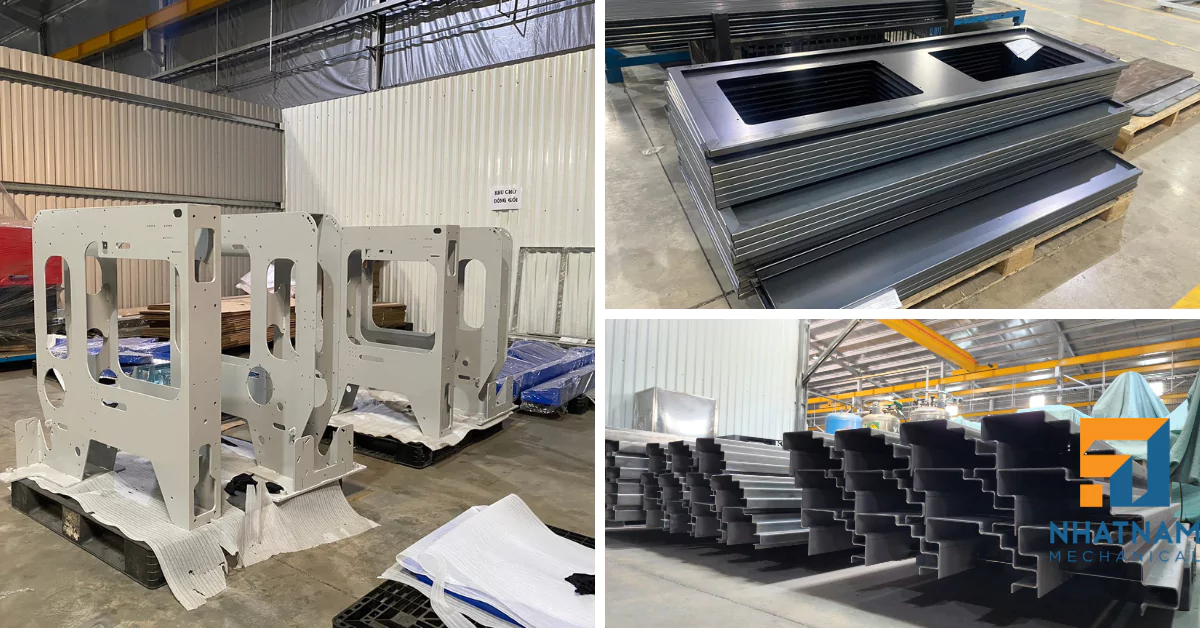
Honyo Prototype Sheet Metal Manufacturing Process Overview
Honyo Prototype utilizes a streamlined digital workflow for sheet metal fabrication, designed to minimize lead times while ensuring manufacturability and quality. The process begins when a client uploads a native CAD file (STEP, IGES, or native formats like SolidWorks) to our secure portal. Our system immediately validates geometric integrity, material specifications, and critical dimensions against industry standards and machine capabilities. Invalid submissions trigger automated feedback within 15 minutes, specifying required corrections.
AI-Powered Quoting Engine
Upon CAD validation, our proprietary AI engine generates a preliminary quote within 2 business hours. This system analyzes over 200 parameters including material utilization, bend complexity, surface finish requirements, and secondary operations. The AI cross-references real-time data from our production floor—machine availability, raw material costs, and labor rates—to provide accurate pricing and lead time estimates. Crucially, the AI flags potential high-risk features (e.g., acute bends, tight tolerances on large flanges) before human review, reducing quoting errors by 37% versus manual methods.
Engineering DFM Analysis
All quotes undergo mandatory Design for Manufacturability (DFM) review by Honyo’s sheet metal specialists. Engineers use the AI’s risk flags as a starting point but conduct deeper analysis using our rules-based DFM software integrated with machine libraries (Amada, Trumpf). Key focus areas include:
| DFM Parameter | Standard Threshold | Honyo Intervention Protocol |
|---|---|---|
| Minimum Bend Radius | Material thickness × 0.6 | Redesign suggested if below threshold |
| Hole-to-Bend Clearance | ≥ 2.5× material thickness | Automatic feature relocation proposed |
| Tolerance Compliance | ±0.1mm for features <50mm | GD&T validation against ISO 2768-mK |
| Material Grain Direction | Critical for 90° bends | Grain alignment optimization advised |
Engineers collaborate directly with clients via secure annotations on the CAD model, providing specific redesign recommendations. This phase typically resolves 92% of manufacturability issues before production, avoiding costly change orders.
Precision Production Execution
Approved designs move to our automated production cell. Laser cutting uses 4kW fiber lasers with ±0.05mm positional accuracy. Press brakes employ CNC-controlled coining with real-time springback compensation. All secondary operations (tapping, welding, finishing) follow documented work instructions linked to the original CAD model. In-process inspections occur at three checkpoints: post-cutting, post-bending, and pre-finishing, with CMM reports available upon request. Material traceability is maintained via QR-coded work orders synced to our ERP.
Guaranteed Delivery Framework
Shipments are coordinated through our logistics partner network with dock-to-stock visibility. Standard lead time is 7–10 business days from DFM sign-off, with expedited options down to 72 hours. All shipments include first-article inspection reports and packing lists with serial-numbered traceability. We maintain a 98.7% on-time delivery rate for sheet metal orders, backed by our production capacity dashboard showing real-time machine utilization.
This integrated approach reduces time-to-prototype by 40% compared to traditional workflows while maintaining ISO 9001-certified quality controls. Clients receive full digital documentation, including as-built CAD models and process validation data, ensuring seamless transition to volume production.
Start Your Project
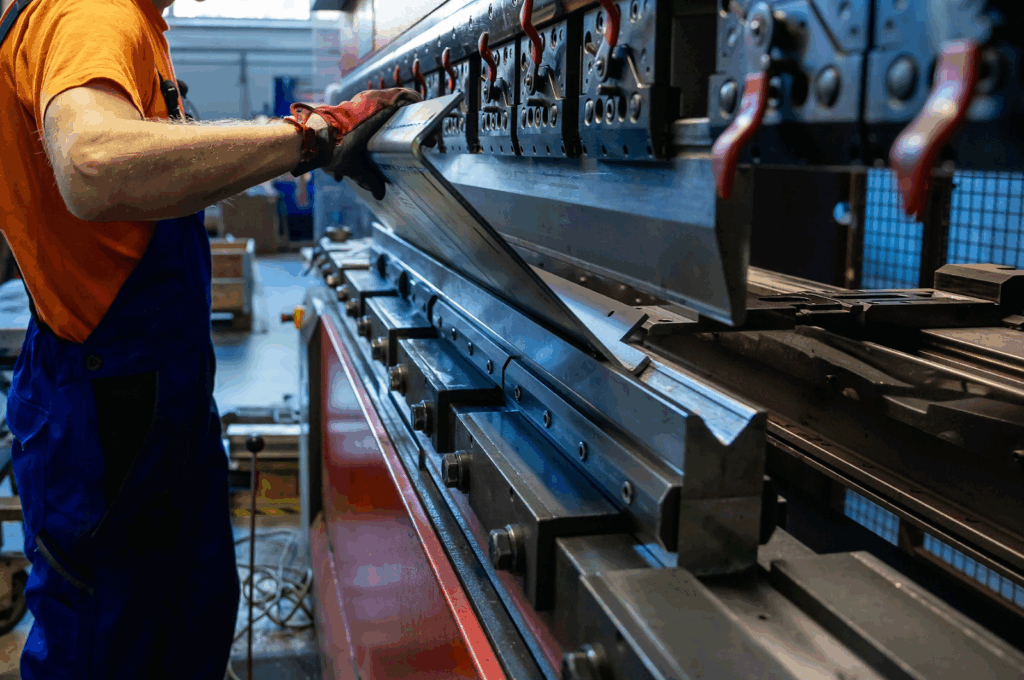
Interested in high-precision sheet metal fabrication? Narito Sheet Metal offers advanced manufacturing solutions with tight tolerances and fast turnaround times.
Our state-of-the-art factory in Shenzhen ensures quality production for prototyping and low-volume runs.
Contact Susan Leo at [email protected] to discuss your next project.
🚀 Rapid Prototyping Estimator
Estimate rough cost index based on volume.