
Contents
Manufacturing Insight: Monel Steel
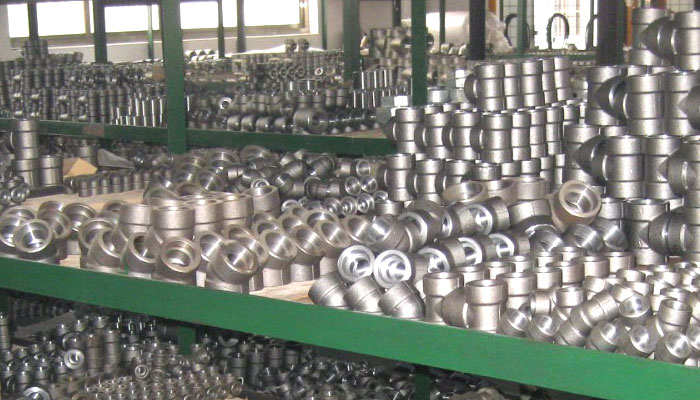
Monel Steel Machining Excellence at Honyo Prototype
Monel steel, particularly grades 400 and K500, delivers exceptional corrosion resistance in aggressive marine, chemical, and high-temperature environments where standard alloys fail. Its high strength, thermal stability, and resistance to seawater and acids make it indispensable for critical components in aerospace, oil and gas, and marine engineering. However, Monel’s propensity for work hardening, galling, and thermal sensitivity during machining demands specialized expertise to avoid part distortion, tool wear, and scrap.
At Honyo Prototype, our CNC machining services are engineered specifically for challenging nickel-copper alloys like Monel. We deploy optimized toolpath strategies, custom fixturing, and rigorously controlled thermal management protocols to maintain dimensional accuracy and surface integrity. Our ISO 9001-certified facility utilizes advanced multi-axis CNC centers with high-torque spindles and coated carbide tooling designed to mitigate Monel’s unique machining challenges, ensuring repeatable precision for prototypes and low-volume production runs.
Reduce lead times and eliminate quoting delays with Honyo’s Online Instant Quote system. Upload your Monel part CAD file to receive a detailed, transparent machining assessment and competitive pricing within hours—accelerating your path from design to functional prototype. Trust Honyo Prototype for Monel components that perform where it matters most.
Technical Capabilities

Monel is not a steel but a group of nickel-copper alloys, primarily composed of nickel (approximately 67%) and copper (up to 30%), with small amounts of iron, manganese, and other elements. The most common grades are Monel 400 and Monel K-500. These alloys are known for excellent corrosion resistance, high strength, and good performance in extreme environments, making them suitable for aerospace, marine, and oil & gas applications. However, Monel is challenging to machine due to work hardening, low thermal conductivity, and high strength at elevated temperatures.
Below is a technical comparison focusing on machinability in 3/4/5-axis milling and turning operations, particularly for tight-tolerance components, relative to other commonly machined materials.
| Material | Typical Machining Process | Machinability Rating (Relative) | Tooling Recommendations | Tight Tolerance Capability (±) | Notes on 3/4/5-Axis Machining |
|---|---|---|---|---|---|
| Monel 400 | 3/4/5-axis milling, turning | Poor (20-25% of free-machining steel) | Carbide or CBN tools; sharp cutting edges, positive rake angles | ±0.0005″ to ±0.001″ with thermal and deflection control | High work hardening requires consistent feeds; rigid setups essential; peck milling recommended |
| Monel K-500 | 3/4/5-axis milling, turning | Poor (slightly worse than Monel 400) | Polycrystalline diamond (PCD) or coated carbide; low speeds, high feed | ±0.0005″ | Higher strength and faster work hardening than 400; requires pre-aging considerations |
| Aluminum (6061, 7075) | 3/4/5-axis milling, turning | Excellent (100-150%) | High-speed steel or carbide; high RPM capability | ±0.0002″ to ±0.0005″ | Ideal for high-speed, complex geometries; minimal tool wear; excellent surface finish |
| Steel (4140, 1018) | 3/4/5-axis milling, turning | Moderate to Good (50-70%) | Carbide inserts with appropriate coatings (TiAlN, AlTiN) | ±0.0005″ | Predictable tool life; stable for tight tolerance; requires proper coolant management |
| ABS (Thermoplastic) | 3/4/5-axis milling | Good (with limitations) | High-speed carbide, polished flutes; low radial engagement | ±0.001″ to ±0.002″ | Low melting point; chip evacuation critical; minimal clamping force to avoid deformation |
| Nylon (Polyamide) | 3/4/5-axis milling | Moderate (thermal sensitivity) | Sharp carbide tools, high rake angles, low cutting forces | ±0.001″ | Prone to swelling with moisture; pre-dry material; avoid excessive heat buildup |
Key Considerations for Monel in High-Precision Machining:
Monel alloys require meticulous process planning in multi-axis environments due to their tendency to work harden rapidly. For tight-tolerance applications, it is critical to:
Use rigid machine setups and minimize tool overhang.
Employ climb milling to reduce heat and work hardening.
Apply consistent, non-stop cutting passes—interrupted cuts accelerate tool wear.
Control thermal growth with precision coolant delivery (avoid flood coolant if dimensional stability is critical; consider through-spindle coolant).
Allow for stress relief in pre-machined stock to prevent distortion during final passes.
While aluminum and steel offer more favorable machinability and dimensional stability for high-volume or ultra-precision work, Monel remains a critical material where corrosion resistance and strength in harsh environments are required. ABS and nylon, though easier to machine, are limited to non-structural or low-temperature applications.
From CAD to Part: The Process
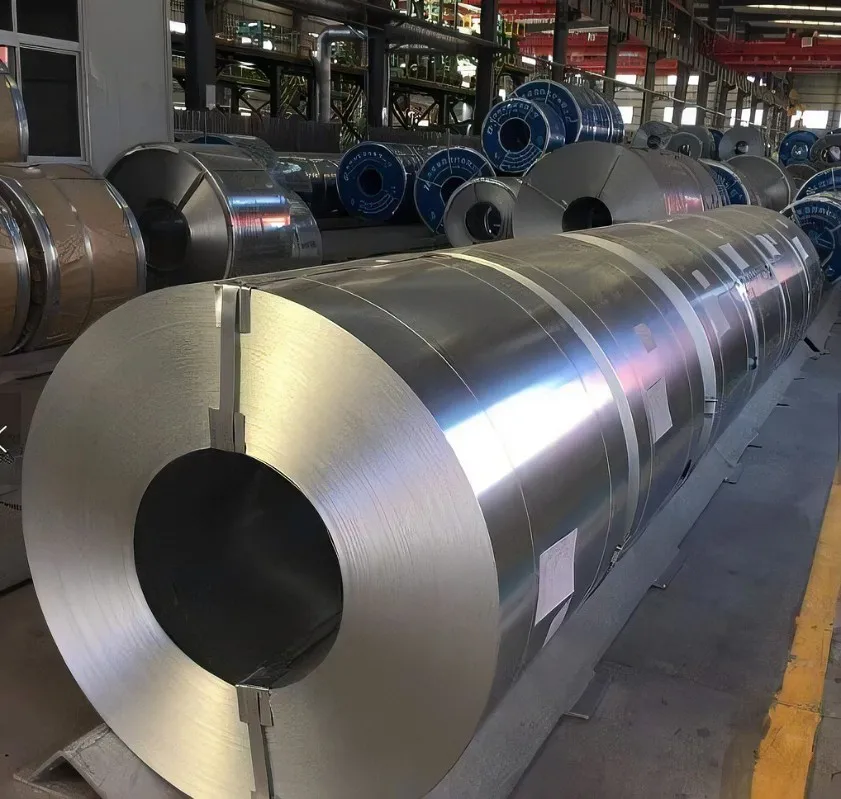
Honyo Prototype employs a rigorously defined workflow for Monel steel (primarily Monel 400 or K-500) components to ensure precision, cost efficiency, and adherence to material-specific requirements. This integrated process begins with CAD submission and concludes with certified delivery, leveraging both advanced technology and deep metallurgical expertise.
CAD Upload and Initial Assessment
Clients initiate the process by uploading native or neutral format CAD files (STEP, IGES, Parasolid) via our secure customer portal. Our system immediately performs an automated geometric validation check, confirming file integrity and identifying potential topology errors. For Monel steel, the system specifically flags features prone to material challenges, such as thin walls susceptible to chatter during machining or deep cavities requiring specialized tooling due to Monel’s high work-hardening rate and low thermal conductivity.
AI-Powered Quoting Engine
Validated CAD data feeds into our proprietary AI quoting engine, which analyzes over 200 parametric variables. For Monel, the AI factors in critical material-specific cost drivers: reduced machining speeds (typically 30-50% slower than 304 stainless steel), elevated tool wear rates requiring more frequent insert changes, mandatory use of flooded coolant systems to manage heat, and potential secondary operations like stress-relief annealing. The engine cross-references real-time shop floor data on Monel billet availability, current machine utilization for hardened toolpaths, and historical scrap rates for nickel-copper alloys, generating a technically accurate quote within 2 hours.
Material-Specific DFM Analysis
Upon quote acceptance, our engineering team conducts a mandatory Design for Manufacturability review focused on Monel’s unique properties. Key checks include:
| DFM Check Parameter | Monel-Specific Threshold | Typical Action if Violated |
|---|---|---|
| Minimum Wall Thickness | > 1.5 mm | Recommend consolidation or ribbing |
| Internal Corner Radius | ≥ 0.8 x wall thickness | Propose EDM or slow-speed milling path |
| Deep Pocket Aspect Ratio | < 5:1 depth-to-width | Split into multiple setups with annealing |
| Tolerance Grade (ISO 2768) | mK or coarser | Suggest post-machining stress relief |
This phase involves direct collaboration with the client to resolve conflicts, such as modifying sharp internal corners that would cause tool fracture in Monel’s galling-prone structure. All DFM recommendations include metallurgical justification per AMS 4675 or ASTM B164 standards.
Precision Production Execution
Approved designs move to production under strict Monel-specific protocols:
Material Verification: Incoming Monel billets undergo PMI (Positive Material Identification) and grain structure analysis before release to the shop floor.
Machining Strategy: CNC programs utilize reduced spindle speeds (40-60 SFM), high-pressure through-spindle coolant (1,000+ PSI), and specialized carbide tooling with TiAlN coatings to mitigate adhesion. Workpieces undergo intermediate stress-relief cycles at 600°C for complex geometries.
In-Process Inspection: Coordinate Measuring Machine (CMM) checks at critical stages validate dimensional stability, as Monel exhibits significant springback during finishing operations. Surface roughness is monitored to prevent micro-cracking from excessive feed rates.
Certified Delivery and Traceability
Final parts undergo full dimensional certification per ASME Y14.5, with material test reports (MTRs) documenting chemistry, tensile strength, and hardness. Each shipment includes:
Unique batch traceability linking to original billet heat number
Dimensional inspection report with Monel-specific tolerance callouts
Cleanliness certification (critical for marine/chemical applications)
Packaging engineered for Monel’s susceptibility to chloride-induced corrosion during transit
This closed-loop process eliminates guesswork in Monel fabrication by embedding material science into every phase—from AI-driven quoting that anticipates nickel-alloy machining physics to delivery documentation satisfying NACE MR0175 compliance requirements. The result is reduced lead time variance and zero non-conformances related to Monel’s challenging workability in our recent 12-month performance data.
Start Your Project
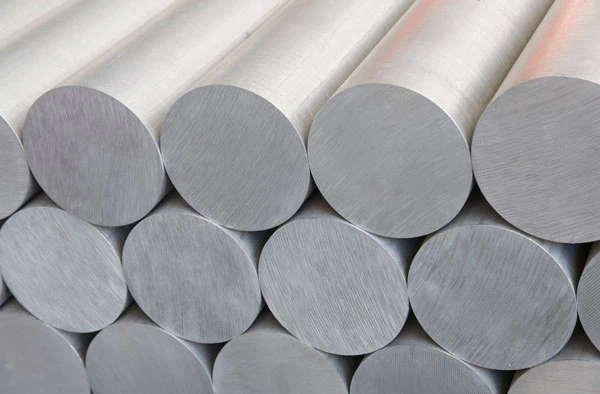
Request a quote today for high-quality Monel steel components manufactured to your specifications.
Contact Susan Leo at [email protected] to discuss your project requirements.
Leverage our precision manufacturing capabilities at our Shenzhen factory for fast turnaround and consistent quality.
Let Honyo Prototype be your trusted partner for advanced alloy solutions.
🚀 Rapid Prototyping Estimator
Estimate rough cost index based on volume.