
Contents
Manufacturing Insight: Molybdenum Steel Vs Stainless Steel
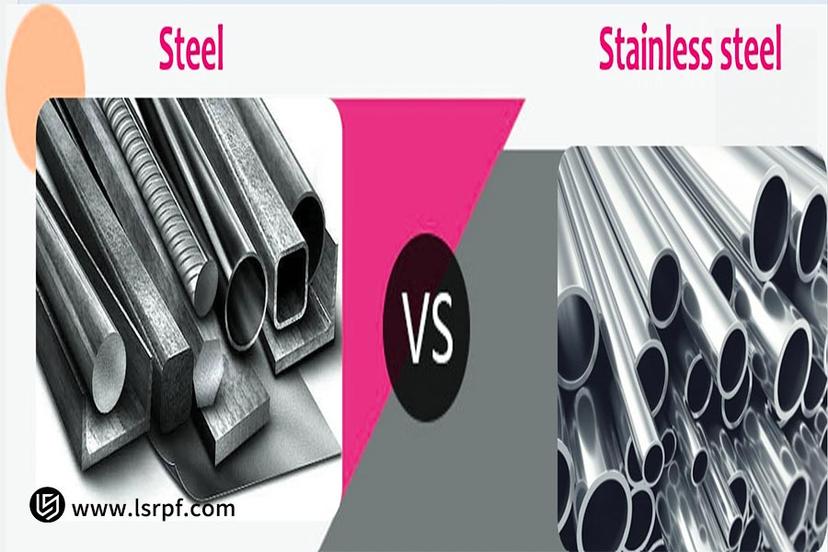
Material Selection Impact on Precision Manufacturing Outcomes
Selecting between molybdenum alloy steel and stainless steel significantly influences CNC machining efficiency, part performance, and production costs. Molybdenum alloy steels like 4140 offer superior strength, hardenability, and wear resistance under high-stress conditions, making them ideal for aerospace and automotive components. However, their higher hardness demands specialized tooling and precise thermal management during machining to prevent tool deflection and surface integrity issues. Stainless steels such as 304 or 316 provide excellent corrosion resistance and aesthetic finishes but introduce challenges like work hardening and galling, requiring optimized feed rates, coolant strategies, and rigid CNC setups to maintain dimensional accuracy.
The critical differences in machinability directly impact lead times and final part quality. Below is a concise comparison of key properties affecting CNC processing:
| Property | Molybdenum Alloy Steel (e.g., 4140) | Stainless Steel (e.g., 304) | Machining Implication for CNC Operations |
|---|---|---|---|
| Hardness/Tensile Strength | High (≈655 MPa UTS) | Moderate (≈515 MPa UTS) | Molybdenum alloys require carbide tooling and reduced cutting speeds to manage heat buildup |
| Corrosion Resistance | Low (requires coatings) | High | Stainless steels necessitate strict chip evacuation control to avoid surface contamination |
| Work Hardening Tendency | Moderate | High | Stainless grades demand consistent toolpaths and minimal dwell time to prevent hardening |
At Honyo Prototype, our CNC machining expertise ensures both material families achieve tight tolerances (±0.005 mm) and superior surface finishes through material-specific process optimization. Our engineers leverage advanced multi-axis machining centers, real-time tool monitoring, and proprietary coolant systems to mitigate inherent challenges—turning complex material requirements into reliable production outcomes.
Accelerate your prototyping or low-volume production with Honyo’s precision CNC services. Determine feasibility and cost immediately using our Online Instant Quote platform, which provides transparent pricing and lead time estimates within minutes based on your 3D CAD file and material selection.
Technical Capabilities
Material Comparison for Precision Machining Applications: Molybdenum Steel vs Stainless Steel
When evaluating molybdenum steel (typically referring to alloy steels such as 4140 or 4340 that contain molybdenum) and stainless steel (e.g., 304, 316, 17-4 PH) in high-precision CNC machining environments—particularly 3-axis, 4-axis, and 5-axis milling and turning operations—several technical factors influence material selection. These include machinability, dimensional stability, tool wear, thermal expansion, and ability to hold tight tolerances (±0.0005″ or tighter). Below is a comparative analysis structured around key performance metrics, with context provided for common companion materials: aluminum, carbon steel, ABS, and nylon.
| Parameter | Molybdenum Steel (e.g., 4140) | Stainless Steel (e.g., 304, 316, 17-4 PH) | Aluminum (e.g., 6061, 7075) | Carbon Steel (e.g., 1018, 1045) | ABS (Acrylonitrile Butadiene Styrene) | Nylon (Polyamide) |
|---|---|---|---|---|---|---|
| Typical Hardness (HRC) | 25–32 (annealed), up to 45+ (heat-treated) | 20–35 (annealed), up to 45 (precipitation hardened) | 15–25 (Brinell) | 15–25 (annealed), up to 40+ (heat-treated) | < 1 (Rockwell R) | 60–80 (Shore D) |
| Machinability (Relative %) | 65–70% | 45–55% (austenitic), 70–80% (martensitic/PH grades) | 100–200% | 70–90% | 100–120% | 60–70% |
| Tool Wear (High/Med/Low) | Medium to High | High (especially 304/316 due to work hardening) | Low | Medium | Very Low | Low to Medium |
| Thermal Expansion (µm/m·K) | ~12 | ~16–18 | ~23 | ~12 | ~80–100 | ~80–120 |
| Thermal Conductivity (W/mK) | ~40 | ~15 (304), ~16 (316) | ~160–180 | ~50 | ~0.2 | ~0.25 |
| Tolerance Capability | ±0.0005″ (achievable with stable setup) | ±0.0005″ (challenging due to deformation and springback) | ±0.0002″ (excellent stability) | ±0.0005″ (good with stress relief) | ±0.001″ (limited by creep) | ±0.001″ (hygroscopic effects) |
| Chip Formation | Continuous, manageable with proper feeds/speeds | Gummy, stringy (austenitic); requires sharp tools | Easily broken, segmented | Continuous | Fine, powdery | Fibrous, soft |
| Coolant Requirement | Required for extended tool life | Mandatory (reduces work hardening and heat buildup) | Recommended | Required | Optional | Optional |
| Common Machining Challenges | Hardness-induced tool wear, need for rigid setup | Work hardening, built-up edge, vibration sensitivity | Chatter (low stiffness), burring | Vibration, dimensional drift | Melting, poor edge finish | Swelling, dimensional instability |
| Typical Applications | Aerospace fittings, shafts, tooling, high-stress parts | Medical devices, food processing, marine hardware | Enclosures, prototypes, heatsinks | Brackets, fixtures, mechanical parts | Housings, jigs, non-structural parts | Gears, bushings, wear components |
Notes on 3/4/5-Axis Milling & Turning:
Molybdenum Steel (e.g., 4140): Offers excellent strength-to-weight ratio and hardenability. Ideal for complex 5-axis parts requiring post-machining heat treatment. Requires rigid tooling and conservative speeds/feeds. Pre-hardened versions simplify achieving tight tolerances without post-process distortion.
Stainless Steel (e.g., 316): Poor thermal conductivity and high work hardening rate demand optimized toolpaths in multi-axis milling. Peck strategies and high-pressure coolant are recommended. 17-4 PH stainless allows for post-machining precipitation hardening, enabling near-net shaping followed by hardening.
Aluminum: Superior for high-speed 5-axis milling due to low density and excellent thermal conductivity. Easily achieves micron-level tolerances. Minimal tool wear allows for long production runs.
ABS & Nylon: Used primarily for prototypes, jigs, and non-metallic components. Require reduced spindle speeds and sharp cutting tools to prevent melting. Not suitable for high-temperature or high-load environments.
Summary:
For tight-tolerance, multi-axis machining, aluminum offers the best balance of machinability and dimensional stability. Molybdenum alloy steels provide high strength and moderate machinability when pre-hardened. Stainless steels present the greatest challenge due to work hardening and thermal sensitivity but are essential for corrosion-resistant applications. ABS and nylon serve niche roles where metal substitution is acceptable, though moisture absorption and creep limit precision over time.
From CAD to Part: The Process
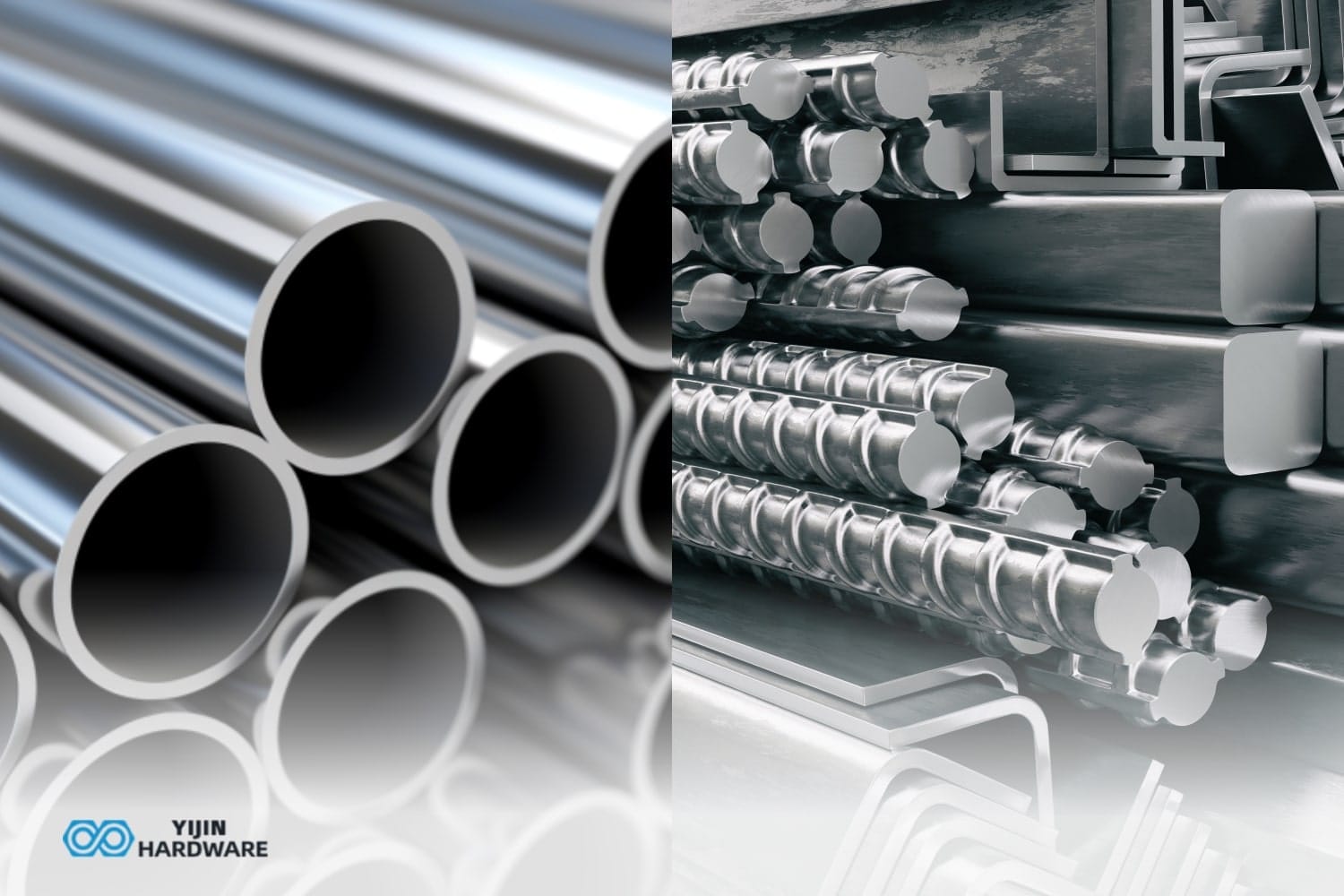
Honyo Prototype delivers precision metal components through a rigorously defined workflow optimized for material-specific requirements. Our process for projects involving molybdenum alloy steels (e.g., AISI 4140/4340) versus stainless steels (e.g., 304/316/L) follows a standardized sequence with critical material-aware checkpoints. This is not a material comparison exercise but a structured execution path where material properties actively drive technical decisions at each phase.
Upon CAD file upload, our system immediately identifies material specifications within the model metadata or client-provided documentation. The AI quoting engine cross-references this with real-time databases of material availability, machining parameters, and historical production data. For molybdenum steels, the system flags requirements for pre-heat treatment and controlled cooling cycles, while stainless steel submissions trigger alerts for work-hardening mitigation strategies and passivation protocols. The generated quote includes material-specific cost drivers such as extended CNC cycle times for stainless steel due to lower cutting speeds or specialized tooling costs for molybdenum alloys.
The Design for Manufacturability (DFM) phase conducts material-critical analysis. Our engineering team evaluates thermal deformation risks in stainless steel during welding or heat treatment and assesses hydrogen embrittlement susceptibility in high-strength molybdenum alloys. Key DFM outputs include:
| Material Type | Critical DFM Checks | Typical Adjustments Required |
|---|---|---|
| Molybdenum Alloy Steel | Hardenability gradients, quench severity, stress risers | Added relief features, modified heat treat specs |
| Stainless Steel | Work-hardening zones, intergranular corrosion risks | Optimized tool paths, specified surface finishes |
During production, material properties dictate machine parameters and quality controls. Molybdenum steel components undergo mandatory pre-machining stress relief and strict thermal monitoring during hardening. Stainless steel parts require continuous coolant optimization to prevent galling and mandatory post-process passivation. All critical dimensions are verified against material-specific thermal expansion coefficients during CMM inspection.
Final delivery includes material-certified documentation packages. For molybdenum steels, we provide heat treatment records with actual quench rates and hardness gradients. Stainless steel shipments include passivation validation reports and ASTM A967 test results. Packaging protocols differ significantly: moisture-sensitive molybdenum alloys ship with desiccant and vapor corrosion inhibitors, while stainless steel parts receive non-chloride protective coatings to prevent surface contamination. This material-integrated workflow ensures technical compliance while maintaining our standard 15-day average lead time for both material families.
Start Your Project
Considering the performance differences between molybdenum steel and stainless steel for your next project? Let Honyo Prototype help you select the right material based on strength, corrosion resistance, and manufacturability.
Our engineering team in Shenzhen has extensive experience working with both molybdenum-enhanced alloys and various grades of stainless steel, ensuring optimal material selection for prototyping and low-volume production.
Contact Susan Leo today at [email protected] to discuss your application requirements and receive expert guidance tailored to your design and performance needs.
🚀 Rapid Prototyping Estimator
Estimate rough cost index based on volume.