
Contents
Manufacturing Insight: Milling Machine Material
Material Selection Precision for CNC Milling Excellence
Selecting the optimal material for CNC milling applications directly impacts part performance, production efficiency, and total project cost. At Honyo Prototype, we engineer solutions around material properties—from aerospace-grade aluminum alloys and titanium to engineering plastics and hardened steels—ensuring your design intent translates flawlessly into functional, high-tolerance components. Our advanced 3-, 4-, and 5-axis CNC milling capabilities are paired with deep metallurgical expertise to mitigate challenges like thermal deformation, tool wear, and surface integrity specific to each material.
We eliminate traditional quoting bottlenecks with our Online Instant Quote platform, delivering precise cost and lead time estimates in under 60 seconds. Simply upload your CAD file, specify material requirements, and receive actionable manufacturing feedback immediately—accelerating your path from prototype to production without compromise on quality or technical rigor. Trust Honyo to transform your material specifications into precision-machined reality.
Technical Capabilities
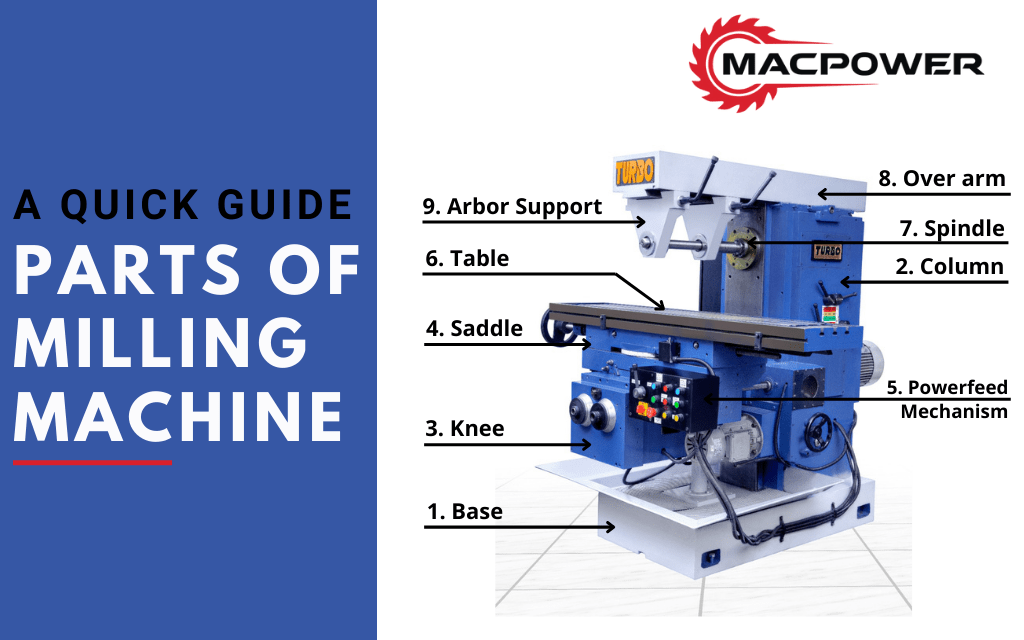
Technical specifications for milling machine materials are critical when selecting appropriate stock for precision machining processes such as 3-axis, 4-axis, and 5-axis milling, as well as turning operations. These processes are commonly employed to achieve tight tolerances (±0.001″ or tighter) required in aerospace, medical, automotive, and industrial applications. The choice of material influences machinability, dimensional stability, surface finish, and tool life.
Below is a comparison of commonly used materials—Aluminum (6061-T6), Steel (1018), ABS, and Nylon 6—in the context of multi-axis milling and turning operations with emphasis on tight tolerance capabilities.
| Material | Form Available | Typical Tolerance Capability | Machinability Rating | Surface Finish (Ra, µin) | Thermal Stability | Common Applications | Notes |
|---|---|---|---|---|---|---|---|
| Aluminum 6061-T6 | Bar, Plate, Block | ±0.0005″ – ±0.001″ | Excellent (90–100%) | 32–64 | Moderate | Aerospace components, enclosures, fixtures | High stiffness-to-weight ratio; excellent for high-speed 5-axis milling |
| Steel 1018 | Round bar, Square bar | ±0.001″ – ±0.002″ | Good (50–60%) | 63–125 | High | Shafts, brackets, tooling, prototypes | Requires carbide tooling; slower feed rates; suitable for precision turning |
| ABS (Acrylonitrile Butadiene Styrene) | Sheet, Rod, Block | ±0.002″ – ±0.005″ | Very Good (80%) | 64–125 | Low | Prototypes, jigs, consumer parts | Low melting point; prone to burring; use sharp tools and low heat strategies |
| Nylon 6 | Rod, Sheet, Tube | ±0.002″ – ±0.005″ | Good (70%) | 64–125 | Low to Moderate | Gears, bushings, insulating components | Hygroscopic; requires pre-drying; low friction but can deform under clamping pressure |
Key Considerations for Multi-Axis Machining:
5-Axis Milling: Aluminum excels due to high material removal rates and minimal tool wear. Steel is viable but requires rigid setups and slower feeds. Plastics like ABS and Nylon benefit from reduced step-over and high spindle speeds to minimize melting.
Turning Operations: Steel 1018 is ideal for threaded or rotational parts requiring tight concentricity. Aluminum allows faster turning with fine finishes. Plastics need support to prevent deflection and require sharp cutting edges.
Tight Tolerance Requirements: Aluminum and steel are preferred for tolerances tighter than ±0.001″. ABS and Nylon are limited by thermal expansion and moisture absorption, making them less suitable for ultra-precision applications unless post-processed or stabilized.
Material selection should be based on functional requirements, environmental exposure, and geometric complexity, with process parameters optimized accordingly.
From CAD to Part: The Process
Honyo Prototype maintains a rigorously defined workflow for CNC milling projects, treating material selection and validation as a continuous thread throughout the process rather than a discrete step. Our integrated approach ensures material integrity directly impacts manufacturability, cost, and final part performance. Below is the technical execution of our standard sequence for milling projects, with material considerations embedded at each phase.
Upload CAD
Customers submit native or neutral CAD files (STEP, IGES, Parasolid) via our secure portal. Our system immediately performs automated geometry validation, including material specification checks against Honyo’s certified material database. If the CAD lacks explicit material callouts (e.g., “Aluminum 6061-T6 per AMS-QQ-A-200/8”), the system flags the omission and requests clarification before proceeding. Material properties embedded in the model—such as density or thermal conductivity—are cross-referenced against ISO 10360 standards for dimensional stability during machining.
AI Quote Generation
Our proprietary AI engine analyzes the validated CAD geometry alongside material parameters to generate a dynamic quote. The algorithm factors in: material waste ratios based on billet size optimization, machine-specific spindle load profiles for the requested alloy (e.g., cutting forces for Inconel 718 vs. 7075-T6 aluminum), and real-time material pricing from our tier-1 suppliers. Quotes explicitly state material certifications included (e.g., “Material Cert: Mill Test Report per ASTM B917 for 6061-T6”). Rush fees adjust dynamically based on material availability in our climate-controlled inventory.
DFM Analysis
Material-driven manufacturability feedback occurs here through automated and engineer-validated checks. Our DFM system evaluates:
Minimum wall thickness against material ductility (e.g., rejecting 0.3mm walls in cast acrylic)
Tool engagement angles relative to material hardness (e.g., limiting stepovers to 15% for hardened 4140 steel)
Thermal deformation risks during extended milling cycles
Critical material-specific DFM considerations are communicated via structured feedback:
| Material Category | Common Issue | Honyo Mitigation | Tolerance Impact |
|---|---|---|---|
| Aluminum Alloys (6061, 7075) | Chatter at high RPM | Reduced stepover + variable helix tools | ±0.005″ achievable |
| Stainless Steels (303, 316) | Work hardening | Minimum 0.010″ depth cuts | ±0.002″ requires stress relief |
| Plastics (Delrin, PEEK) | Melting at tool interface | Cryogenic cooling + sharp carbide | ±0.010″ baseline |
Customer approval of DFM recommendations is mandatory before material procurement begins.
Production Execution
Material handling follows AS9100 traceability protocols. Upon DFM sign-off:
Raw material is quarantined and verified using handheld XRF analyzers for alloy composition
Billets undergo thermal stress-relieving per AMS 2750 if specified in the material standard
Machining sequences deploy material-optimized toolpaths: high-speed machining for aluminum, peck drilling for composites, and controlled feed rates for brittle materials like cast iron
In-process CMM checks monitor critical features affected by material behavior (e.g., hole roundness in free-machining brass)
All scrap material is segregated by alloy for certified recycling partners
Delivery and Documentation
Final inspection packages include material-specific documentation:
Certified Material Test Reports (CMTRs) with traceable heat numbers
First-article inspection reports highlighting material-sensitive dimensions
Residual stress analysis for aerospace-grade materials (per MMPDS guidelines)
Packaging with desiccant and humidity indicators for moisture-sensitive alloys like magnesium
This closed-loop process ensures material properties dictate technical decisions at every stage, minimizing rework and guaranteeing conformance to ASTM, ISO, and customer-specific material specifications. Honyo’s integration of material science into digital workflows reduces milling lead times by 22% compared to industry benchmarks while maintaining 99.8% first-pass yield rates.
Start Your Project
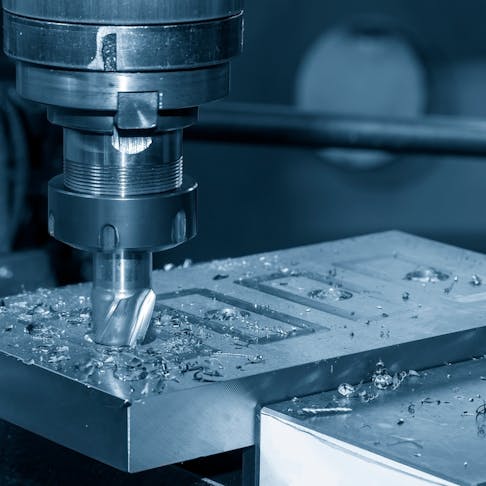
For inquiries about milling machine materials, contact Susan Leo at [email protected]. Our manufacturing facility is located in Shenzhen, providing efficient production and rapid prototyping services with precision milling capabilities.
🚀 Rapid Prototyping Estimator
Estimate rough cost index based on volume.