
Contents
Manufacturing Insight: Milling Machine Fixture
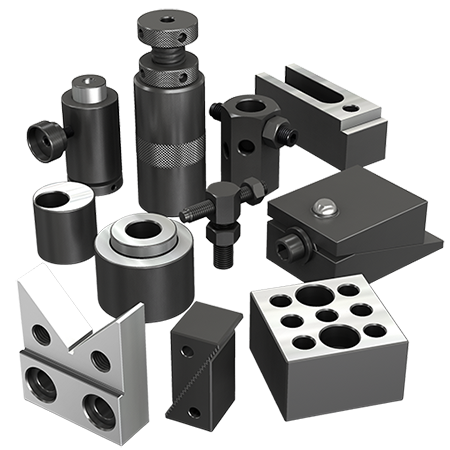
Precision Milling Fixtures: The Honyo Advantage
Achieving consistent, high-tolerance results in CNC milling demands more than just advanced machinery; it requires meticulously engineered workholding solutions. At Honyo Prototype, our milling machine fixtures are not merely clamping devices but integral components of the manufacturing process, designed to maximize repeatability, minimize setup times, and ensure dimensional integrity down to sub-0.0005″ tolerances. We leverage deep expertise in fixture design and CNC machining to create custom solutions that securely locate and immobilize complex geometries, directly translating to reduced scrap rates, accelerated throughput, and lower per-part costs for your critical components.
As a full-service CNC machining partner, Honyo integrates precision fixture development seamlessly with our high-accuracy milling, turning, and multi-axis capabilities. Our engineering team collaborates closely with clients from the initial design phase, optimizing fixtures for both manufacturability and long-term production stability using premium materials like hardened tool steels and aerospace-grade aluminum alloys. This holistic approach guarantees your parts meet the most stringent specifications on time and within budget.
Accelerate your prototyping or low-volume production timeline immediately. Utilize Honyo’s Online Instant Quote system to receive a detailed, no-obligation cost estimate for your CNC machining project, including custom fixture requirements, in minutes – not days. Submit your CAD files today and experience the precision engineering advantage.
Technical Capabilities
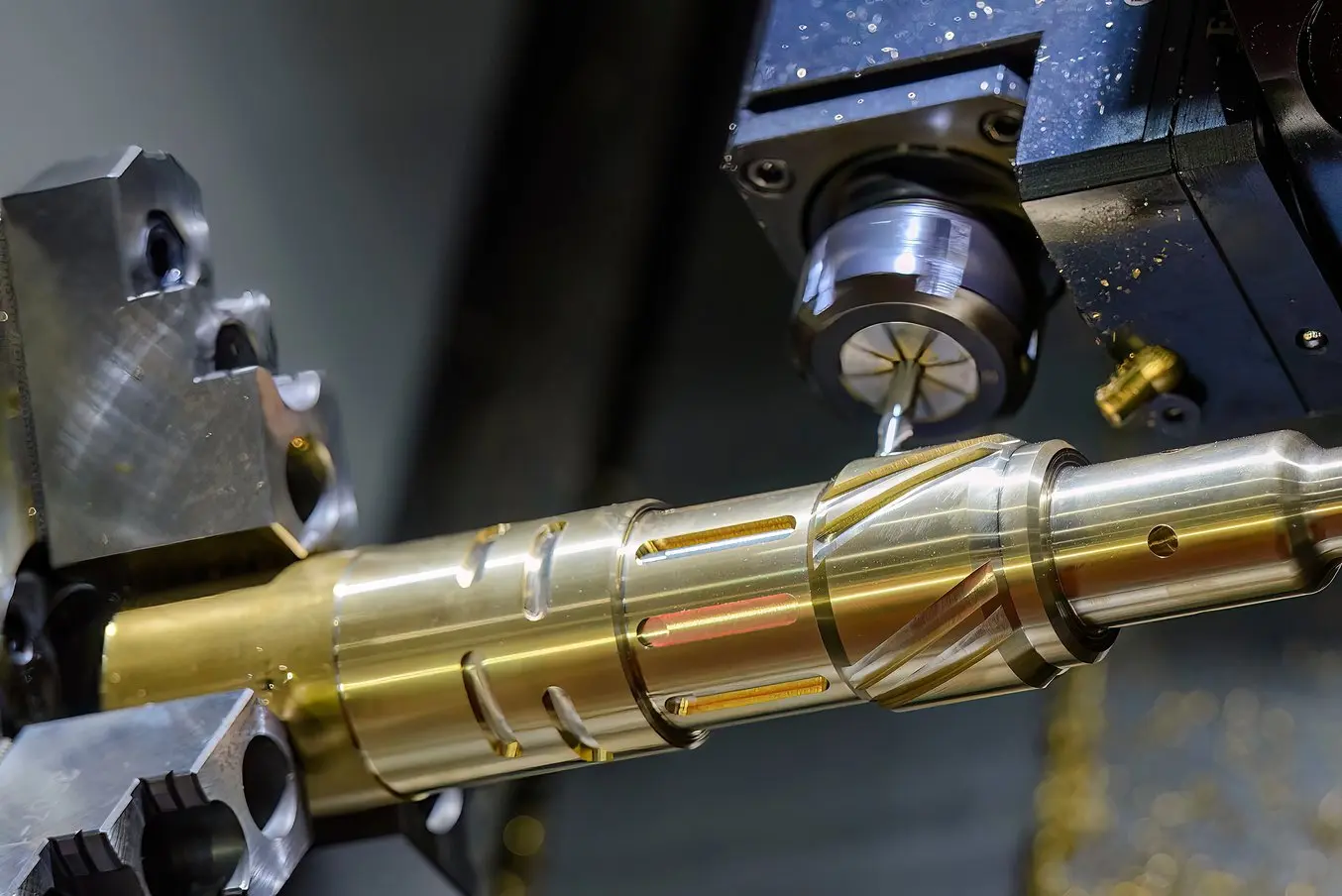
Technical Specifications for Milling Machine Fixtures – 3/4/5-Axis Milling and Turning Applications
Milling machine fixtures for precision 3-axis, 4-axis, and 5-axis machining, as well as turning operations, are engineered to ensure maximum rigidity, repeatable positioning, and minimal deflection under cutting forces. These fixtures are critical for achieving tight tolerances (±0.0005″ to ±0.001″ or better) and are commonly used in aerospace, medical, and automotive prototyping and production environments. Material selection depends on application requirements including strength, weight, thermal stability, and cost.
| Feature | Specification |
|---|---|
| Compatibility | Designed for 3-axis, 4-axis, and 5-axis CNC milling centers; adaptable for turning centers with modular setups |
| Tolerance Capability | ±0.0005″ (12.7 µm) typical; up to ±0.0002″ (5 µm) with precision-ground components and thermal compensation |
| Repeatability | ≤ ±0.0003″ (7.6 µm) across multiple setups using locating pins, hydraulic clamping, or zero-point systems |
| Clamping Mechanism | Hydraulic, pneumatic, or mechanical (screw, cam, toggle); modular designs with quick-change capability |
| Locating Accuracy | Hardened and ground locating surfaces; ±0.0002″ (5 µm) positional accuracy using dowel pins and precision-machined reference edges |
| Surface Finish (Fixture Contact Areas) | 32–63 µin (0.8–1.6 µm) Ra to minimize galling and ensure consistent part contact |
| Material Options – Aluminum | 6061-T6 or 7075-T6 for lightweight, corrosion-resistant fixtures; used for medium-duty applications and rapid prototyping |
| Material Options – Steel | 4140, A2, or 1018 steel for high rigidity and wear resistance; ideal for high-volume production and heavy cutting loads |
| Material Options – ABS | Used for low-cost, non-load-bearing locator blocks or soft jaws; suitable for low-force operations and prototype setups |
| Material Options – Nylon | Wear-resistant, non-marring material for clamping surfaces; used in delicate part fixturing to prevent surface damage |
| Thermal Stability | Materials selected and aged to minimize thermal expansion; coefficient of thermal expansion (CTE) matched where possible between fixture and workpiece |
| Modularity | Compatibility with grid-based pallet systems, tombstones, and zero-point tooling for fast changeover in 4/5-axis environments |
| Surface Treatments | Anodizing (Aluminum), hard coat anodizing, nitriding, or powder coating for wear and corrosion resistance |
| Design Standards | Compliant with ISO 1932, DIN 650, or customer-specific interface standards; CAD/CAM integration for optimized fixturing |
Fixtures are typically designed and validated using FEA (Finite Element Analysis) to ensure structural integrity under maximum expected loads. For tight-tolerance applications, in-process metrology and thermal monitoring are often integrated. Material selection balances durability, weight, and cost—steel for maximum stability, aluminum for versatility and reduced machine loading, and engineered polymers like ABS or nylon for specialized contact points where part protection is critical.
From CAD to Part: The Process
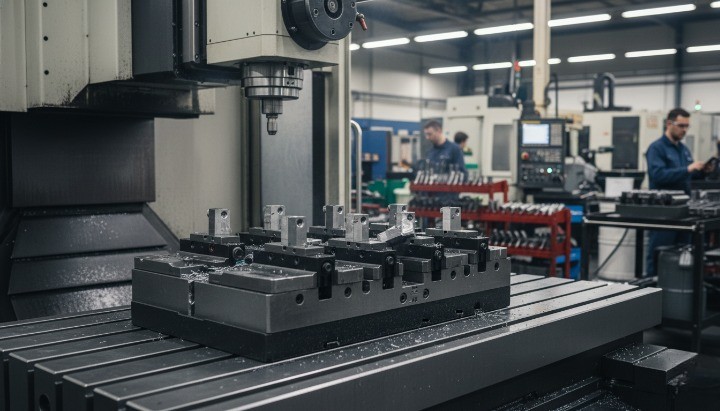
Honyo Prototype executes a rigorously defined workflow for milling machine fixture fabrication, ensuring precision, efficiency, and client alignment from initial concept to final delivery. This structured process minimizes iteration and accelerates time-to-part while maintaining stringent quality control.
CAD Upload
Clients initiate the process by uploading native or neutral CAD files (STEP, IGES, Parasolid, or native formats from SolidWorks, NX, Creo, CATIA) via our secure customer portal. Our system performs an automated format validation check, confirming geometric integrity and unit consistency. This step establishes the foundational geometry for all subsequent stages, requiring no manual intervention for standard file types.
AI-Powered Quoting
Uploaded geometry triggers our proprietary AI quotation engine, which analyzes part complexity, material requirements, machine time, and fixture-specific features (e.g., datum structures, clamping surfaces, coolant channels). The AI cross-references real-time shop floor data including machine availability, material stock levels, and labor rates. While the AI generates a preliminary cost and timeline within 2 business hours, all quotes undergo mandatory review by a senior manufacturing engineer. This hybrid approach ensures algorithmic speed is balanced with human expertise in machining strategy validation. Typical turnaround metrics for this phase are:
| Process Stage | Typical Duration | Key Inputs Verified |
|---|---|---|
| AI Quote Generation | < 2 business hours | Geometry complexity, Material density, Feature criticality |
| Engineer Review | +1 business hour | Machining strategy feasibility, Fixture stability assessment, Material sourcing confirmation |
DFM Analysis and Validation
Following quote acceptance, our engineering team conducts a comprehensive Design for Manufacturability review focused explicitly on milling fixture requirements. This involves validating locational datum schemes, assessing clamping force distribution, verifying tolerance stack-ups for repeatability, and identifying potential vibration risks during high-speed machining. We specifically check for undercuts incompatible with 3+2 axis milling, minimum wall thickness relative to material, and accessibility for probe validation. Clients receive a detailed DFM report with actionable recommendations, such as suggested material substitutions (e.g., 6061-T6 aluminum versus 7075 for cost-sensitive applications) or geometric modifications to enhance rigidity. This phase typically concludes within 3 business days, incorporating client feedback loops before final sign-off.
Precision Production
Approved fixtures enter production on our dedicated CNC milling resources, primarily utilizing DMG MORI and Haas 5-axis vertical machining centers equipped with Renishaw probing systems. All critical datums are verified in-process via automated touch-probe routines to ensure positional accuracy within ±0.005mm. Fixtures requiring hardened components undergo controlled heat treatment with post-temper stress relief, followed by precision grinding of critical mounting surfaces. Every operation adheres to documented work instructions with first-article inspection (FAI) per AS9102 standards, including CMM validation of all functional interfaces. Material certifications and process documentation are maintained in our digital quality ledger.
Quality-Controlled Delivery
Following final inspection and surface treatment (anodizing, powder coating, or corrosion-resistant oil as specified), fixtures undergo functional testing on representative production equipment to validate workholding performance. We package fixtures with serialized calibration certificates, assembly instructions, and torque specifications for clamping elements. Standard delivery occurs within 72 hours of client approval for fixtures under 50kg, utilizing tracked logistics with real-time shipment visibility. All deliverables include a complete digital twin package matching the as-built geometry for client metrology validation. This end-to-end traceability ensures seamless integration into the client’s manufacturing cell with zero rework.
Start Your Project
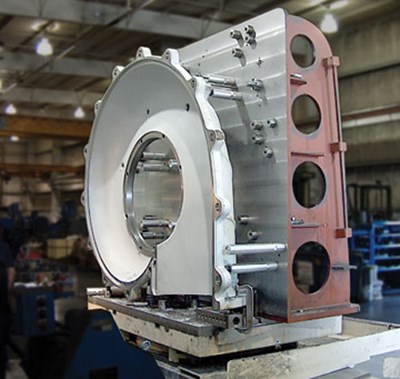
Looking for a reliable milling machine fixture solution? Partner with Honyo Prototype for precision-engineered fixturing designed to enhance accuracy, repeatability, and productivity in your machining operations.
Our fixtures are manufactured in-house at our Shenzhen factory, ensuring tight quality control and fast turnaround times.
Contact Susan Leo today to discuss your project requirements and discover how we can optimize your milling processes.
Email: [email protected]
🚀 Rapid Prototyping Estimator
Estimate rough cost index based on volume.