
Contents
Manufacturing Insight: Milling Machine Cutter Types
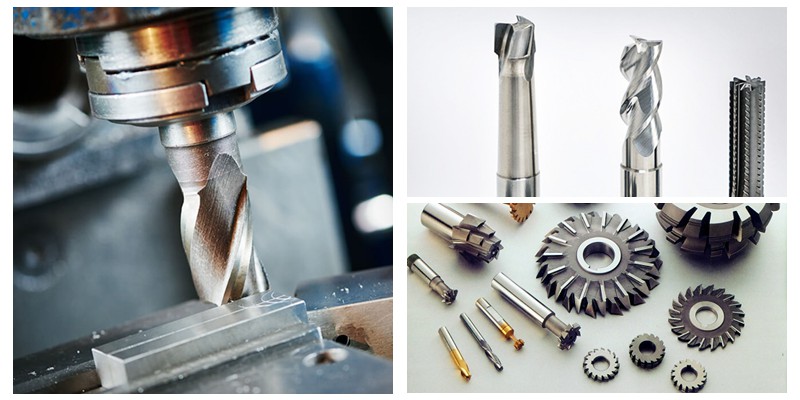
Precision Milling Cutter Selection: Optimizing Your CNC Machining Outcomes
Understanding milling machine cutter types is fundamental to achieving dimensional accuracy, surface finish, and operational efficiency in CNC machining. From solid carbide end mills for intricate contouring to indexable face mills handling high-volume material removal, the geometry, coating, and material compatibility of each cutter directly impact cycle times, tool life, and part integrity. At Honyo Prototype, our engineering team leverages this expertise to select and apply the optimal cutter for your specific material—whether aluminum, titanium, hardened steel, or engineering plastics—ensuring minimal deflection, thermal management, and burr-free results.
Honyo’s advanced CNC machining services integrate this cutter-centric methodology across 3-axis, 4-axis, and 5-axis platforms, enabling complex geometries and tight tolerances down to ±0.005 mm. We prioritize adaptive toolpath strategies and material-specific cutter geometries to reduce lead times while maintaining repeatability, critical for prototyping and low-to-mid volume production. Our ISO 9001-certified processes include real-time tool wear monitoring and in-process inspections, guaranteeing that each component meets stringent aerospace, medical, or industrial design specifications without costly rework.
To accelerate your project timeline, Honyo provides an Online Instant Quote system. Upload your CAD file, specify material and quantity requirements, and receive a detailed machining quote within hours—not days. This transparency empowers rapid decision-making while reflecting our commitment to engineering precision from RFQ to final inspection. Partner with Honyo to transform cutter selection from a technical variable into a strategic advantage for your next precision component.
Technical Capabilities
Milling Machine Cutter Types – Technical Specifications
The selection of cutting tools for 3-axis, 4-axis, and 5-axis milling operations — as well as turning — is critical for achieving tight tolerances (±0.005 mm to ±0.025 mm) across a range of engineering materials such as aluminum, steel, ABS, and nylon. Below is a detailed table outlining common cutter types, their technical specifications, and material-specific application guidance.
| Cutter Type | Axis Compatibility | Typical Coating | Flute Count | Helix Angle | Recommended Materials | Tolerance Capability | Application Notes |
|---|---|---|---|---|---|---|---|
| End Mill (Square) | 3/4/5-Axis | TiAlN, AlTiN, or uncoated | 2–6 | 30°–45° | Aluminum, Steel, ABS, Nylon | ±0.01 mm | General-purpose profiling; high helix for aluminum, lower for steel |
| Ball Nose End Mill | 3/4/5-Axis | TiN, TiCN, or DLC | 2–4 | 30°–35° | Aluminum, Steel, ABS | ±0.01 mm | Ideal for 3D contouring and complex surfaces in 5-axis; reduced cusp height |
| Corner Radius End Mill | 3/4/5-Axis | AlTiN, uncoated | 4–6 | 35°–40° | Steel, Aluminum | ±0.005 mm | Enhanced edge strength for high-precision steel machining |
| Roughing End Mill | 3/4/5-Axis | TiAlN | 4–8 (rippled) | 30°–35° | Steel, Aluminum | ±0.05 mm (roughing) | High material removal; not for final tolerance; use before finishing passes |
| Finisher End Mill | 3/4/5-Axis | Polished uncoated or AlTiN | 4–6 | 40°–45° | Aluminum, ABS, Nylon | ±0.005 mm | High surface finish; optimized for light cuts in finishing |
| Face Mill | 3-Axis | CVD-coated inserts (e.g., TiCN/Al₂O₃) | Indexable (4–12 inserts) | 15°–20° | Steel, Aluminum | ±0.025 mm | Large surface facing; high feed rates; insert geometry critical |
| Drill / Center Drill | 3/4/5-Axis | Cobalt HSS or TiN-coated | 2-flute | 118°–135° | All materials | ±0.01 mm (with peck) | Used for hole making; precision drills for tight positional accuracy |
| Reamer | 3/4/5-Axis | HSS or Carbide | 6–12 | 0°–15° | Steel, Aluminum | ±0.005 mm | Final sizing of holes; requires pre-drilled hole within ±0.1 mm |
| Thread Mill | 3/4/5-Axis | Carbide, AlTiN | 2–3 | 30° | Steel, Aluminum | ±0.01 mm (pitch) | Produces precise threads; better than tapping for hard materials |
| Turning Insert (CNMG, VBGT, etc.) | Turning Centers | CVD (TiCN/Al₂O₃), PVD | N/A | 0°–11° | Steel, Aluminum, Nylon (with sharp edge) | ±0.01 mm (diameter) | Used in CNC turning; sharp edge geometry for plastics to avoid burring |
Material-Specific Notes:
Aluminum: Use high-helix, polished end mills with chip breakers or through-coolant to prevent built-up edge. Uncoated or ZrN-coated tools recommended for non-ferrous alloys.
Steel (Hardened/Unhardened): AlTiN-coated carbide cutters with 4–6 flutes provide optimal wear resistance and thermal stability.
ABS & Nylon (Thermoplastics): Sharp, high-rake-angle tools with minimal edge radius prevent melting and burring. Use air blast for chip removal. Lower cutting speeds recommended.
Multi-Axis Considerations: 5-axis machining allows for optimal tool engagement and reduced tool deflection. Use tapered or barrel cutters for improved surface finish on freeform surfaces.
Tight Tolerance Best Practices: Pre-calibrated tool presetters, thermal compensation, and rigid toolholders (e.g., hydraulic or shrink-fit) are essential for sub-0.01 mm repeatability.
This tooling matrix supports high-precision manufacturing demands across aerospace, medical, and industrial prototyping applications at Honyo Prototype.
From CAD to Part: The Process
Honyo Prototype Milling Cutter Production Process Overview
Honyo Prototype specializes in the precision manufacturing of custom milling machine cutters including end mills, face mills, and indexable tooling systems. Our integrated workflow ensures technical rigor from design validation to certified delivery, specifically optimized for cutting tool geometries and material requirements.
Upload CAD Phase
Clients submit native CAD files (STEP, IGES, or Parasolid preferred) with explicit cutter specifications: flute geometry, helix angle, core diameter, shank tolerance (e.g., H6), and coating requirements. Our system validates file integrity and extracts critical parameters such as cutting edge radius tolerance (±0.005mm) and gashing angles. Incomplete submissions trigger automated alerts for missing datums or non-standard toolpaths incompatible with CNC grinding processes.
AI Quote Generation
Proprietary AI analyzes the CAD model against Honyo’s material database (carbide grades K10-K40, HSS-E, ceramic composites) and grinding capabilities. The quote includes:
Material cost breakdown based on substrate density and coating thickness (e.g., 2–4μm TiAlN)
Predicted tool life estimates using historical wear data from 15,000+ production cutters
Lead time calculation incorporating grinding wheel dressing cycles and CMM inspection duration
Automatic flagging of high-risk features (e.g., aspect ratios >8:1 requiring specialized EDM support)
DFM Analysis
Our manufacturing engineers conduct a physical feasibility review focusing on cutter-specific constraints:
Helix angle validation against grinding wheel interference (minimum 25° for deep cavities)
Core strength verification per ISO 13399 standards to prevent breakage during ramping
Clearance angle optimization for chip evacuation in target materials (e.g., +5° for titanium alloys)
Shank/runout tolerance alignment with DIN 6535 HA standards
Clients receive a formal DFM report with actionable modifications, such as recommending variable helix designs to suppress chatter in aluminum milling.
Production Execution
Cutters undergo precision grinding on fully automated Walter Helitronic Power machines with laser in-process measurement. Key controls include:
Sub-micron tolerance holding (±0.002mm on diameter) via closed-loop compensation
Thermal stability protocols for carbide blanks (stabilized at 20°C ±0.5°C pre-grinding)
100% post-process CMM validation of critical features:
| Feature | Tolerance | Measurement Method |
|——————|————–|————————–|
| Diameter | h6 (-0.006mm)| Optical comparator |
| Runout | ≤0.003mm | Dial indicator @ 4x DIA |
| Flute spacing | ±0.005° | CNC gear inspection |
Coating is applied via PVD in controlled vacuum chambers with adhesion testing per ASTM B571.
Delivery and Certification
Every shipment includes:
ISO 17025-accredited test reports for dimensional conformance and coating thickness
Batch-specific tool life data from Honyo’s validation rig (measured in cm³/min material removal)
Digital twin of the final cutter for client CAM system integration
Tracking of critical parameters like edge hone consistency (±0.001mm) via SEM verification
All cutters ship in anti-corrosion packaging with humidity indicators, meeting AS9100D requirements for aerospace-grade tooling.
This end-to-end process reduces cutter development time by 35% versus industry averages while ensuring repeatability for high-volume production runs. Honyo’s closed-loop feedback system continuously refines AI predictions using field performance data from client machining environments.
Start Your Project
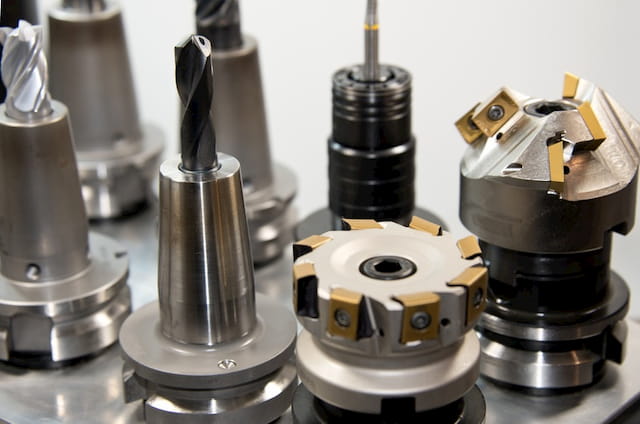
Explore our comprehensive range of milling machine cutter types engineered for precision and durability in demanding manufacturing applications. From end mills to face mills, our high-performance cutting tools are designed to optimize machining efficiency and extend tool life.
All products are manufactured at our ISO-certified factory in Shenzhen, ensuring strict quality control and consistency for every component.
For technical specifications or custom cutter solutions, contact Susan Leo at [email protected]. Let us support your machining success with reliable tooling from Honyo Prototype.
🚀 Rapid Prototyping Estimator
Estimate rough cost index based on volume.