
Contents
Manufacturing Insight: Mild Steel Price Per Pound
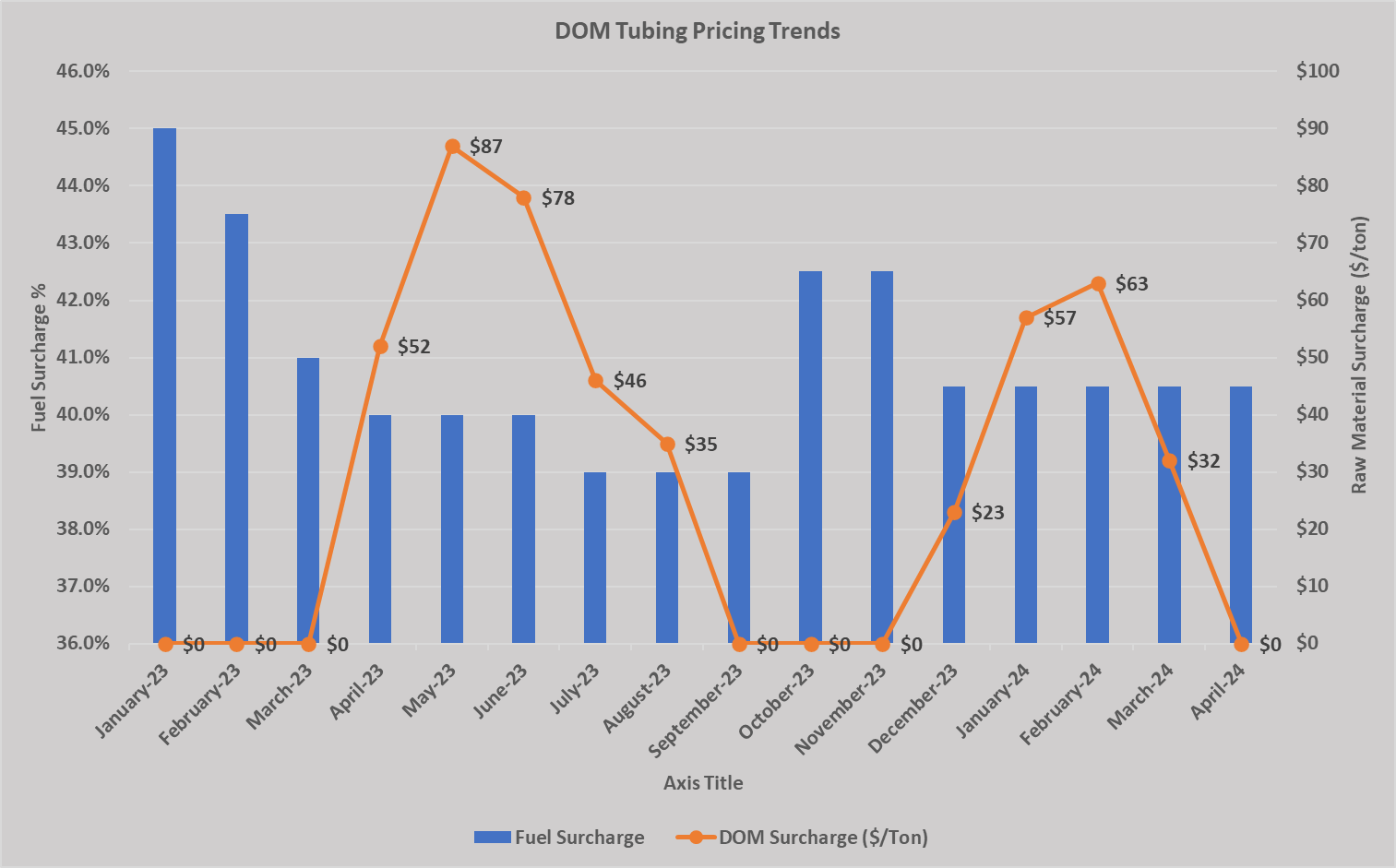
Understanding mild steel pricing per pound is critical for accurate budgeting in precision manufacturing projects. As a foundational material in prototyping and low-volume production, mild steel costs fluctuate based on grade, market conditions, and order volume, directly impacting your component’s final cost. At Honyo Prototype, we recognize that raw material expenses are only one element of total project economics. Our advanced CNC machining services transform this common material into high-value, tolerance-critical components through optimized processes that minimize waste and maximize efficiency.
Honyo leverages state-of-the-art CNC milling and turning centers to deliver exceptional precision on mild steel parts, whether you require simple brackets or complex assemblies. Our engineering team focuses on material utilization strategies and process refinement, ensuring your project achieves target costs without sacrificing quality or lead time. For common grades like ASTM A36 and AISI 1018, we maintain real-time supplier data to provide transparent cost breakdowns. Below are typical baseline properties influencing machinability and cost structure:
| Mild Steel Grade | Tensile Strength (psi) | Common Applications | Machinability Rating |
|---|---|---|---|
| ASTM A36 | 58,000 – 80,000 | Structural frames, brackets | Good (60%) |
| AISI 1018 | 63,800 | Shafts, pins, fixtures | Excellent (70%) |
Material cost is merely the starting point. The true value lies in how efficiently a manufacturer converts raw stock into functional parts. Honyo’s integrated approach—from DFM analysis to automated finishing—reduces secondary operations and accelerates time-to-assembly, ultimately lowering your total landed cost per component. To obtain an accurate, real-time cost assessment that factors in current mild steel pricing, your specific geometry, and our optimized machining parameters, utilize Honyo’s Online Instant Quote platform. Input your CAD file and requirements to receive a detailed quotation within hours, reflecting today’s material rates and our lean production capabilities. This transparency empowers informed sourcing decisions while demonstrating how precision engineering offsets base material variables.
Technical Capabilities
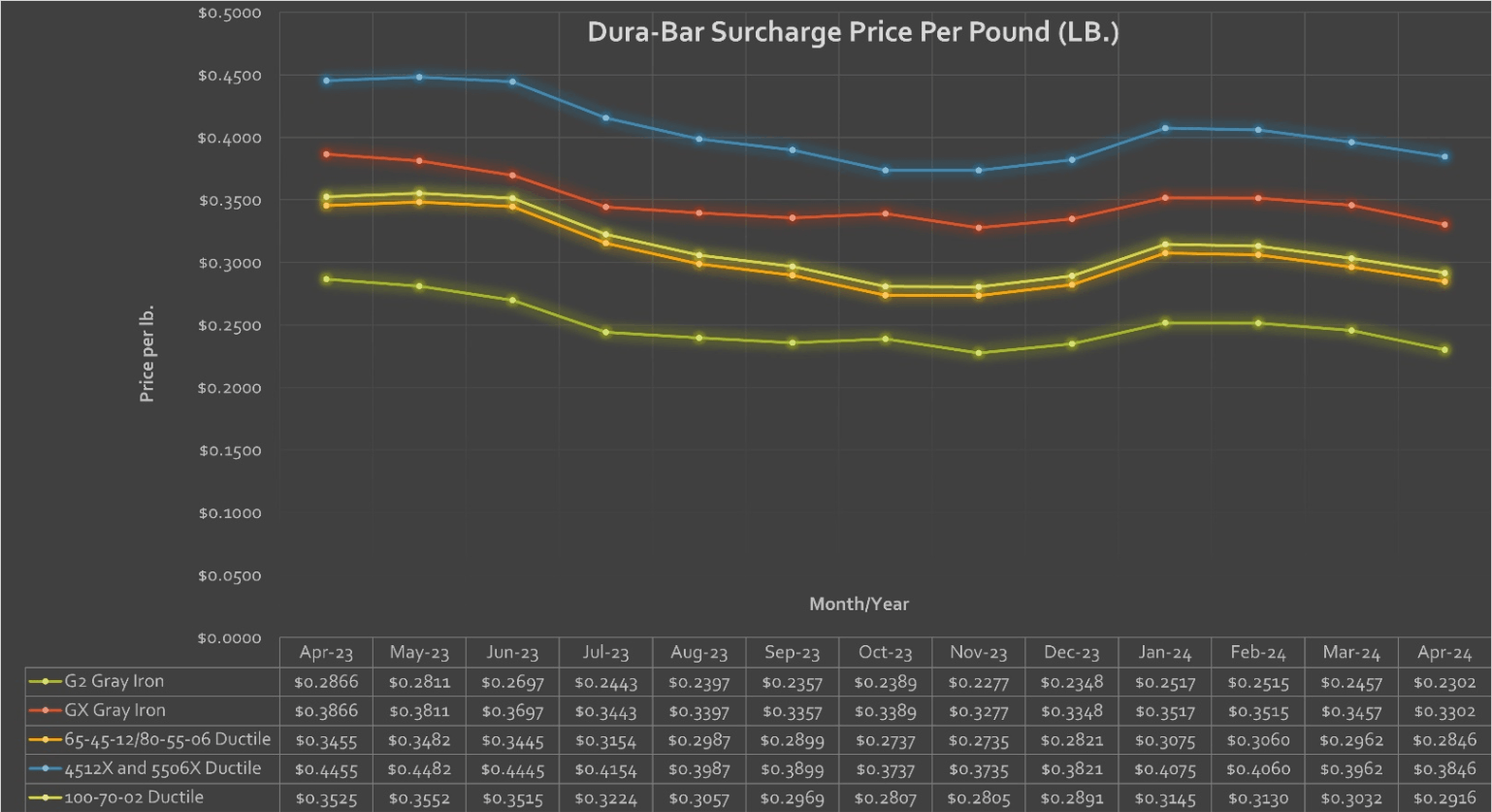
The term “mild steel price per pound” refers to the raw material cost of low-carbon steel, commonly used as a baseline for comparing material costs in precision machining. However, in the context of 3/4/5-axis milling, turning, and tight tolerance manufacturing, the relevant metric extends beyond raw material cost to include machinability, tool wear, setup complexity, and overall production cost.
Below is a technical comparison of common engineering materials—including mild steel—used in high-precision CNC machining. The table outlines key properties and relative cost drivers relevant to multi-axis milling and turning operations, with a focus on tight tolerance (±0.0005″ to ±0.005″) applications.
| Material | Density (lb/in³) | Typical Price (Raw, $/lb) | Machinability Rating (%) | Common Use in 3/4/5-Axis Milling | Suitability for Tight Tolerance | Notes on CNC Processing |
|---|---|---|---|---|---|---|
| Mild Steel (A36/1018) | 0.284 | $0.60 – $0.80 | 55–65 | Moderate – for structural or low-precision components | Moderate – prone to thermal expansion and tool wear | Higher cutting forces; requires rigid setups; coolant recommended |
| Aluminum (6061-T6) | 0.098 | $2.20 – $2.80 | 90–100 | High – ideal for complex 5-axis geometries | Excellent – stable, easy to hold tight tolerances | High chip removal rates; low tool wear; preferred for aerospace |
| Stainless Steel (304/316) | 0.289 | $3.00 – $4.50 | 40–45 | Moderate – used in medical, food-grade, and marine | Good – with proper tooling and thermal control | Generates heat; requires high-performance end mills |
| ABS (Thermoplastic) | 0.036 | $1.80 – $2.50 | 85–90 | High – for prototypes and non-structural parts | Good – low stiffness affects ultra-fine tolerances | Low melting point; sharp tools and light cuts required |
| Nylon (PA6/PA66) | 0.041 | $3.00 – $4.00 | 70–80 | Moderate – for wear-resistant components | Fair – hygroscopic (absorbs moisture), dimensional instability | Pre-dry material; avoid high spindle speeds |
Notes on 3/4/5-Axis Milling and Turning:
Multi-axis CNC operations benefit from materials with consistent machinability and dimensional stability. Aluminum 6061-T6 is often preferred for complex parts due to its favorable strength-to-weight ratio, excellent thermal stability, and high tool life. Mild steel, while low-cost per pound, incurs higher machining costs due to increased tool wear and slower cutting speeds.
For tight tolerance work, environmental control (temperature, humidity) and fixturing rigidity are critical—especially with materials like nylon, which are sensitive to moisture absorption and creep.
Summary:
While mild steel has the lowest raw material cost per pound, its overall cost in precision machining can exceed that of aluminum or engineering plastics when factoring in tooling, cycle time, and post-processing. Material selection should balance mechanical requirements, production volume, and tolerance demands.
From CAD to Part: The Process
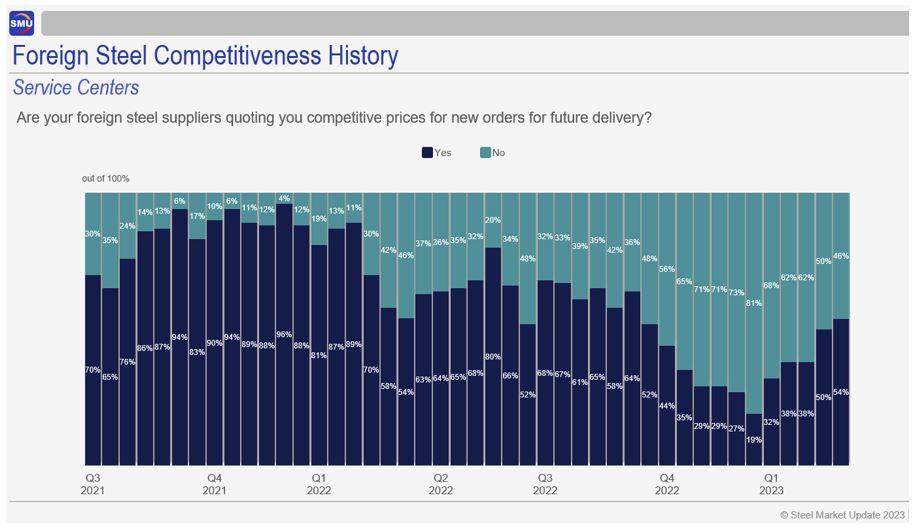
Honyo Prototype’s mild steel pricing per pound is dynamically calculated within our integrated digital manufacturing workflow, ensuring accuracy and transparency. This cost is not a static rate but derived from specific project parameters at each stage.
Upon CAD file upload, our system extracts precise geometric data to calculate the net part weight in pounds. This foundational weight determination directly anchors the mild steel cost component. The material grade specification (e.g., ASTM A36, 1018) within the CAD or inquiry dictates the applicable base market rate per pound, sourced from real-time supplier feeds and adjusted for order volume.
AI Quote Generation
The AI engine combines the calculated net weight, validated material grade pricing, current scrap rates, and process-specific yield factors. For example:
| Parameter | Value Used in Calculation |
|---|---|
| Net Part Weight | 2.8 lbs (from CAD geometry) |
| Mild Steel Grade | ASTM A36 ($0.42/lb base rate) |
| Scrap Multiplier | 1.15x (process-dependent) |
| Material Cost | $1.35 (2.8 lbs * $0.42 * 1.15) |
This generates an initial material cost estimate before labor and overhead. The scrap multiplier accounts for kerf loss in cutting and unavoidable remnant material, critical for accurate per-pound costing.
DFM Analysis
Our manufacturing engineers rigorously review the AI’s material assumptions during DFM. We verify:
Weight calculations against nested sheet utilization
Material grade compliance with functional requirements
Scrap factors based on actual machine capabilities (e.g., laser vs. plasma cutting efficiency)
Opportunities to optimize nesting for yield improvement, which directly reduces the effective cost per pound
Production and Final Costing
During production, the actual material consumed is tracked via our shop floor control system. The final invoice reflects the precise pounds of mild steel used (net weight + verified scrap), multiplied by the contracted rate. This eliminates estimation variances, providing auditable cost transparency. Typical delivery timelines remain 5-7 business days post-DFM approval for standard mild steel prototyping.
This structured approach ensures your mild steel cost per pound is engineered, not estimated—driving predictable budgeting and eliminating hidden material cost surprises. We provide full material traceability documentation upon request.
Start Your Project

Looking for current mild steel pricing per pound? Contact Susan Leo at [email protected] for accurate, up-to-date material quotes tailored to your project needs.
Honyo Prototype operates a dedicated manufacturing facility in Shenzhen, ensuring tight process control, fast turnaround, and consistent material quality for all custom fabrication and prototyping applications.
Reach out today to request pricing, discuss volume requirements, or obtain technical specifications for mild steel and other engineering materials.
🚀 Rapid Prototyping Estimator
Estimate rough cost index based on volume.