
Contents
Manufacturing Insight: Mild Steel Metal
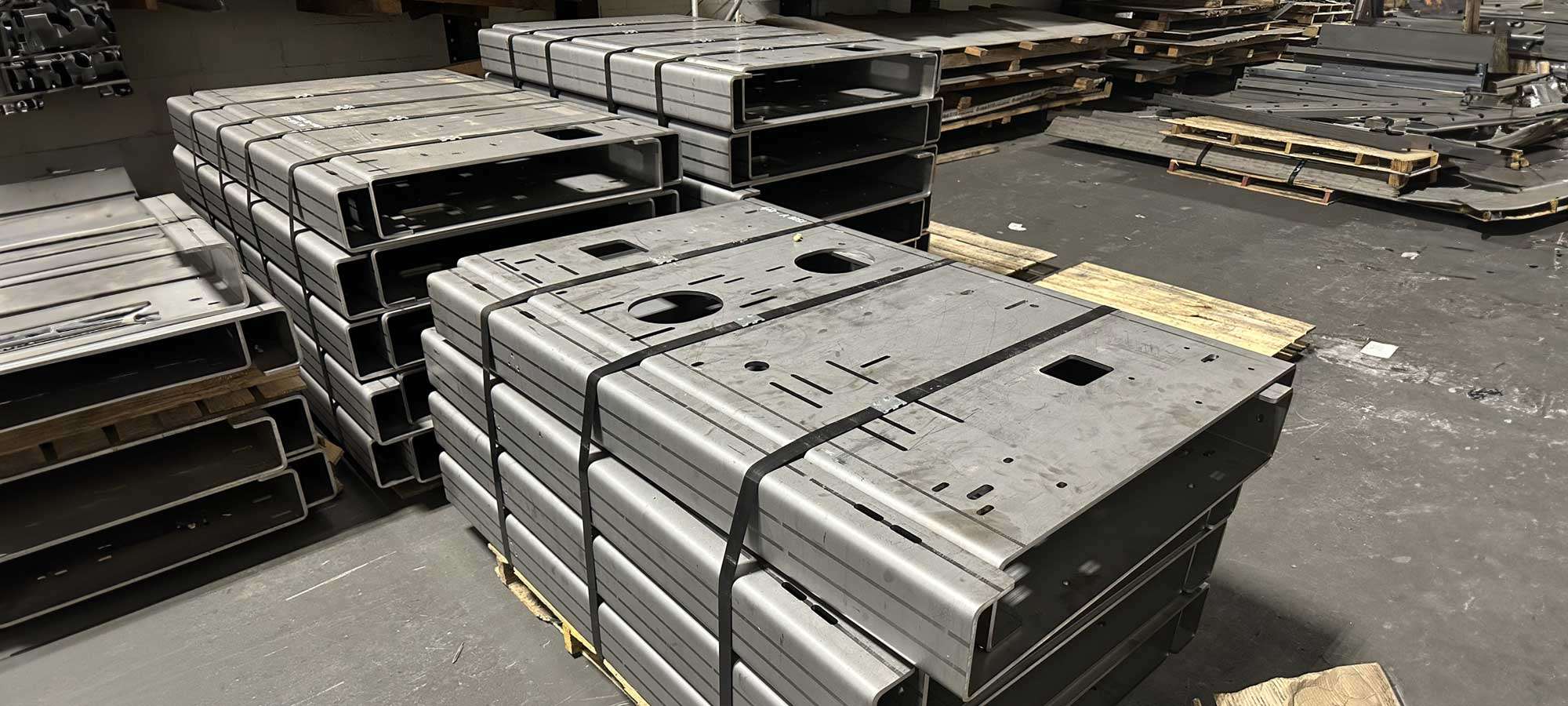
Precision Mild Steel Fabrication: The Foundation for Your Next Project
Mild steel remains the workhorse material of industrial manufacturing due to its exceptional balance of strength, weldability, formability, and cost efficiency. At Honyo Prototype, we leverage this versatile alloy’s properties to deliver high-integrity sheet metal components for prototyping, low-volume production, and end-use applications. Our engineered processes ensure consistent results across thicknesses ranging from 0.5mm to 10mm, with tight-tolerance bending, clean laser cutting, and robust MIG/TIG welding that meet rigorous industry standards.
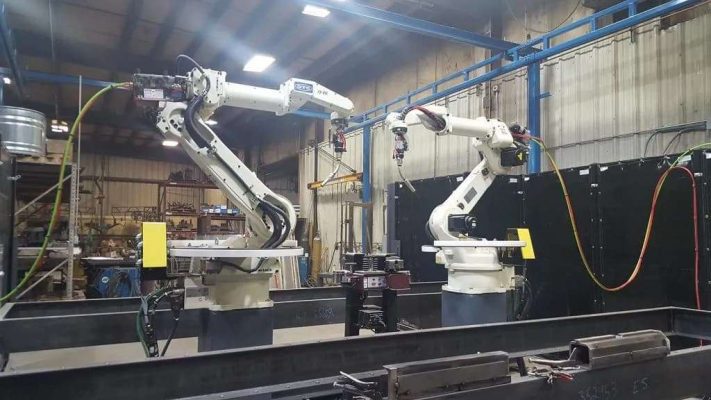
Honyo’s Sheet Metal Fabrication services transform your mild steel designs into precision-engineered reality through integrated digital workflows. Our facility combines advanced fiber laser cutting (±0.1mm accuracy), CNC press brakes with 250-ton capacity, and automated finishing systems to achieve repeatable quality while minimizing material waste. Every component undergoes stringent in-process inspection, ensuring dimensional compliance and structural integrity for demanding sectors including industrial machinery, enclosures, and structural subassemblies.
Accelerate your project timeline with Honyo’s Online Instant Quote platform. Upload your STEP or DXF file to receive a detailed, transparent cost breakdown within seconds—not days—including material options, lead time estimates, and manufacturability feedback. This seamless digital interface eliminates procurement delays while providing engineering insights to optimize your design for cost-effective mild steel fabrication. Upload your design today and experience how Honyo turns material potential into precision outcomes.
Technical Capabilities
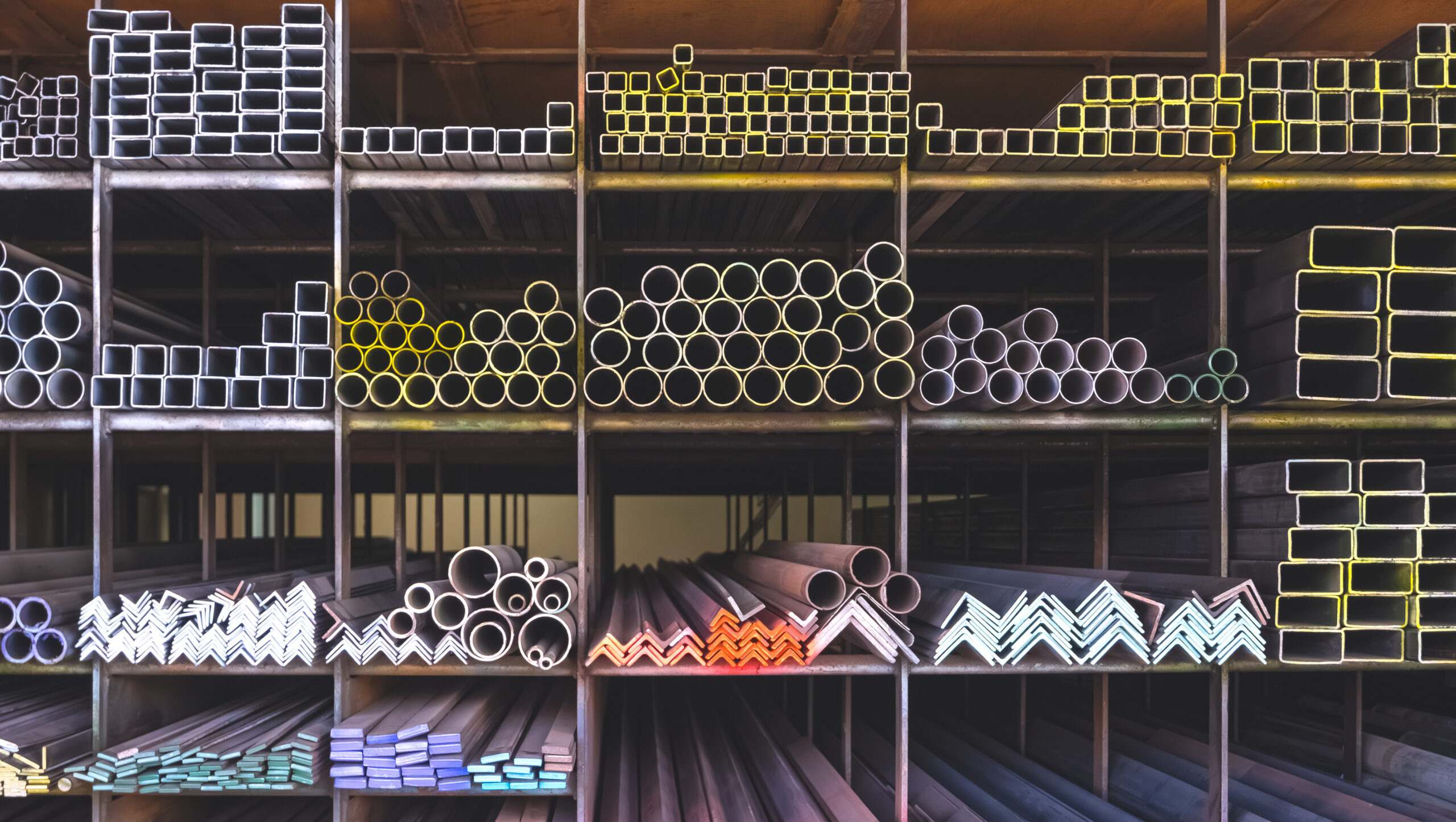
The term “mild steel” refers to low-carbon steel, typically containing 0.05–0.25% carbon by weight. It is widely used in fabrication due to its weldability, formability, and cost-effectiveness. Below are the technical specifications relevant to laser cutting, bending, and welding processes, with comparative notes on aluminum, steel (including stainless), ABS, and nylon.
| Material | Laser Cutting Suitability | Bending Characteristics | Welding Method | Thermal Conductivity (W/m·K) | Melting Point (°C) | Tensile Strength (MPa) | Notes |
|---|---|---|---|---|---|---|---|
| Mild Steel | Excellent – clean cuts with nitrogen or oxygen assist; thickness up to 25 mm typical | Good – high ductility allows tight bend radii; springback ~2–4° | MIG, TIG, Spot Welding – excellent weldability with proper shielding | 50–60 | 1370–1510 | 370–500 | Susceptible to rust; often powder coated or painted post-processing |
| Stainless Steel | Good – requires higher power and inert gas (N₂/Ar); edge oxidation possible | Moderate – higher springback (~3–6°) due to higher yield strength | TIG, MIG, Laser Welding – good weldability; avoid carbon contamination | 15–25 | 1400–1450 | 500–700 | Corrosion resistant; higher cost than mild steel |
| Aluminum | Good – reflective; requires high-power fiber lasers and specialized optics; up to 20 mm | Excellent – high ductility but lower yield strength; springback ~3–5° | TIG, MIG – requires clean surface and argon shielding; prone to porosity | 200–240 | 660–670 | 110–350 (alloy dependent) | Lightweight; excellent strength-to-weight ratio; difficult to laser cut due to reflectivity |
| ABS (Acrylonitrile Butadiene Styrene) | Poor – thermoplastic; melts and chars; not recommended for laser cutting | Good – easily formed via thermoforming; not suitable for metal-style air bending | Not weldable via arc; ultrasonic or solvent welding used | ~0.2 | ~105 (softens) | 30–50 | Plastic material; used in prototyping; limited structural use |
| Nylon (Polyamide) | Poor – high absorption and melting; produces toxic fumes; not suitable for laser cutting | Moderate – flexible and tough; can be bent cold with tooling | Limited – hot plate or vibration welding; not arc-weldable | ~0.25 | 215–265 (melts) | 70–80 | High wear resistance; hygroscopic; used in wear components |
Process Notes:
Laser cutting of mild steel is highly efficient with fiber lasers, providing precise kerf widths (typically 0.1–0.3 mm) and minimal heat-affected zones. Oxygen assist enhances cutting speed for thicker sections, while nitrogen produces cleaner, oxide-free edges.
For bending, mild steel performs well in press brakes, with typical minimum bend radii of 1× material thickness. Tooling must be sized appropriately to manage springback and avoid cracking at the bend line.
Welding mild steel is straightforward using MIG or TIG processes. Pre-cleaning is essential to remove oil, rust, or mill scale. Post-weld grinding and finishing are common for aesthetic or structural applications.
While aluminum offers weight savings and corrosion resistance, its high thermal conductivity and reflectivity complicate laser processing. ABS and nylon are not suitable for laser cutting in metal fabrication environments due to melting behavior and hazardous emissions. These polymers are better processed via CNC machining or 3D printing in prototyping workflows.
At Honyo Prototype, mild steel remains a preferred choice for structural and chassis components due to its balance of machinability, strength, and cost across laser cutting, bending, and welding operations.
From CAD to Part: The Process
Honyo Prototype executes mild steel fabrication through a rigorously defined workflow optimized for speed, precision, and engineering accountability. Our process begins with structured digital intake and progresses through controlled validation gates to ensure manufacturability and quality compliance. Below is the technical sequence for mild steel components (AISI 1018, 1020, or equivalent low-carbon steel):
CAD Upload & Initial Processing
Clients submit native CAD files (STEP, IGES, Parasolid) via our secure portal. Our system performs automated geometry validation, confirming unit consistency (mm/inch), solid body integrity, and basic feature recognition. All mild steel submissions undergo material property cross-referencing against our certified supplier database to verify grade suitability for the requested processes (e.g., laser cutting, CNC bending, MIG welding). Non-conforming uploads trigger immediate client notification with specific correction requirements.
AI-Powered Quoting Engine
Validated CAD data enters our proprietary AI quoting system, which analyzes over 200 parametric variables including: geometric complexity, sheet thickness tolerance stack-ups, kerf allowances for laser/plasma cutting, weld seam length, and secondary operation sequencing. The engine references real-time shop floor metrics (machine availability, tooling status, material scrap rates) and current mild steel coil pricing from pre-qualified vendors. Quotes include granular cost breakdowns for material, processing, and finishing, with explicit callouts for any features requiring engineering review (e.g., tight tolerances <±0.1mm on bent flanges). All AI-generated quotes undergo mandatory human validation by a manufacturing engineer before client release.
DFM Engineering Review
Every mild steel project enters a formal Design for Manufacturability phase led by our APQP-certified engineers. This is not an automated step but a collaborative engineering gate. We evaluate:
Bend allowance calculations per ISO 7435 standards for specified material thickness
Heat-affected zone (HAZ) risks in welded assemblies
Distortion mitigation strategies for thin-gauge sections (<1.5mm)
Tooling feasibility for complex formed features
Clients receive a DFM report within 24 hours detailing actionable recommendations, such as adjusting bend radii to match standard dies or modifying weld joint designs to prevent warpage. Approval requires explicit client sign-off on any design modifications.
Controlled Production Execution
Approved designs move to production under our ISO 9001:2015-controlled workflow:
Material: Traceable mild steel from mills with certified mill test reports (MTRs)
Cutting: Fiber laser (up to 25mm thickness) with nitrogen assist for oxide-free edges
Forming: CNC press brakes with 0.01mm repeatability, validated via first-article bend angle checks
Joining: Certified weld procedures (WPS) per AWS D1.1, with post-weld stress relief for critical components
Quality: In-process CMM verification at defined hold points; final inspection per ASME Y14.5
Delivery & Documentation
Shipments include comprehensive traceability dossiers:
Material certification with actual chemical composition and mechanical test data
Dimensional inspection reports (FAIR) showing critical-to-function features
Process-specific documentation (e.g., weld maps, bend sequence diagrams)
RoHS compliance declaration where applicable
Production timelines vary based on complexity and finishing requirements. Standard lead times for mild steel prototypes are:
| Process Complexity | Standard Lead Time | Expedited Option |
|---|---|---|
| Simple flat parts (≤3 bends, no welds) | 3-5 business days | 48 hours |
| Moderate complexity (welded assemblies, 4-8 bends) | 7-10 business days | 72 hours |
| High complexity (multi-stage fabrication, tight tolerances) | 12-15 business days | Case-by-case assessment |
All mild steel components ship with protective coating to prevent flash rust during transit, and we maintain 100% lot traceability for 5 years post-delivery. This closed-loop process ensures engineering integrity from digital model to physical part while meeting stringent B2B delivery expectations.
Start Your Project
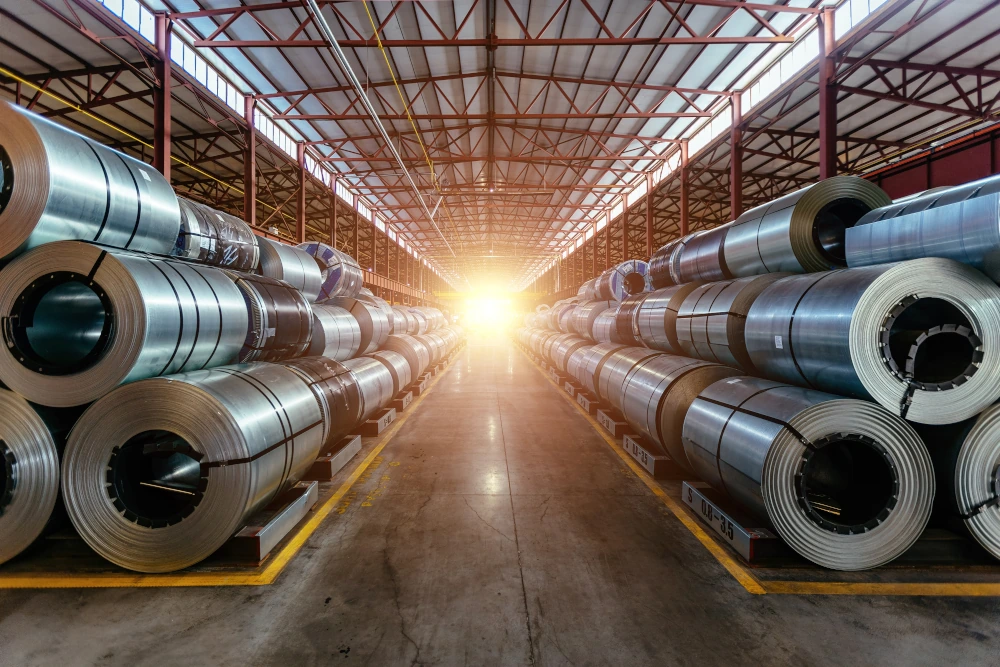
Explore high-quality mild steel metal fabrication solutions tailored for your prototyping and production needs. With precision engineering and consistent material integrity, our mild steel components are ideal for structural, mechanical, and industrial applications.
Manufactured in-house at our Shenzhen factory, we ensure strict quality control, fast turnaround times, and scalable production capabilities. From laser cutting to welding and surface finishing, our team delivers accuracy and reliability at every stage.
For project inquiries or material specifications, contact Susan Leo at [email protected]. Let’s build your next innovation together.
🚀 Rapid Prototyping Estimator
Estimate rough cost index based on volume.