
Contents
Manufacturing Insight: Mild Steel Melting Temperature
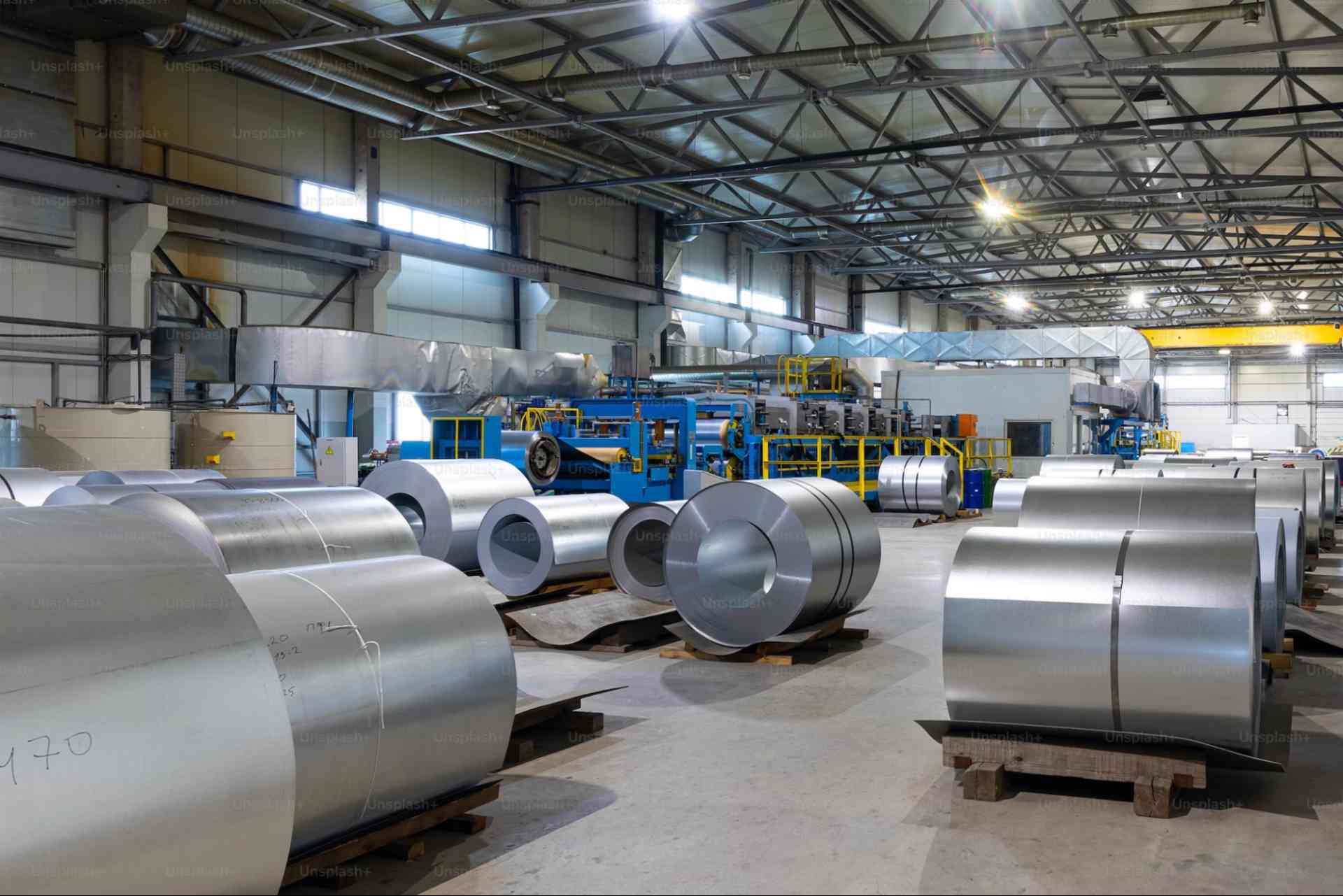
Understanding the precise melting temperature range of mild steel—approximately 1370°C to 1510°C (2500°F to 2750°F)—is critical for successful CNC machining operations. This property directly impacts thermal management during high-speed cutting, where localized heat generation must be carefully controlled to prevent material distortion, tool degradation, or compromised part integrity. At Honyo Prototype, our deep expertise in material science informs every stage of the CNC machining process. We leverage advanced toolpath strategies, optimized coolant systems, and rigorous process validation to ensure dimensional accuracy and surface finish, even when working with materials sensitive to thermal fluctuations like mild steel. Our commitment to precision engineering guarantees that your mild steel components meet exacting specifications without approaching critical thermal thresholds. Experience the Honyo advantage with fast, reliable CNC milling, turning, and finishing services. Request a detailed manufacturing assessment today using our Online Instant Quote system for accurate pricing and lead times within minutes.
Technical Capabilities
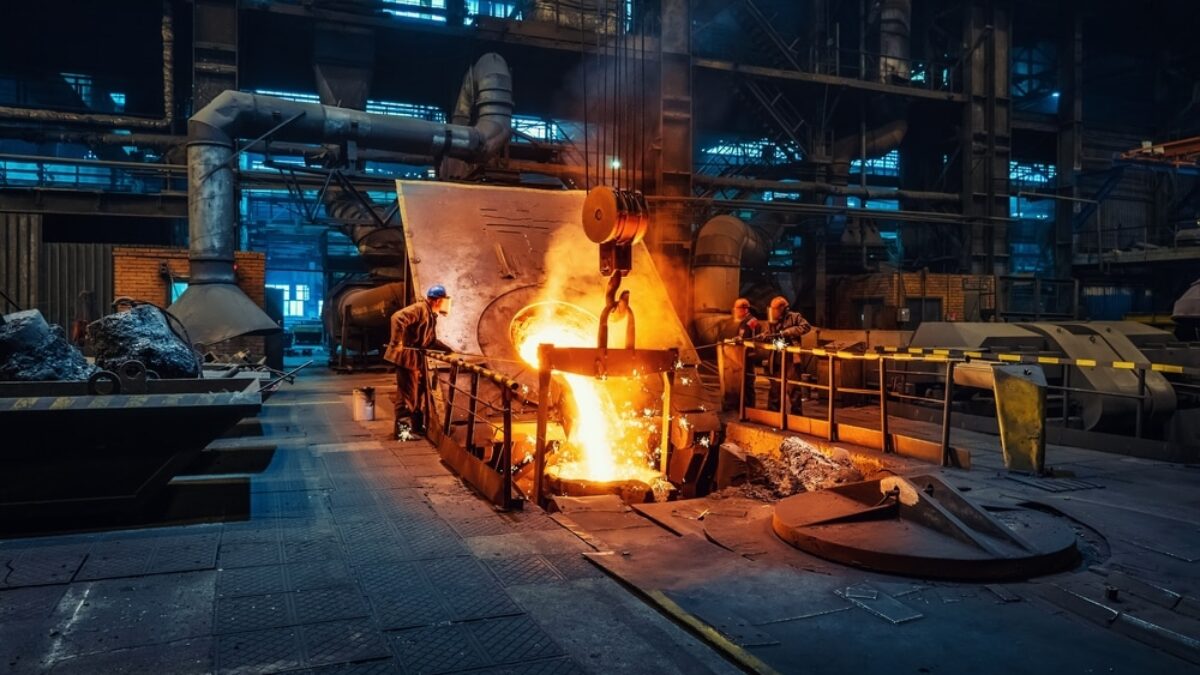
Mild steel melting temperature refers to the temperature at which low-carbon steel transitions from solid to liquid, typically ranging between 1370°C and 1510°C (2500°F to 2750°F), depending on the exact composition. This property is critical in manufacturing environments involving high-speed machining processes such as 3-axis, 4-axis, and 5-axis milling and turning, where thermal management directly affects tool life, dimensional stability, and tight tolerance achievement.
In precision CNC operations, especially those requiring tight tolerances (±0.005 mm to ±0.025 mm), understanding material thermal behavior is essential. While melting temperature itself does not directly impact machining (as cutting occurs well below this threshold), the thermal conductivity, specific heat, and coefficient of thermal expansion of the workpiece and tooling influence process stability. For example, steel retains heat more than aluminum, requiring optimized cutting parameters and cooling strategies to maintain accuracy during multi-axis operations.
Below is a comparison of key engineering materials used in precision milling and turning, including their melting or softening behavior and relevance to high-accuracy manufacturing:
| Material | Melting/Softening Temperature | Thermal Conductivity (W/m·K) | Typical Use in 3/4/5-Axis Machining | Notes for Tight Tolerance Machining |
|---|---|---|---|---|
| Mild Steel | 1370–1510°C (2500–2750°F) | 45–50 | High-strength components, tooling, fixtures | High thermal mass requires controlled cutting to avoid thermal deformation; excellent dimensional stability with proper fixturing |
| Aluminum Alloys (e.g., 6061, 7075) | 580–650°C (1076–1200°F) | 150–200 | Aerospace, automotive, prototypes | High thermal conductivity dissipates heat quickly; allows high-speed milling with minimal thermal distortion |
| ABS (Thermoplastic) | 105°C (221°F) (softening) | ~0.2 | Prototypes, enclosures, jigs | Low melting point requires low feed rates and sharp tools; prone to burring and dimensional shift if overheated |
| Nylon (Polyamide) | 215–265°C (420–509°F) | ~0.25 | Functional prototypes, wear parts | Moderate heat resistance; requires dry machining or air cooling to avoid moisture absorption and swelling |
In 5-axis milling and turning applications, material selection directly impacts achievable tolerances and surface finish. Aluminum’s favorable thermal and machinability properties make it ideal for complex, tight-tolerance geometries. Mild steel, while more challenging due to higher cutting forces and heat generation, provides superior rigidity and long-term stability for precision tooling. Engineering plastics like ABS and Nylon require specialized strategies—such as reduced spindle speeds and non-coolant-based cooling—to maintain dimensional accuracy.
Thermal effects must be accounted for in tool path planning, especially in multi-axis operations where tool engagement and chip load vary continuously. Pre-machining stress relief, adaptive tool compensation, and environmental temperature control are standard practices to ensure sub-millimeter precision across all materials.
From CAD to Part: The Process
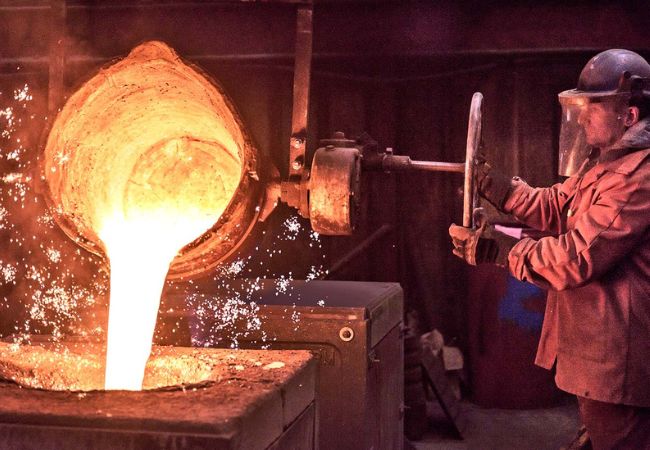
Honyo Prototype does not perform steel melting as part of our standard manufacturing process. Mild steel melting temperature (approximately 1,370–1,510°C) is a material property we leverage during design analysis, not an operational step in our workflow. Our core services focus on precision machining, fabrication, and assembly of pre-formed materials. Below is an accurate technical explanation of how material properties like melting temperature are integrated into our documented process flow for mild steel components:
CAD File Upload and Material Specification
Clients submit CAD models specifying mild steel grade (e.g., AISI 1018, 1045). Our system validates material selection against project requirements, including thermal properties. Melting temperature data is referenced here to confirm suitability for end-use environments where thermal exposure may occur, though actual melting is never performed at Honyo facilities.
AI-Powered Quoting Engine
Our proprietary AI analyzes the CAD geometry, material specifications, and thermal characteristics. For mild steel, the system cross-references melting temperature to flag potential thermal deformation risks during secondary operations like welding or heat treatment. Quotes include material certification costs and thermal process allowances where applicable.
Engineering DFM Analysis
This is the critical phase where melting temperature directly influences manufacturability assessment. Our engineers conduct thermal simulations to evaluate:
| DFM Thermal Consideration | Mild Steel Relevance | Mitigation Action |
|---|---|---|
| Heat Affected Zone (HAZ) control | Melting point defines thermal limits for welding/cutting | Recommend pre-heat protocols or alternative joining methods |
| Thermal distortion risk | Coefficient of expansion tied to melting behavior | Adjust machining sequences or stress-relieve stock |
| Tooling temperature thresholds | Cutting tools degrade near 600°C (well below melt) | Specify carbide grades and coolant parameters |
Production Execution
We machine mild steel from certified bar stock, plate, or tube sourced from mills where melting occurs. No melting takes place in our facility. CNC processes strictly maintain temperatures below 500°C to prevent microstructural changes. Thermal properties inform:
Coolant selection to manage cutting zone heat
Welding parameter validation per AWS D1.1 standards
Post-machining stress relief cycles at 550–650°C (below critical transformation range)
Delivery and Documentation
All shipments include material test reports (MTRs) verifying chemical composition and mechanical properties. For thermal-critical applications, we provide supplemental data on:
Hardness uniformity across weld zones
Dimensional stability validation after simulated thermal cycling
Conformance to ASTM A36/A576 specifications
This workflow ensures mild steel components meet functional requirements while respecting material thermal limits. Honyo’s value lies in anticipating how inherent properties like melting temperature impact manufacturability—without performing metallurgical processes outside our certified scope. We maintain ISO 9001:2015 compliance with strict controls on material traceability and thermal process validation.
Start Your Project
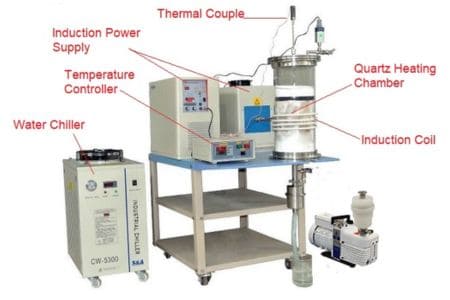
The melting temperature of mild steel typically ranges between 1,370°C and 1,510°C (2,500°F to 2,750°F), depending on its exact chemical composition. This range makes it suitable for a variety of industrial applications, including fabrication, welding, and precision casting.
For engineering support or custom prototyping solutions involving mild steel, contact Susan Leo at [email protected]. Honyo Prototype operates a fully equipped manufacturing facility in Shenzhen, providing rapid turnaround and high-precision production for both low-volume and high-volume orders.
🚀 Rapid Prototyping Estimator
Estimate rough cost index based on volume.