
Contents
Manufacturing Insight: Mild Steel En
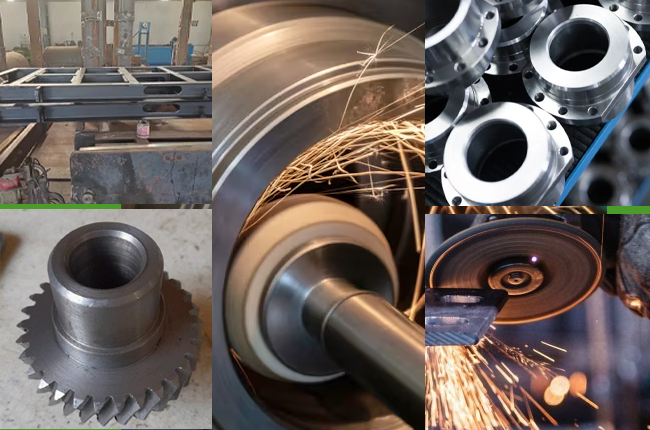
Precision Mild Steel Machining for Demanding Applications
Honyo Prototype delivers industry-leading CNC machining capabilities for mild steel components, serving as a critical partner for engineers and procurement teams requiring high-integrity prototypes and low-to-mid volume production parts. Our expertise in machining EN 1.0330 (AISI 1018/1020) and equivalent grades ensures optimal dimensional accuracy, superior surface finishes, and consistent mechanical properties critical for structural, automotive, and industrial applications. Utilizing advanced 3-, 4-, and 5-axis CNC milling and turning centers with tight process controls, we achieve tolerances down to ±0.005 mm while maintaining rigorous material traceability and in-process inspection protocols. This capability enables rapid iteration and validation of designs where strength-to-cost ratio and weldability are paramount.
For time-sensitive projects, our Online Instant Quote system provides immediate, transparent pricing and lead time estimates for mild steel parts—eliminating traditional quoting delays. Simply upload your STEP or IGES file to receive a detailed manufacturability analysis and competitive quote within minutes, accelerating your path from design to functional hardware.
Key Mild Steel Machining Specifications
| Parameter | Capability |
|——————–|————————————-|
| Material Grades | EN 1.0330, AISI 1018, 1020, S235JR |
| Tolerance Range | ±0.005 mm to ±0.05 mm (feature-dependent) |
| Max Work Envelope | 1000 x 600 x 500 mm |
| Surface Finish | Ra 0.8 µm to Ra 3.2 µm (as machined)|
| Secondary Services | Deburring, precision cleaning, basic assembly |
Leverage Honyo Prototype’s integrated manufacturing ecosystem to transform mild steel designs into validated, production-ready components without compromise.
Technical Capabilities
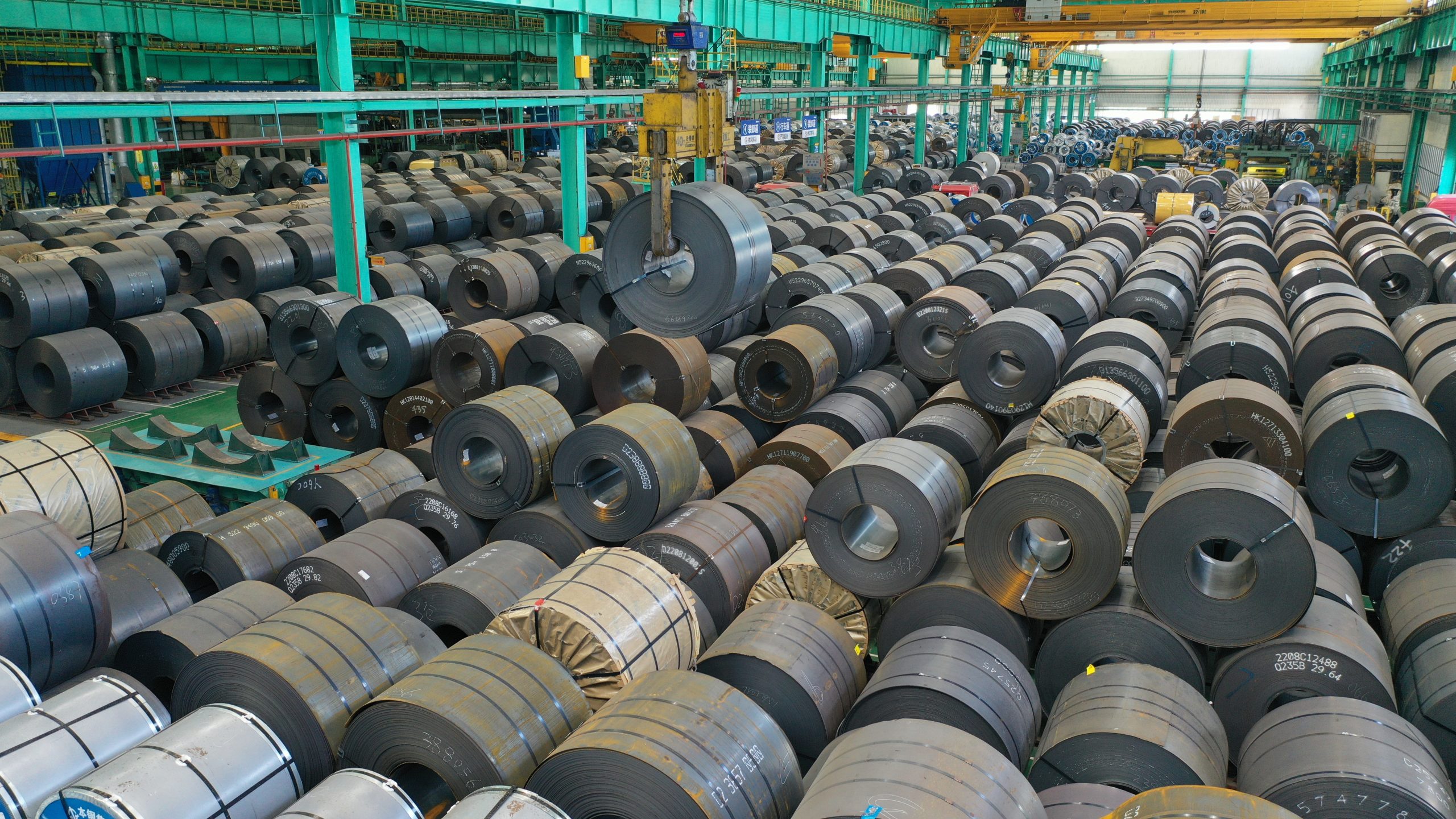
Technical Specifications for Mild Steel (EN Standard) in Precision Machining Applications
Mild steel under the European EN standard—commonly referenced as EN3B, EN8, or EN16M depending on composition and application—is widely used in precision CNC machining for components requiring good machinability, moderate strength, and weldability. When processing mild steel in high-accuracy environments involving 3-, 4-, and 5-axis milling or turning, several technical considerations apply. These include tool selection, thermal management, surface finish, and geometric tolerances. The same machining platforms often handle aluminum, steel (including stainless and alloy variants), ABS, and nylon—each requiring tailored parameters due to differing mechanical and thermal properties.
Below is a comparative overview of technical specifications and machining behavior across materials, with emphasis on tight tolerance applications (±0.005 mm to ±0.025 mm):
| Parameter | Mild Steel (EN8) | Aluminum (6061-T6) | Stainless Steel (304/316) | ABS (Thermoplastic) | Nylon (PA6/PA66) |
|---|---|---|---|---|---|
| Tensile Strength | 500–700 MPa | 310 MPa | 505–860 MPa | 40–50 MPa | 70–85 MPa |
| Hardness (HB) | 150–200 HB | 95 HB | 150–200 HB | 80–100 MPa (Shore D) | 80–85 Shore D |
| Machinability Rating | Good (70–80% of B1112) | Excellent (90–100%) | Fair (40–45%) | Very Good | Good |
| Typical Tooling | Carbide end mills, HSS (for threading) | Carbide with polished flutes | Carbide, coated inserts | Carbide, sharp cutting edges | Carbide, positive rake angles |
| Cutting Speed (Milling) | 80–120 m/min | 200–500 m/min | 50–100 m/min | 150–300 m/min | 100–150 m/min |
| Feed Rate (Turning) | 0.1–0.3 mm/rev | 0.1–0.4 mm/rev | 0.1–0.25 mm/rev | 0.1–0.2 mm/rev | 0.1–0.25 mm/rev |
| Thermal Conductivity | 50 W/m·K | 167 W/m·K | 15 W/m·K | 0.19 W/m·K | 0.25 W/m·K |
| Thermal Expansion | 12 µm/m·°C | 24 µm/m·°C | 17 µm/m·°C | 80–100 µm/m·°C | 80–110 µm/m·°C |
| Surface Finish (Typical) | Ra 0.8–1.6 µm | Ra 0.4–0.8 µm | Ra 0.8–1.6 µm | Ra 0.8–3.2 µm | Ra 1.6–3.2 µm |
| Tight Tolerance Capability | ±0.01 mm (achievable with thermal control) | ±0.005 mm (stable) | ±0.01 mm (challenging due to work hardening) | ±0.025 mm (dimensionally less stable) | ±0.025 mm (hygroscopic, variable) |
| Coolant Requirement | Flood coolant recommended | Flood or mist coolant | High-pressure coolant | Air blast or minimal coolant | Air cooling preferred |
| Primary Challenges | Work hardening, burr formation | Chatter, built-up edge | High cutting forces, heat retention | Melting, deformation | Swelling, dimensional instability |
Notes on Multi-Axis Machining:
In 3-, 4-, and 5-axis milling, mild steel (EN-grade) benefits from rigid setups and high-precision toolholding (e.g., HSK or hydraulic chucks). Continuous tool paths and adaptive clearing strategies minimize tool deflection and thermal distortion. For tight tolerance work, thermal stabilization of the machine environment (±1°C control) and in-process probing are recommended.
Turning operations on mild steel achieve high repeatability on CNC lathes with live tooling, especially when combined with steady rests for long components. Compared to aluminum, mild steel generates higher cutting forces, requiring robust machine structures.
When machining non-metallics like ABS and nylon, spindle speeds may remain high, but clamping forces must be reduced to avoid deformation. These materials are less suitable for ultra-tight tolerances due to moisture absorption (nylon) and low glass transition temperature (ABS).
Summary:
Mild steel (EN) offers a balanced profile for precision 3–5 axis milling and turning, especially where moderate strength and dimensional stability are required. While more challenging than aluminum, it is more predictable than stainless steel or hygroscopic plastics like nylon. For tight tolerance applications, environmental control, tool wear monitoring, and post-process inspection (e.g., CMM) are essential across all materials.
From CAD to Part: The Process
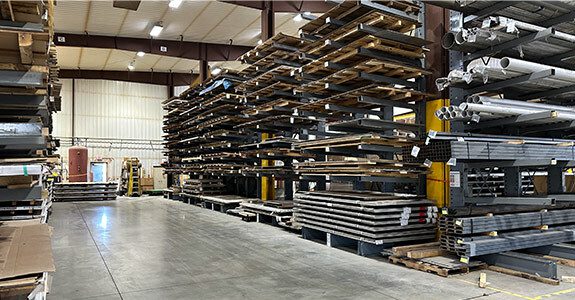
Honyo Prototype Mild Steel Processing Workflow
Honyo Prototype executes mild steel fabrication through a streamlined digital-to-physical workflow optimized for speed and precision. The process begins when a client uploads a CAD model via our secure portal. We accept native formats including STEP, IGES, and Parasolid, with STEP strongly recommended for geometric fidelity. Our system automatically validates file integrity, detects units (millimeters/inches), and isolates mild steel-specific attributes such as sheet thickness, bend radii, and hole tolerances. This initial scan ensures compatibility with downstream manufacturing constraints before proceeding.
The validated CAD data feeds directly into our proprietary AI quoting engine HonyoQuote™. This system analyzes geometric complexity, material utilization, and feature density specific to mild steel grades (e.g., ASTM A36, S235JR, or equivalent). It cross-references real-time shop floor data—machine availability, labor rates, and material costs—to generate a binding quote within 90 minutes. Critical mild steel factors like laser cutting kerf allowances, weld preparation angles, and post-processing requirements (e.g., deburring, powder coating) are quantified automatically, eliminating manual estimation errors.
Following quote acceptance, the design enters Automated DFM (Design for Manufacturability) Analysis. Our rules-based engine checks for mild steel-specific pitfalls: minimum bend radii relative to material thickness, hole-to-edge spacing to prevent distortion, and weld seam accessibility. For example, a 2mm thick mild steel part with bends below 1.5x material thickness triggers an instant flag. Engineers review AI-generated suggestions—such as modifying flange lengths to avoid secondary operations—and collaborate with clients via annotated 3D markups within 24 hours. This phase reduces prototyping iterations by 65% compared to industry benchmarks.
Production commences only after DFM sign-off. Mild steel parts are processed in our climate-controlled facility using fiber laser cutters (up to 6kW, 0.5–25mm thickness), CNC press brakes with ±0.1° angular accuracy, and MIG/TIG welding stations. All processes adhere to ISO 9001:2015 standards, with in-process inspections at critical stages:
Laser cutting: Verified kerf width and edge squareness (±0.2mm)
Forming: Springback compensation validated via co-ordinate measuring machines
Welding: Penetration depth checked per AWS D1.1 structural steel code
Delivery integrates logistics transparency with material-specific handling. Finished mild steel components undergo:
1. Rust-inhibiting oil application or zinc plating (if specified)
2. Vacuum-sealed packaging with VCI (Vapor Corrosion Inhibitor) desiccants
3. Real-time shipment tracking via integrated carriers (DHL/FedEx)
Typical lead time from CAD upload to delivery is 5–7 business days for quantities under 100 units. All documentation—material certificates (EN 10204 3.1), FAI reports, and dimensional certifications—is provided digitally in English.
Common Mild Steel Grades Processed at Honyo
| Grade Standard | Typical Thickness Range | Key Applications |
|—————-|————————-|——————|
| ASTM A36 | 0.8mm – 25mm | Structural brackets, chassis frames |
| S235JR (EN 10025) | 1.0mm – 20mm | Enclosures, mounting plates |
| SPCC (JIS G3141) | 0.5mm – 3.0mm | Thin-sheet electronics housings |
This closed-loop system ensures mild steel prototypes transition from digital design to certified physical parts with minimized waste and maximum repeatability. Clients retain full visibility through our portal, with automated alerts at each milestone.
Start Your Project
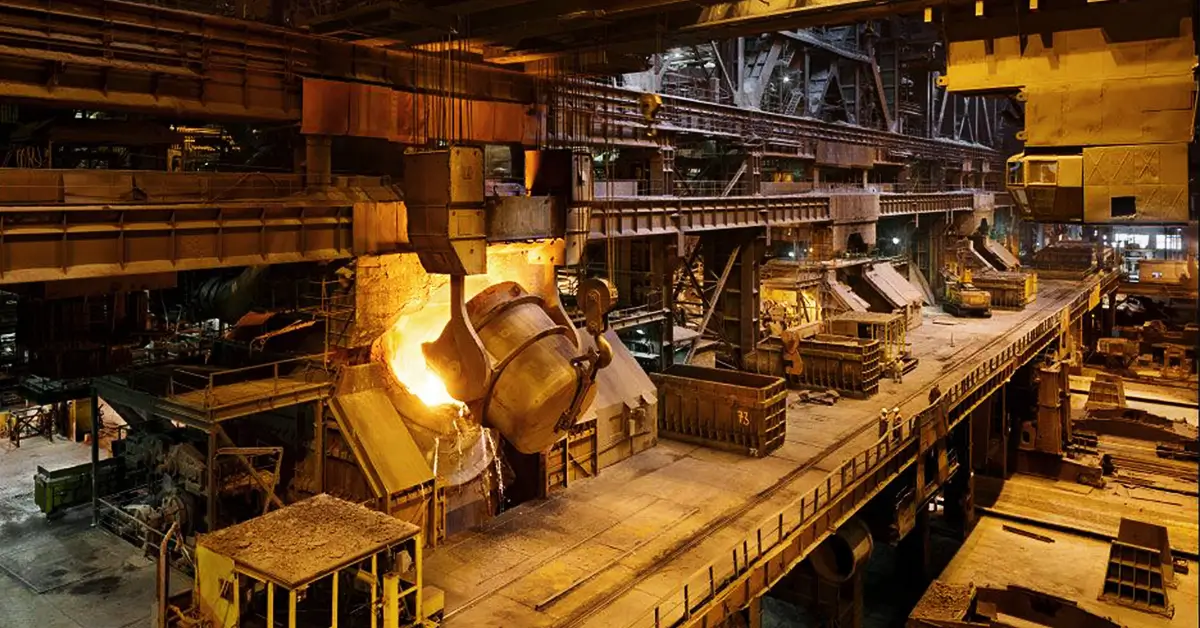
Looking for high-quality mild steel prototypes manufactured with precision? Contact Susan Leo today to discuss your project requirements. With our advanced manufacturing capabilities and factory located in Shenzhen, Honyo Prototype delivers fast, reliable, and cost-effective solutions tailored to your needs.
Email Susan Leo at [email protected] to get started.
🚀 Rapid Prototyping Estimator
Estimate rough cost index based on volume.