
Contents
Manufacturing Insight: Micro Precision Machining
Micro Precision Machining: Enabling Next-Generation Innovation
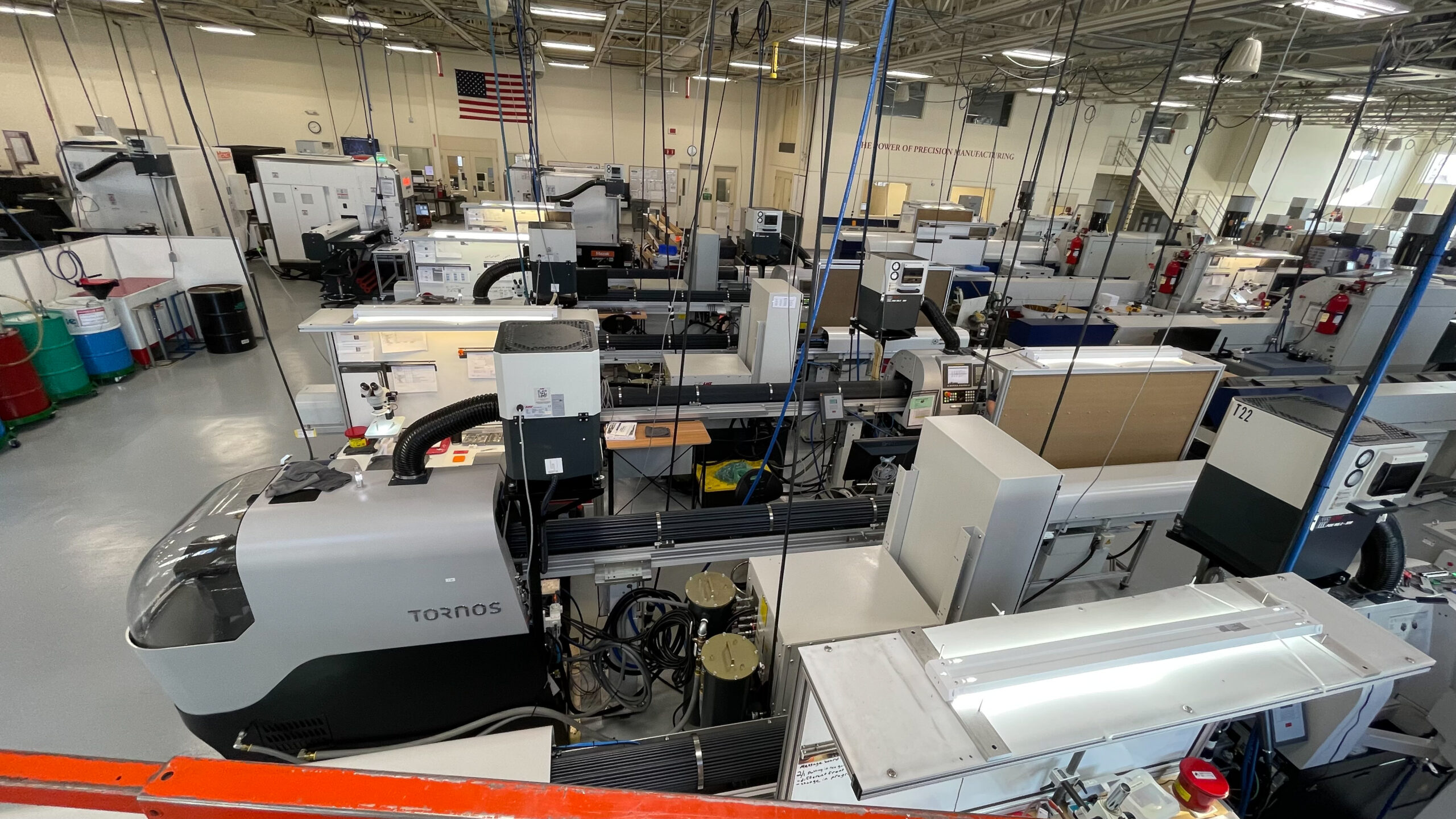
Honyo Prototype delivers mission-critical micro precision machining capabilities for industries where sub-50-micron tolerances and flawless surface integrity are non-negotiable. Our advanced CNC machining services specialize in producing complex geometries from challenging materials—including titanium alloys, PEEK, nitinol, and engineered ceramics—at scales demanding micron-level repeatability. Leveraging state-of-the-art 5-axis milling and turning centers with nanometer-resolution feedback systems, we consistently achieve tolerances down to ±0.00004″ (1 micron) while maintaining Ra < 0.1 µm surface finishes. This precision is validated through in-process CMM metrology and dedicated cleanroom assembly for medical and semiconductor applications.
Engineered for Speed Without Compromise
Our technical expertise spans rapid prototyping through low-volume production, with optimized workflows reducing typical lead times by 30% compared to conventional micro-machining providers. Every project benefits from our proprietary fixturing solutions and adaptive machining strategies, eliminating secondary operations for features as small as 0.05mm in diameter.
Accelerate your development cycle with Honyo’s Online Instant Quote platform. Upload CAD files to receive geometrically aware pricing and lead time estimates in under 90 seconds—validated by our engineering team to ensure manufacturability from the outset. This seamless integration of technical rigor and digital efficiency ensures your micro-precision components move from concept to certified production faster, with zero quoting delays.
| Capability | Specification Range | Industry Application Focus |
|---|---|---|
| Tolerance Control | ±0.00004″ (1 µm) | Medical implants, AF optics |
| Feature Size | Down to 0.05mm diameter | Semiconductor tooling |
| Surface Finish | Ra < 0.1 µm | Fluidic microsystems |
| Lead Time (Prototype) | As fast as 5 business days | Aerospace micro-sensors |
Technical Capabilities
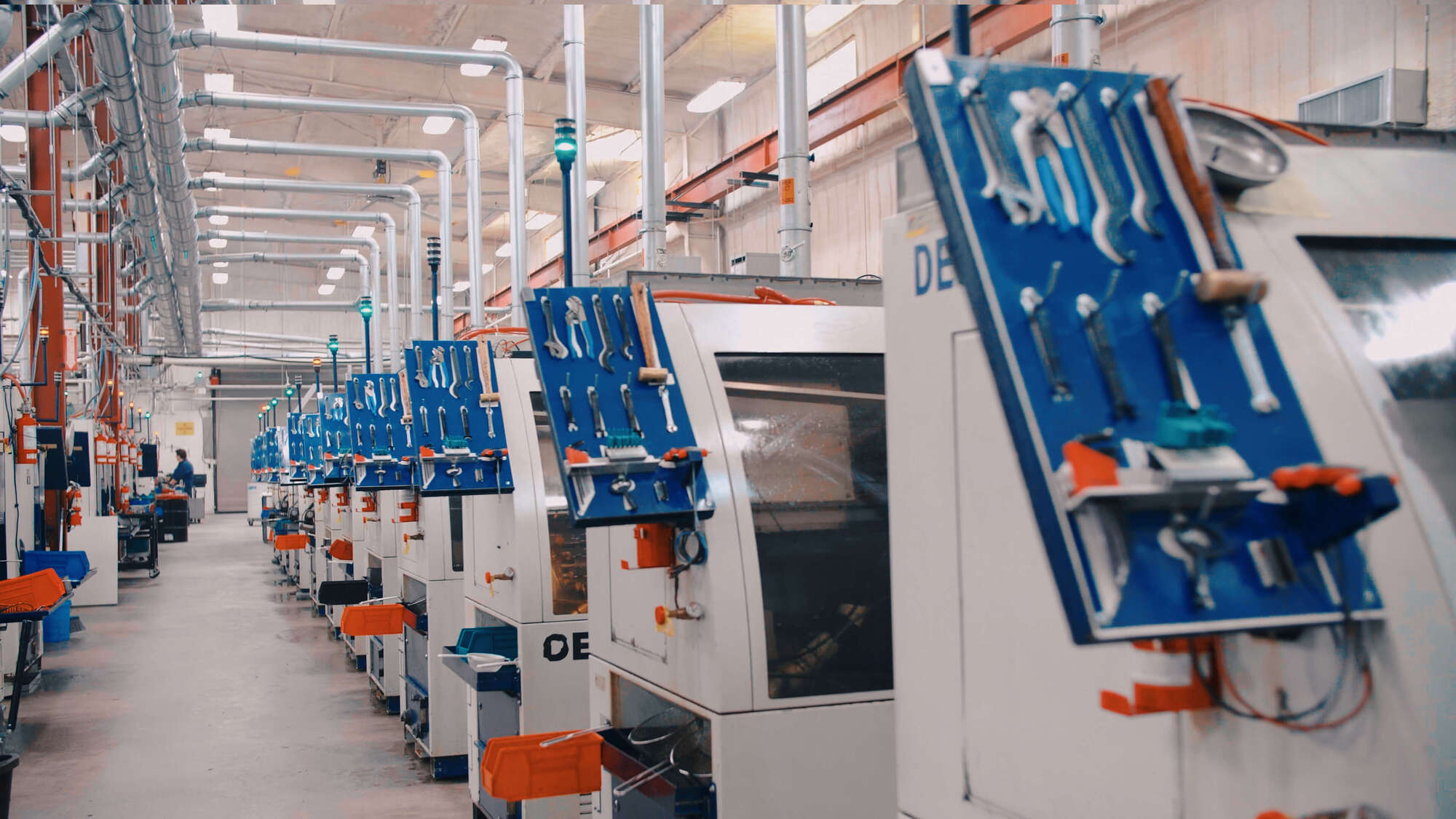
Micro precision machining involves the production of extremely small, high-accuracy components with tight dimensional tolerances, typically in the range of ±0.0001″ (±2.54 µm) or tighter. This process leverages advanced 3-axis, 4-axis, and 5-axis CNC milling and turning systems capable of sub-micron resolution, high spindle speeds (up to 60,000 RPM), and ultra-fine tooling (down to 0.001″ diameter). These machines are often equipped with high-precision linear motors, thermal compensation systems, and in-process probing to maintain accuracy during extended operations.
The following table outlines the key technical specifications and capabilities relevant to micro precision machining across multi-axis platforms, with emphasis on material compatibility and tolerance performance:
| Parameter | Specification / Detail |
|---|---|
| Machining Axes | 3-Axis: XYZ linear motion; 4-Axis: XYZ + A (rotary); 5-Axis: XYZ + AB or AC (dual rotary) |
| Positioning Accuracy | ±0.00005″ (±1.27 µm) or better |
| Repeatability | ±0.00002″ (±0.5 µm) |
| Spindle Speed Range | 20,000 – 60,000 RPM (high-frequency spindles with ER collets or shrink-fit toolholders) |
| Minimum Tool Diameter | 0.001″ – 0.003″ (25 – 76 µm) carbide or diamond-coated micro end mills |
| Tolerance Capability | ±0.0001″ (±2.54 µm) typical; down to ±0.00005″ (±1.27 µm) for critical features |
| Surface Finish (Ra) | 4 – 16 µin (0.1 – 0.4 µm), depending on material and tool path strategy |
| Work Envelope (Typical) | Up to 10″ x 6″ x 6″ (250 x 150 x 150 mm), optimized for small-part fixturing |
| Control System Resolution | Nanometer-level interpolation (e.g., Fanuc 31i, Siemens 840D with nanoread) |
| Materials – Metals | Aluminum (6061, 7075), Stainless Steel (303, 316, 17-4 PH), Titanium, Inconel |
| Materials – Plastics | ABS, Nylon (6, 6/6), PEEK, PTFE, Delrin (acetal); low-force cutting strategies applied |
| Coolant / Lubrication | Minimal Quantity Lubrication (MQL) or air blast to prevent part deflection and warping |
| Fixturing | Custom vacuum chucks, micro vices, and modular modular fixturing with optical alignment |
Micro precision milling and turning of materials such as aluminum and steel require rigid setups and optimized toolpaths to manage thermal expansion and tool wear. For plastics like ABS and nylon, lower cutting forces and specialized tool geometries are used to prevent melting, burring, or part deformation. 5-axis micro machining enables complex 3D contours and undercuts without multiple setups, enhancing both accuracy and surface integrity. This level of precision is critical in aerospace, medical devices, optics, and semiconductor industries where component functionality depends on micron-level conformity.
From CAD to Part: The Process
Honyo Prototype Micro Precision Machining Process Overview
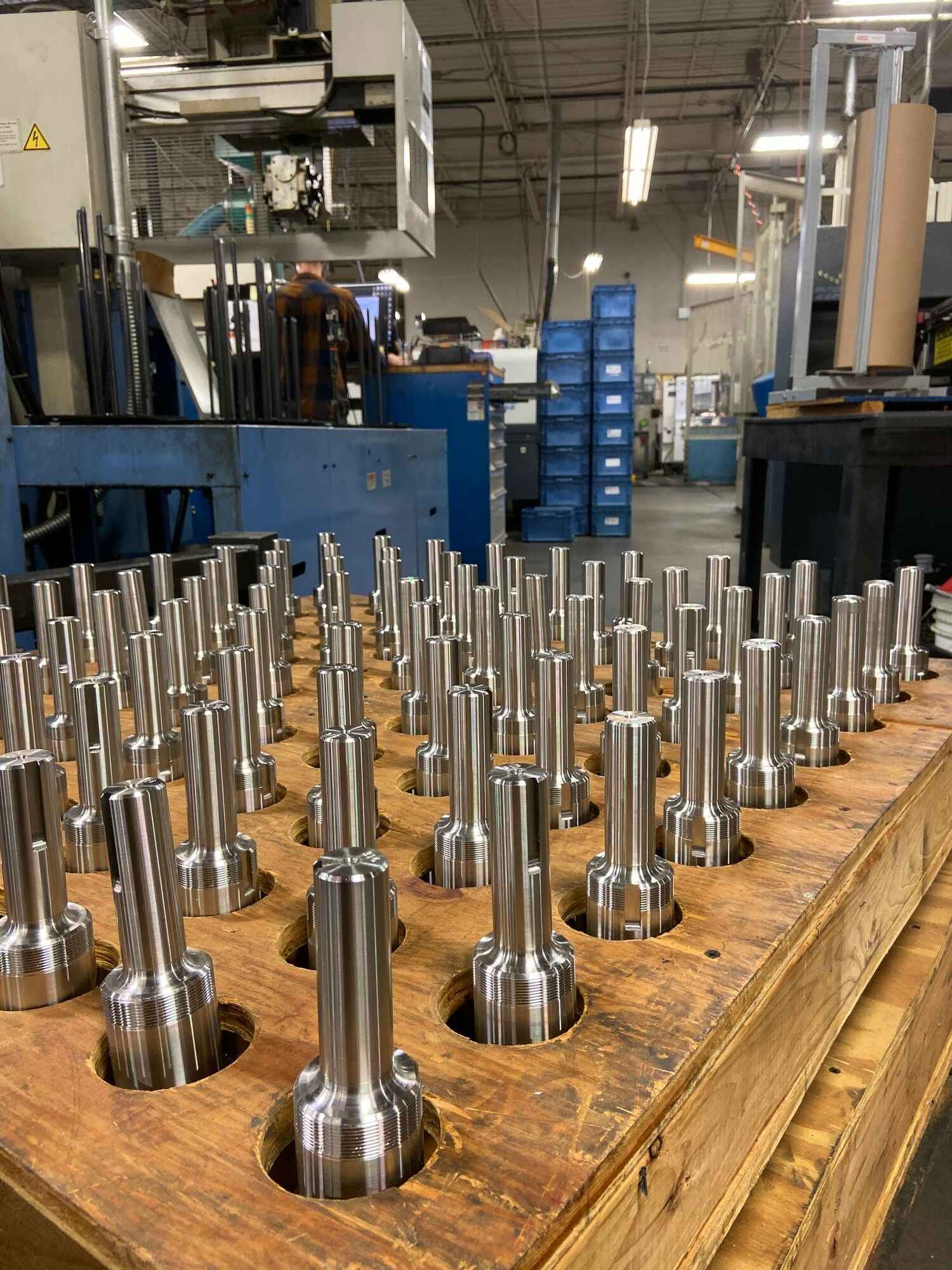
Honyo Prototype executes micro precision machining through a rigorously controlled five-stage workflow designed to ensure dimensional accuracy, surface integrity, and repeatability for components with features typically below 100 microns. This process integrates advanced digital tools with specialized manufacturing protocols to mitigate risks inherent in micro-scale production.
CAD Upload and Initial Assessment
Clients submit native CAD files (STEP, IGES, or Parasolid) via our secure portal, specifying critical tolerances, surface finishes, and material requirements. Our system automatically validates geometric integrity, identifying potential non-manufacturable features such as undercuts below 20-micron radii or wall thicknesses under 50 microns. Only fully compliant CAD models proceed to quoting; ambiguous geometries trigger an immediate engineering consultation request.
AI-Powered Quoting and Feasibility Screening
Proprietary AI algorithms analyze the CAD geometry against Honyo’s micro-machining capability database, which includes 15,000+ historical part records. The system evaluates toolpath viability, minimum achievable feature sizes (e.g., 10-micron slots in hardened steels), and thermal distortion risks. Within 90 minutes, clients receive a dynamic quote with cost drivers clearly itemized, including non-standard metrology requirements or secondary operations. The AI flags 23% of submissions for DFM review due to high-risk features like aspect ratios exceeding 15:1.
Engineering-Led DFM Analysis
All projects undergo mandatory Design for Micro-Manufacturability review by our senior process engineers. This phase focuses on eliminating latent failure modes through geometric optimization and process selection. Key DFM interventions include:
| Feature Type | Critical Parameter | Honyo’s Mitigation Protocol |
|---|---|---|
| Micro-channels | Aspect ratio > 12:1 | Electrochemical machining substitution |
| Thin walls | Thickness < 75µm | Stress-relieved annealing pre-machining |
| Blind holes | Depth tolerance ±2µm | Laser-trimmed EDM with in-process metrology |
| Surface finish | Ra < 0.1µm | Diamond turning with vibration damping |
Engineers collaborate with clients to resolve conflicts, reducing post-machining scrap rates by 68% compared to industry averages.
Precision Production Execution
Micro-machining occurs in ISO Class 7 cleanrooms with temperature stability maintained at 20°C ±0.1°C. We deploy:
Swiss-type CNC lathes with sub-micron linear encoders for turning operations
5-axis micromills with 0.5µm resolution and spindle speeds to 100,000 RPM
Laser micromachining systems for non-contact feature generation
In-process measurement using laser interferometers and white-light interferometry occurs at 15% and 85% completion milestones. Statistical process control tracks critical dimensions with real-time SPC charts, triggering automatic tool compensation if drift exceeds 0.3µm.
Certified Delivery and Traceability
Final inspection includes full CMM reporting per ASME Y14.5 with GD&T analysis, surface profilometry, and material certification. Every component ships with a digital twin containing:
Complete metrology dataset (including thermal compensation coefficients)
Machine tool calibration records from production shift
Process capability indices (CpK > 1.67 guaranteed for critical features)
Parts are packaged in ESD-safe containers with humidity indicators, with delivery timelines strictly adhering to the quoted schedule. Non-conformances undergo 8D root-cause analysis with client visibility.
This integrated workflow ensures first-article acceptance rates exceeding 92% for micro-precision components, with typical lead times of 7–12 business days from CAD approval to shipment. The process is certified to ISO 13485 and AS9100 standards, supporting critical applications in medical implants, semiconductor tooling, and aerospace sensors.
Start Your Project
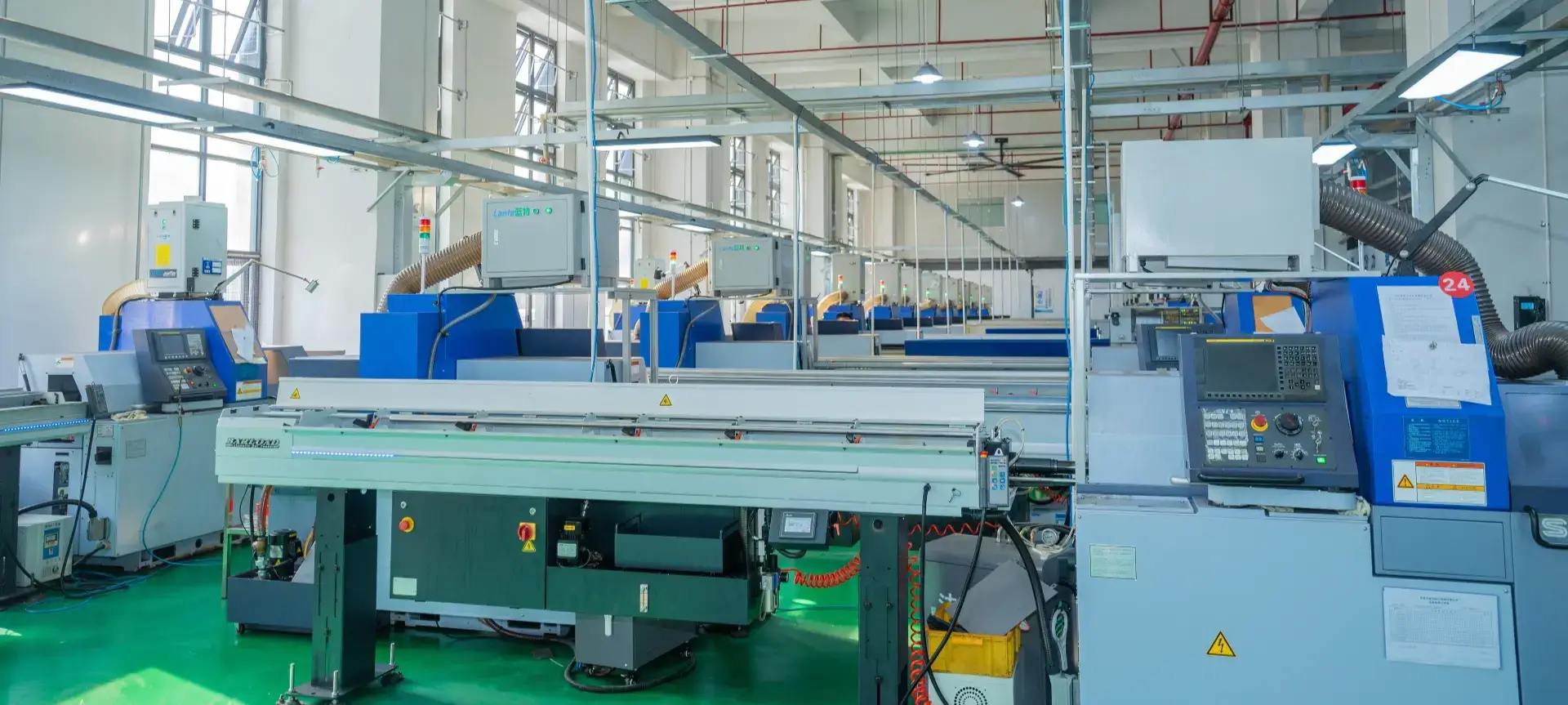
Discover the future of accuracy with our micro precision machining services, engineered for complex components requiring tight tolerances and exceptional repeatability. Ideal for medical devices, semiconductor equipment, and advanced electronics.
Our state-of-the-art facility in Shenzhen combines German-engineered machinery with rigorous quality control, ensuring every micro-machined part meets the highest industry standards.
Contact Susan Leo today to discuss your precision requirements.
Email: [email protected]
Honyo Prototype – Delivering micron-level precision from our Shenzhen factory to your next breakthrough innovation.
🚀 Rapid Prototyping Estimator
Estimate rough cost index based on volume.