
Contents
Manufacturing Insight: Metallic 3D Printers
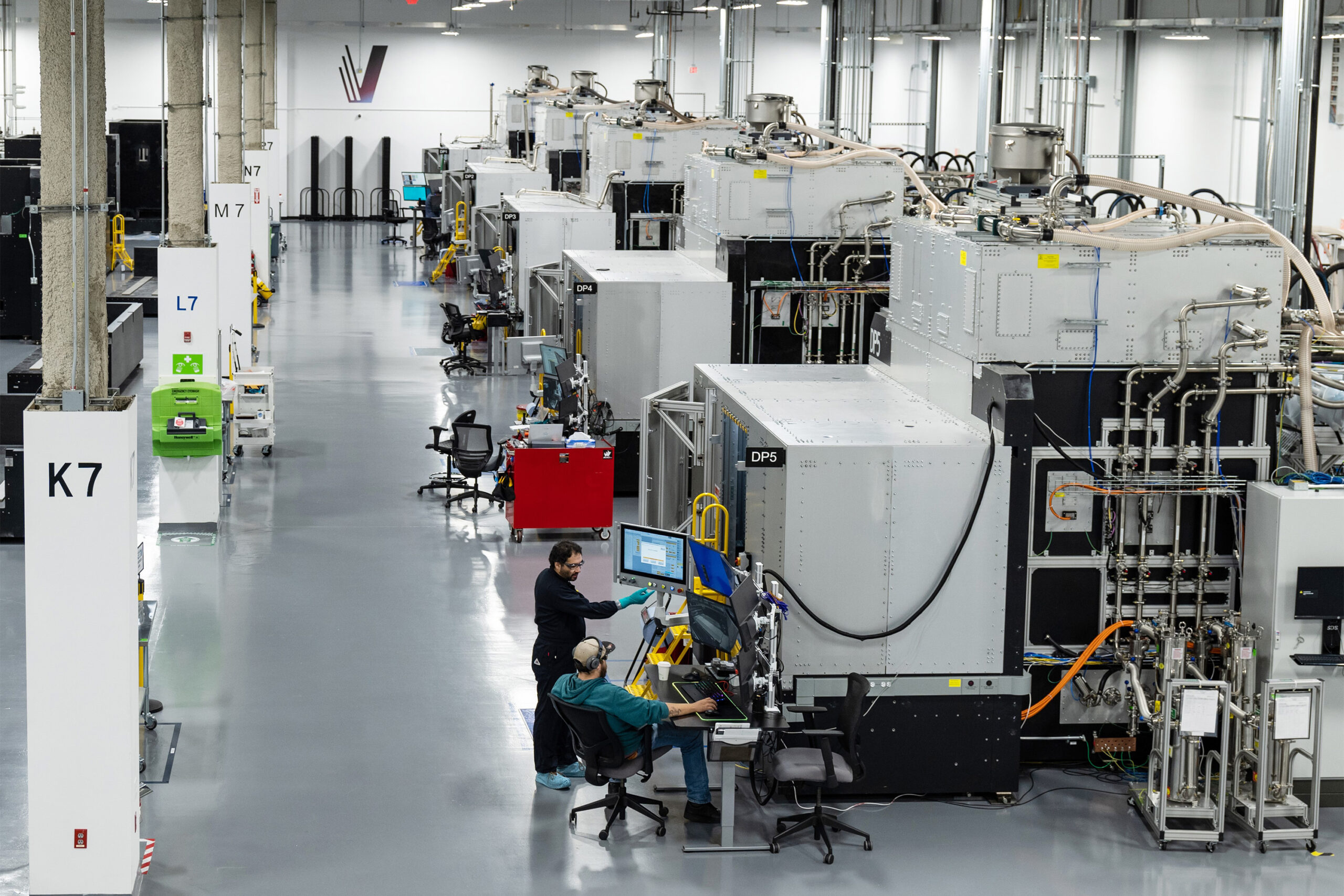
Advancing Industrial Manufacturing with Precision Metal Additive Solutions
Honyo Prototype delivers end-to-end industrial metal 3D printing services engineered for demanding production environments. Our fleet of state-of-the-art metal powder bed fusion systems—specializing in materials like titanium Ti-6Al-4V, stainless steel 17-4 PH, Inconel 718, and aluminum AlSi10Mg—enables the fabrication of complex, high-strength components impossible through conventional subtractive or casting methods. We prioritize repeatability and material integrity, adhering to stringent AMS and ASTM standards with full traceability from raw powder to finished part. Every build undergoes rigorous in-process monitoring and post-processing, including precision heat treatment, HIP, and surface finishing, ensuring mechanical properties meet aerospace, medical, and energy sector requirements.
Our integrated workflow eliminates prototyping bottlenecks by transitioning seamlessly from design validation to low-volume production. Partner with Honyo to leverage engineering-led support for design optimization, material selection, and qualification testing—turning intricate geometries into certified, mission-critical components. Accelerate your timeline with our Online Instant Quote platform, providing transparent pricing and lead times within minutes for qualified metal AM projects.
Technical Capabilities
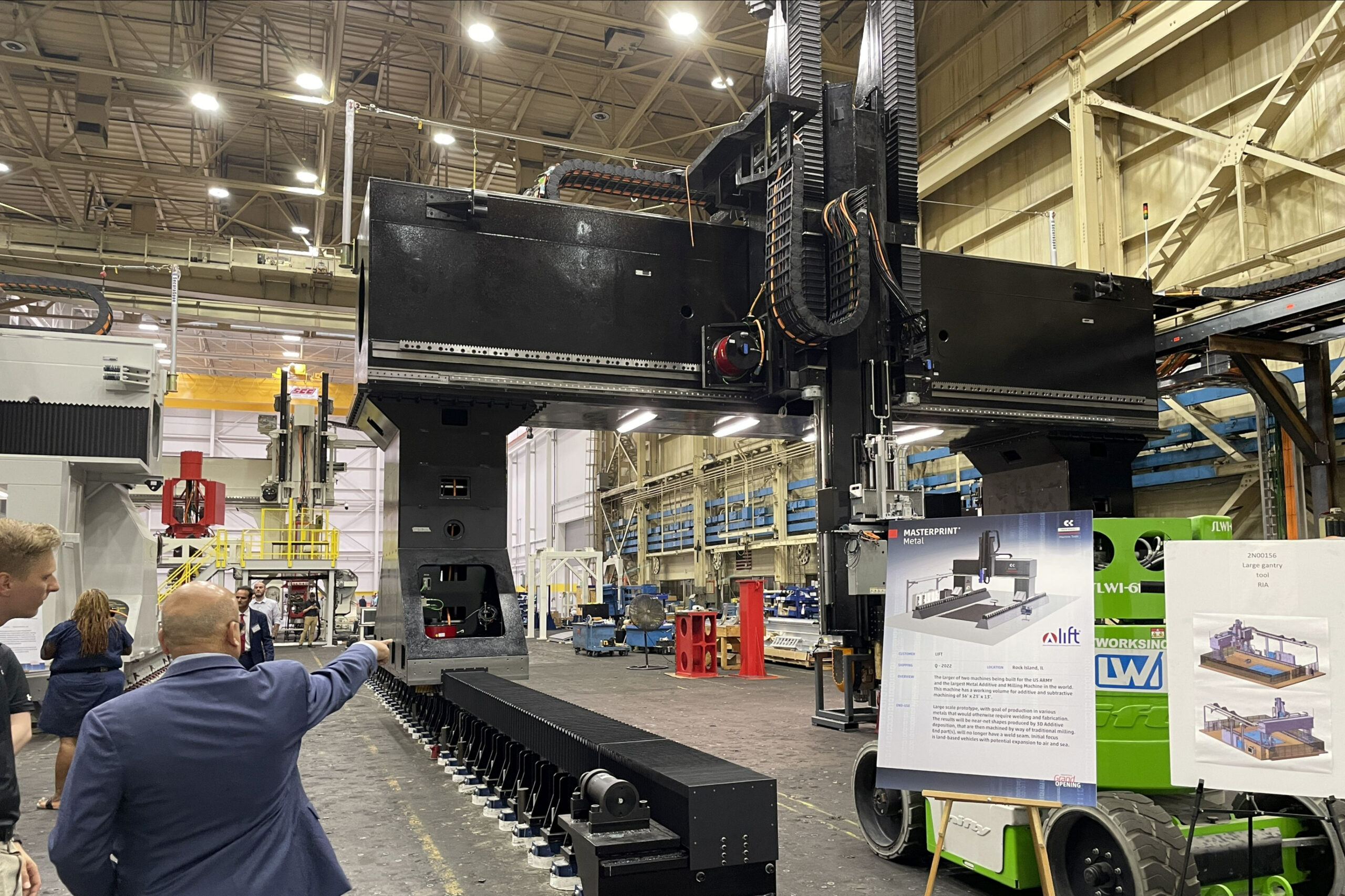
The term “metallic 3D printers” typically refers to additive manufacturing systems capable of producing metal parts. However, some of the technologies listed—such as SLA and SLS—are primarily associated with polymers, not metals. Below is a clarification and technical comparison of the specified technologies, including their compatibility with metallic and other materials like Aluminum, Steel, ABS, and Nylon.
| Technology | Full Name | Process Description | Compatible Materials | Metal Capable? | Typical Layer Thickness | Build Volume Range (approx.) | Common Applications |
|---|---|---|---|---|---|---|---|
| SLA | Stereolithography | Uses UV laser to cure liquid photopolymer resin layer by layer | Photopolymers (resins), including engineering and castable resins | No | 25–100 µm | 150 x 150 x 200 mm to 1400 x 700 x 500 mm | Prototyping, dental, jewelry, visual models |
| SLS | Selective Laser Sintering | High-power laser sinters powdered material, typically nylon-based | Nylon (PA11, PA12), TPU, filled nylons (glass, carbon fiber) | No (standard systems); some experimental metal-infused powders possible but not structural metal | 80–150 µm | 200 x 200 x 300 mm to 700 x 380 x 580 mm | Functional prototypes, end-use parts, jigs & fixtures |
| MJF | Multi Jet Fusion | Inkjet array deposits fusing and detailing agents on nylon powder, then heated by lamps | Nylon (PA11, PA12), TPU, glass-filled nylon | No | 80–100 µm | 380 x 280 x 380 mm | High-volume functional parts, automotive, consumer goods |
| DMLS | Direct Metal Laser Sintering | High-power laser sinters metal powder particles layer by layer | Stainless Steel, Tool Steel, Titanium, Aluminum, Inconel, Cobalt-Chrome | Yes | 20–50 µm | 250 x 250 x 325 mm to 500 x 400 x 400 mm | Aerospace, medical implants, tooling, complex metal components |
Notes:
SLA is not suitable for metal printing and is exclusively used for photopolymer resins. While “metal-filled” resins exist for SLA, they are not true metals and require additional post-processing (like thermal curing and sintering) in hybrid processes such as bound metal deposition (BMD), which is distinct from SLA.
SLS and MJF primarily process nylon-based polymers. ABS is not typically processed in SLS or MJF; it is more common in FDM (Fused Deposition Modeling). Nylon (PA12) is the dominant material in both SLS and MJF.
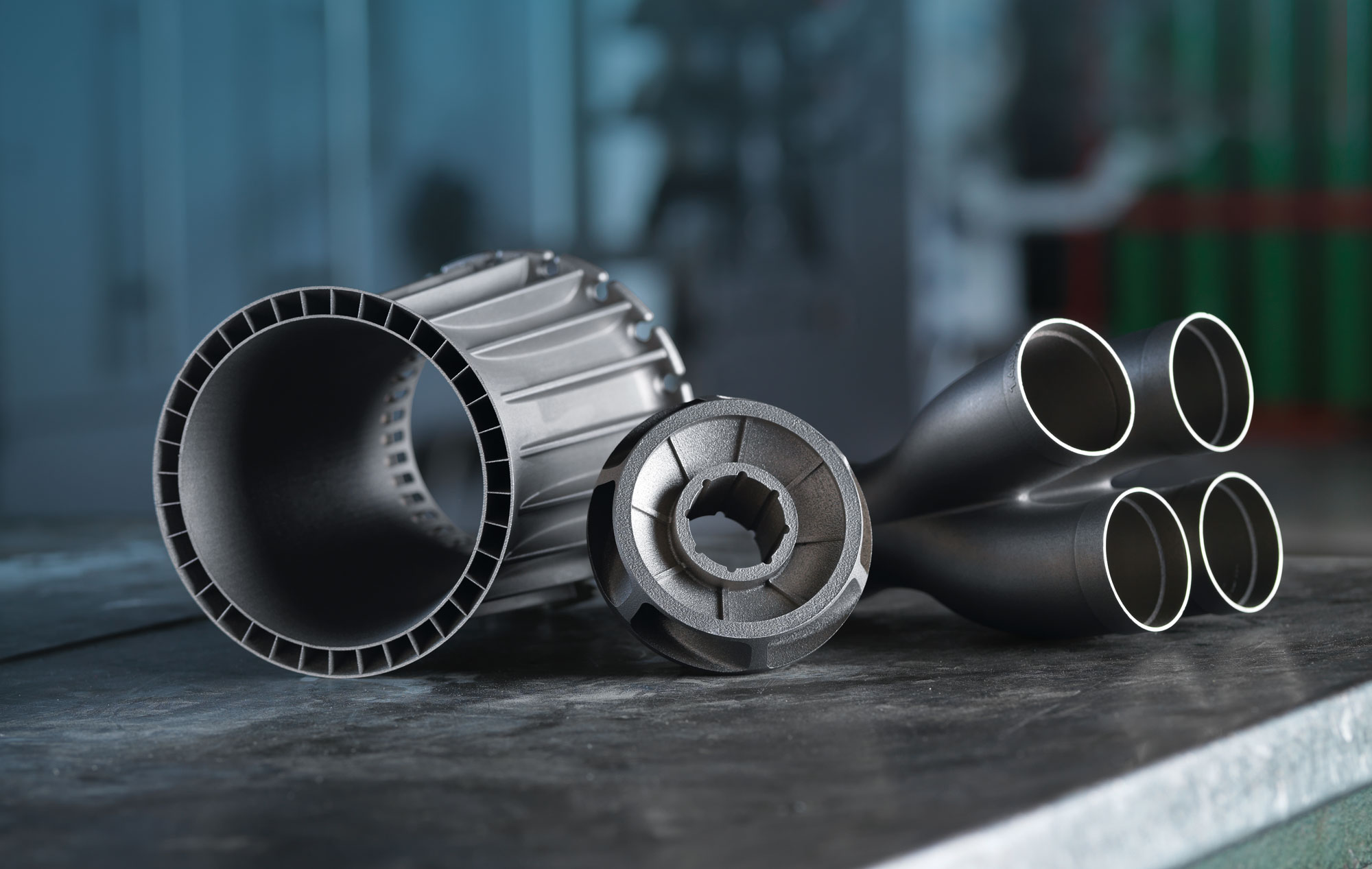
DMLS is a true metal 3D printing technology and supports high-performance alloys including Aluminum (e.g., AlSi10Mg), Stainless Steel (e.g., 17-4 PH, 316L), and Titanium (Ti6Al4V).
For metallic part production, DMLS (also referred to as SLM – Selective Laser Melting in some contexts) is the appropriate technology among those listed.
For clients seeking metal additive manufacturing, DMLS is the recommended process. SLS and MJF are optimal for durable polymer components, while SLA excels in high-resolution, non-metallic prototypes.
From CAD to Part: The Process
Honyo Prototype’s end-to-end process for metallic additive manufacturing leverages integrated digital workflows to ensure precision, efficiency, and technical rigor from initial design to final delivery. This standardized sequence applies exclusively to industrial metal AM systems including SLM, DMLS, and EBM technologies, with all steps governed by AS9100 and ISO 13485 quality frameworks.
Upload CAD
Clients initiate the process by uploading native CAD files (STEP, IGES, or native SOLIDWORKS/Creo formats) via our secure customer portal. Our system immediately performs automated geometry validation, checking for watertightness, minimum feature resolution (≥0.4mm for SLM), and orientation feasibility. Concurrently, clients select base material (e.g., Ti-6Al-4V, Inconel 718, AlSi10Mg) and surface finish requirements. Invalid geometries trigger real-time feedback highlighting non-conforming features before proceeding.
AI Quote
Proprietary algorithms generate instant technical and commercial feedback within 15 minutes. The AI engine cross-references part geometry against 12,000+ historical metal builds to predict:
Build time (factoring layer thickness, scan strategy, and thermal management needs)
Material consumption (including support structures and powder recycling rates)
Cost drivers (machine depreciation, post-processing labor, metrology)
Lead time (typically 5–10 business days for standard builds)
Critical outputs include manufacturability risk scores (0–10 scale) and preliminary DFM flags. All quotes undergo secondary validation by our AM engineering team before client release.
DFM (Design for Metal Additive)
This mandatory engineering phase involves direct collaboration between Honyo’s AM specialists and the client. Our engineers conduct:
Thermal distortion simulation using ANSYS Additive Prep to optimize build orientation
Support structure optimization balancing part integrity and removability
Critical feature validation against metal AM capabilities (e.g., overhang angles <45°)
Wall thickness analysis to prevent sinking or warpage
Clients receive a formal DFM report with annotated CAD markups and actionable redesign recommendations. 87% of first-pass builds achieve zero critical DFM issues due to this phase.
Production
Approved designs enter controlled production across our EOS M400-4 or TRUMPF TruPrint 5000 systems. Key protocols include:
Powder certification: Each lot undergoes OES testing per AMS 7000 standards
In-situ monitoring: Layerwise thermal imaging and melt pool analysis via integrated cameras
Environmental control: Argon atmosphere maintained at <25ppm O₂
Real-time parameter adjustment: Laser power calibrated per ISO/ASTM 52900
All builds include witness coupons for mechanical testing, with full traceability to powder lot and machine calibration records.
Delivery
Post-processing occurs in dedicated cleanrooms following industry-specific protocols:
Support removal via wire EDM or milling (±0.05mm tolerance)
Stress relief heat treatment per AMS 4999 specifications
Optional HIP (1150°C, 150MPa) for critical aerospace components
Final inspection: CMM validation against original CAD (reporting ISO 2768-mK tolerances) and dye penetrant testing
Completed parts ship with full documentation package including material certs, SPC data, and first-article inspection reports. Typical delivery timeline is 7 business days from DFM sign-off for non-serialized parts under 200mm³.
Process Advantage Comparison
Metal AM delivers distinct value over traditional methods for complex geometries:
| Parameter | Metal AM (Honyo Process) | Traditional Machining |
|---|---|---|
| Lead Time (prototype) | 7 days | 21+ days |
| Material Waste | 5–15% | 60–90% |
| Design Complexity | Unlimited (lattices, conformal cooling) | Limited by tool access |
| Minimum Wall Thickness | 0.4mm (Ti-6Al-4V) | 1.5mm |
| Part Consolidation | Single assembly | Multi-component |
This integrated workflow reduces client time-to-part by 65% versus conventional quoting and production cycles while ensuring first-article compliance for regulated industries. All technical deviations undergo formal engineering change control with client sign-off prior to production release.
Start Your Project
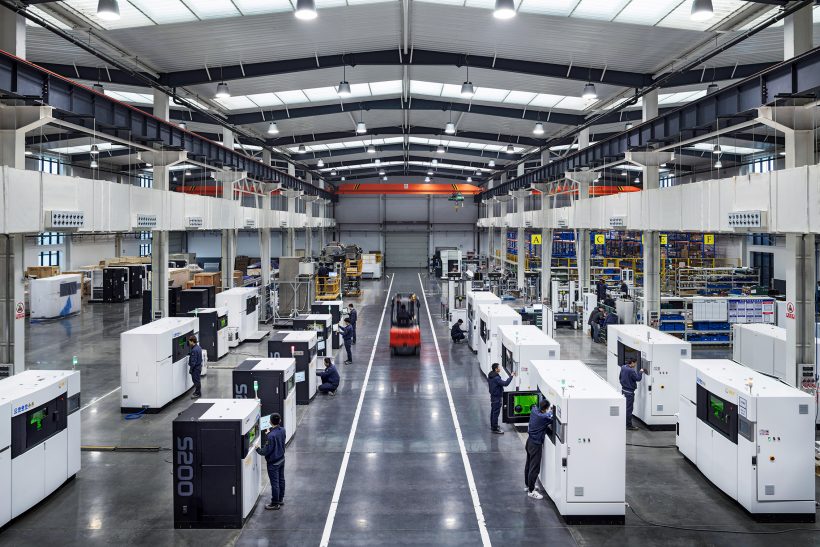
Explore high-precision metallic 3D printing solutions engineered for rapid prototyping and low-volume production.
Built on advanced direct metal laser sintering (DMLS) and selective laser melting (SLM) technologies, our metallic 3D printers deliver exceptional detail, strength, and material versatility—ideal for aerospace, medical, and industrial applications.
All systems are manufactured and rigorously tested at our ISO-certified facility in Shenzhen, ensuring consistent quality and performance.
For technical specifications, pricing, or integration support, contact Susan Leo at [email protected]. Let’s build the future of manufacturing—together.
🚀 Rapid Prototyping Estimator
Estimate rough cost index based on volume.