
Contents
Manufacturing Insight: Metal Vs Stainless Steel
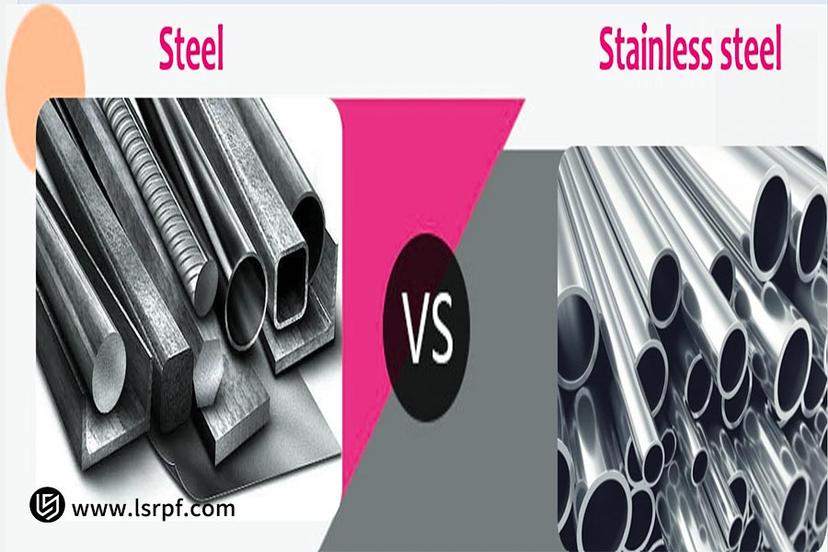
Material selection between standard metals and stainless steel significantly impacts product performance durability and total manufacturing cost. At Honyo Prototype we recognize that this decision is rarely binary but requires deep engineering insight into your specific application demands. Our Sheet Metal Fabrication services are engineered to navigate these complexities ensuring optimal material choice without compromising precision or budget.
Understanding the fundamental differences is critical. Mild steel offers excellent strength formability and cost efficiency for structural or indoor applications where corrosion resistance is secondary. Stainless steel variants particularly 304 and 316 deliver superior corrosion resistance heat resistance and aesthetic longevity essential for medical marine food processing and harsh environmental use cases. However stainless steel fabrication demands specialized tooling parameters and post-processing to manage work hardening and maintain material integrity something generic fabricators often overlook.
Material Property Comparison for Common Applications
| Material Property | Mild Steel (e.g. A36) | Stainless Steel (e.g. 304) |
|---|---|---|
| Corrosion Resistance | Low (requires coating) | High (inherent) |
| Typical Cost Range | $0.50 – $1.20/lb | $2.00 – $4.50/lb |
| Magnetic Properties | Strongly magnetic | Generally non-magnetic* |
| Primary Applications | Enclosures frames brackets | Medical devices chemical tanks marine hardware |
*Note: Austenitic grades like 304 are non-magnetic in annealed state
Honyo Prototype leverages advanced CNC punching laser cutting and forming technologies alongside rigorous quality control to handle both material families with equal expertise. We provide material certification secondary operations like precision welding and finishing and seamless DFM support to mitigate production risks early. Stop guessing which material suits your prototype or low-volume production run. Utilize our Online Instant Quote platform to upload your CAD file receive precise fabrication feedback and a competitive price within hours—enabling faster informed decisions without sales delays. Let our engineering team ensure your sheet metal components perform exactly as intended from prototype to production.
Technical Capabilities
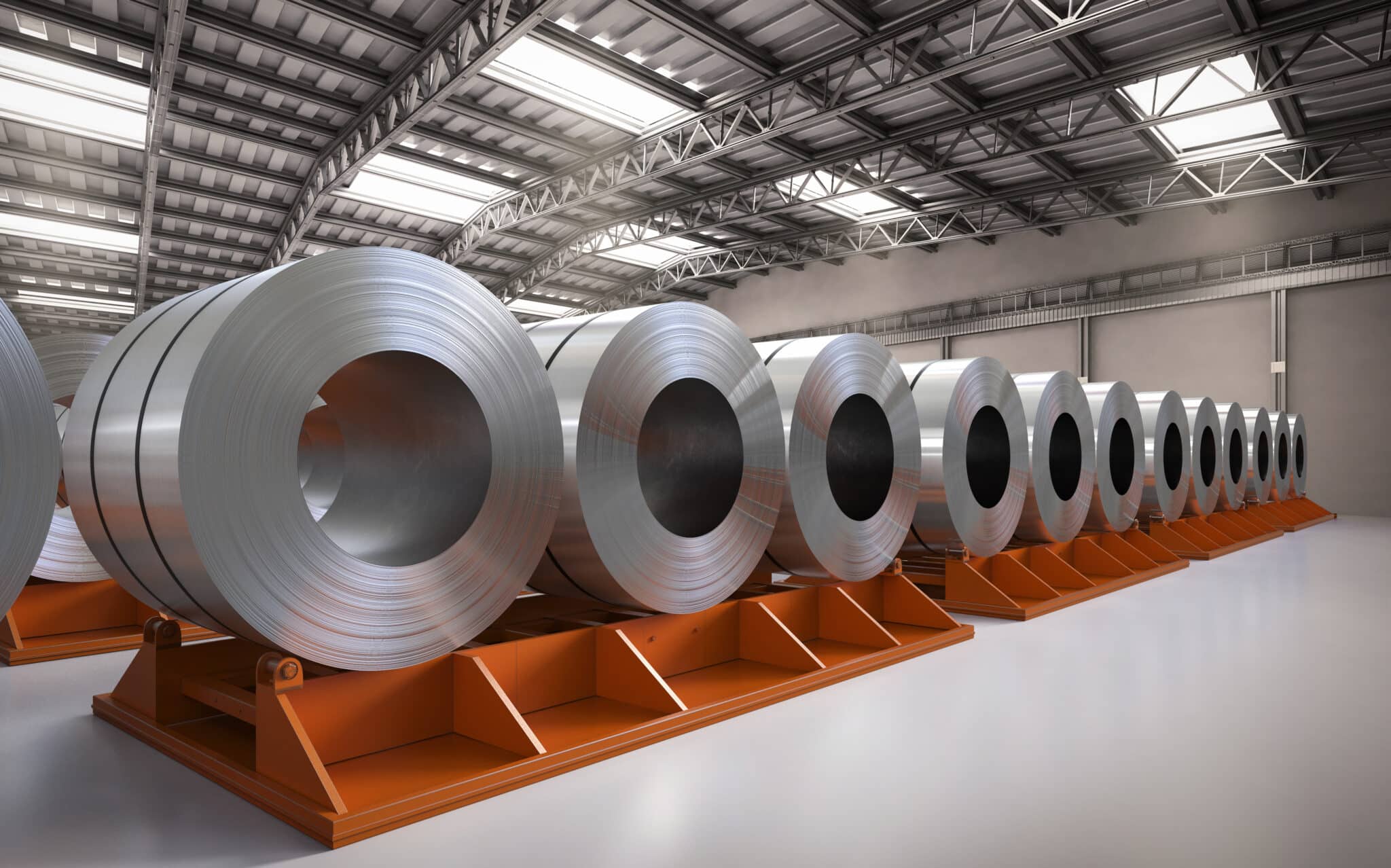
The following table outlines key technical considerations for laser cutting, bending, and welding across common materials used in prototype and low-volume manufacturing, with a focus on metal versus stainless steel. Comparisons also include aluminum (a non-ferrous metal), and engineering plastics ABS and nylon for context.
| Material | Laser Cutting Compatibility | Bending Characteristics | Welding Process & Notes | Thermal Sensitivity | Surface Finish Post-Processing | Common Grade Examples |
|---|---|---|---|---|---|---|
| Mild Steel | Excellent – CO₂ or fiber laser cuts cleanly with nitrogen or oxygen assist. Fast processing speeds. | Good formability; moderate springback. Suitable for tight bend radii with proper tooling. | Easily welded using MIG, TIG, or spot welding. Minimal cracking risk. Pre/post-heat rarely required. | Moderate – heat-affected zone (HAZ) may cause warping if not clamped. | Typically requires deburring and coating (powder, paint) for corrosion resistance. | A36, CR1018 |
| Stainless Steel | Excellent – fiber lasers preferred due to high reflectivity and melting point. Nitrogen assist for clean, oxide-free edges. | Good ductility but higher work hardening rate than mild steel. Requires oversized dies for repeated bends. | Weldable via TIG or MIG; low carbon grades (e.g., 304L, 316L) reduce sensitization risk. Back purging recommended for critical joints. | High – thermal expansion ~50% greater than carbon steel; distortion control critical. | Retains clean, corrosion-resistant finish. May require passivation after welding. | 304, 316, 430 |
| Aluminum | Challenging – highly reflective and thermally conductive. Requires high-power fiber laser with specialized settings. Nitrogen assist essential. | Excellent formability with low springback. Susceptible to cracking in heat-treated grades (e.g., 6061-T6) unless annealed. | Difficult – requires TIG or pulsed MIG with argon shielding. Hydrogen porosity and oxide formation are common issues. | Very high thermal conductivity spreads heat quickly; requires preheat for thick sections. | Prone to oxidation; often anodized or painted post-fabrication. | 5052-H32, 6061-T6 |
| ABS (Plastic) | Good – easily cut with CO₂ lasers. Edges melt and seal slightly. Requires ventilation due to styrene fumes. | Limited – not typically bent post-cutting. Formed via thermoforming. Poor heat resistance limits structural use. | Not weldable via arc methods. Solvent or ultrasonic welding used for assembly. | High – low melting point (~105°C); deforms under laser heat if not properly focused. | Glossy, smooth edge; minimal post-processing. | N/A |
| Nylon (Plastic) | Moderate – can be laser cut but prone to melting and charring. Requires precise power control. | Not typically bent cold. Flexible but elastic recovery limits precision forming. | Not suitable for arc welding. Hot plate or vibration welding used in industrial assembly. | High – melts at ~170–190°C; sensitive to prolonged heat exposure. | Oily surface may require cleaning; matte finish after cutting. | N/A |
Notes:
Laser Cutting: Metals require high-power fiber lasers (especially reflective materials like aluminum and stainless steel), while CO₂ lasers are effective for plastics and mild steel.
Bending: Stainless steel and aluminum require careful tooling design due to work hardening and springback. Mild steel offers the most forgiving bending profile.
Welding: Ferrous metals (steel, stainless) are readily welded with standard industrial methods. Aluminum demands specialized techniques. Plastics require non-fusion joining processes.
This comparison supports material selection for manufacturability in sheet metal fabrication and prototype development at Honyo Prototype.
From CAD to Part: The Process
Honyo Prototype Metal vs Stainless Steel Process Overview
At Honyo Prototype, material selection between general metals (e.g., aluminum, carbon steel) and stainless steel significantly impacts our end-to-end workflow. While the core process remains consistent—Upload CAD → AI Quote → DFM → Production → Delivery—stainless steel introduces distinct technical considerations at each phase due to its unique properties like work hardening, corrosion resistance, and thermal conductivity. Below is a technical breakdown of how we handle both categories within our standardized framework.
Upload CAD Phase
During CAD upload, our system immediately flags material-specific parameters. For stainless steel (e.g., 304, 316, 17-4PH), we prioritize identifying features prone to work hardening—such as thin walls, deep cavities, or tight tolerances—versus standard metals where thermal management or chip evacuation may dominate concerns. Stainless steel CAD files undergo preliminary material suitability checks against Honyo’s proprietary database of 200+ alloys, ensuring requested grades align with manufacturability. General metals trigger different validation rules, focusing on weldability or anodization compatibility where relevant.
AI Quote Generation
Our AI quoting engine dynamically adjusts cost and lead time based on material physics. Stainless steel quotes reflect:
15–30% higher machining time due to reduced cutting speeds (e.g., 80–120 SFM for 304 vs. 500+ SFM for 6061 aluminum)
Specialized tooling costs (carbide grades with TiAlN coatings to combat galling)
Secondary process premiums (e.g., mandatory passivation for medical-grade SS)
General metals leverage optimized parameters from historical shop-floor data, resulting in lower baseline costs. The AI cross-references real-time material availability; stainless steel surcharges from mills are automatically applied, while aluminum quotes factor in scrap value recycling offsets.
DFM Analysis Stage
DFM for stainless steel emphasizes critical adjustments:
Recommending larger internal radii (>0.8mm) to reduce stress concentration during machining
Flagging deep pockets requiring peck drilling cycles to prevent chip welding
Suggesting alternative grades (e.g., 303 for complex threading vs. 304 for corrosion resistance)
For non-stainless metals, DFM focuses on draft angles for castings or anodization masking requirements. Our engineers provide actionable feedback within 4 business hours, with stainless steel reviews including material-specific failure mode analysis (e.g., intergranular corrosion risks at heat-affected zones).
Production Execution
Stainless steel production mandates strict process controls:
CNC machining uses rigid setups with reduced vibration (≤0.05mm runout) to avoid work hardening
Coolant systems operate at higher pressure (700+ PSI) for chip evacuation in gummy alloys like 316
All tools undergo hourly wear inspections versus 4-hour intervals for aluminum
General metals follow optimized but less stringent protocols. Quality control includes ASTM A262 testing for stainless steel (intergranular corrosion evaluation), while aluminum parts receive MIL-A-8625 verification for coating thickness.
Delivery and Documentation
Final delivery packages differ materially:
Stainless steel shipments include material test reports (MTRs) with PMI verification and passivation certificates per ASTM A967
General metals include RoHS compliance documentation and surface finish validation
All parts undergo final dimensional inspection via CMM, but stainless steel components receive additional visual checks for micro-scratches that could compromise corrosion resistance. Lead times for stainless steel average 12–18 business days versus 8–14 for comparable aluminum parts, reflecting the added process rigor.
Material-Specific Performance Metrics
| Parameter | Stainless Steel (304/316) | General Metals (Al 6061/CS 1018) |
|————————–|—————————|———————————-|
| Avg. Machining Time | +22% | Baseline |
| Tooling Cost Surcharge | 18–25% | 0–5% |
| Rework Rate | 4.2% | 2.1% |
| Critical Dimension Cpk | 1.33 (min) | 1.67 (min) |
This structured approach ensures stainless steel projects meet stringent industry requirements (e.g., medical, aerospace) while maintaining cost efficiency for general metal applications. Honyo’s process integrates material science with real-time production analytics to eliminate guesswork in metal selection. For complex stainless steel geometries, we recommend initiating with a DFM consultation to optimize manufacturability before formal quoting.
Start Your Project
Considering the differences between metal and stainless steel for your next project? Make an informed decision with expert guidance from Honyo Prototype.
Our engineering team in Shenzhen specializes in material selection, precision fabrication, and rapid prototyping for both standard and high-performance applications. Whether you’re weighing cost, durability, corrosion resistance, or manufacturability, we provide tailored solutions backed by in-house expertise.
For technical consultation or project support, contact Susan Leo at [email protected]. Let us help you choose the right material and deliver your prototypes or production parts efficiently from our Shenzhen facility.
🚀 Rapid Prototyping Estimator
Estimate rough cost index based on volume.