
Contents
Manufacturing Insight: Metal Casting Companies
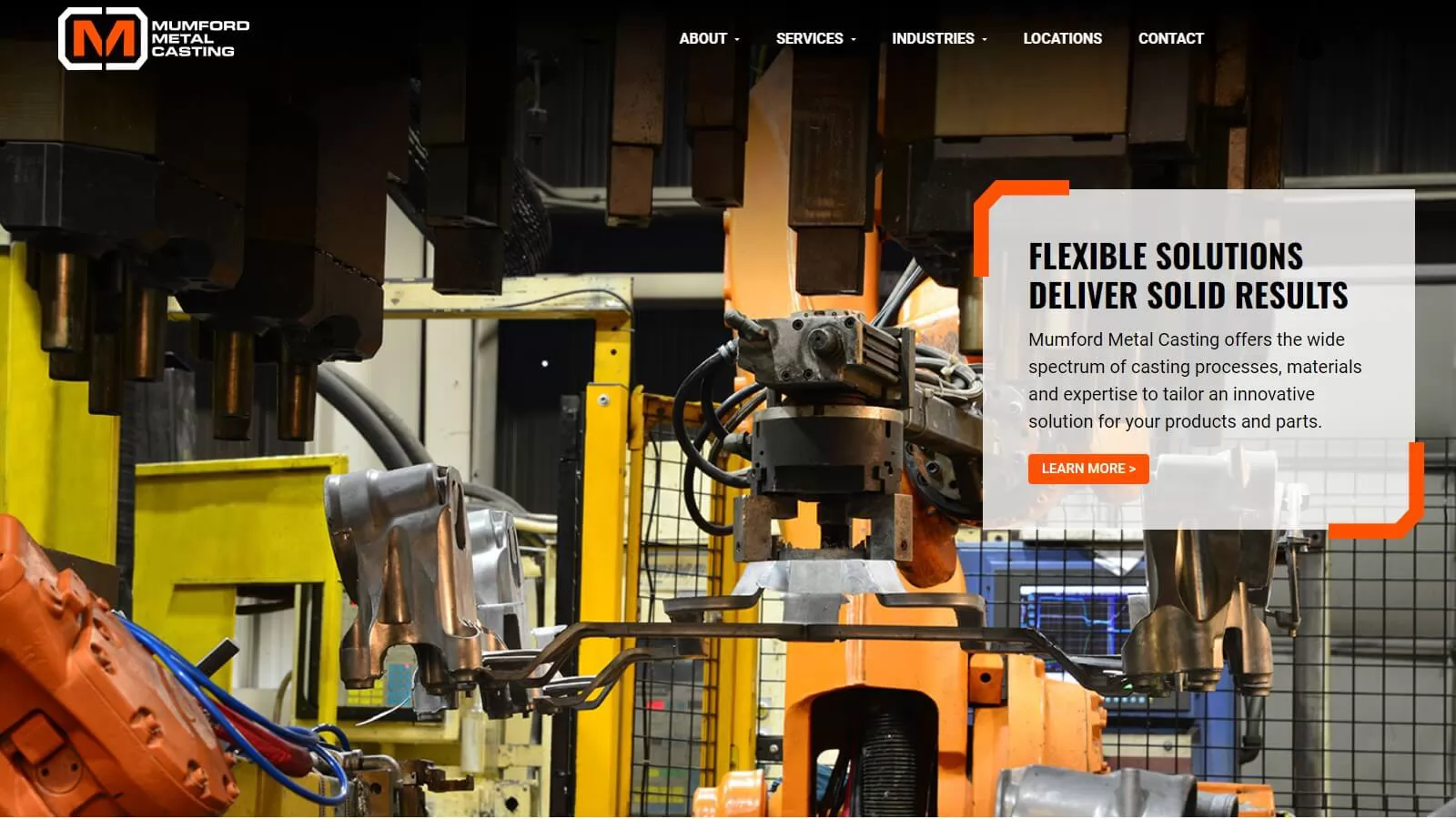
Honyo Prototype recognizes that metal casting companies operate within complex supply chains where secondary fabrication often determines final component viability. While our core expertise lies in precision sheet metal fabrication rather than casting processes, we provide critical downstream manufacturing solutions specifically engineered to complement cast part integration. Many casting partners require robust housings, brackets, enclosures, or structural elements that demand tight-tolerance forming, welding, and finishing capabilities beyond cast geometry.
Our industrial-grade sheet metal fabrication services deliver exceptional repeatability for components requiring ±0.005″ tolerances across materials including aluminum 5052/6061, stainless steel 304/316, and cold-rolled steel. Capabilities span laser cutting up to 1″ thick plate, CNC bending with 200-ton press capacity, robotic welding (MIG/TIG), and comprehensive finishing such as powder coating or anodizing. This ensures cast assemblies integrate seamlessly into end products without dimensional compromises or assembly delays.
Accelerate your prototyping and production timelines through our proprietary Online Instant Quote platform. Upload CAD files in STEP, DWG, or DXF format to receive actionable manufacturing feedback and competitive pricing within hours—not days. This eliminates traditional RFQ bottlenecks for time-sensitive projects where cast components interface with fabricated subassemblies.
Metal casting firms consistently leverage Honyo Prototype to solve secondary fabrication challenges that impact time-to-market. Integrate our sheet metal capabilities early in your workflow to ensure dimensional harmony between cast and fabricated elements. Initiate your next project with confidence by accessing real-time manufacturability analysis and quoting at honyoprototype.com.
Technical Capabilities
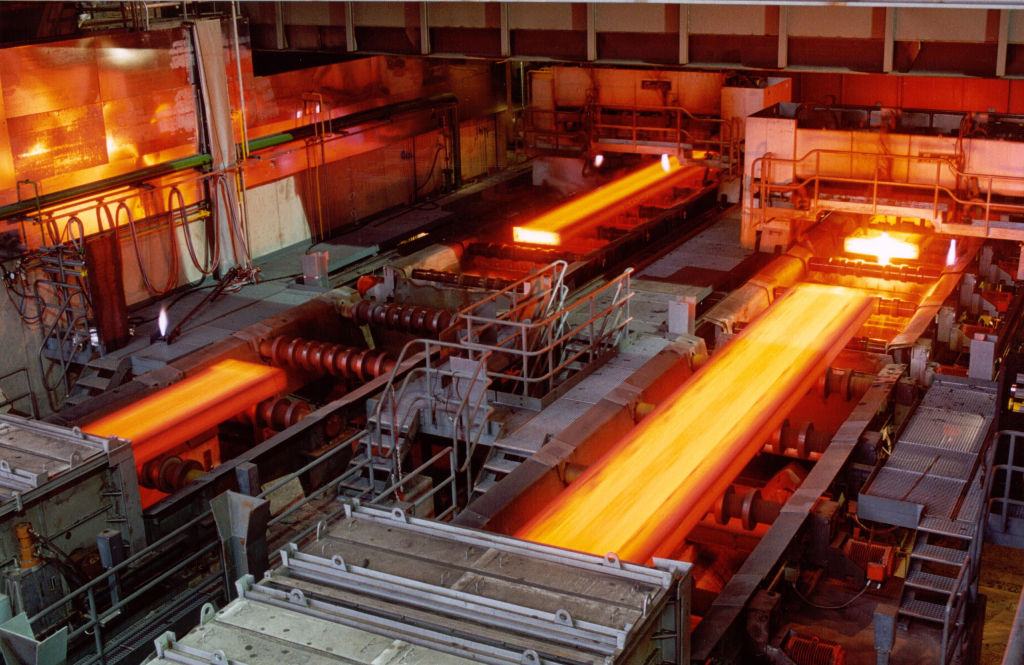
The term “metal casting companies” typically refers to businesses that produce metal parts by pouring molten metal into molds. However, the processes you’ve specified—laser cutting, bending, and welding—are more characteristic of metal fabrication rather than casting. Honyo Prototype specializes in precision manufacturing services that include laser cutting, CNC bending, and automated welding for both cast and wrought components.
Below is a technical specification table outlining capabilities relevant to laser cutting, bending, and welding operations, including compatible materials such as Aluminum, Steel, ABS, and Nylon. Note that ABS and Nylon are engineering plastics and are not used in metal casting or typical welding/bending; they may be included in hybrid assemblies or for secondary components.
| Process | Material Compatibility | Thickness Range | Tolerance | Equipment Type | Notes |
|---|---|---|---|---|---|
| Laser Cutting | Aluminum, Steel | 0.5 mm – 25 mm | ±0.1 mm | Fiber Laser Cutting Machines | Not applicable for ABS/Nylon due to thermal degradation; limited to sheet metal forms |
| CNC Bending | Aluminum, Steel | 0.8 mm – 12 mm | ±0.2° angular, ±0.1 mm linear | CNC Press Brakes with CNC tooling | Requires bend allowances; not suitable for thermoplastics like ABS/Nylon in standard operations |
| MIG/TIG Welding | Aluminum, Steel | 1 mm – 20 mm | ±0.5 mm fit-up | Automated MIG/TIG Welding Cells | Full penetration welds with certified procedures; post-weld machining available |
| Assembly & Hybrid Integration | ABS, Nylon (as inserts or housings) | N/A | N/A | Manual & Semi-Automated Stations | Plastics used in secondary operations for enclosures, bushings, or insulation; joined via mechanical fasteners or adhesives |
Notes:
Aluminum and steel are primary materials for laser cutting, bending, and welding.
ABS and Nylon are not weldable using MIG/TIG methods and cannot be bent like sheet metal. They are processed separately via CNC machining or injection molding and integrated into final assemblies.
Honyo Prototype supports multi-material fabrication, enabling hybrid designs where metal structural components are combined with plastic elements for weight reduction or electrical insulation.
All metal parts undergo quality inspection using CMM, profilometers, and visual inspection per ISO 9001 standards.
For complete turnkey solutions involving both metal fabrication and plastic integration, Honyo Prototype provides design for manufacturability (DFM) support to optimize part performance and assembly efficiency.
From CAD to Part: The Process
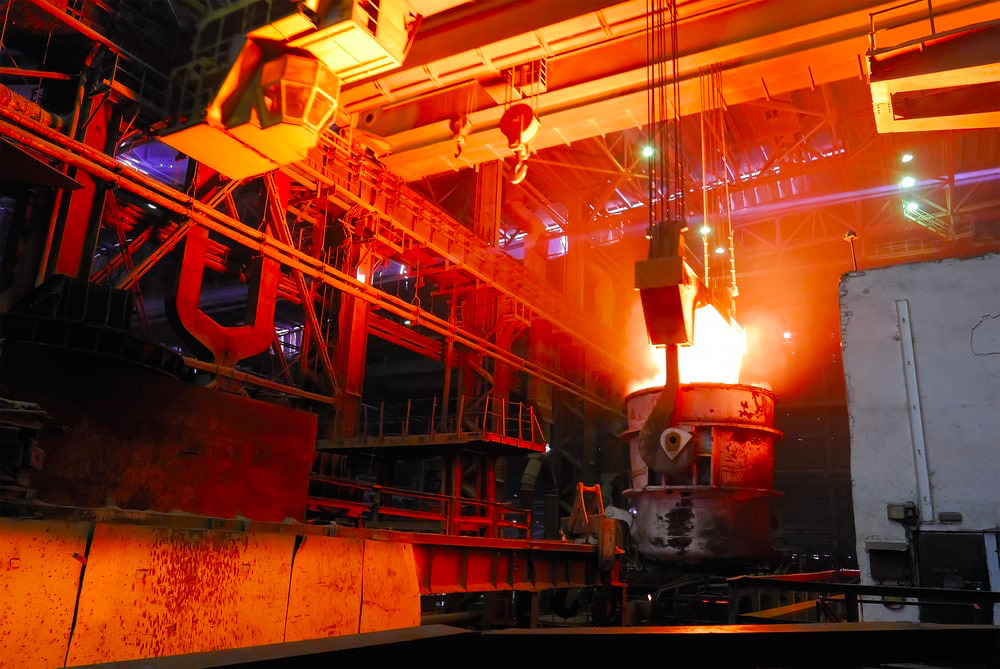
Honyo Prototype Metal Casting Process Overview
Honyo Prototype delivers precision metal cast parts through a streamlined digital workflow designed for efficiency and manufacturability. Our process begins with customer CAD submission and concludes with certified part delivery, integrating AI-driven validation and expert engineering oversight at critical stages. Below is a technical breakdown of each phase.
CAD Upload and Initial Validation
Customers initiate the process by uploading 3D CAD models (STEP, IGES, or native formats) via our secure portal. Our system performs automated geometry validation, checking for non-manifold edges, unit consistency, and file integrity. This step ensures the model is technically viable for casting simulation and prevents downstream errors caused by corrupted or incomplete data. File acceptance triggers entry into the quoting pipeline.
AI-Powered Quoting Engine
The validated CAD model is processed by our proprietary AI quoting system. This engine analyzes geometric complexity, material selection, required tolerances, and surface finish specifications against real-time foundry capacity, material costs, and labor rates. It generates a detailed preliminary quote within 2 hours, including cost breakdowns for pattern tooling, casting, and post-processing. Critical parameters like minimum wall thickness and draft angles are flagged if outside standard casting capabilities, prompting optional DFM review before quote finalization.
Expert Design for Manufacturing (DFM) Analysis
All quotes include an optional but recommended DFM review conducted by Honyo’s senior casting engineers. This phase focuses on mitigating casting-specific defects through rigorous analysis:
| Parameter | Casting-Specific Checks | Mitigation Actions |
|---|---|---|
| Wall Thickness | Variations > 25% risk shrinkage porosity | Recommend core shifts or localized chill inserts |
| Draft Angles | < 1° on vertical surfaces causes ejection damage | Propose minimum 1.5°–3° draft adjustments |
| Fillet Radii | Sharp internal corners induce hot tears | Specify radii ≥ 3x wall thickness |
| Parting Lines | Complex geometry increases flash risk | Optimize for minimal undercuts |
| Shrinkage Allowance | Material-specific contraction not modeled in CAD | Apply ISO 2768 tolerances with casting factor |
The DFM report provides actionable recommendations with annotated 3D visuals, reducing iteration cycles by 40% based on historical project data. Customers approve the final manufacturable design before production release.
Production Execution
Approved designs move to production in Honyo’s ISO 9001-certified foundry network. We select the optimal casting method based on volume and complexity:
Sand Casting: For prototypes and low-volume runs (1–500 pcs), using chemically bonded silica sand molds with automated pouring.
Investment Casting: For high-complexity geometries requiring fine detail (e.g., aerospace turbine blades), utilizing wax pattern injection and ceramic shell molding.
Die Casting: For high-volume aluminum/zinc parts (1,000+ pcs), employing cold-chamber machines with 150–4,000 ton clamping force.
All processes include in-line process controls: real-time temperature monitoring during melt, X-ray inspection for internal defects per ASTM E505, and CMM validation of critical dimensions. Secondary operations like heat treatment, machining, and surface finishing occur in-house under unified quality oversight.
Delivery and Documentation
Completed parts undergo final inspection against AS9102 or PPAP documentation requirements. Each shipment includes:
Dimensional inspection report with GD&T verification
Material test certificate (MTC) traceable to heat number
NDT reports (radiographic/ultrasonic) for critical components
First-article approval package for production scaling
Parts ship via tracked logistics with delivery confirmation within 15–25 business days from DFM approval, depending on complexity. Honyo maintains full digital traceability from CAD to delivery, enabling rapid root-cause analysis if required. This closed-loop process ensures metal castings meet aerospace, medical, and industrial performance standards while minimizing time-to-market.
Start Your Project
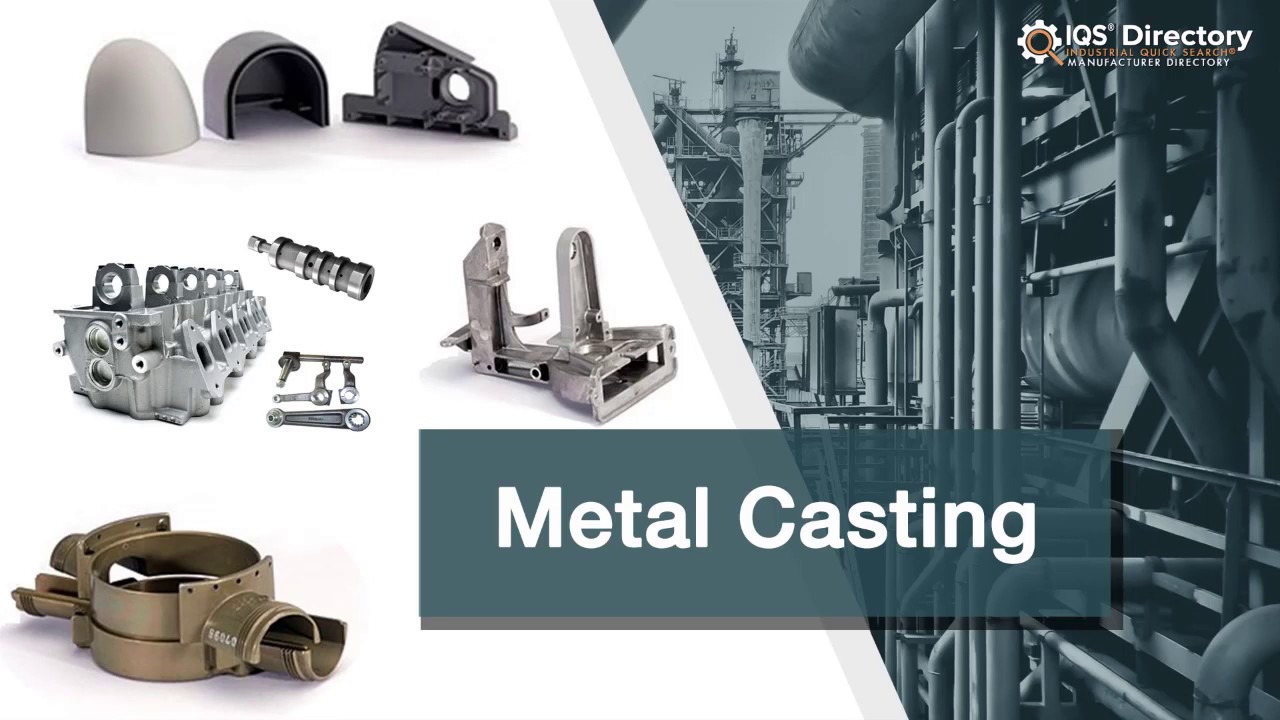
Looking for reliable metal casting solutions? Partner with Honyo Prototype, a trusted name in precision metal casting with a state-of-the-art factory located in Shenzhen, China. Our advanced manufacturing capabilities and strict quality control ensure consistent, high-performance cast metal components for industries ranging from automotive to industrial equipment.
Contact Susan Leo today to discuss your project requirements and discover how we can support your production goals with cost-effective, scalable metal casting services.
Email: [email protected]
🚀 Rapid Prototyping Estimator
Estimate rough cost index based on volume.