
Contents
Manufacturing Insight: Melting Point Of Carbon Steel
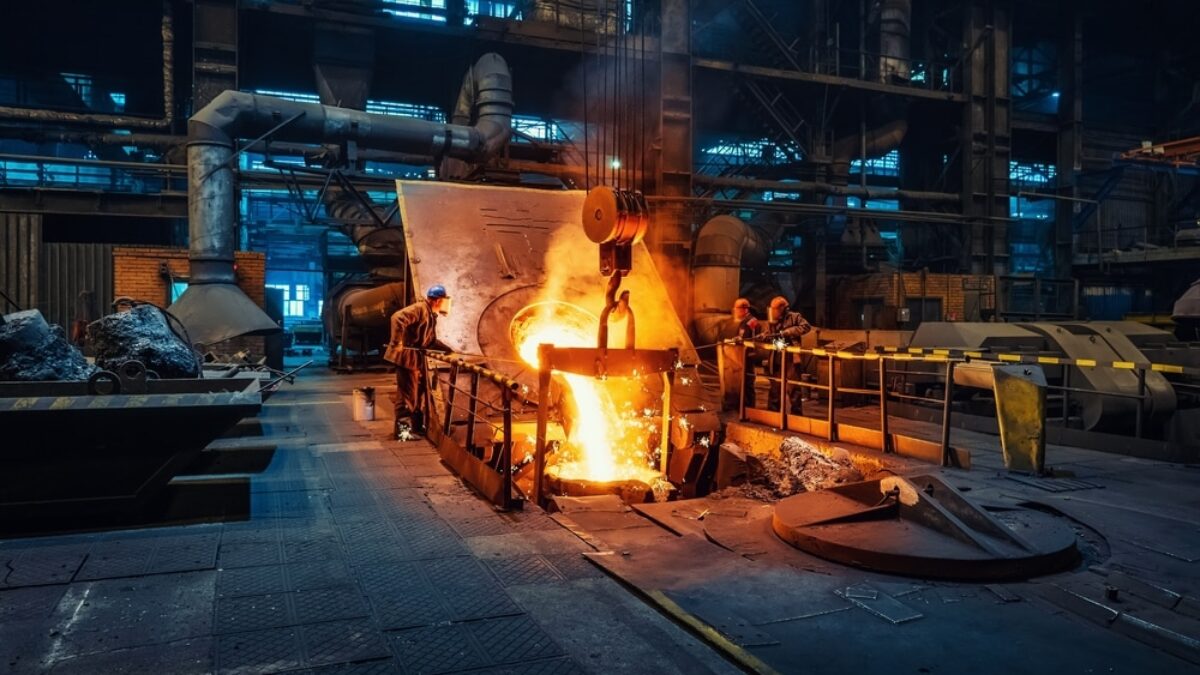
Understanding Carbon Steel Thermal Properties for Precision Machining
Carbon steel, a foundational material in industrial manufacturing, exhibits a melting point range typically between 1370°C and 1510°C (2500°F – 2750°F), depending on its specific alloying elements and carbon content. While this high-temperature characteristic defines its suitability for applications like forging or casting, it is crucial for CNC machining operations to recognize that precision subtractive manufacturing occurs well below this thermal threshold. The relevant thermal considerations for CNC turning, milling, and grinding center on the material’s behavior under localized heat generation during cutting – factors such as thermal conductivity, coefficient of thermal expansion, and resistance to work hardening directly impact tool life, surface finish, and dimensional stability.
At Honyo Prototype, our core expertise lies in leveraging deep material science knowledge, including the thermal and mechanical properties of carbon steel grades like 1018, 1045, and 4140, to optimize CNC machining processes. We understand that consistent part quality hinges on precise control of cutting parameters, coolant strategies, and toolpath planning to manage heat dissipation and prevent thermal distortion. Our advanced CNC milling and turning centers, operated by experienced manufacturing engineers, are calibrated to maintain micron-level tolerances even in challenging carbon steel components, ensuring the structural integrity and functional performance your application demands.
Partner with Honyo Prototype for CNC machining services where material understanding drives manufacturing excellence. Streamline your prototyping and low-volume production workflow immediately by accessing our Online Instant Quote system. Submit your carbon steel part CAD file today to receive a detailed, time-stamped quotation within hours, reflecting our commitment to speed, transparency, and engineering precision for demanding industrial applications.
Technical Capabilities
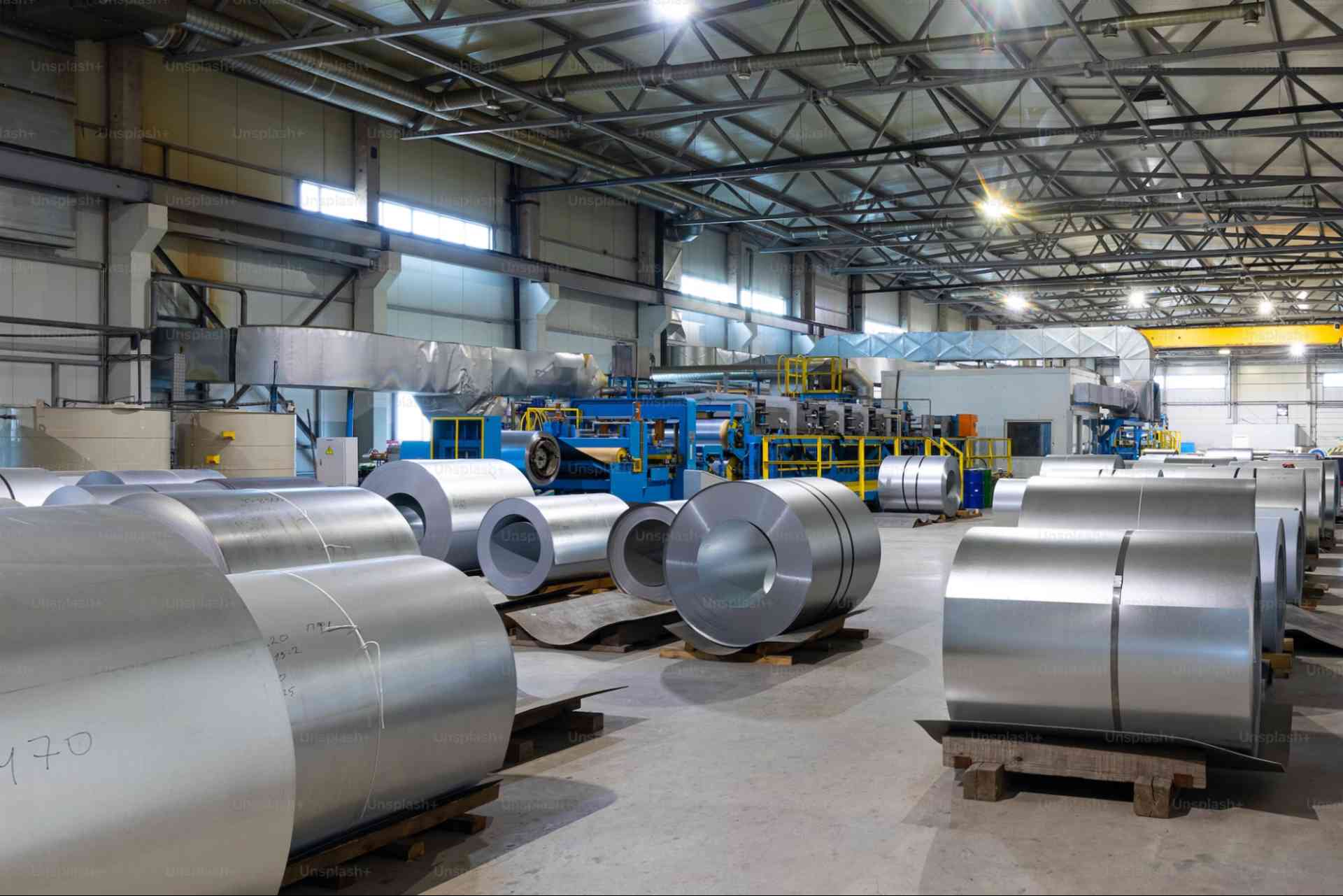
The melting point of carbon steel is not a direct machining parameter but is relevant for understanding thermal limits during high-speed 3/4/5-axis milling and turning operations, especially when maintaining tight tolerances (±0.0005″ or tighter). Excessive heat generated during machining can approach material thermal thresholds, leading to tool wear, thermal expansion, and dimensional inaccuracies. Therefore, knowledge of material thermal properties—including melting point—helps optimize cutting parameters such as speed, feed, and coolant use.
Below is a comparative table outlining the melting points and key machining characteristics of common materials processed at Honyo Prototype during precision milling and turning operations:
| Material | Melting Point (°C) | Melting Point (°F) | Machinability Notes for 3/4/5-Axis Milling & Turning | Tight Tolerance Suitability | Thermal Stability During Machining |
|---|---|---|---|---|---|
| Carbon Steel | 1370–1510 | 2500–2750 | Generates high heat; requires rigid setups, coated carbide tools, and controlled feeds/speeds. Coolant essential to manage thermal expansion and maintain dimensional accuracy. | High (with proper thermal management) | Moderate to low; prone to thermal growth requiring in-process compensation |
| Aluminum (e.g., 6061, 7075) | 580–650 | 1076–1202 | Excellent machinability; high MRR possible. Low melting point requires attention to heat buildup. Use sharp tools and high feed rates to avoid built-up edge. | Very High | High; low thermal mass but responsive to cooling |
| ABS | 105 (softens) | 221 (softens) | Not melted during standard CNC machining. Low thermal resistance; prone to melting or burring with excessive tool friction. Use high-speed tools with shallow passes. | Moderate (for non-critical components) | Low; sensitive to localized heat |
| Nylon (Polyamide) | 215–260 | 419–500 | Thermoplastic behavior; softens rather than melts sharply. Can deform under heat and pressure. Requires sharp tools, low engagement, and air cooling. | Moderate (with stress-relieved stock) | Low to moderate; creep under thermal load |
Technical Considerations for Tight Tolerance Machining:
In 3/4/5-axis milling and turning, maintaining tight tolerances demands thermal predictability. Carbon steel’s high melting point allows it to withstand significant machining heat, but its low thermal conductivity causes heat concentration at the tool interface, accelerating tool wear and risking workpiece distortion. In contrast, aluminum dissipates heat quickly but has a much lower melting threshold, necessitating careful speed management.
Materials like ABS and nylon are not typically machined near their melting points, but their low thermal degradation thresholds require reduced cutting forces and optimized toolpaths to prevent dimensional drift. At Honyo Prototype, we employ thermal compensation strategies, high-precision tool monitoring, and environmental controls to ensure repeatability across all materials, especially in multi-axis operations where tool engagement varies dynamically.
For carbon steel, recommended practices include pre-heat treatment (annealing), use of PVD-coated inserts, and continuous coolant application to stabilize the thermal environment and achieve consistent ±0.0002″ to ±0.0005″ tolerances.
From CAD to Part: The Process
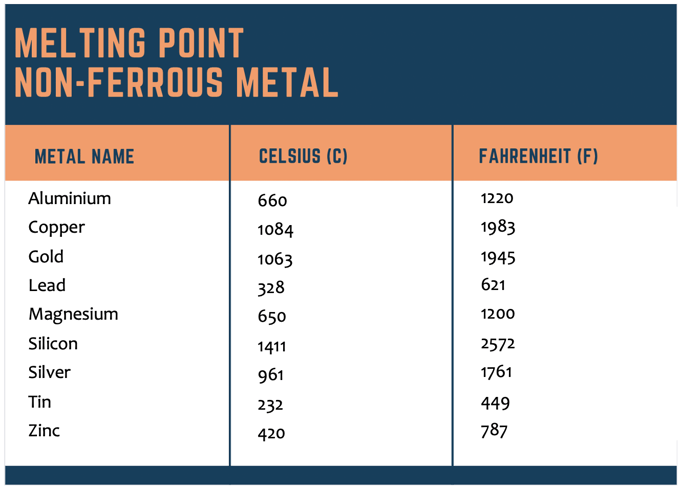
Honyo Prototype does not modify or control the inherent melting point of carbon steel, as this is a fixed material property determined by its chemical composition (typically 1370–1510°C for carbon steel, depending on carbon content and alloying elements). Our process focuses on prototyping and low-volume production of parts using carbon steel, ensuring manufacturability within the material’s natural thermal limits. Below is our standard workflow for carbon steel prototypes, clarifying where material properties like melting point are factored into engineering decisions:
CAD Upload
Clients submit 3D CAD models specifying material grade (e.g., AISI 1045). Our system validates file integrity and extracts critical parameters, including material selection. At this stage, we confirm carbon steel’s suitability for the design—ensuring operating temperatures remain well below its melting point to prevent deformation or failure.
AI-Powered Quoting
Our AI engine analyzes the CAD geometry, material specification, and tolerances to generate an instant quote. The algorithm cross-references carbon steel’s thermal properties (melting point, thermal conductivity) to flag risks like warpage during welding or heat treatment. If the design implies exposure to extreme temperatures, the quote includes a preliminary advisory note.
DFM Analysis
Engineers conduct a rigorous Design for Manufacturability review. For carbon steel, this includes:
Verifying weldability and heat-affected zone (HAZ) management to avoid melting during fabrication.
Assessing whether heat treatment (annealing, quenching) is needed—ensuring processes stay within safe thermal ranges below melting point.
Recommending design adjustments if thin sections risk localized overheating.
This phase ensures the part can be produced without compromising material integrity.
Production
Carbon steel parts are manufactured using CNC machining, laser cutting, or welding. All processes strictly adhere to thermal limits:
CNC operations use coolants to manage friction heat.
Welding parameters are calibrated to avoid exceeding the melting point of adjacent material.
No production step intentionally approaches carbon steel’s melting temperature; our focus is dimensional accuracy and structural soundness within safe operational ranges.
Delivery
Final parts undergo dimensional inspection and material verification. A certification report details conformance to specifications, including material grade verification (e.g., via mill test reports). We provide documentation confirming thermal processes stayed within industry-standard limits for carbon steel—never operating near its melting point.
Critical Clarification Table
| Client Expectation | Honyo Prototype Reality |
|---|---|
| “Melting point” as a service step | Not applicable—we utilize carbon steel within its natural properties; melting point is a fixed material characteristic we design around |
| Thermal manipulation | Zero thermal alteration of base material; all processes maintain temperatures safe for carbon steel integrity |
| Relevance in workflow | Melting point informs DFM and production safeguards (e.g., welding parameters) but is never a production target |
Honyo’s value lies in leveraging carbon steel’s inherent properties—not altering them. Our process rigorously accounts for thermal limits like melting point during engineering and production to deliver dimensionally precise, structurally sound prototypes. For applications involving extreme heat, we advise material substitution (e.g., to high-temperature alloys) during DFM.
Start Your Project
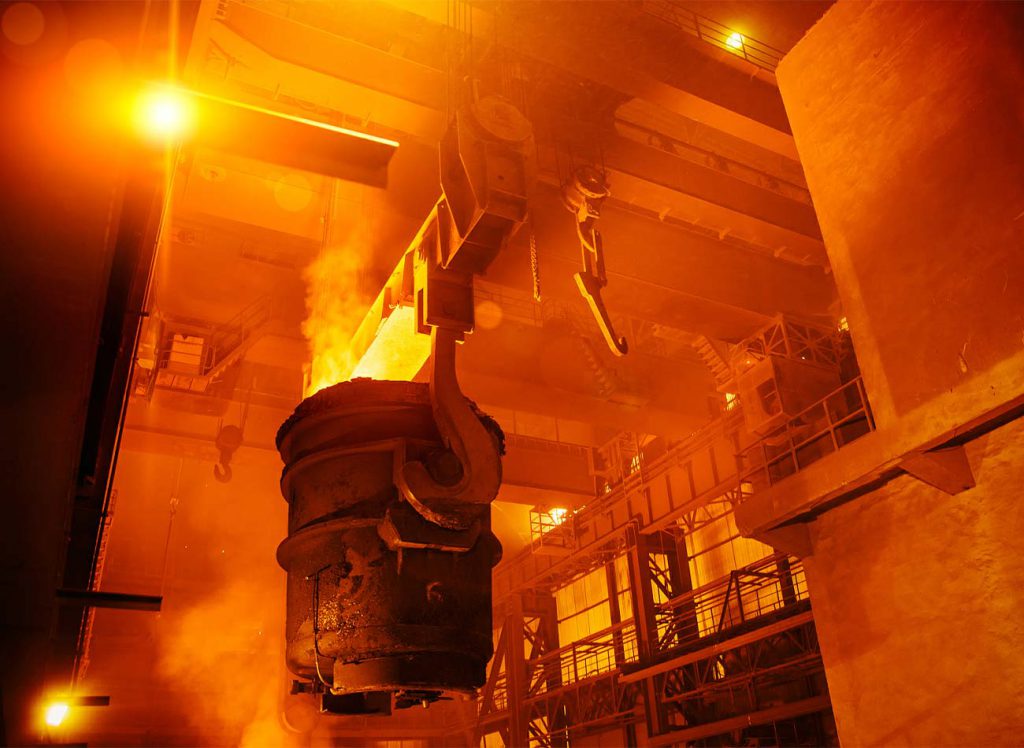
The melting point of carbon steel typically ranges between 1370°C and 1520°C (2500°F to 2770°F), depending on the specific alloy composition. For precise material specifications or custom fabrication needs, contact Susan Leo at [email protected]. Honyo Prototype offers expert manufacturing solutions with our factory located in Shenzhen, ensuring high-quality production and rapid prototyping capabilities for industrial applications.
🚀 Rapid Prototyping Estimator
Estimate rough cost index based on volume.