
Contents
Manufacturing Insight: Melting Point For Mild Steel
Understanding Material Properties for Precision CNC Machining
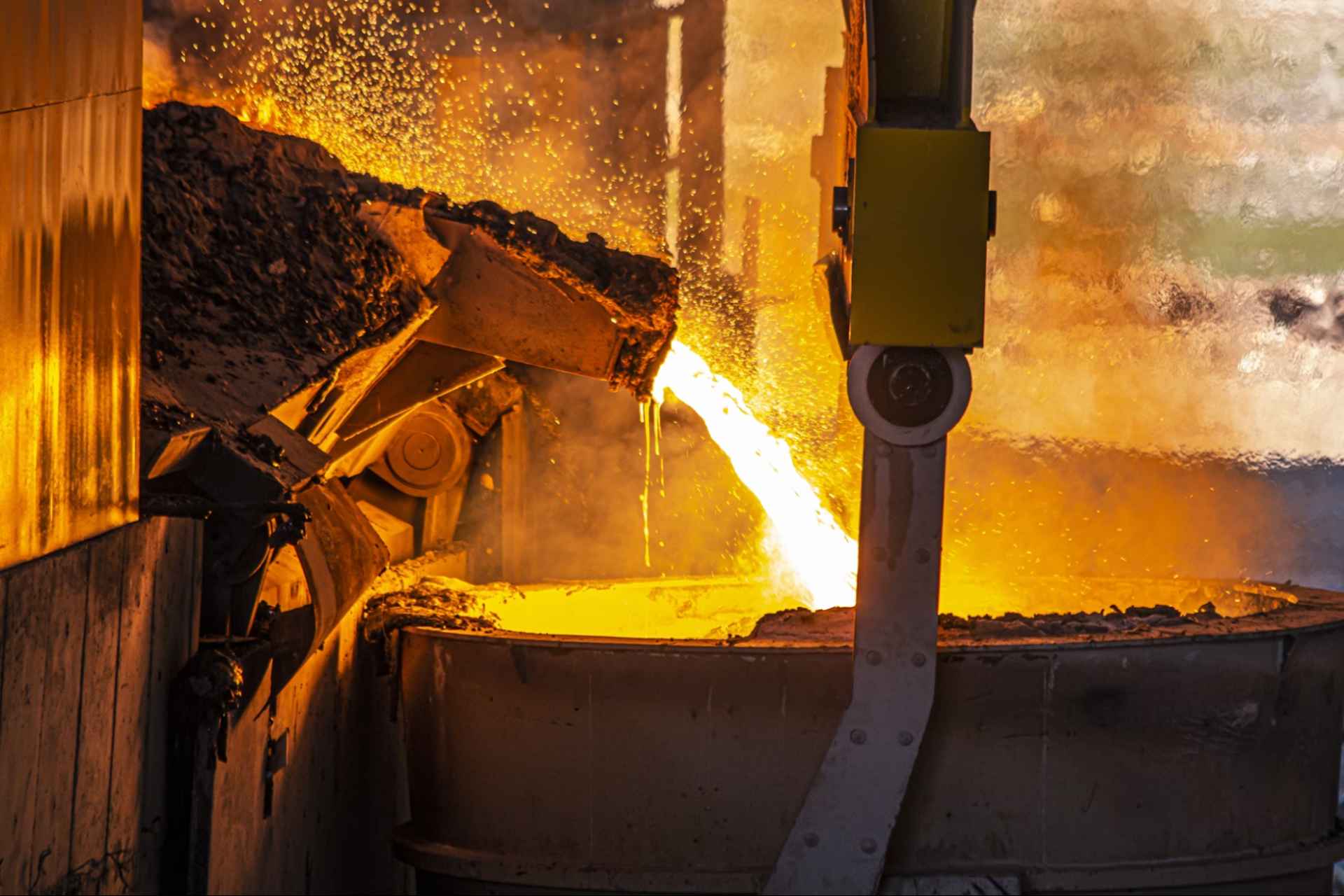
The melting point of mild steel, typically ranging from 1370°C to 1510°C (2500°F to 2750°F), is a critical material property that indirectly influences CNC machining performance. While machining occurs far below this threshold, thermal management during high-speed cutting remains essential to prevent workpiece distortion, tool wear, and compromised dimensional accuracy. At Honyo Prototype, our engineering team leverages deep material science expertise to optimize CNC parameters—such as spindle speed, feed rate, and coolant application—ensuring thermal stability and surface integrity for mild steel components. This precision-driven approach eliminates microstructural anomalies that could affect part functionality in demanding applications.
Honyo’s Material-Optimized CNC Machining Services
As a trusted partner for rapid prototyping and low-volume production, Honyo Prototype specializes in machining mild steel and other engineering alloys with uncompromising accuracy. Our CNC processes—from milling and turning to multi-axis contouring—are calibrated using material-specific data sheets and real-time thermal monitoring to maintain tight tolerances (±0.005mm) and superior finish quality. We recognize that variables like carbon content, grain structure, and prior heat treatment in mild steel directly impact machinability; our engineers preemptively adjust strategies to mitigate risks such as burring or residual stress. This technical rigor ensures your mild steel prototypes and end-use parts perform reliably under operational loads.
Accelerate Your Project Timeline with Instant Quoting
When material properties dictate machining success, partnering with a service provider who combines metallurgical insight with advanced CNC capabilities is non-negotiable. Honyo Prototype streamlines your path from design to delivery through our industry-leading Online Instant Quote system. Upload your CAD file, specify material requirements—including mild steel grades like AISI 1018 or 1045—and receive a detailed, transparent cost estimate within minutes. No manual back-and-forth: our algorithm factors in geometry complexity, material behavior, and precision needs to deliver accurate pricing aligned with your engineering goals. Begin your project with confidence at honyoprototype.com/quote.
Technical Capabilities
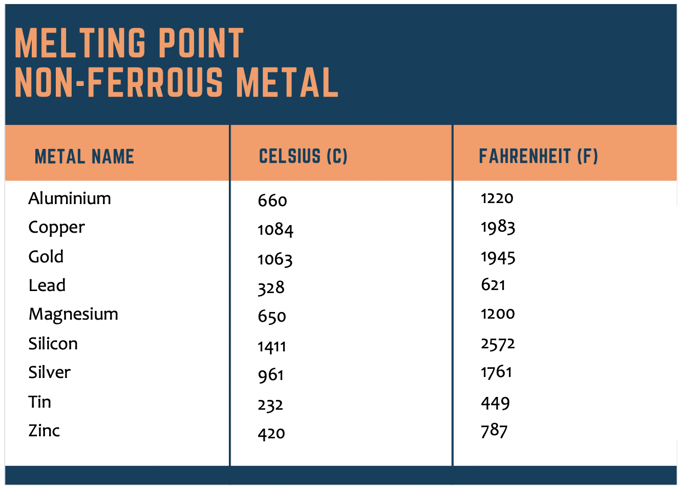
The melting point of mild steel is a critical material property that influences machining strategies, particularly in high-precision 3/4/5-axis milling and turning operations involving tight tolerances. While the melting point itself does not directly dictate machining parameters, it correlates with thermal conductivity, hardness at elevated temperatures, and tool wear behavior—factors that are crucial when maintaining dimensional accuracy and surface integrity.
Mild steel typically melts between 1370°C and 1510°C (2500°F to 2750°F), depending on its exact chemical composition, particularly the carbon and alloying element content. This relatively high melting point compared to materials like aluminum or engineering plastics such as ABS and nylon means that steel can sustain higher cutting temperatures before phase changes occur. However, during high-speed machining in multi-axis milling or precision turning, heat accumulation must be carefully managed to prevent thermal expansion-induced deviations from tight tolerance requirements (±0.005 mm or tighter).
In 3/4/5-axis operations, where complex geometries and prolonged tool engagement are common, understanding the thermal characteristics of the workpiece material helps in selecting appropriate cutting speeds, feeds, tool coatings (e.g., TiAlN for high-temperature resistance), and coolant strategies. For instance, materials with lower melting points such as aluminum or thermoplastics require lower heat input and efficient chip evacuation to avoid material smearing or deformation.
Below is a comparison of melting points and relevant machining considerations for common materials used in precision CNC manufacturing:
| Material | Melting Point Range | Thermal Conductivity (W/m·K) | Machinability Notes for 3/4/5-Axis Milling & Turning | Tight Tolerance Considerations |
|---|---|---|---|---|
| Mild Steel | 1370–1510°C (2500–2750°F) | 45–55 | Generates significant heat during cutting; requires rigid setups and carbide or ceramic tooling. Coolant essential to maintain dimensional stability. | Thermal growth must be monitored; pre-machining stress relief recommended to avoid post-machining distortion. |
| Aluminum Alloys | 600–660°C (1112–1220°F) | 120–240 | High thermal conductivity helps dissipate heat; prone to built-up edge. High-speed machining feasible with proper tool geometry. | Low rigidity in thin walls; fixturing and step-down strategies critical to meet ±0.005 mm tolerances. |
| ABS | 105–115°C (221–239°F) | ~0.2 | Low melting point limits cutting speed; excessive heat causes melting or burring. Use sharp, polished tools with high rake angles. | Part shrinkage and warping possible; avoid clamping-induced stress; ideal for prototype iterations. |
| Nylon (PA6/PA66) | 215–265°C (419–509°F) | ~0.25 | Soft and elastic; requires sharp tools and high spindle speeds with minimal vibration. Sensitive to moisture absorption. | Dimensional stability affected by humidity; dry material before precision machining. |
In high-accuracy applications, especially with steel and aluminum, process consistency—including tool wear monitoring, thermal compensation routines, and environmental temperature control—is essential to achieve and maintain tight tolerances across production runs. For materials like ABS and nylon, non-thermal factors such as mechanical compliance and hygroscopic behavior become dominant concerns in precision CNC workflows.
From CAD to Part: The Process
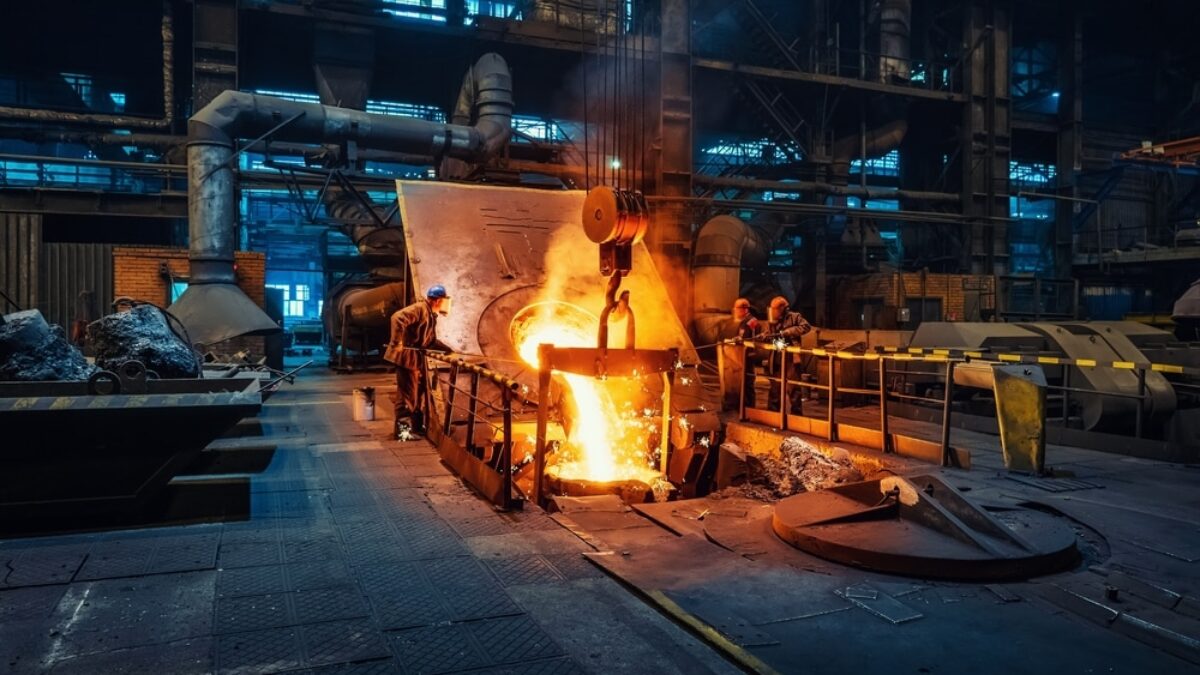
Honyo Prototype applies rigorous material science principles throughout our manufacturing workflow, but it is critical to clarify a fundamental misconception: the melting point of mild steel is not determined during production. This is a fixed material property defined by composition, not a variable process parameter. Mild steel (typically ASTM A36 or similar low-carbon steel) has a well-established melting range of 1,370–1,510°C (2,500–2,750°F) based on its iron-carbon phase diagram and industry standards. Our process instead verifies and leverages this known property to ensure manufacturability and part integrity. Below is the accurate sequence of how material properties like melting point are contextualized within our workflow:
Upon CAD upload, our AI quoting engine immediately cross-references the geometry against material databases. For mild steel components, the system validates that the design aligns with the material’s thermal limitations—such as avoiding features prone to distortion during welding or heat treatment where proximity to the melting point matters. This step ensures thermal processes remain safely below critical thresholds.
During DFM analysis, our engineers explicitly evaluate thermal risks tied to mild steel’s properties. We confirm that proposed welding parameters, heat treatments, or machining sequences maintain temperatures sufficiently below the 1,370°C minimum melting point to prevent microstructural damage. This includes verifying that localized heat input during fabrication won’t approach melting, which could cause warpage or metallurgical failure. Material certifications (e.g., mill test reports) are mandated to validate carbon content and trace elements that define the exact melting range.
Production executes within these thermally constrained parameters. For example, laser cutting or welding operations use pre-calculated energy inputs to stay within the safe operational window far below melting. Real-time thermal monitoring may be deployed for critical components to ensure compliance. Our quality team references the material’s certified melting point during process validation but does not measure it anew—we rely on standardized material specifications.
Delivery includes full material traceability documentation. Each shipment contains certified mill reports confirming the mild steel’s composition and associated properties, including the scientifically established melting range. This provides objective evidence that the manufactured part adheres to the thermal behavior expected of the specified alloy.
The following table summarizes how material properties integrate into our workflow versus the misconception of “determining” melting point:
| Process Stage | Role Regarding Mild Steel Melting Point | Actual Action Taken |
|---|---|---|
| CAD Upload | Not applicable | AI checks design against known thermal limits of mild steel (e.g., minimum bend radii to avoid heat-induced cracking) |
| AI Quote | Not measured | System flags designs requiring thermal processes near critical thresholds; pricing reflects necessary thermal controls |
| DFM | Verified, not determined | Engineers validate process parameters against certified melting range; reject designs risking thermal damage |
| Production | Strictly avoided | Execute processes with monitored temperatures kept 300°C+ below melting point; use certified material only |
| Delivery | Documented via material certs | Provide mill test reports showing carbon content and reference ASTM standards defining melting behavior |
Honyo’s value lies in applying established material science to prevent thermal failures—not in redefining intrinsic properties. We ensure every process step respects mild steel’s immutable melting characteristics through data-driven engineering controls and full material traceability. This approach guarantees dimensional stability and metallurgical integrity for your prototypes and low-volume production parts.
Start Your Project
The melting point for mild steel typically ranges between 1,370°C and 1,510°C (2,500°F to 2,750°F), depending on the exact composition and carbon content. This property makes mild steel suitable for a wide range of manufacturing and fabrication processes, including welding, casting, and heat treatment.
For precise material specifications or project-specific inquiries, contact Susan Leo at [email protected]. Honyo Prototype offers expert guidance on material selection and manufacturing solutions, backed by our production facility in Shenzhen, China. Partner with us for accurate, reliable, and scalable prototype and production services.
🚀 Rapid Prototyping Estimator
Estimate rough cost index based on volume.