
Contents
Manufacturing Insight: Medical Cnc Machines
Precision CNC Machining Engineered for Medical Device Excellence
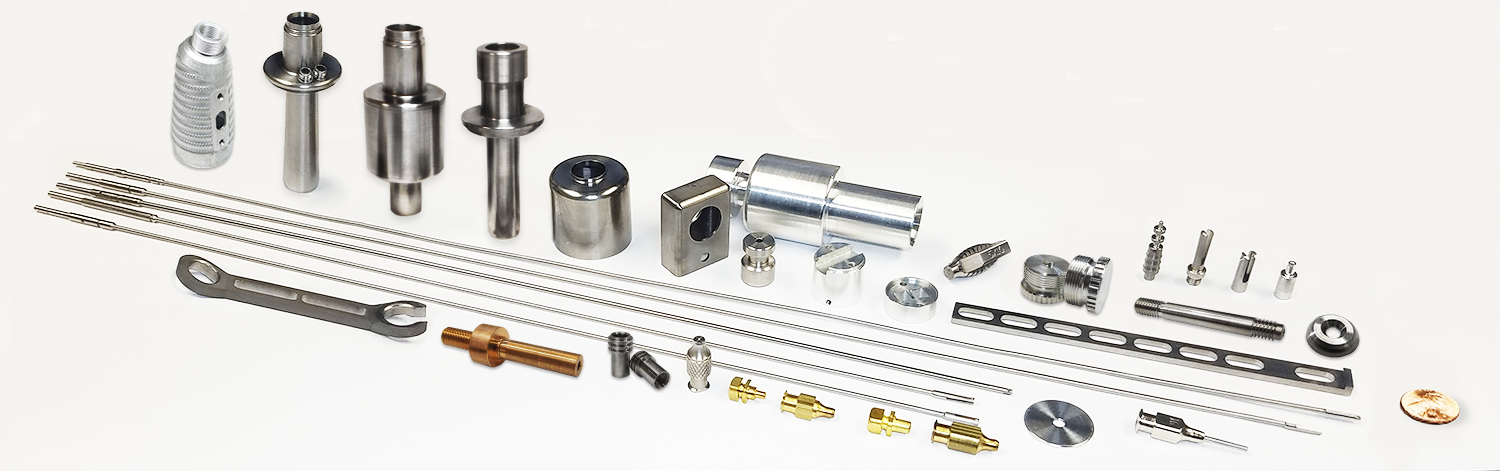
Medical device manufacturing demands uncompromising precision, material integrity, and regulatory adherence at every stage. Honyo Prototype specializes in high-accuracy CNC machining for mission-critical medical components—from surgical instruments and implantable devices to diagnostic equipment housings—where micron-level tolerances directly impact patient safety and device functionality. Our ISO 13485-compliant processes leverage advanced 3-, 4-, and 5-axis milling and turning centers to machine titanium, PEEK, stainless steel, and engineered polymers with consistent repeatability down to ±0.0002 inches. Every component undergoes rigorous in-process inspection and final validation against ASTM F86 surface finish standards, ensuring seamless integration into sterile, high-reliability applications.
Accelerate your development timeline with Honyo’s Online Instant Quote platform, designed specifically for medical engineering teams. Upload CAD files in STEP, IGES, or Parasolid formats to receive detailed manufacturability feedback and a formal quotation within hours—not days. This transparent, real-time system eliminates procurement bottlenecks while providing upfront clarity on lead times, material certifications, and secondary operations like passivation or laser marking. For medical device OEMs navigating stringent FDA or CE pathways, Honyo delivers not just parts, but documented process validation and traceability from prototype to volume production.
Material & Tolerance Capabilities
| Parameter | Specification |
|——————–|———————————–|
| Tolerance Range | ±0.0002″ (5 µm) to ±0.005″ |
| Surface Finish | Ra 0.8 µm to 3.2 µm (ASTM F86) |
| Max Work Envelope | 22″ x 16″ x 12″ (5-axis milling) |
| Lead Time (Prototype) | As fast as 5 business days |
Partner with Honyo to transform complex medical designs into regulatory-ready components, backed by engineering collaboration and rapid-turn digital quoting that keeps your innovation pipeline moving.
Technical Capabilities
Medical CNC machines are high-precision computer numerical control systems designed for manufacturing components that meet stringent regulatory and performance standards in the medical device industry. These machines are commonly used for 3-axis, 4-axis, and 5-axis milling as well as precision turning operations. They are optimized for tight tolerance machining, often achieving ±0.0002″ (±0.005 mm) or better, which is critical for implants, surgical instruments, and diagnostic equipment.
These machines handle a range of materials commonly used in medical applications, including aluminum alloys (e.g., 6061, 7075), stainless steels (e.g., 316L, 17-4 PH), and engineering thermoplastics such as ABS and nylon. The selection of machine configuration depends on part complexity, required accuracy, surface finish, and production volume.
Below is a summary of typical technical specifications for medical-grade CNC machines used in milling and turning applications:
| Specification | 3-Axis Milling | 4-Axis Milling | 5-Axis Milling | CNC Turning |
|---|---|---|---|---|
| Axis Configuration | X, Y, Z linear axes | X, Y, Z + rotary A or B axis | X, Y, Z + two rotary axes (e.g., A & B) | X, Z linear axes + optional C-axis (rotary) |
| Positioning Accuracy | ±0.0001″ (±0.0025 mm) | ±0.00015″ (±0.0038 mm) | ±0.00015″ (±0.0038 mm) | ±0.0001″ (±0.0025 mm) |
| Repeatability | ±0.00005″ (±0.0013 mm) | ±0.00008″ (±0.002 mm) | ±0.00008″ (±0.002 mm) | ±0.00005″ (±0.0013 mm) |
| Typical Spindle Speed | 15,000 – 24,000 RPM | 15,000 – 24,000 RPM | 20,000 – 30,000 RPM | 5,000 – 12,000 RPM |
| Tool Changer Capacity | 10–30 tools | 20–40 tools | 20–60 tools | 8–12 tools (live tooling optional) |
| Work Envelope (X×Y×Z) | Up to 20″ × 16″ × 16″ | Up to 20″ × 16″ × 16″ + rotary range | Up to 16″ × 12″ × 12″ + dual rotary | Max. swing 12″, max. length 10″ |
| Tight Tolerance Capability | ±0.0002″ (±0.005 mm) | ±0.0002″ (±0.005 mm) | ±0.0002″ (±0.005 mm) | ±0.0002″ (±0.005 mm) |
| Surface Finish (Ra) | 8–16 μin (typical), down to 4 μin (polished) | 8–16 μin | 8–16 μin | 8–16 μin |
| Common Materials Processed | Aluminum, Steel, ABS, Nylon | Aluminum, Steel, ABS, Nylon | Aluminum, Steel, ABS, Nylon | Aluminum, Steel, ABS, Nylon |
| Coolant Through Spindle | Optional or standard | Standard | Standard | Standard |
| Applications in Medical Field | Housings, fixtures, non-implant components | Surgical guides, connectors, moderate complexity parts | Implants (knee, hip), cranial plates, complex geometries | Shafts, screws, bushings, cannulas |
These machines often feature thermal compensation systems, high-resolution encoders, and rigid construction using cast iron or polymer concrete bases to maintain dimensional stability. They are typically operated in cleanroom-compatible environments and may be integrated with automation for lights-out manufacturing. The ability to machine both metallic and polymer materials with high repeatability ensures compliance with ISO 13485 and FDA requirements for medical device production.
From CAD to Part: The Process
Honyo Prototype Medical CNC Machine Manufacturing Process
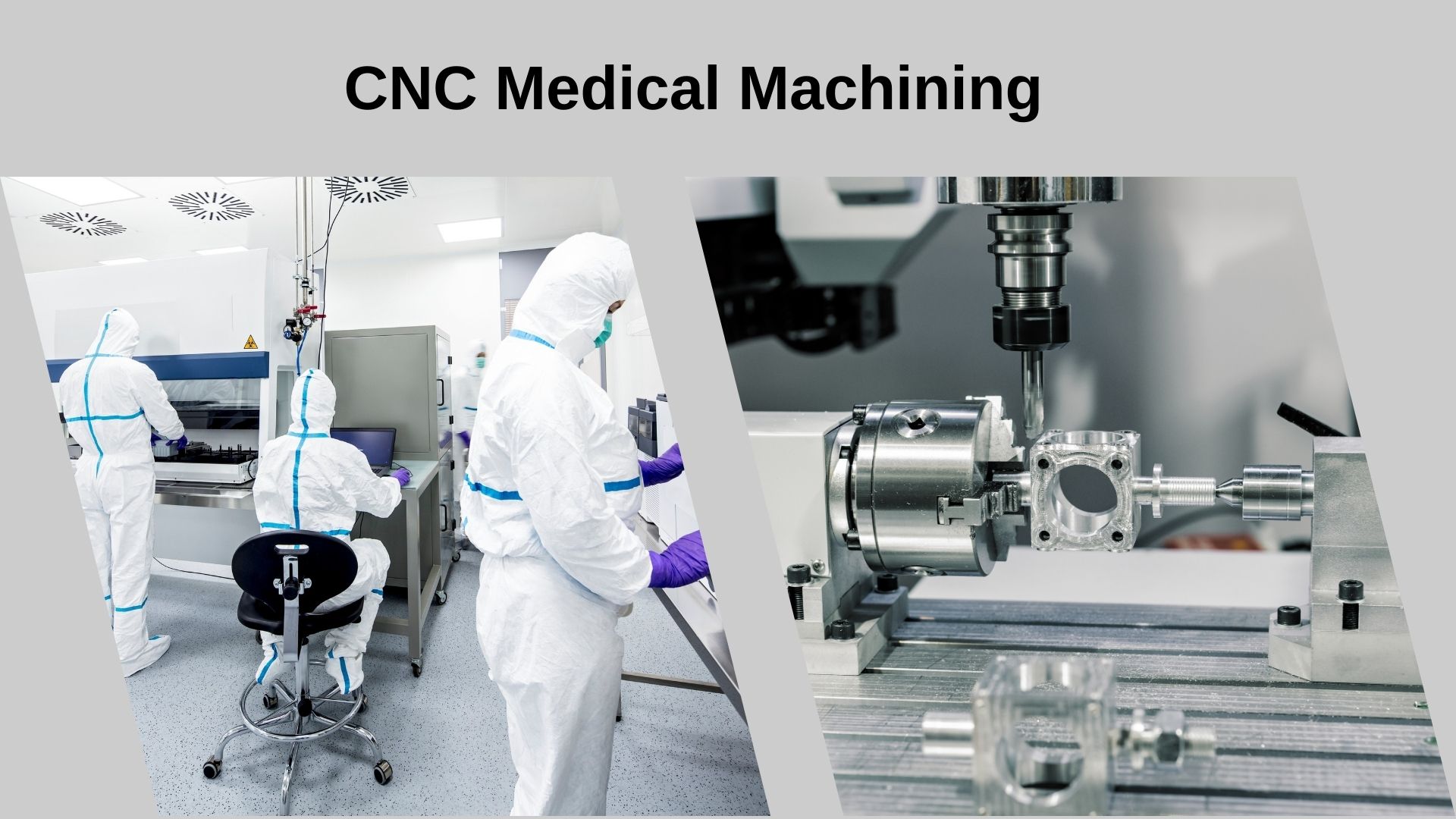
Honyo Prototype employs a rigorously controlled, ISO 13485-certified workflow for medical CNC machining projects, designed to ensure regulatory compliance, precision, and traceability from concept to delivery. Our process integrates advanced technology with domain-specific medical device expertise to mitigate risks inherent in healthcare applications.
CAD File Upload and Secure Processing
Clients initiate the process by uploading native or neutral CAD formats (STEP, IGES, Parasolid) via our encrypted portal. All medical files undergo immediate checksum validation and are stored in a segregated, HIPAA-compliant environment with audit trails. We verify geometric integrity and coordinate system alignment to prevent downstream errors, prioritizing data security per 21 CFR Part 11 requirements for electronic records.
AI-Powered Quoting with Medical Validation
Our AI quoting engine analyzes CAD geometry, material specifications, and tolerances against historical medical project data to generate an initial cost and timeline estimate. Crucially, this output is cross-validated by a senior medical manufacturing engineer who reviews regulatory implications (e.g., biocompatible material certifications, surface finish requirements for implantables). The final quote includes explicit compliance documentation pathways and risk assessments, avoiding generic pricing pitfalls common in non-medical CNC services.
Medical-Grade DFM Analysis
Design for Manufacturability (DFM) is conducted by engineers with specialized medical device experience. This phase focuses on critical healthcare-specific factors beyond standard machining:
| DFM Focus Area | Medical-Specific Checks |
|---|---|
| Material Validation | Confirmation of USP Class VI/ISO 10993 biocompatibility; traceability to mill certificates |
| Geometry Feasibility | Sharp edge elimination per ISO 13485; undercuts incompatible with cleanroom assembly |
| Regulatory Alignment | Feature adjustments to meet FDA QSR or MDR Annex I essential requirements |
| Sterilization Impact | Surface roughness validation for EtO/gamma sterilization compatibility |
The DFM report includes actionable recommendations with regulatory rationale, not merely manufacturability flags. Clients receive annotated 3D models highlighting modifications required for compliance and functional safety.
Precision Production in Controlled Environment
Approved designs move to production in ISO 13485-certified cleanrooms (Class 7/8) with environmental monitoring. Key controls include:
Machine calibration traceable to NIST standards with medical-specific run-off studies.
In-process inspections using coordinate measuring machines (CMM) programmed to ASME Y14.5 GD&T standards, with real-time SPC data logging.
Material lot traceability maintained from raw stock to finished part via serialized barcoding.
All operators certified in medical device aseptic handling protocols, with work instructions referencing applicable ISO 13485 clauses.
Regulatory-Ready Delivery
Final parts ship with comprehensive documentation packages tailored to medical device submissions:
Certificate of Conformance (CoC) with material traceability and process validation summaries
Dimensional inspection reports aligned to design history file (DHF) requirements
Sterilization compatibility data and cleanroom processing records
PPAP Level 3 documentation upon request for OEM supply chain integration
Shipments include tamper-evident packaging with environmental exposure logs, ensuring chain of custody for audit purposes.
This end-to-end process ensures medical CNC components meet the stringent safety, quality, and documentation demands of healthcare applications while accelerating time-to-market through integrated regulatory foresight. Each project is assigned a dedicated medical manufacturing engineer for single-point accountability from quotation through delivery.
Start Your Project
For precision medical CNC machining solutions, contact Susan Leo at [email protected].
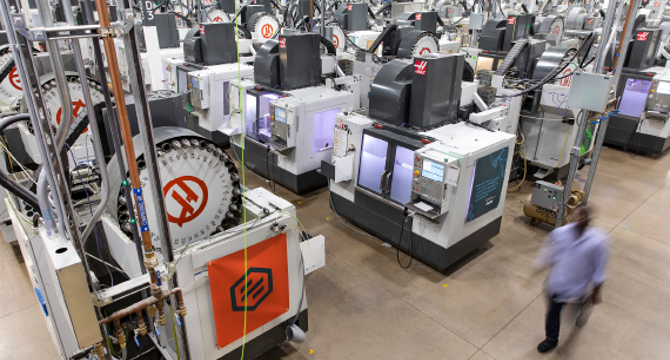
Honyo Prototype operates a state-of-the-art manufacturing facility in Shenzhen, specializing in high-accuracy components for the medical device industry.
From prototyping to full-scale production, our CNC capabilities meet strict regulatory and quality standards.
Reach out today to discuss your project requirements and learn how our Shenzhen-based team can support your medical device manufacturing needs.
🚀 Rapid Prototyping Estimator
Estimate rough cost index based on volume.