
Contents
Manufacturing Insight: Material 316 Stainless Steel
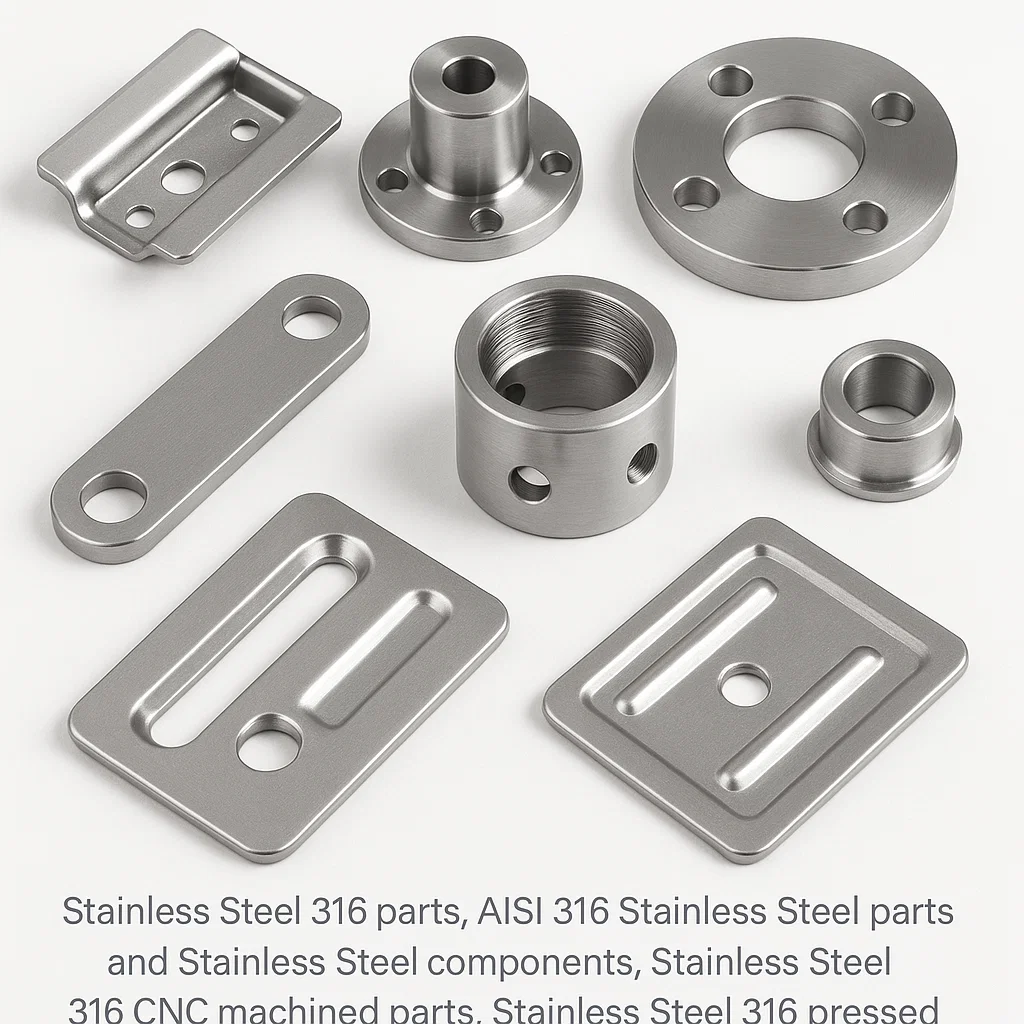
Material Spotlight: 316 Stainless Steel for Precision CNC Machined Components
316 stainless steel remains a cornerstone material in demanding industrial applications due to its superior corrosion resistance, particularly against chlorides and acidic environments, enabled by its molybdenum content. This austenitic alloy excels in marine, chemical processing, pharmaceutical, and medical device contexts where structural integrity under aggressive conditions is non-negotiable. Its combination of high tensile strength, excellent weldability, and resistance to pitting and crevice corrosion makes it indispensable for critical components, though its propensity for work hardening and galling during machining demands specialized expertise.
At Honyo Prototype, our CNC machining services are engineered to overcome the unique challenges of 316 stainless steel. Our advanced 3-, 4-, and 5-axis milling and turning centers, paired with optimized toolpath strategies and rigid coolant systems, ensure dimensional precision and superior surface finishes while mitigating heat buildup and tool wear. Our manufacturing engineers leverage material-specific parameters—including controlled feed rates, specialized carbide tooling, and high-pressure coolant delivery—to maintain tight tolerances (±0.0002″) and prevent microstructural compromise. This technical rigor guarantees that every machined part meets ASTM A276/A479 standards for performance-critical applications.
Accelerate your prototyping or low-volume production timeline with Honyo’s Online Instant Quote platform. Simply upload your 3D CAD file (STEP, IGES, or native formats) to receive a detailed manufacturability analysis and competitive pricing for 316 stainless steel components within hours—not days. Our system transparently factors in material grade, complexity, and finishing requirements, empowering engineering and procurement teams to make data-driven decisions without lengthy RFQ cycles. Trust Honyo Prototype to transform your 316 stainless steel designs into mission-ready hardware with speed, precision, and metallurgical integrity.
Technical Capabilities
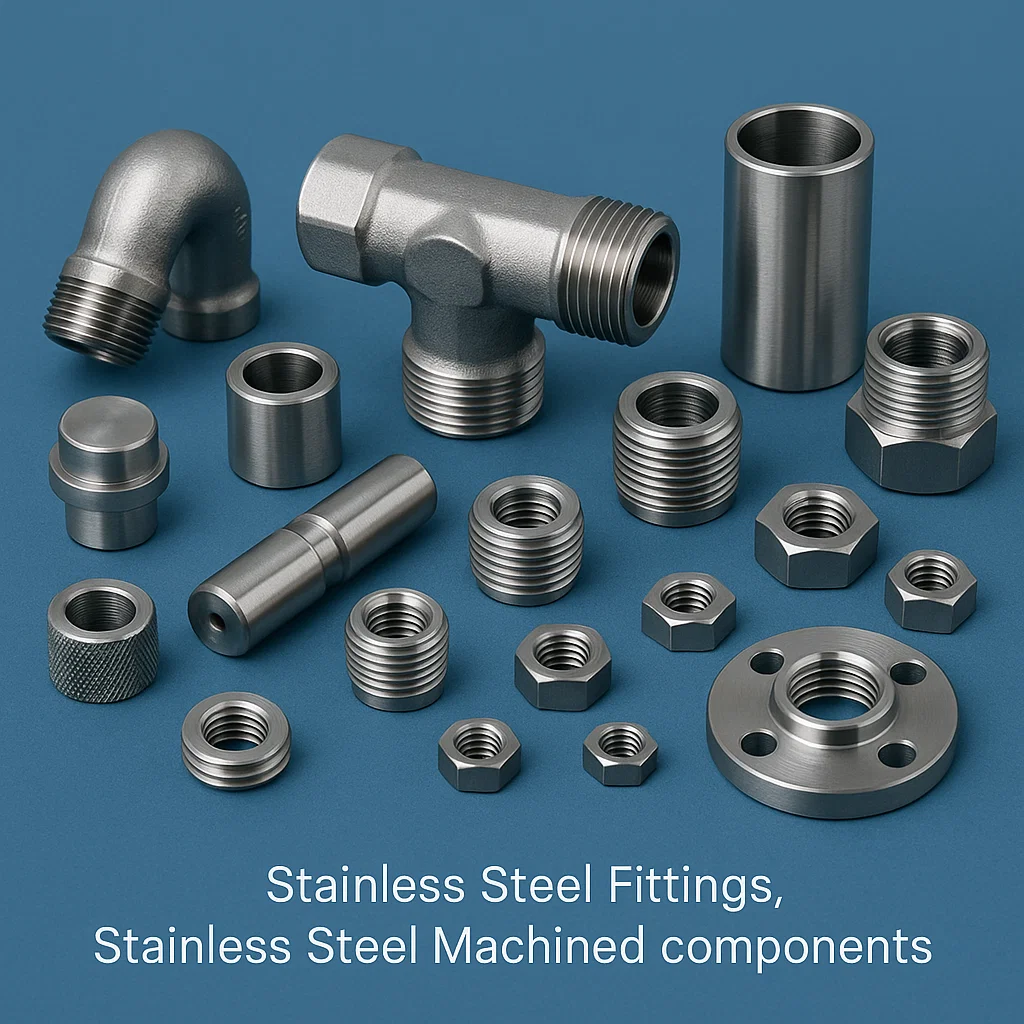
Technical Specifications for 316 Stainless Steel in Precision Machining Applications
316 stainless steel is a molybdenum-alloyed austenitic stainless steel known for excellent corrosion resistance, high strength at elevated temperatures, and good weldability. It is widely used in demanding environments such as marine, chemical processing, medical, and aerospace applications. When machining 316 stainless steel, particularly in 3/4/5-axis milling and turning operations requiring tight tolerances (±0.0005″ to ±0.005″), specific parameters must be optimized due to its high work-hardening rate, toughness, and low thermal conductivity.
Below is a comparative table highlighting key material properties and machinability characteristics relevant to precision CNC machining processes.
| Property / Material | 316 Stainless Steel | Aluminum (6061-T6) | Carbon Steel (1018) | ABS (Acrylonitrile Butadiene Styrene) | Nylon (PA6/PA66) |
|---|---|---|---|---|---|
| Density (g/cm³) | 8.00 | 2.70 | 7.87 | 1.04 | 1.13 |
| Tensile Strength (MPa) | 570 – 700 | 310 | 440 | 40 – 50 | 70 – 85 |
| Hardness (Brinell, HB) | 150 – 180 | 95 | 120 | 80 (Rockwell R) | 80 – 100 (Rockwell M) |
| Thermal Conductivity (W/m·K) | 16.2 | 167 | 51.9 | 0.19 | 0.25 |
| Machinability Rating (%) | 45 – 50 | 90 – 100 | 70 | 85 | 60 |
| Typical Cutting Speed (SFM) – Milling | 100 – 180 | 800 – 1500 | 250 – 400 | 500 – 800 | 300 – 500 |
| Typical Feed (in/tooth) | 0.002 – 0.006 | 0.004 – 0.010 | 0.003 – 0.008 | 0.005 – 0.012 | 0.004 – 0.008 |
| Tooling Recommendations | Carbide, PVD-coated, high positive rake, sharp edge | Carbide or HSS, polished flutes | Carbide, HSS, TiN-coated | Carbide, sharp cutting edges | Carbide, polished flutes |
| Coolant Requirement | Mandatory (flood coolant) | Recommended (air or flood) | Recommended (flood) | Air blast or minimal coolant | Air blast or minimal coolant |
| Work Hardening Tendency | High | Low | Moderate | None | Low |
| Common Applications | Marine fittings, valves, chemical equipment, surgical instruments | Enclosures, aerospace components, heat sinks | Shafts, fixtures, fasteners | Prototypes, enclosures, jigs | Gears, bushings, wear parts |
| Tight Tolerance Suitability | Excellent (with rigid setup and proper toolpath) | Excellent (low thermal expansion, easy to hold ±0.0005″) | Good (requires stress relief) | Fair (prone to warping) | Fair to Poor (hygroscopic, dimensional instability) |
Machining Notes for 316 Stainless Steel:
Tool Selection: Use fine-grain carbide end mills with PVD coatings (e.g., TiAlN) to resist built-up edge and thermal cracking.
Rigidity: Ensure machine, tooling, and workholding are maximally rigid to prevent chatter and maintain tight tolerances.
Toolpaths: In 3/4/5-axis milling, utilize trochoidal or adaptive toolpaths to manage heat and reduce cutting forces.
Turning: Use wiper inserts with appropriate nose radii; maintain consistent RPM and avoid dwelling to reduce work hardening.
Tolerance Control: Allow for thermal growth during extended operations; frequent in-process inspection with CMM or probe systems is recommended.
Post-Processing: Passivation or electropolishing may be required for corrosion resistance in critical applications.
Compared to aluminum, steel, ABS, and nylon, 316 stainless steel presents greater challenges in chip evacuation and heat dissipation but delivers superior mechanical and environmental performance in finished components.
From CAD to Part: The Process
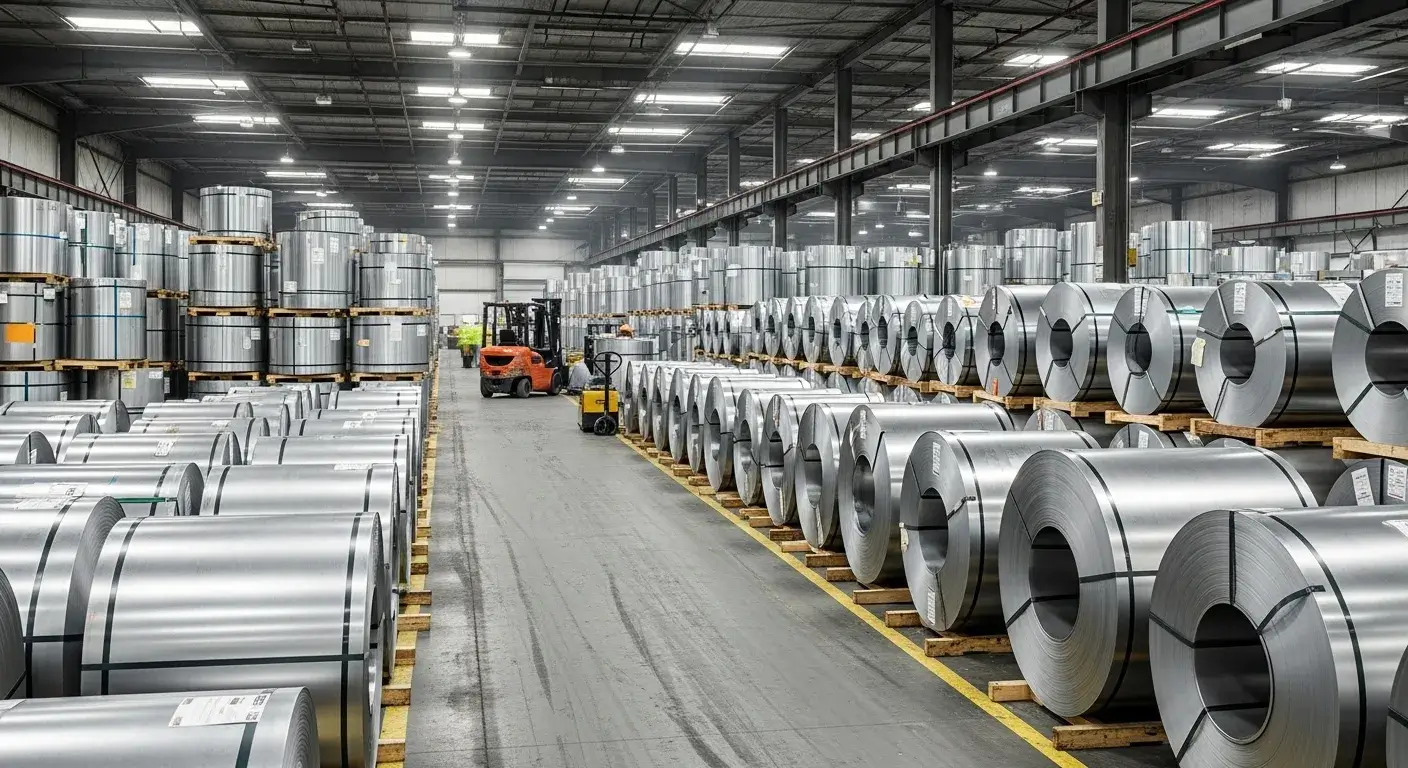
Honyo Prototype Process for 316 Stainless Steel Components
Upon receiving a CAD file designated for 316 stainless steel, Honyo initiates a rigorously defined workflow optimized for this material’s unique properties. The process begins with CAD Upload and Validation, where engineering teams verify file integrity, unit consistency, and geometric feasibility. Critical checks include confirming wall thicknesses above 0.5mm to prevent deformation during machining and identifying features prone to work-hardening—a known challenge with 316 SS due to its austenitic structure. Any ambiguities trigger immediate client consultation to avoid downstream rework.
The AI-Powered Quoting Phase follows, leveraging Honyo’s proprietary algorithm trained on historical 316 SS production data. This system dynamically factors in material-specific variables: current 316 SS billet pricing (subject to nickel/chromium market volatility), mandatory post-machining passivation requirements, and extended cycle times for deep cavity milling to mitigate heat buildup. Quotes explicitly detail surcharges for secondary operations like electropolishing or ASTM A262 intergranular corrosion testing if specified. Typical AI quote turnaround is 24–48 hours, excluding complex geometries requiring manual review.
Design for Manufacturability (DFM) Analysis is performed by senior metallurgical engineers specializing in stainless alloys. For 316 SS, this phase focuses on:
Eliminating sharp internal corners to reduce stress concentration risks during welding or forming
Recommending optimized toolpaths to minimize built-up edge formation during CNC milling
Verifying tolerance stack-ups against 316 SS’s thermal expansion coefficient (16.0 µm/m·°C)
Flagging designs requiring solution annealing to restore corrosion resistance after heavy machining
DFM reports include actionable alternatives, such as substituting non-critical features with cast blanks to reduce material waste. Client approval is mandatory before proceeding.
Production Execution adheres to Honyo’s AS9100-certified protocols for 316 SS:
Material sourcing exclusively from mills providing full MTRs (Mill Test Reports) with PMI (Positive Material Identification)
Machining using low-chloride coolants to prevent pitting corrosion, with tooling refreshed at 75% of standard wear limits
Mandatory in-process CMM inspections after stress-relief cycles to counteract distortion from residual stresses
Final passivation per ASTM A967 Method D to maximize chromium oxide layer formation
All 316 SS batches undergo batch-traceable documentation, including heat number tracking from raw material to finished part.
Quality Assurance and Delivery concludes the workflow. Dimensional reports reference ISO 2768-mK tolerances by default, with GD&T validation for critical features. For 316 SS, additional documentation includes:
Certified material test reports (C of C) with chemical composition
Passivation validation records (copper sulfate test results where applicable)
Surface roughness verification (Ra ≤ 1.6µm standard unless specified)
Parts ship in anti-tarnish VCI packaging with humidity indicators. Standard lead time is 10–15 business days post-DFM approval, extendable for NADCAP-accredited non-destructive testing per client requirements.
Material Compliance Documentation
| Document Type | Requirement for 316 SS | Delivery Format |
|————————|——————————|—————–|
| Mill Test Report (MTR) | ASTM A240/A480 compliance | PDF with batch # |
| Passivation Certificate| ASTM A967 Method D validation| Signed lab report|
| Dimensional Report | Per ASME Y14.5-2018 | PDF + XML |
| PMI Results | Handheld XRF verification | Embedded in C of C|
This end-to-end process ensures 316 stainless steel components meet stringent performance demands in marine, medical, and chemical processing applications while minimizing client risk through proactive material science integration.
Start Your Project
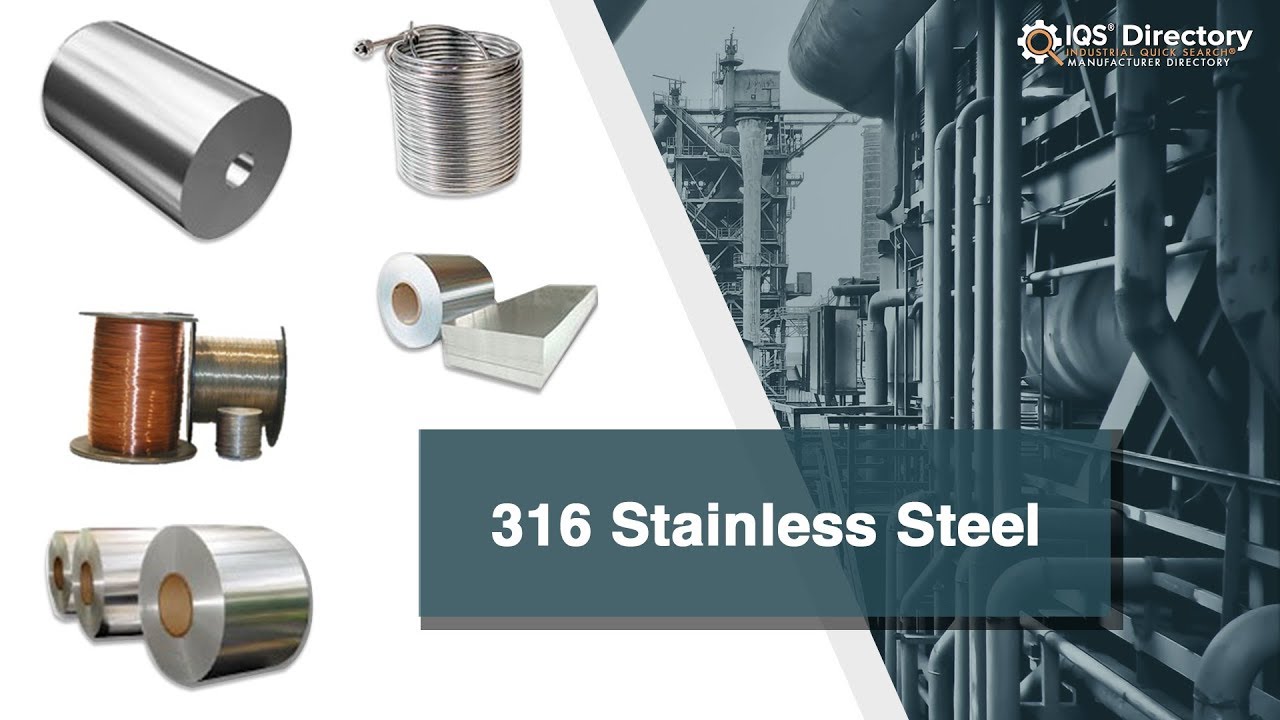
For high-quality prototypes and production parts in 316 stainless steel, trust Honyo Prototype’s precision manufacturing expertise. Our Shenzhen-based factory delivers excellent material consistency, corrosion resistance, and mechanical performance ideal for demanding industrial, medical, and marine applications.
Contact Susan Leo today to request a quote or technical consultation.
Email: [email protected]
Leverage our in-house capabilities and fast turnaround for your next project.
🚀 Rapid Prototyping Estimator
Estimate rough cost index based on volume.