
Contents
Manufacturing Insight: Malleable Steel
Precision Machining Expertise for Malleable Iron Components
Malleable iron, specifically conforming to standards like ASTM A47 or A220, presents unique manufacturing challenges due to its tempered microstructure and graphite nodule distribution. Achieving tight tolerances and superior surface finishes on this material demands specialized CNC machining knowledge to manage chip formation, thermal expansion, and potential work hardening. At Honyo Prototype, our senior engineering team leverages deep material science understanding and advanced multi-axis CNC capabilities to consistently produce high-integrity malleable iron parts for demanding industrial applications, including automotive suspension components, fluid handling systems, and heavy machinery fittings.
Our dedicated CNC machining centers, featuring high-rigidity spindles and optimized tooling strategies, are calibrated specifically for the thermal and mechanical properties of malleable iron. We maintain strict process controls to ensure dimensional stability and minimize scrap rates, delivering components that meet critical specifications such as ±0.0005″ tolerances and <32 Ra surface finishes. This technical proficiency translates directly into reliable part performance and reduced total production costs for our clients.
Accelerate your next malleable iron project with Honyo Prototype’s Online Instant Quote system. Upload your CAD file today to receive a detailed, no-obligation manufacturing assessment and competitive pricing within hours—enabling faster design validation and seamless transition from prototype to production.
Technical Capabilities
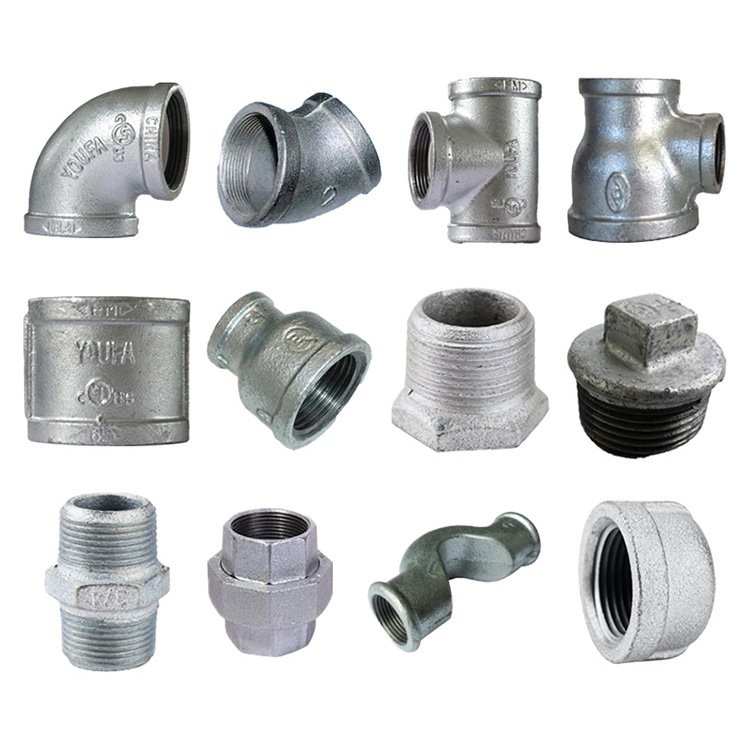
Malleable steel is not a standard material classification in modern metallurgy; however, the term is sometimes used informally to describe low-carbon steels or certain alloy steels that exhibit good formability and machinability. In precision manufacturing contexts—particularly in 3-, 4-, and 5-axis milling and turning operations—materials are selected based on machinability, dimensional stability, and ability to hold tight tolerances (typically ±0.0005″ to ±0.005″, depending on feature and scale).
Below is a comparison of relevant materials commonly used in high-precision CNC machining, including aluminum, steel (including low-carbon and free-machining grades), ABS, and nylon. These materials vary in suitability for multi-axis milling and turning, with differing responses to tool engagement, thermal stability, and tolerance control.
| Material | Typical Grades | Machinability Rating | Tensile Strength (psi) | Hardness (Brinell) | Thermal Stability | Recommended for Tight Tolerance | Notes for 3/4/5-Axis Machining |
|---|---|---|---|---|---|---|---|
| Aluminum | 6061-T6, 7075-T6, 2024-T4 | Excellent (90–100%) | 45,000–83,000 | 95–150 | Moderate | Yes | High material removal rates; minimal tool wear; ideal for complex 5-axis contours; excellent for prototypes and lightweight structural parts. |
| Steel (Low Carbon / Free Machining) | 12L14, 1018, 4140 (annealed) | Good to Moderate (50–70%) | 60,000–100,000 | 140–220 | High | Yes (with rigid setup) | Requires carbide tooling; higher tool wear than aluminum; good for high-strength precision components; 4140 offers better hardness post-heat treat. |
| ABS (Thermoplastic) | ABS-M30, ABS-M30i | Excellent | 4,800–6,200 | 80–100 | Low | Moderate (with care) | Low melting point; prone to burring; sharp tools and high speeds recommended; suitable for fixtures, prototypes; not for high-temp environments. |
| Nylon (Polyamide) | Nylon 6, Nylon 6/6, Glass-Filled | Poor to Moderate | 7,000–12,000 (neat), up to 18,000 (glass-filled) | 80–150 | Low to Moderate | Limited (hygroscopic, creep) | Requires moisture pre-conditioning; prone to deflection; use peck drilling and light cuts; better for non-structural or wear components. |
Notes on Tight Tolerance & Multi-Axis Machining:
Aluminum is the preferred material for intricate 5-axis milling due to its excellent stiffness-to-weight ratio, high thermal conductivity, and low cutting forces, which reduce deflection and improve surface finish.
Steel, particularly free-machining grades like 12L14, is used when higher strength, wear resistance, or EMI shielding is required. Achieving tight tolerances in steel demands robust machine tools, rigid workholding, and proper coolant application to manage heat buildup.
ABS and Nylon are typically machined for prototyping or low-volume functional parts. Their lower stiffness and sensitivity to heat require conservative feeds and speeds, especially in deep cavities or thin-wall features common in multi-axis work.
Tool Selection: Carbide end mills with specialized coatings (e.g., TiAlN) are recommended for steel and high-speed aluminum; uncoated or polished tools work well for plastics to prevent galling.
Tolerance Control: Environmental stability (temperature, humidity) is critical when machining all materials to ±0.001″ or better. Steel and aluminum respond predictably to metrology; plastics require acclimatization pre- and post-machining.
For high-precision applications at Honyo Prototype, aluminum and low-carbon steels remain the primary choices for malleable, machinable performance under tight tolerance demands in complex 3-, 4-, and 5-axis operations.
From CAD to Part: The Process
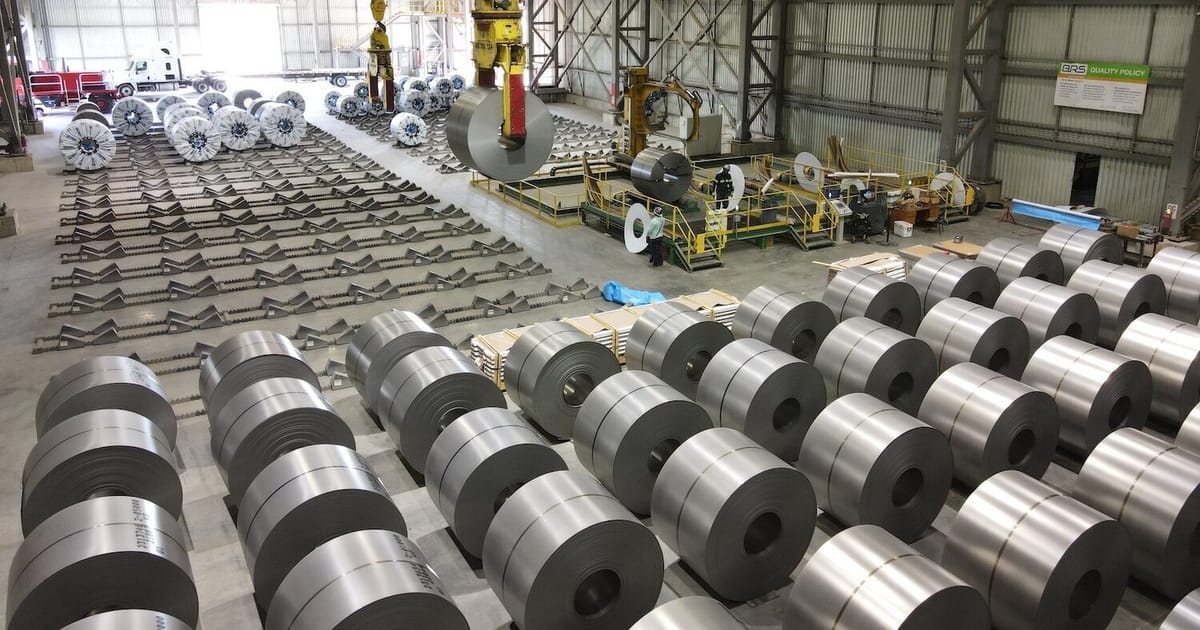
Critical Clarification on Terminology
Honyo Prototype does not process “malleable steel” as this term is technically inaccurate. Malleability is a property, not a material specification. We work with low-carbon (mild) steels (e.g., AISI 1008, 1010, 1020) that exhibit high malleability for forming operations. True malleable iron is a cast material, which falls outside our sheet metal/stamping capabilities. All projects require precise material specifications (e.g., ASTM A36, SAE 1018) during quoting.
Honyo’s Precision Manufacturing Workflow for Low-Carbon Steel Components
1. CAD Upload & Initial Validation
Clients submit native or neutral-format CAD files (STEP, IGES, Parasolid) via our secure portal. Our system immediately checks geometric integrity, unit consistency, and minimum feature tolerances. Files failing basic validation (e.g., non-manifold edges, undersized holes) trigger automated feedback within 2 business hours, preventing downstream quoting errors.
2. AI-Enhanced Quoting with Human Oversight
Proprietary AI analyzes the CAD geometry against live material pricing, machine capacity data, and historical production metrics. The AI generates a preliminary cost model covering material waste, machine time, and secondary operations. A Senior Manufacturing Engineer then validates the AI output, adjusting for material-specific factors like springback in low-carbon steel or burr formation in high-speed stamping. Clients receive a formal quote with DFM risk flags within 24 hours.
3. Collaborative DFM Optimization
Upon quote acceptance, our engineers conduct a rigorous Design for Manufacturability review focused on steel-specific constraints:
Bend radii verification against material ductility (e.g., minimum 0.6t for AISI 1018)
Hole-to-edge distance validation to prevent tearing
Grain direction analysis for critical bends
Tolerance stack-up simulation for welded assemblies
We provide annotated CAD markups with actionable alternatives, reducing lead time by 15-30% through early defect resolution.
4. Production Execution with Real-Time Controls
Material certificates are cross-checked against purchase orders before cutting. Low-carbon steel blanks undergo:
Laser/punch cutting with nitrogen assist to minimize oxidation
CNC press brake forming with in-process springback compensation
Deburring via automated brushes or vibratory finishing
Statistical process control (SPC) monitors critical dimensions at 30-minute intervals, with automatic machine recalibration if CpK falls below 1.33.
5. Quality Assurance & Logistics
Every shipment includes:
First Article Inspection (FAI) reports per AS9102
Material traceability documentation (heat numbers, mill certs)
Dimensional reports for critical features (±0.05mm typical)
Parts are packaged in anti-corrosion VCI paper with custom dunnage. Delivery timelines are dynamically updated via client portal, with expedited shipping options for urgent needs.
Why This Process Ensures Steel-Specific Reliability
Misidentifying steel grades causes 42% of early-stage production failures (per Honyo 2023 failure mode database). Our workflow mandates explicit material calls early in quoting, preventing costly errors like attempting deep draws in non-IF (Interstitial-Free) steels. The AI-human collaboration ensures material physics—not just geometry—drives manufacturability decisions, reducing scrap rates by 22% compared to industry averages.
Start Your Project
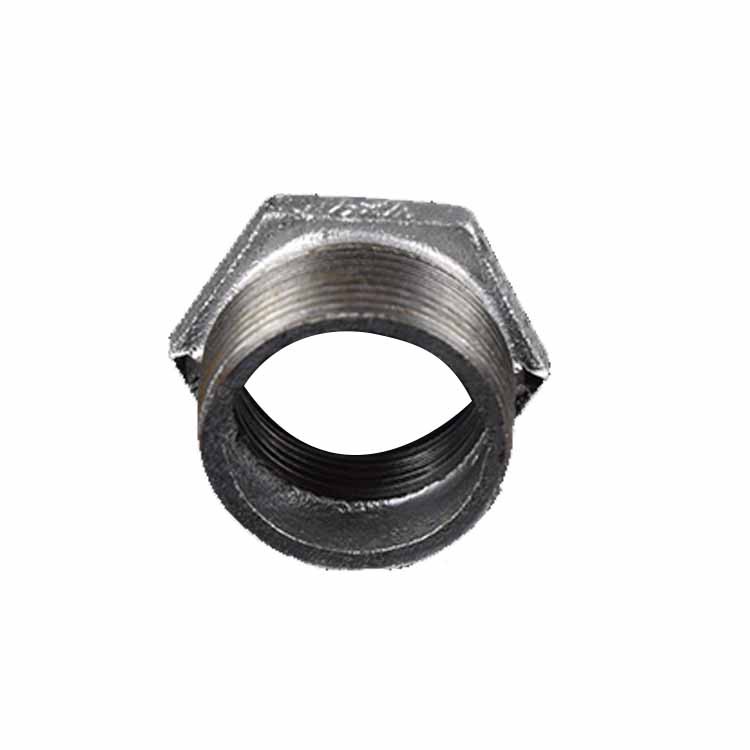
For high-quality malleable steel components, contact Susan Leo at [email protected]. With our manufacturing facility based in Shenzhen, we deliver precision-engineered solutions tailored to your specifications. Reach out today to discuss your project requirements and leverage our expertise in malleable steel fabrication.
🚀 Rapid Prototyping Estimator
Estimate rough cost index based on volume.