
Contents
Manufacturing Insight: Machining Phenolic
Precision Machining for Demanding Phenolic Applications
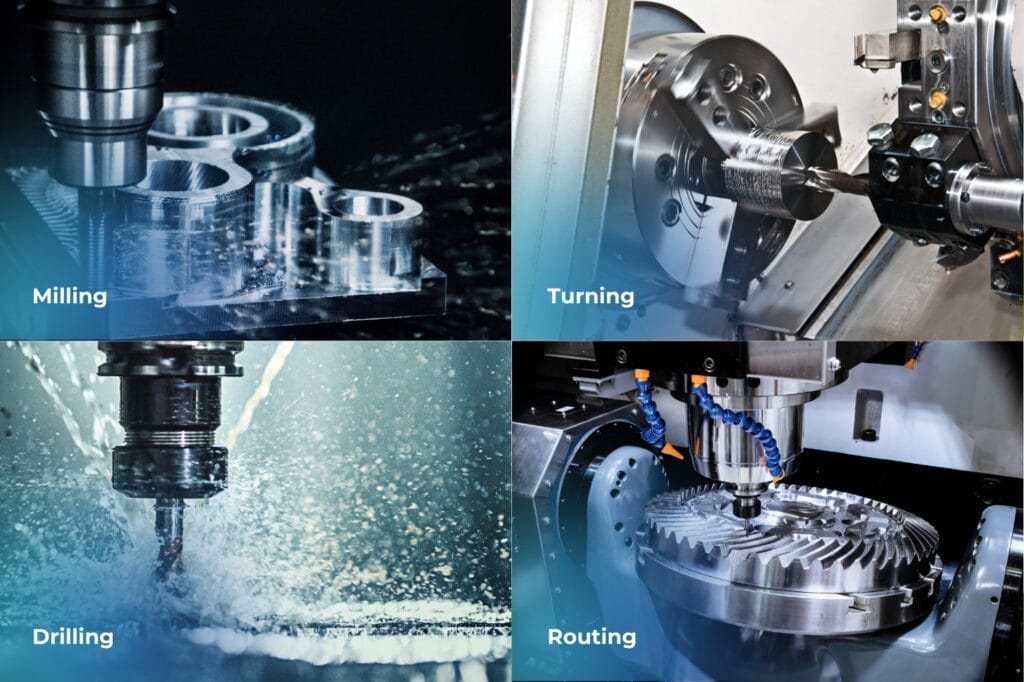
Phenolic composites present unique challenges in CNC machining due to their abrasive nature, thermal sensitivity, and tendency toward chipping or delamination under improper tooling parameters. Achieving tight tolerances and superior surface integrity requires specialized expertise in material behavior, tool selection, and process optimization. At Honyo Prototype, our engineered approach to phenolic machining leverages proprietary toolpath strategies, rigorously validated cutting parameters, and real-time process monitoring to consistently deliver dimensionally stable components that meet aerospace, electrical, and industrial performance standards.
Our CNC machining services integrate multi-axis capabilities with material-specific protocols, including optimized spindle speeds, dedicated chip evacuation systems, and controlled coolant application to mitigate heat buildup and preserve phenolic’s structural properties. Every job undergoes rigorous first-article inspection against AS9102 or customer-specified criteria, ensuring compliance with critical functional requirements. For rapid project initiation, Honyo’s Online Instant Quote system provides validated manufacturing feedback and lead times within minutes—accelerating prototyping and low-volume production cycles without compromising technical rigor.
Partner with Honyo Prototype to transform complex phenolic designs into high-integrity components, backed by engineering-driven processes and seamless digital workflow integration.
Technical Capabilities
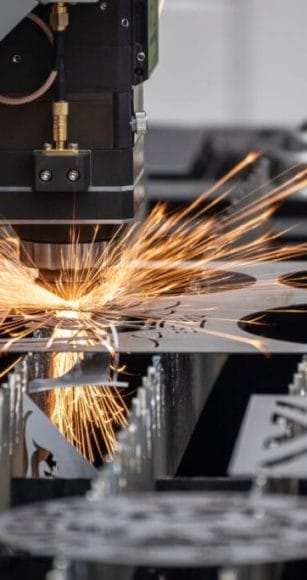
Machining phenolic materials requires specific considerations due to their unique thermal and mechanical properties. Phenolics are thermoset composites typically reinforced with paper or cotton, known for high strength-to-weight ratios, excellent electrical insulation, and good wear resistance. However, they are abrasive, generate fine dust, and are sensitive to excessive heat, requiring optimized toolpaths, tooling, and fixturing—especially in high-precision 3/4/5-axis milling and turning operations.
When machining phenolic to tight tolerances (±0.0005″ or better), it is critical to maintain stable workholding, use sharp carbide or polycrystalline diamond (PCD) tooling, and apply appropriate feeds and speeds to minimize fraying or delamination. Coolant is generally avoided, as phenolics are moisture-sensitive; instead, air blast is used for chip removal and cooling.
Below is a comparative technical specification table highlighting key machining parameters and considerations for phenolic alongside common comparison materials such as aluminum, steel, ABS, and nylon.
| Parameter | Phenolic (Grade XX, XX-10) | Aluminum (6061-T6) | Steel (1018) | ABS (Acrylonitrile Butadiene Styrene) | Nylon (PA6/PA66) |
|---|---|---|---|---|---|
| Typical Machining Process | 3/4/5-axis milling, Turning | 3/4/5-axis milling, Turning | 3/4/5-axis milling, Turning | 3/4/5-axis milling | 3/4/5-axis milling, Turning |
| Tool Material | Carbide, PCD (for long runs) | Carbide, HSS | Carbide, HSS | Carbide | Carbide |
| Spindle Speed (SFM) | 400–800 | 500–1000 | 100–300 | 600–1000 | 500–800 |
| Feed Rate (IPM) | 100–250 | 150–500 | 50–150 | 200–400 | 150–300 |
| Depth of Cut (Max) | 0.060″ (finishing: 0.005–0.010″) | 0.125″ | 0.100″ | 0.080″ | 0.060″ |
| Coolant Use | Not recommended (use air blast) | Flood or mist | Flood | Not required (air preferred) | Not required (air preferred) |
| Fixturing Requirements | Rigid, low vibration | Moderate to high rigidity | High rigidity | Moderate (avoid over-clamping) | Moderate (watch for creep) |
| Dust Management | Required (HEPA filtration) | Chip evacuation | Chip evacuation | Dust extraction | Dust extraction |
| Typical Tolerance Capability | ±0.0005″ to ±0.001″ | ±0.0002″ to ±0.0005″ | ±0.0005″ to ±0.001″ | ±0.002″ (dimensionally unstable) | ±0.002″ (hygroscopic) |
| Surface Finish (Ra, µin) | 32–64 (can achieve 16 with polish) | 16–32 | 16–63 | 64–125 | 32–64 |
| Key Challenges | Dust generation, tool wear, chipping | Chatter, burring | Heat buildup, tool wear | Melting, poor surface finish | Moisture absorption, galling |
| Post-Processing Needs | Deburring, cleaning (no solvents) | Deburring, anodizing | Deburring, plating | Sanding, painting | Machining stress relief |
Notes on Tight Tolerance Machining:
Phenolic materials can achieve tight tolerances comparable to steel when machined under stable conditions. However, due to lower thermal conductivity and higher abrasiveness, tool wear must be closely monitored during extended 5-axis operations. Multi-flute, high-helix end mills with polished flutes are recommended for fine finishes. In 5-axis setups, minimizing tool overhang and using rigid kinematics help maintain precision.
Compared to metals like aluminum and steel, phenolic does not require high cutting forces, but dimensional stability over time is less predictable than metals and more favorable than hygroscopic plastics like nylon or thermoplastics like ABS. For precision components, post-cure stabilization and stress-relief cycles are often applied before final machining.
At Honyo Prototype, we apply these technical parameters in controlled environments to ensure consistent quality in complex phenolic parts used in electrical, aerospace, and industrial applications.
From CAD to Part: The Process
Honyo Prototype Phenolic Machining Process Overview
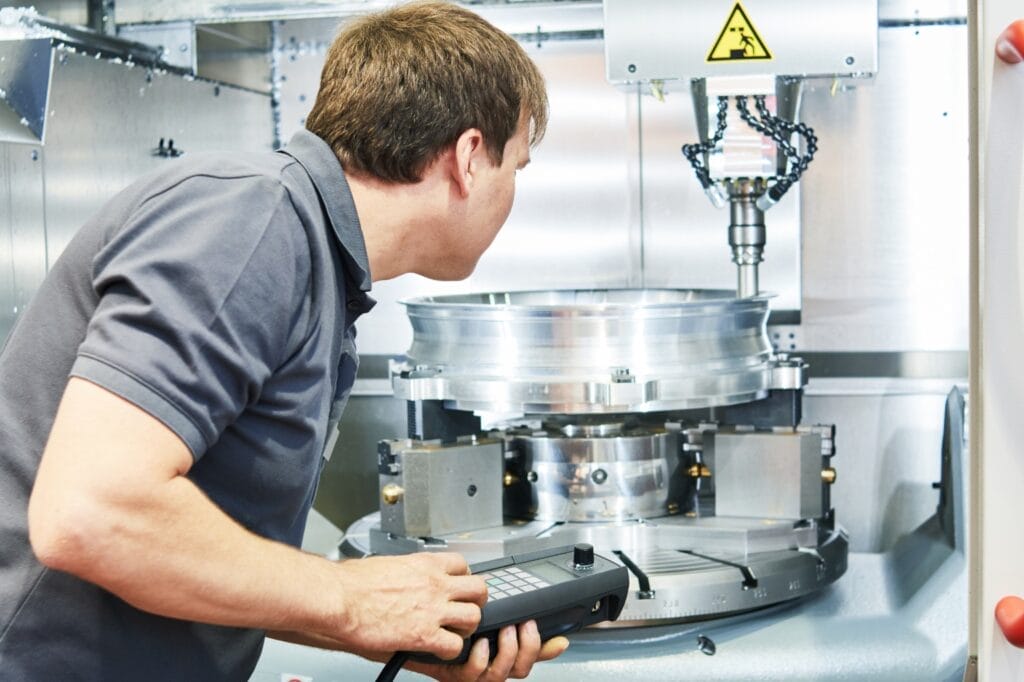
Honyo Prototype executes precision phenolic machining through a rigorously controlled workflow designed to address the material’s unique challenges, including abrasive wear, thermal sensitivity, and dust management. The process ensures dimensional accuracy, surface integrity, and compliance with industry standards for applications in aerospace, electrical, and industrial tooling sectors.
Upload CAD
Clients initiate the process by uploading detailed CAD files via Honyo’s secure portal. For phenolic components, we require explicit material grade specifications (e.g., Garolite G-10/FR4, Norplex NP335) and critical tolerance zones. Our system validates file formats (STEP, IGES, native SOLIDWORKS) and performs an initial geometry scan to flag potential manufacturability risks, such as thin walls prone to chatter or features requiring specialized tooling for phenolic’s low thermal conductivity.
AI Quote Generation
Honyo’s proprietary AI engine analyzes the CAD geometry, material properties, and client-supplied requirements to generate an instant quote. For phenolic, the algorithm factors in:
Material waste rates due to phenolic’s brittleness during roughing
Tool wear compensation (phenolic accelerates carbide tool degradation by 30–40% vs. aluminum)
Mandatory dust extraction protocols required for OSHA-compliant machining
The quote includes lead time estimates, material sourcing options (certified aerospace-grade stock), and a preliminary cost breakdown reflecting phenolic-specific machining parameters.
DFM Analysis
A senior manufacturing engineer conducts a formal Design for Manufacturability review within 24 hours of quote acceptance. This phase is critical for phenolic due to its susceptibility to chipping and delamination. Key checks include:
| DFM Focus Area | Phenolic-Specific Criteria | Honyo Mitigation Strategy |
|---|---|---|
| Wall Thickness | Minimum 1.5mm to prevent fracture under clamping forces | Recommends ribbing or alternative fixturing |
| Hole Aspect Ratio | Max 6:1 depth-to-diameter; deeper holes require peck drilling with coolant mist | Proposes stepped drilling sequences |
| Surface Finish | Ra 1.6µm achievable; avoids fine finishes that expose fiber pull-out | Specifies optimized feed rates (0.05–0.1 mm/rev) |
| Thermal Management | Confirms no high-speed machining zones risking localized overheating (>120°C) | Mandates reduced spindle speeds (8,000–12,000 RPM max) |
Client approval of DFM recommendations is required before proceeding, ensuring alignment on phenolic’s inherent limitations.
Production
Machining occurs in Honyo’s dedicated non-ferrous cell with ISO Class 8 environmental controls. Phenolic-specific protocols include:
Tooling: Fresh CVD-coated carbide end mills with 45° helix angles to minimize fraying; tool life monitored via IoT sensors
Fixturing: Vacuum tables or low-pressure mechanical clamps to prevent stress-induced cracking
Parameters: Coolant-free dry machining with integrated dust collection (99.9% HEPA filtration) to avoid resin re-deposition
In-process inspection: CMM checks at roughing/semi-finishing stages for warpage detection, leveraging phenolic’s low thermal expansion coefficient (12–18 µm/m·°C) as a stability benchmark
All operations adhere to AS9100 Rev D standards, with real-time SPC tracking of critical dimensions.
Delivery
Final components undergo:
Full FAI per AS9102 format, including material traceability (mill certs for phenolic laminate)
Non-destructive testing for internal voids via ultrasonic scanning (standard for electrical-grade phenolics)
Anti-static packaging with humidity control to prevent moisture absorption (phenolic’s max 0.5% water absorption per ASTM D570)
Documentation includes first-article reports, conformance certificates, and a machining summary detailing toolpath strategies used to mitigate phenolic-specific defects. Typical lead time from CAD upload to delivery is 7–12 business days, with expedited options for qualified projects.
This end-to-end process ensures phenolic components meet stringent functional requirements while minimizing scrap rates through material-aware engineering controls. Honyo’s expertise in thermoset composites reduces client risk in high-reliability applications.
Start Your Project
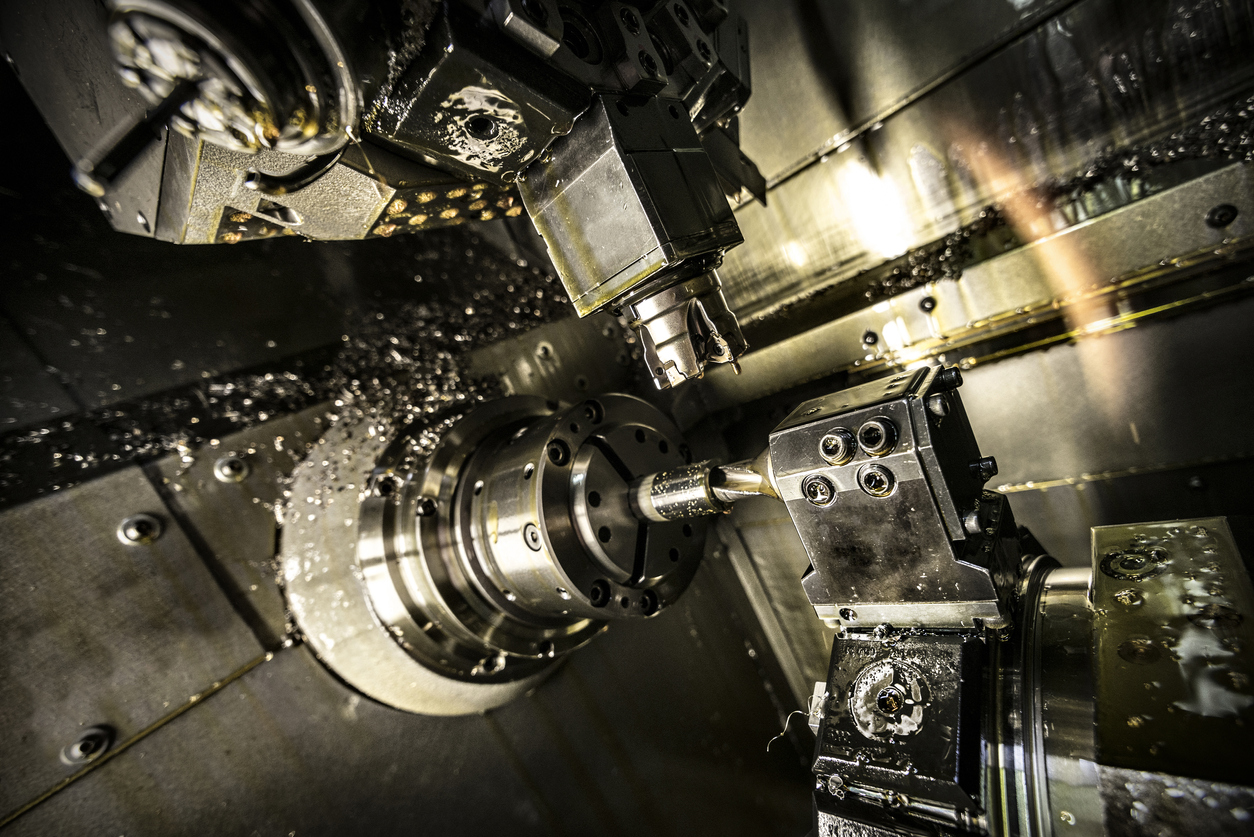
For precision machining of phenolic materials, contact Susan Leo at [email protected]. Honyo Prototype specializes in high-accuracy CNC machining and fabrication of phenolic components, leveraging advanced manufacturing capabilities at our Shenzhen-based factory. As a trusted partner in rapid prototyping and low-volume production, we deliver consistent quality and fast turnaround for demanding industrial applications.
Our facility in Shenzhen is equipped with state-of-the-art machinery and quality control systems, ensuring tight tolerances and superior surface finishes on machined phenolic parts. Whether you require custom insulators, jigs, fixtures, or high-temperature resistant components, our engineering team supports you from design review to final delivery.
Reach out today to discuss your machining requirements and leverage our expertise in engineered plastics and composite materials.
🚀 Rapid Prototyping Estimator
Estimate rough cost index based on volume.