
Contents
Manufacturing Insight: Machining Nitronic 60
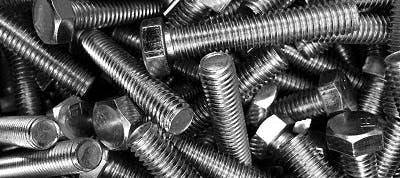
Precision Machining Expertise for Demanding Nitronic 60 Applications
Nitronic 60 presents significant challenges for CNC machining due to its high work-hardening rate, low thermal conductivity, and tendency for galling. This austenitic stainless steel alloy, renowned for exceptional wear resistance, galling resistance, and corrosion performance in harsh environments, requires specialized process knowledge to achieve tight tolerances and superior surface finishes without inducing residual stresses or premature tool failure. At Honyo Prototype, our senior engineering team leverages deep material science expertise and proprietary machining protocols specifically developed for Nitronic 60. We optimize cutting parameters, tool geometries, coolant strategies, and fixturing to overcome its unique characteristics, ensuring dimensional accuracy and part integrity for critical aerospace, marine, and industrial components.
Our integrated digital workflow begins with the Honyo Online Instant Quote platform, providing rapid, transparent pricing for Nitronic 60 machining projects. Simply upload your STEP or IGES file to receive an immediate technical and commercial assessment, reflecting our capability to handle complex geometries and stringent material requirements. This efficiency eliminates traditional quoting delays while guaranteeing that your project is evaluated by engineers with proven experience in difficult-to-machine alloys.
Key Nitronic 60 Machining Considerations Addressed by Honyo:
| Parameter | Challenge | Honyo’s Approach |
|---|---|---|
| Work Hardening | Rapid surface hardening during cut | Optimized feed rates, positive rake tools, reduced depth of cut |
| Thermal Conductivity | Heat concentration at tool edge | High-pressure coolant delivery, specialized carbide grades |
| Galling Tendency | Adhesion to cutting tools | Anti-galling coatings, controlled surface speeds, precise chip control |
| Residual Stress | Distortion risk post-machining | Strategic stress-relief sequencing, in-process metrology |
We combine advanced multi-axis CNC technology with material-specific process validation to deliver Nitronic 60 components that meet exacting performance specifications. Partner with Honyo Prototype for technically rigorous machining solutions where material behavior and precision are non-negotiable. Initiate your project with confidence using our Online Instant Quote system.
Technical Capabilities
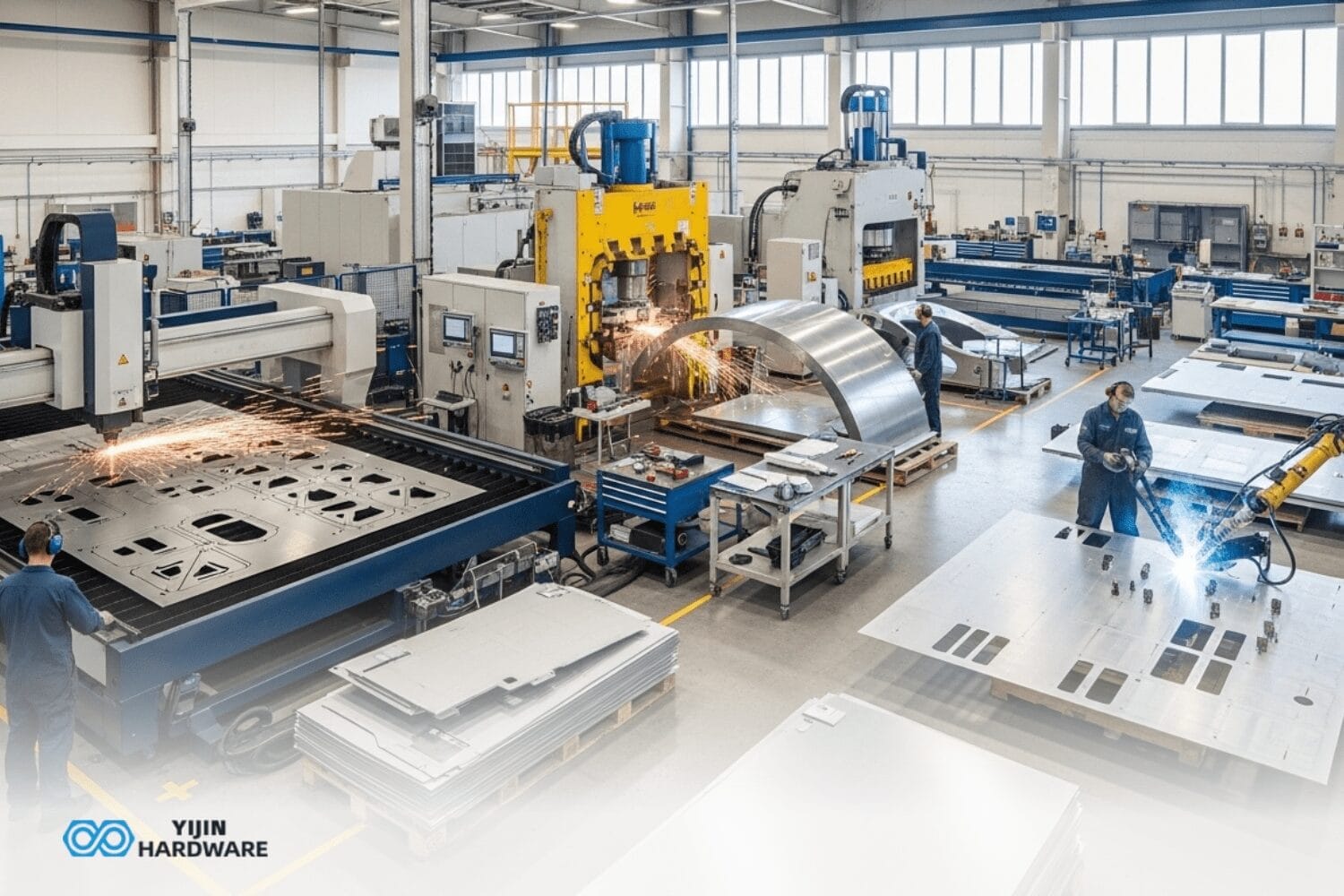
Machining Nitronic 60 presents unique challenges due to its high work-hardening rate, excellent corrosion resistance, and high-temperature strength. This austenitic stainless steel alloy contains manganese and silicon to enhance galling resistance, making it suitable for demanding applications in marine, aerospace, and high-wear environments. Precision machining of Nitronic 60—particularly using 3-, 4-, and 5-axis milling and turning processes—requires optimized parameters to maintain tight tolerances (typically ±0.0005″ to ±0.001″) and avoid surface integrity issues.
Below is a comparative technical specification table highlighting key machining parameters for Nitronic 60, with reference to other common materials (Aluminum, Steel, ABS, Nylon) in multi-axis CNC operations.
| Material | Typical Cutting Speed (SFM) | Feed Rate (IPR / IPT) | Tooling Recommendation | Coolant Requirement | Max Tolerance Capability (±) | Notes on Machining Nitronic 60 vs. Other Materials |
|---|---|---|---|---|---|---|
| Nitronic 60 | 80–120 SFM | 0.003–0.008 IPR (turning), 0.001–0.003 IPT (milling) | Carbide (TiAlN or AlCrN coating), sharp positive rake | High-pressure through-tool coolant required | 0.0005″ | High work hardening requires rigid setup, minimized dwell, and continuous cuts. Pecking strategies help manage chip control. |
| 4140 Steel | 200–300 SFM | 0.005–0.010 IPR | Carbide or CBN inserts | Yes (flood) | 0.0005″ | Easier to machine than Nitronic 60; less prone to work hardening but requires proper heat management. |
| Aluminum 6061 | 500–1000 SFM | 0.008–0.015 IPR | Carbide with polished flute, ZrN coating | Yes (mist or flood) | 0.0002″ | Much freer cutting; higher speeds/feeds possible. Lower rigidity needed. Nitronic 60 demands more robust fixturing. |
| ABS Plastic | 300–600 SFM | 0.003–0.006 IPT | Sharp HSS or carbide, large rake angles | Air or minimal mist | 0.001″ | Low melting point; Nitronic 60 requires opposite strategy—high heat resistance but sensitive to localized heat buildup. |
| Nylon (PA6) | 200–400 SFM | 0.002–0.005 IPT | High-rake carbide, polished cutting edges | Air blow recommended | 0.001″ | Gummy material; requires different tool geometry. Nitronic 60 is harder and abrasive, leading to faster tool wear. |
Critical Considerations for Nitronic 60 in High-Precision Machining:
Work Hardening: Interrupted cuts or multiple light passes can induce surface hardening. A single, aggressive cut is often preferred over multiple finishing passes.
Tool Life Management: Due to abrasiveness and toughness, frequent tool inspection and predictive tool replacement are essential in tight-tolerance work.
Fixturing and Rigidity: High rigidity in 5-axis setups is mandatory to prevent vibration and maintain tolerances. Use of hydraulic or shrink-fit tool holders is recommended.
Thermal Management: Nitronic 60 retains heat in the cutting zone, increasing tool wear. High-pressure coolant improves tool life and surface finish.
Surface Integrity: Achieving fine surface finishes (Ra < 16 μin) requires sharp tools, optimized stepovers, and controlled spindle speeds.
At Honyo Prototype, our 5-axis milling and turning centers are calibrated for exotic alloys like Nitronic 60, enabling tight-tolerance production with full traceability and first-article inspection (FAI) per AS9102 standards.
From CAD to Part: The Process
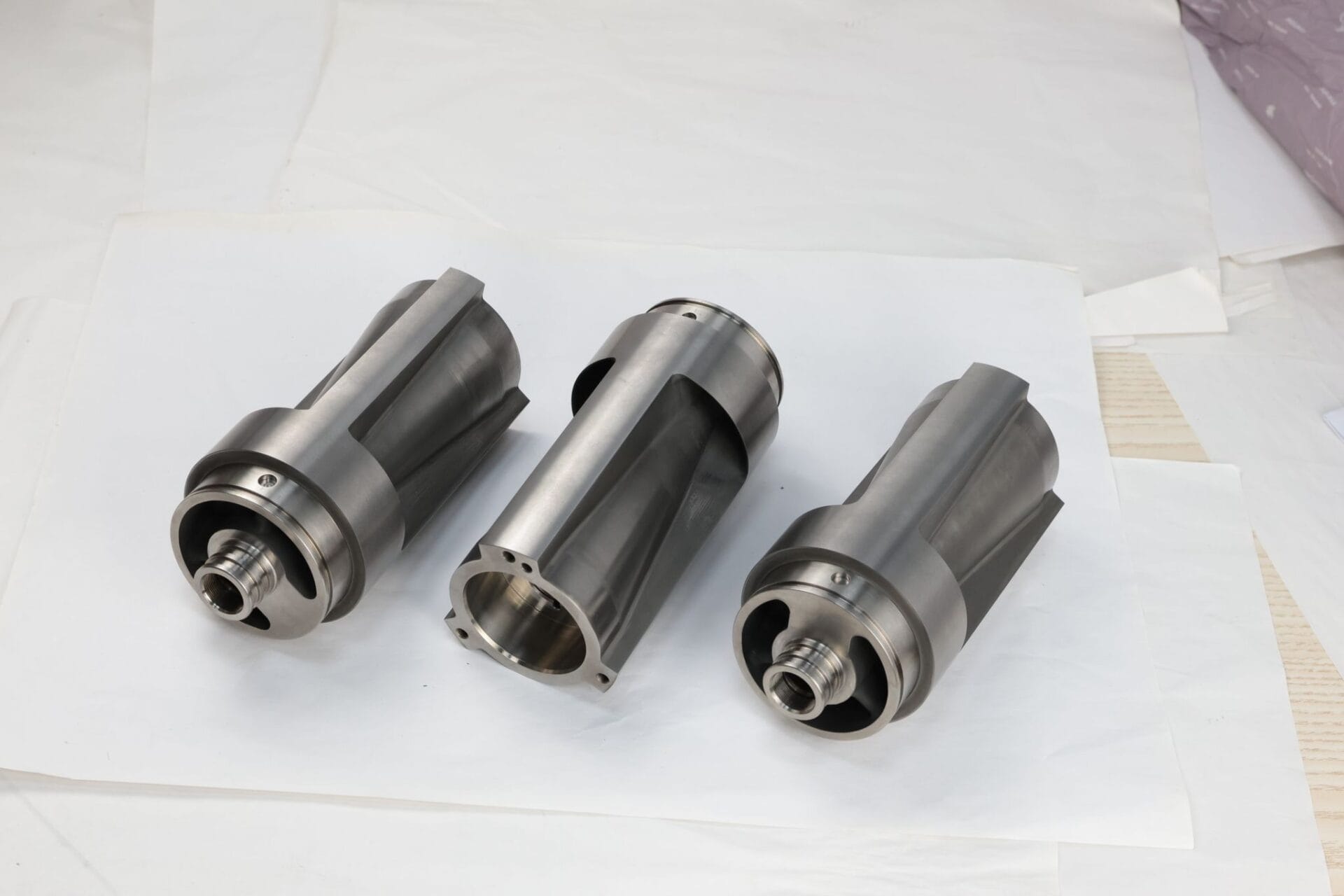
Honyo Prototype’s Specialized Process for Machining Nitronic 60
Honyo Prototype employs a rigorously defined workflow for machining Nitronic 60, a highly alloyed austenitic stainless steel renowned for exceptional wear, galling, and corrosion resistance but challenging due to its rapid work hardening, low thermal conductivity, and high ductility. Our process ensures precision, material integrity, and on-time delivery while mitigating inherent machining risks.
Upload CAD
Clients initiate the process by uploading detailed 3D CAD models via our secure customer portal. For Nitronic 60, we require explicit material specification (e.g., ASTM A276/A479) and critical feature annotations, such as tolerances, surface finishes, and areas prone to distortion. Our system automatically validates file formats (STEP, IGES, Parasolid) and checks for manufacturability flags, including undercuts or thin walls susceptible to vibration during Nitronic 60 machining. This step establishes the technical foundation for subsequent phases.
AI-Powered Quoting
Our proprietary AI quoting engine analyzes the CAD geometry, material properties, and client specifications to generate an instant, data-driven cost and timeline estimate. For Nitronic 60, the AI incorporates material-specific parameters: elevated tool wear rates, mandatory low cutting speeds, specialized toolpath strategies to minimize heat buildup, and extended cycle times due to reduced material removal rates. The quote explicitly details allowances for stress-relief annealing if required by geometry, coolant system specifications (high-pressure through-spindle coolant ≥1,000 psi), and certified material traceability costs. Clients receive a transparent breakdown within 2 hours, including lead time projections based on current machine capacity for hardened alloys.
DFM Analysis and Engineering Collaboration
All Nitronic 60 projects undergo mandatory Design for Manufacturability (DFM) review by our senior metallurgical and CNC engineering team. We focus on mitigating Nitronic 60’s unique challenges:
Recommending optimized wall thicknesses (>3mm) to prevent chatter-induced work hardening.
Suggesting gradual radii instead of sharp corners to reduce stress concentration and tool deflection.
Proposing strategic stock allowances for post-machining stress relief if final tolerances are ≤±0.025mm.
Validating surface finish requirements against achievable Ra values (typically 0.8–1.6 µm for Nitronic 60 without grinding).
Clients receive a formal DFM report with actionable feedback within 24 hours. Approval requires sign-off on critical parameters to ensure success in production.
Specialized Production Execution
Nitronic 60 machining occurs in our dedicated hard-alloy cell under strict environmental controls. Key protocols include:
Tooling & Parameters: Carbide tools with AlTiN or TiAlN coatings; rigid toolholders; SFM limited to 15–25 m/min; feed rates adjusted to maintain ≥0.10 mm/tooth to avoid rubbing; 30–40% stepovers for roughing.
Thermal Management: Continuous high-pressure coolant (5–10% soluble oil emulsion) directed at the cut zone to evacuate chips and suppress heat.
Process Control: In-process probing for critical dimensions; mandatory intermediate stress-relief cycles for complex geometries; post-machining passivation per ASTM A967.
Quality Assurance: 100% CMM inspection of datums; material certification (MTR) verification; microstructure checks if requested.
Recommended cutting parameters for common operations:
| Operation Type | Cutting Speed (SFM) | Feed per Tooth (mm) | Coolant Pressure (psi) |
|---|---|---|---|
| Rough Milling | 50–80 | 0.08–0.12 | 1,000–1,500 |
| Finish Milling | 80–120 | 0.05–0.08 | 800–1,200 |
| Drilling | 30–50 | 0.05–0.07 | 1,200–1,800 |
Delivery and Documentation
Completed Nitronic 60 components undergo final cleaning (ultrasonic degreasing), preservative coating for corrosion resistance, and packaging in anti-static, humidity-controlled containers. Each shipment includes:
Full traceability documentation (heat number, MTR, process logs).
Dimensional inspection reports with GD&T analysis.
Certificates of Conformance to ASTM/AMS standards.
NADCAP-accredited heat treatment records if applicable.
Standard delivery is 15–20 business days from DFM approval, with expedited options available. All parts ship with serialized tracking and real-time logistics visibility via our client portal.
This end-to-end process ensures Nitronic 60 components meet the stringent demands of aerospace, marine, and energy applications while minimizing client risk through material science expertise and process discipline.
Start Your Project
Looking for precision machining services for Nitronic 60? Our specialized manufacturing capabilities in Shenzhen ensure high-performance results for demanding applications.
Contact Susan Leo at [email protected] to discuss your project requirements and receive expert support.
| Material | Nitronic 60 |
|---|---|
| Location | Shenzhen, China |
| Contact | Susan Leo |
| [email protected] | |
| Service Type | CNC Machining, Prototyping, Low to High Volume Production |
Reach out today to leverage our in-house expertise and fast turnaround times for corrosion-resistant, high-strength components.
🚀 Rapid Prototyping Estimator
Estimate rough cost index based on volume.