
Contents
Manufacturing Insight: Machining 316 Stainless Steel
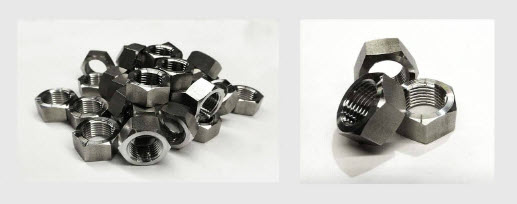
Precision Machining of 316 Stainless Steel: Engineered for Demanding Applications
Machining 316 stainless steel presents significant challenges due to its inherent properties, including high work-hardening rates, low thermal conductivity, and strong abrasiveness. These characteristics demand specialized expertise, optimized tooling strategies, and precise process control to achieve tight tolerances, superior surface finishes, and component integrity, particularly for mission-critical applications in aerospace, medical devices, marine engineering, and chemical processing where corrosion resistance and structural reliability are non-negotiable.
Honyo Prototype excels in the CNC machining of 316 stainless steel, leveraging advanced multi-axis milling and turning capabilities on state-of-the-art equipment. Our engineering team applies deep material science knowledge to overcome machining obstacles, utilizing specialized carbide tooling geometries, meticulously controlled cutting parameters, high-pressure coolant systems, and rigid fixturing protocols. This ensures consistent production of complex, high-integrity components meeting stringent industry standards while minimizing cycle times and material waste. We maintain strict process validation for dimensional accuracy, surface roughness, and metallurgical integrity throughout production runs.
For engineering teams requiring rapid turnaround on 316 stainless steel prototypes or low-volume production parts, Honyo Prototype offers an efficient path to procurement. Utilize our Online Instant Quote platform to upload CAD files and receive a detailed, accurate machining assessment within hours. This streamlined tool eliminates traditional quotation bottlenecks, providing clear pricing, lead time estimates, and actionable manufacturability feedback to accelerate your development cycle from design to functional hardware. Partner with Honyo for precision machining where material performance and process excellence converge.
Technical Capabilities
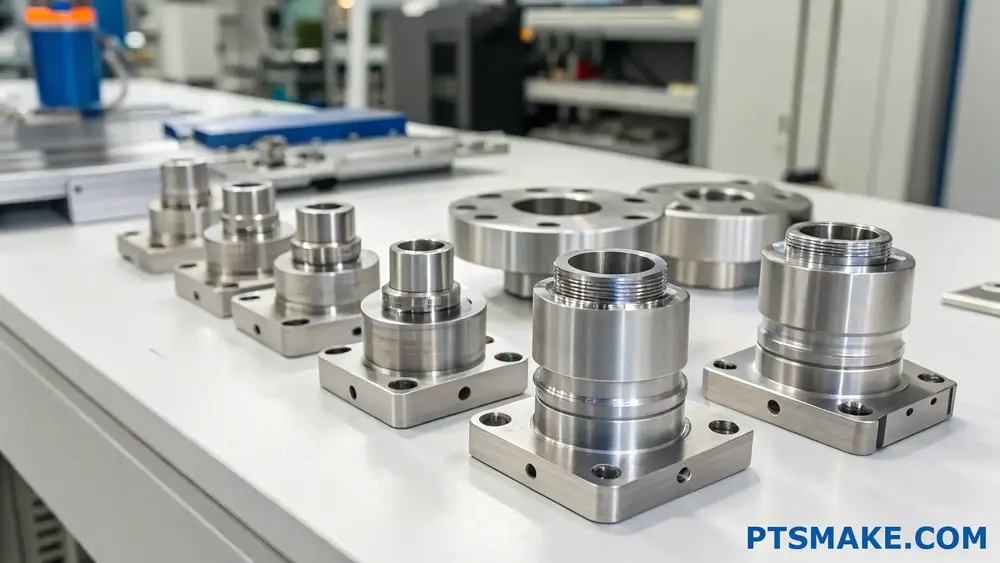
Machining 316 stainless steel requires precise control of cutting parameters, tooling, and machine rigidity due to its high work-hardening rate, corrosion resistance, and toughness. Below are the technical specifications and best practices for 3/4/5-axis milling and turning operations, with an emphasis on tight tolerance applications (±0.0005″ or better). Comparative notes are included for aluminum, carbon steel, ABS, and nylon to provide context across common prototype and production materials.
| Parameter | 316 Stainless Steel (AISI 316) | Aluminum (6061-T6) | Carbon Steel (1045) | ABS (Acrylonitrile Butadiene Styrene) | Nylon (PA6/PA66) |
|---|---|---|---|---|---|
| Material Properties | Austenitic stainless, high corrosion resistance, work-hardens rapidly, non-magnetic | Lightweight, excellent machinability, moderate strength | High strength, magnetic, moderate machinability | Thermoplastic, low melting point, low strength | Tough thermoplastic, high wear resistance, hygroscopic |
| Typical Applications | Medical devices, marine components, chemical processing, aerospace | Aerospace, enclosures, heat sinks, prototypes | Shafts, gears, structural parts | Prototypes, housings, non-structural parts | Bearings, gears, wear strips |
| Machining Process | 3/4/5-axis milling, turning | 3/4/5-axis milling, turning | 3/4/5-axis milling, turning | 3-axis milling, light turning | 3/4-axis milling, turning |
| Recommended Tooling | Carbide end mills with TiAlN or AlCrN coating; high helix for chip evacuation | Carbide or HSS; uncoated or ZrN-coated; sharp cutting edges | Carbide with TiN or TiCN coating; negative rake inserts | Carbide; sharp polished flutes; high rake angles | Carbide; polished flutes; moderate rake |
| Spindle Speed (Milling) | 200–600 SFM (60–180 m/min) | 800–2000 SFM (240–600 m/min) | 200–400 SFM (60–120 m/min) | 500–1000 SFM (150–300 m/min) | 300–600 SFM (90–180 m/min) |
| Feed Rate (Milling) | 0.002–0.008 IPT (0.05–0.20 mm/tooth) | 0.005–0.015 IPT (0.13–0.38 mm/tooth) | 0.004–0.010 IPT (0.10–0.25 mm/tooth) | 0.003–0.008 IPT (0.08–0.20 mm/tooth) | 0.003–0.007 IPT (0.08–0.18 mm/tooth) |
| Depth of Cut (Milling) | 0.020–0.125″ (0.5–3.2 mm) | 0.050–0.250″ (1.3–6.4 mm) | 0.030–0.150″ (0.8–3.8 mm) | 0.020–0.100″ (0.5–2.5 mm) | 0.030–0.120″ (0.8–3.0 mm) |
| Turning Speed (SFM) | 150–400 SFM (45–120 m/min) | 500–1000 SFM (150–300 m/min) | 200–350 SFM (60–105 m/min) | 300–600 SFM (90–180 m/min) | 200–400 SFM (60–120 m/min) |
| Turning Feed (IPR) | 0.005–0.015 IPR (0.13–0.38 mm/rev) | 0.010–0.025 IPR (0.25–0.64 mm/rev) | 0.008–0.020 IPR (0.20–0.50 mm/rev) | 0.005–0.015 IPR (0.13–0.38 mm/rev) | 0.006–0.012 IPR (0.15–0.30 mm/rev) |
| Coolant Requirement | Flood coolant required; high pressure preferred to reduce heat and prevent work hardening | Flood or mist coolant; air blast acceptable for dry machining | Flood coolant recommended for deep cuts and finishing | Air blast or no coolant; avoid moisture absorption | Air blast or dry machining; avoid water-based coolants |
| Tight Tolerance Capability | ±0.0005″ (12.7 µm) achievable with thermal stability, rigid setup, and in-process probing | ±0.0002″ (5 µm) achievable; minimal thermal expansion | ±0.0005″ (12.7 µm) with stable machine and tooling | ±0.001″ (25 µm); limited by thermal creep and deflection | ±0.001″ (25 µm); hygroscopic nature affects dimensional stability |
| Challenges | Work hardening, built-up edge, high cutting forces, poor thermal conductivity | Burrs, smearing, high chip load | Chatter, heat buildup, tool wear | Melting, poor surface finish, static | Swelling due to moisture, elastic recovery, galling |
| Fixturing Requirements | High clamping force; minimal overhang; use of hydraulic or vacuum fixtures on 5-axis mills | Moderate clamping; vacuum or soft jaws effective | Rigid setup; minimize vibration | Light clamping; avoid deformation | Moderate clamping; avoid creep under pressure |
Notes on Multi-Axis Machining:
In 3/4/5-axis milling of 316 stainless steel, toolpath optimization (e.g., trochoidal milling, high-efficiency roughing) is critical to manage heat and extend tool life. For tight tolerance work, thermal compensation and in-process inspection (via on-machine probing) are recommended to maintain dimensional accuracy. 5-axis setups reduce the need for multiple fixtures and improve access to complex geometries, especially in medical and aerospace components.
Summary:
While 316 stainless steel is more challenging to machine than aluminum, steel, ABS, or nylon due to its mechanical properties, modern CNC machining with proper parameters, tooling, and environmental control enables high-precision results. Honyo Prototype leverages advanced 5-axis mills and high-precision turning centers to consistently achieve tight tolerances across all these materials, with tailored processes for each.
From CAD to Part: The Process
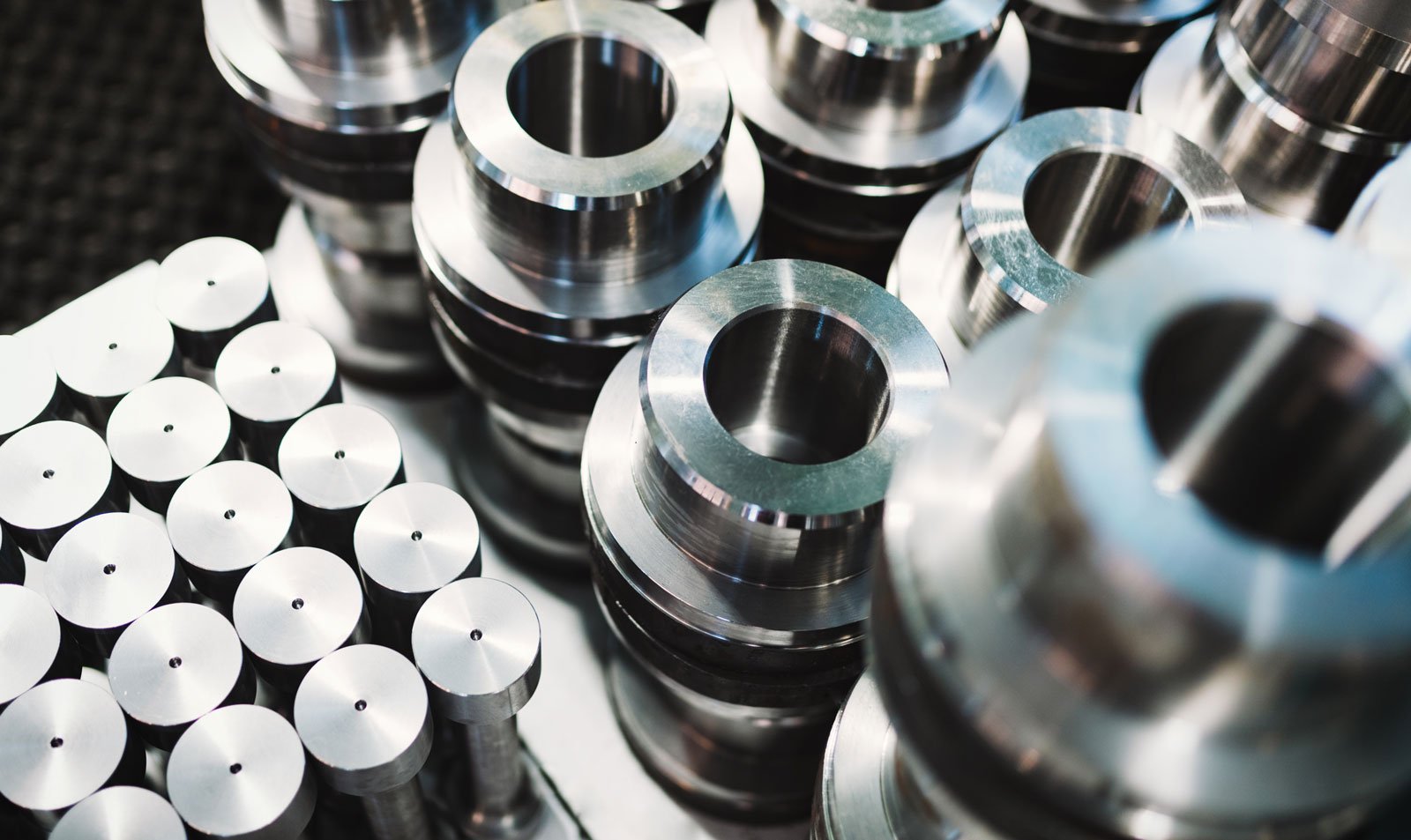
Honyo Prototype Machining Process for 316 Stainless Steel
Honyo Prototype executes a rigorously defined workflow for machining 316 stainless steel components, prioritizing precision, material integrity, and on-time delivery. This process begins with client CAD submission and culminates in certified part shipment, with integrated quality controls at every phase.
CAD Upload and Initial Processing
Clients initiate the process by uploading native CAD files (STEP, IGES, Parasolid) via Honyo’s secure portal. Our system validates geometric integrity, confirms critical tolerances per ISO 2768-mK, and identifies features requiring specialized 316SS machining strategies. Material-specific parameters—such as thermal expansion coefficients and work-hardening tendencies—are auto-flagged for downstream review. File validation occurs within 2 business hours, with immediate notification if geometry conflicts with 316SS machinability limits (e.g., aspect ratios >10:1 for thin walls).
AI-Powered Quoting Engine
Honyo’s proprietary AI engine analyzes the CAD data against real-time machine capacity, tooling availability, and 316SS-specific machining databases. The algorithm factors in:
Material hardness (typically 140-220 HB for annealed 316SS)
Coolant requirements to mitigate work hardening
Estimated tool wear rates for carbide grades optimized for austenitic steels
Quotes include granular cost breakdowns for roughing/finishing passes and surface treatment options, delivered within 4 business hours. All pricing reflects Honyo’s certified 316SS stock traceability (mill test reports provided upon request).
DFM Review and Engineering Collaboration
Honyo’s manufacturing engineers conduct mandatory Design for Machinability (DFM) analysis, focusing on 316SS challenges:
Recommending minimum wall thickness adjustments to prevent chatter-induced distortion
Proposing optimized toolpath sequences to minimize heat buildup (critical for 316SS’s low thermal conductivity)
Suggesting alternative radii to avoid sharp corners where stress corrosion cracking may initiate
Clients receive a formal DFM report with actionable suggestions within 24 hours of quote acceptance. This phase includes direct engineer-to-engineer consultation to resolve conflicts—such as modifying blind holes to reduce tap breakage risk during threading.
Production Execution
Machining occurs in Honyo’s climate-controlled facility using hardened steel workholding and high-pressure coolant systems. Key 316SS protocols include:
Tooling: Grade KC7300 carbide inserts with polished flutes to reduce built-up edge
Parameters: Conservative feed rates (0.05-0.15 mm/rev) and variable spindle speeds (120-250 SFM) to manage work hardening
Process: Mandatory intermediate stress-relief cycles for complex geometries per AMS 2759/4
Production-stage quality verification includes in-process CMM checks at 50% completion and final inspection per ASME Y14.5. All 316SS parts undergo passivation per ASTM A967 Method C and salt spray testing (96+ hours) for critical applications.
Delivery and Documentation
Completed parts ship with full traceability documentation:
Material certification (ASTM A276/A479)
Dimensional inspection report (including RA surface roughness verification)
Passivation validation data
First-article inspection for production runs
Honyo guarantees 10-business-day turnaround for standard 316SS prototypes from DFM approval, with expedited options available. All shipments include serialized certificates of conformance compliant with ISO 9001:2015.
This integrated workflow ensures 316SS components meet stringent performance requirements for medical, aerospace, and marine applications while eliminating common pitfalls like micro-fissuring or chloride-induced corrosion during machining. Honyo maintains 99.2% on-time delivery for 316SS projects through real-time production monitoring and buffer capacity allocation.
Start Your Project
For precision machining of 316 stainless steel, trust Honyo Prototype’s advanced manufacturing capabilities and strict quality control. Our Shenzhen-based factory specializes in high-accuracy CNC machining, ensuring optimal performance and corrosion resistance for your critical applications.
Contact Susan Leo to request a quote or technical consultation:
Email: [email protected]
Leverage our expertise in 316 stainless steel machining for medical, aerospace, and industrial projects—delivered with fast turnaround and full material certification.
🚀 Rapid Prototyping Estimator
Estimate rough cost index based on volume.