
Contents
Manufacturing Insight: Machining 304 Stainless
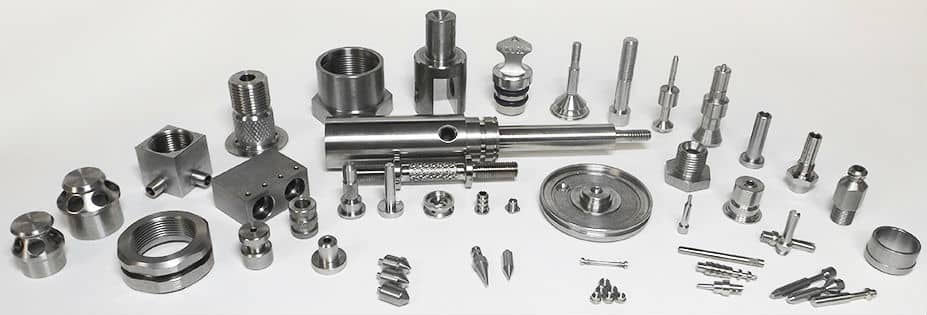
Precision Machining of 304 Stainless Steel: Engineered for Performance and Reliability
Machining 304 stainless steel presents distinct technical challenges due to its austenitic structure, significant work hardening tendency, and propensity for galling and built-up edge formation. Achieving tight tolerances, superior surface finishes, and consistent dimensional stability requires more than standard CNC capabilities; it demands specialized expertise in material behavior, optimized cutting parameters, and rigorous process control. At Honyo Prototype, we leverage deep metallurgical understanding and advanced CNC machining technologies specifically honed for 304 stainless steel fabrication. Our engineered approach addresses the core difficulties of this ubiquitous alloy, ensuring your critical components meet exacting functional and regulatory requirements without compromise.
Our CNC machining services for 304 stainless steel encompass multi-axis milling, precision turning, and complex 5-axis operations, utilizing high-performance tooling and coolant strategies designed to manage heat generation and optimize chip control. We implement proprietary toolpath strategies and feed rate profiles that mitigate work hardening, preventing premature tool wear and maintaining exceptional surface integrity. Every stage, from raw material certification through in-process inspection using coordinate measuring machines (CMMs) and final first-article reporting, adheres to stringent AS9100 and ISO 9001 quality management systems. This systematic process guarantees repeatability and reliability for demanding applications in medical devices, aerospace fluid systems, semiconductor equipment, and high-performance industrial machinery.
Accelerate your prototyping and low-volume production timelines with Honyo Prototype’s Online Instant Quote system. Upload your 304 stainless steel part geometry directly to our platform and receive a detailed, accurate manufacturability assessment and competitive pricing within hours, not days. Eliminate procurement delays and gain immediate clarity on lead times and technical feasibility, empowering faster design validation and project execution. Partner with Honyo for machining solutions where material science expertise meets precision manufacturing execution.
Technical Capabilities
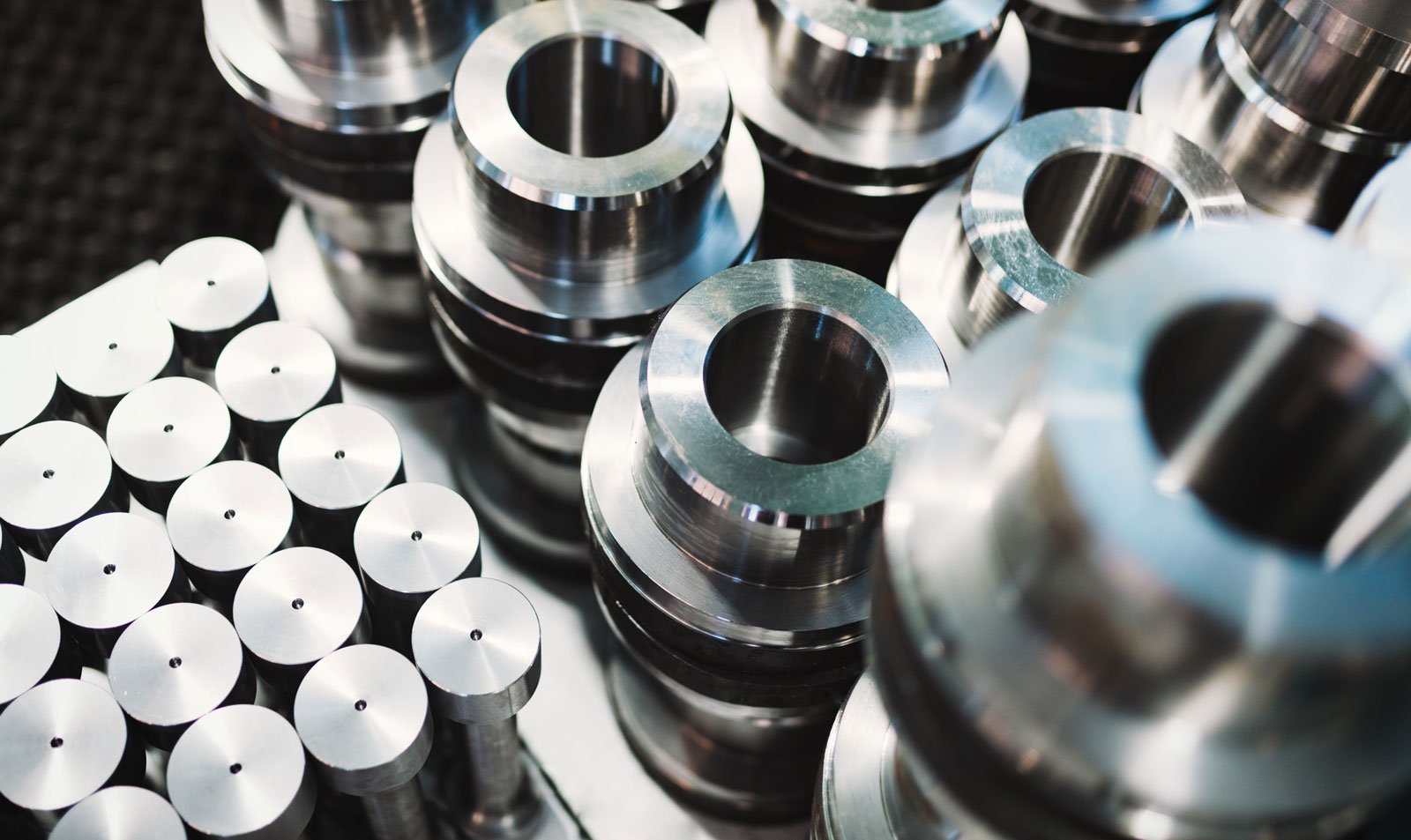
Machining 304 stainless steel requires precise control of speeds, feeds, and tooling due to its high work-hardening rate, toughness, and low thermal conductivity. The following technical specifications outline recommended practices for 3-axis, 4-axis, and 5-axis CNC milling and turning operations, with emphasis on achieving tight tolerances (±0.0005″ to ±0.005″). For comparative context, machining parameters for aluminum, steel (AISI 1018), ABS, and nylon are also included.
| Material | Operation | Spindle Speed (RPM) | Feed Rate (IPM) | Depth of Cut (max, inches) | Tool Type | Coolant Requirement | Typical Tolerance (± inches) | Notes |
|---|---|---|---|---|---|---|---|---|
| 304 Stainless | 3/4/5-Axis Milling | 800–2,500 | 4–15 | 0.020–0.060 | Carbide end mill, TiAlN coated | High-pressure flood | 0.0005–0.002 | Minimize radial engagement; use climb milling; avoid dwell to reduce work hardening |
| 304 Stainless | Turning | 200–600 | 0.005–0.012 ipr | 0.030–0.080 | CVD-coated carbide insert | Flood coolant | 0.0005–0.001 | Use rigid setup; maintain sharp cutting edges; avoid stopping mid-cut |
| Aluminum (6061) | 3/4/5-Axis Milling | 5,000–15,000 | 20–100 | 0.100–0.250 | Carbide or HSS, 3-4 flute | Mist or flood | 0.001–0.005 | High speeds possible; avoid built-up edge with proper rake geometry |
| Aluminum (6061) | Turning | 800–2,500 | 0.010–0.020 ipr | 0.100–0.200 | Polycrystalline diamond (PCD) or carbide | Mist or air blast | 0.001–0.002 | Sharp tools essential; avoid smearing |
| Steel (AISI 1018) | 3/4/5-Axis Milling | 1,000–2,500 | 6–20 | 0.050–0.100 | Carbide end mill, TiN coated | Flood coolant | 0.001–0.003 | Moderate speeds and feeds; ensure machine rigidity |
| Steel (AISI 1018) | Turning | 400–800 | 0.008–0.015 ipr | 0.060–0.120 | Carbide insert, CVD coated | Flood coolant | 0.0005–0.001 | Ideal for tight tolerance shafts and pins |
| ABS | 3/4/5-Axis Milling | 8,000–15,000 | 50–150 | 0.050–0.150 | Carbide, 2-flute square end | Air blast or none | 0.002–0.005 | Low melting point; sharp tools and high feed prevent melting |
| ABS | Turning | 1,500–3,000 | 0.010–0.030 ipr | 0.050–0.100 | Carbide or HSS | Air blast | 0.002–0.005 | Use light cuts; avoid heat buildup |
| Nylon (6/66) | 3/4/5-Axis Milling | 6,000–12,000 | 40–100 | 0.040–0.100 | Carbide, 2-flute polished | Air blast | 0.002–0.005 | Material can creep; secure fixturing critical |
| Nylon (6/66) | Turning | 1,200–2,500 | 0.008–0.020 ipr | 0.040–0.080 | Sharp HSS or carbide | Air blast | 0.002–0.005 | Allow for thermal expansion; avoid over-tightening |
Notes on 5-Axis Machining of 304 Stainless Steel
5-axis machining enables complex geometries and single-setup operations, which are advantageous for maintaining tight tolerances on stainless components. Use of high-precision rotary tables (±5 arc-seconds accuracy), thermal compensation systems, and in-process probing is recommended. Toolpath strategies such as tilting the tool to maintain optimal cutting angle reduce tool deflection and improve surface finish.
Tolerance Control Best Practices
Achieving tight tolerances in all materials requires environmental stability, calibrated tooling, pre-machined stock with consistent allowances, and post-process CMM verification. For 304 stainless, stress-relieved stock is advised to prevent distortion during machining.
Tooling Recommendations
For 304 stainless, use variable helix end mills with 4–6 flutes and high core strength. Peck drilling with MQL or through-coolant tools is effective for deep hole machining. Insert grades such as GC1105 (Sandvik) or KP4M (Kennametal) are optimized for austenitic stainless steels.
From CAD to Part: The Process
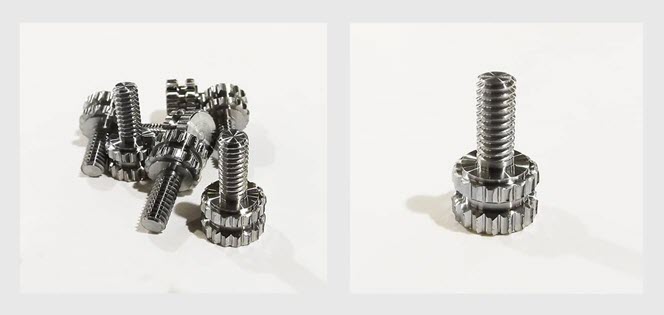
Honyo Prototype’s Precision Machining Process for 304 Stainless Steel
Honyo Prototype executes a streamlined, quality-focused workflow for machining 304 stainless steel components, ensuring technical rigor and client transparency from design inception to final delivery. The process begins with the client uploading a native CAD file (STEP, IGES, or native SOLIDWORKS/Creo formats preferred) to our secure portal. Our system validates geometric integrity and material specifications, confirming adherence to 304 stainless steel properties (ASTM A276/A484), including corrosion resistance requirements and thermal stability constraints inherent to this austenitic grade.
The uploaded design undergoes automated analysis via our proprietary AI quoting engine, which calculates machine time, toolpath complexity, and material utilization while accounting for 304 stainless steel’s unique challenges: high work-hardening rates, thermal conductivity limitations (~16.2 W/m·K), and susceptibility to galling. The AI generates a preliminary quote within 2 business hours, but crucially, this output is validated by our Senior Manufacturing Engineering team. We adjust parameters for optimal chip evacuation, surface finish control (Ra 0.8–3.2 μm typical), and avoidance of built-up edge—a critical failure mode in 304 machining. Clients receive a technically vetted quote with explicit assumptions on fixturing, tolerances (±0.005″ standard), and secondary operations.
Upon quote acceptance, the project enters Design for Manufacturability (DFM) review. For 304 stainless steel, our engineers conduct targeted analysis: verifying minimum wall thicknesses to prevent chatter-induced distortion (typically >0.060″), assessing sharp corner risks that exacerbate work hardening, and validating chamfer requirements to mitigate burr formation. We recommend optimized toolpaths using high-pressure coolant (HPC) strategies to manage heat generation and suggest alternative geometries if features risk causing tool deflection or surface integrity issues. Clients receive a formal DFM report with actionable recommendations, often reducing lead times by 15–25% through preemptive issue resolution.
Production leverages our certified CNC machining centers (Haas, DMG MORI) with rigid toolholding and specialized tooling for 304 stainless steel. Key process controls include:
Cutting Parameters: Reduced surface speeds (100–150 SFM) and positive rake angles to minimize heat
Coolant Management: Chloride-free, high-flow coolant at 1,000+ PSI to prevent pitting corrosion
In-Process Inspection: CMM checks at critical stages for dimensional stability (post-roughing, semi-finishing)
Passivation: ASTM A967-compliant nitric acid passivation post-machining to restore chromium oxide layer
All components undergo final first-article inspection per AS9102 or client-specific requirements, with full traceability of material certs (mill test reports), process logs, and dimensional reports. Delivery includes serialized parts in anti-tarnish packaging with comprehensive documentation, shipped via DHL/FedEx with real-time tracking. Typical lead time for complex 304 stainless steel prototypes is 7–10 business days, with expedited options available for critical path items. This end-to-end process ensures metallurgical integrity, dimensional accuracy, and compliance with aerospace, medical, or industrial application standards.
Start Your Project
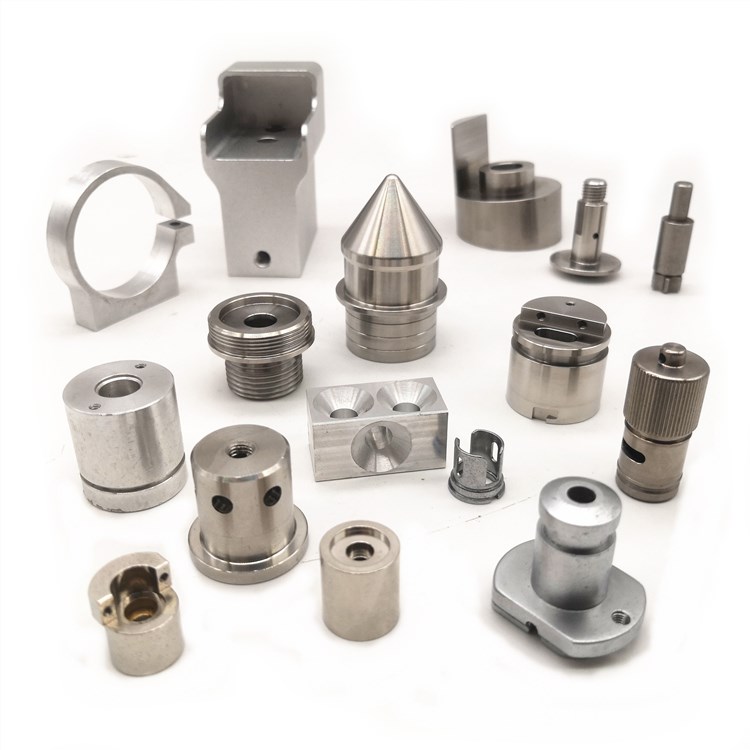
Looking for precision machining services for 304 stainless steel? Honyo Prototype offers high-quality CNC machining with tight tolerances, fast turnaround, and expert finishing—ideal for prototyping and low-volume production.
Our manufacturing facility is located in Shenzhen, leveraging advanced equipment and experienced engineers to ensure consistent, reliable results.
For project inquiries or quotes, contact Susan Leo at [email protected]. Let’s discuss your machining requirements and deliver precision parts on time.
🚀 Rapid Prototyping Estimator
Estimate rough cost index based on volume.