
Contents
Manufacturing Insight: Machinable Steel
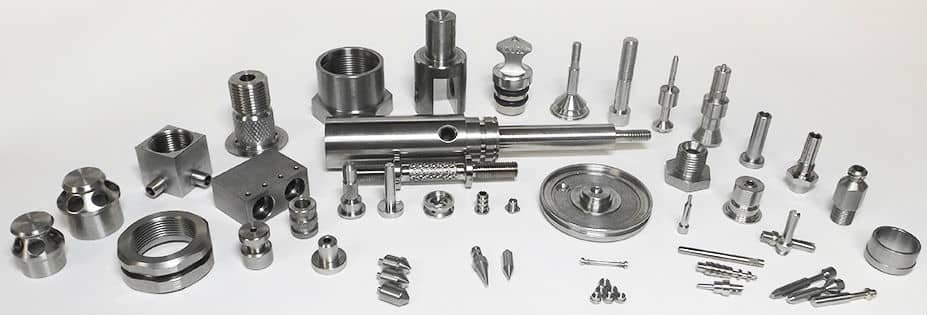
Precision Machinable Steel Components: Engineered for Efficiency at Honyo Prototype
Machinable steel alloys, such as 12L14, 1018, and 4140, form the backbone of countless high-integrity mechanical and structural applications due to their optimal balance of strength, weldability, and exceptional chip formation characteristics. These materials significantly reduce tool wear and cycle times during precision machining, directly translating to cost-effective production of complex geometries with tight tolerances. At Honyo Prototype, we leverage this inherent machinability through our advanced CNC milling and turning capabilities, consistently achieving tolerances down to ±0.0002 inches and superior surface finishes critical for demanding aerospace, medical, and industrial sectors.
Our state-of-the-art CNC machining centers, operated by certified technicians with decades of collective experience, are specifically optimized for these workhorse materials. We handle everything from rapid prototyping to low-volume production runs, ensuring dimensional accuracy, material integrity, and on-time delivery for every machinable steel component. Material certification and stringent in-process quality control are standard, providing assurance that parts meet exacting engineering specifications.
Accelerate your project timeline with Honyo Prototype’s Online Instant Quote system. Simply upload your CAD file, specify material requirements including preferred machinable steel grades, and receive a detailed, competitive quote within minutes—no waiting for manual RFQ processing. This seamless digital workflow empowers design engineers and procurement teams to make faster, more informed sourcing decisions. Request your quote today and experience the precision and efficiency of Honyo’s CNC machining services for machinable steel.
Technical Capabilities
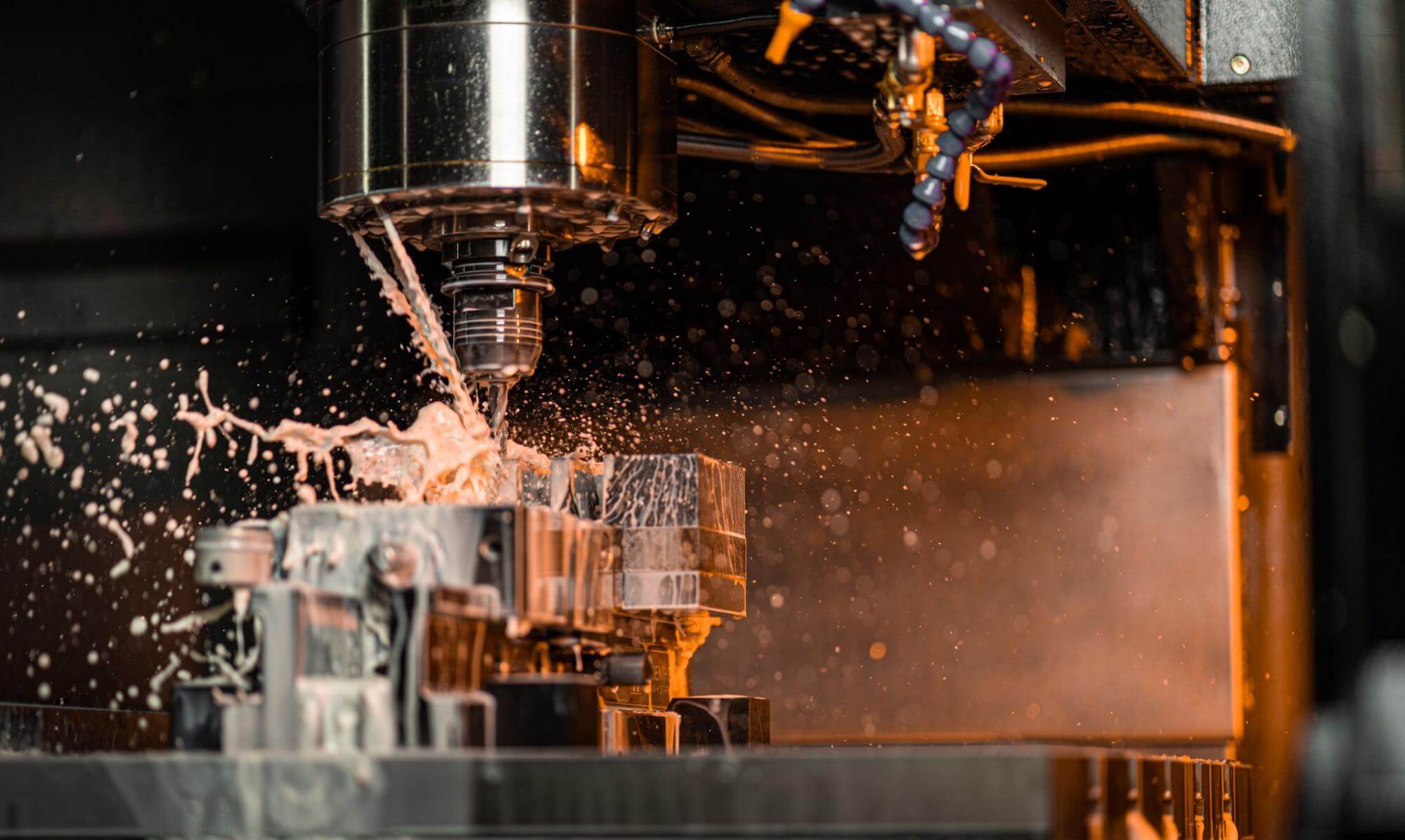
Machinable steel refers to steel alloys engineered for efficient material removal, dimensional stability, and excellent surface finish during CNC machining operations such as 3-axis, 4-axis, and 5-axis milling, as well as precision turning. These materials are optimized for tight tolerance applications (±0.0005″ to ±0.005″, depending on geometry and size) commonly required in aerospace, medical, automotive, and industrial components.
The following table compares key technical characteristics of common machinable materials used in high-precision CNC machining, including machinable steels, aluminum, and engineering plastics like ABS and nylon. While “machinable steel” is a broad term, common grades include 4140, 4340, 1018, and 17-4 PH stainless steel—each selected for strength, hardness, and machinability balance.
| Material | Typical Hardness (HRC) | Tensile Strength (psi) | Machinability Rating (%) | Thermal Stability | Dimensional Stability | Common Use in Precision Machining |
|---|---|---|---|---|---|---|
| 4140 Steel | 28–32 | 150,000 | 65 | Moderate | High | High-strength structural components, tooling, aerospace fittings |
| 17-4 PH Stainless Steel | 35–45 | 160,000–185,000 | 50 | Good | High | Aerospace, medical implants, corrosive environment parts |
| 1018 Steel | 15–20 | 70,000 | 75 | Moderate | Moderate | Prototypes, jigs, fixtures, low-stress mechanical parts |
| 6061-T6 Aluminum | 9–12 | 45,000 | 90 | Low | High | Lightweight enclosures, aerospace, and automotive components |
| 7075-T6 Aluminum | 15–16 | 83,000 | 60 | Low | Moderate | High-stress aerospace and racing components |
| ABS (Thermoplastic) | < 1 | 6,000 | 100 | Low | Moderate | Prototypes, housings, non-structural parts |
| Nylon 6/6 | < 1 | 11,000 | 85 | Low | Moderate (hygroscopic) | Gears, bushings, low-friction wear parts |
Notes on Machining Performance:
Machinable steels like 4140 and 17-4 PH are preferred in 3/4/5-axis milling and turning when high strength, wear resistance, and tight tolerance repeatability are required. These materials maintain dimensional accuracy under thermal cycling and mechanical load, making them suitable for complex geometries produced via multi-axis strategies.
Aluminum alloys such as 6061-T6 and 7075-T6 offer excellent machinability and are frequently used in high-speed 5-axis milling for aerospace and automotive applications where weight savings are critical. However, their lower hardness and thermal expansion require careful toolpath strategies to maintain tight tolerances.
Engineering thermoplastics like ABS and nylon are easily machined and ideal for functional prototypes and low-friction components. However, nylon is hygroscopic, which can compromise dimensional stability if not acclimated properly pre- and post-machining.
For tight tolerance work across all materials, precision CNC processes at Honyo Prototype utilize calibrated tooling, thermal compensation, and in-process probing to ensure conformance to GD&T specifications and micron-level accuracy.
From CAD to Part: The Process
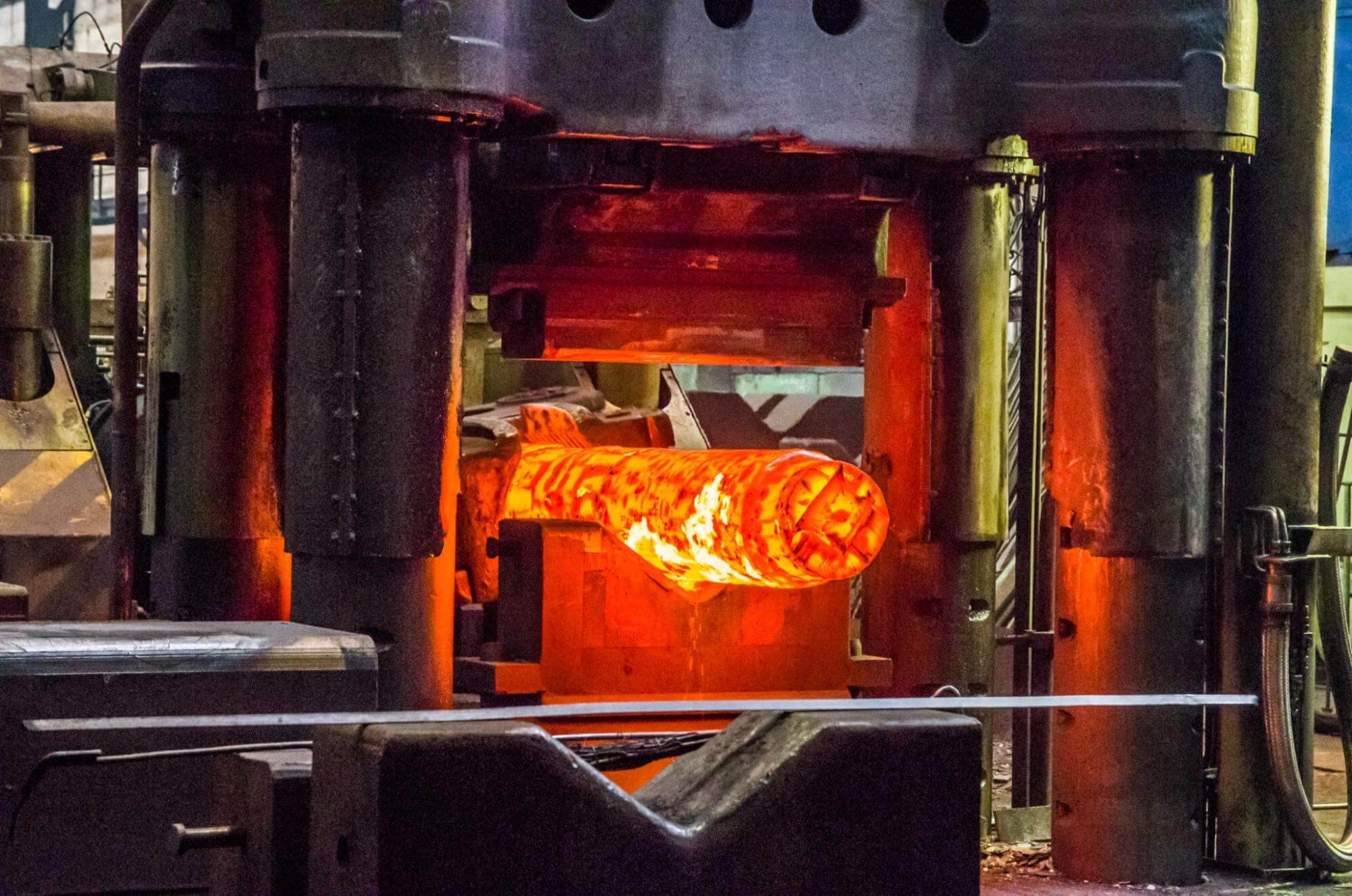
Honyo Prototype Machinable Steel Process Overview
Honyo Prototype delivers precision machined steel components through a streamlined, technology-driven workflow designed for speed, accuracy, and manufacturability. Our process for machinable steel parts—from initial CAD submission to final delivery—is engineered to minimize lead times while ensuring rigorous quality control. Below is a detailed technical breakdown of each phase.
CAD File Submission and Validation
Clients initiate the process by uploading native or neutral CAD formats (STEP, IGES, Parasolid, or native SOLIDWORKS) via our secure portal. Our system performs automated geometry validation, checking for unit consistency, surface integrity, and file completeness. For machinable steel applications, we immediately flag potential issues such as undercuts requiring specialized tooling, non-standard thread forms, or features incompatible with common free-machining steel grades (e.g., AISI 12L14, 303, or 4140). This pre-screening ensures downstream efficiency and reduces quotation errors.
AI-Powered Quoting Engine
Within 90 seconds, our proprietary AI engine generates a comprehensive quote based on real-time analysis of the CAD geometry, material specifications, and tolerance requirements. The algorithm cross-references live data from our CNC machine network, tooling libraries, and material suppliers to calculate precise machining time, material waste, and secondary operation costs. For steel parts, the AI specifically evaluates factors like chip evacuation complexity, thermal stability during machining, and optimal spindle speeds for the requested grade. Clients receive instant visibility into cost drivers and lead time estimates without manual intervention.
Engineer-Reviewed DFM Analysis
Every steel component undergoes mandatory Design for Manufacturability (DFM) review by our certified manufacturing engineers. Unlike automated-only systems, this phase combines AI insights with human expertise to identify steel-specific optimizations:
Suggesting material substitutions (e.g., recommending 12L14 over 304 stainless for complex geometries to improve chip control)
Proposing tolerance relaxations on non-critical features to reduce machining time
Flagging thin-wall sections prone to chatter or deflection during steel milling
Recommending strategic feature consolidation to minimize setups
The DFM report includes annotated visuals, cost-saving alternatives, and a revised timeline. Client approval is required before proceeding, ensuring alignment on technical trade-offs.
Precision CNC Machining and Quality Control
Approved designs move to our climate-controlled production floor, where machinable steel parts are fabricated on HAAS and DMG MORI 3- to 5-axis CNC centers with sub-micron repeatability. Key process controls include:
Material verification via certified mill test reports (MTRs)
In-process CMM checks for critical dimensions after roughing and finishing
Coolant management systems optimized for steel chip evacuation and thermal stability
Real-time tool wear monitoring to maintain surface finish integrity (Ra ≤ 0.8 μm typical)
All steel components undergo final first-article inspection against ASME Y14.5 GD&T standards, with full inspection reports available upon request.
Logistics and Traceable Delivery
Completed parts are packaged with anti-corrosion protection (VCI paper for ferrous materials) and shipped via DHL/FedEx with real-time tracking. Each delivery includes:
Material certification with heat number traceability
Dimensional inspection report (per client-specified critical features)
RoHS/REACH compliance documentation
Batch-specific process logs for audit purposes
Standard lead times for machinable steel prototypes range from 5–10 business days, with expedited options available. Our closed-loop system captures production data to continuously refine future quotes and DFM recommendations.
This integrated workflow reduces steel prototyping iterations by 40% compared to industry averages while maintaining ISO 9001-certified quality standards. By embedding material-specific expertise at every stage—from AI quoting through final inspection—we ensure machinable steel components meet functional requirements on the first pass.
Start Your Project
Looking for high-quality machinable steel for your next project? Honyo Prototype offers precision-engineered steel components with tight tolerances and excellent surface finishes, ideal for prototyping and low-volume production.
Our manufacturing facility in Shenzhen ensures fast turnaround times and consistent quality control, leveraging advanced CNC machining and skilled technical oversight.
For inquiries or to request a quote, contact Susan Leo at [email protected]. Let us support your engineering and manufacturing goals with reliable, made-to-spec machinable steel solutions.
🚀 Rapid Prototyping Estimator
Estimate rough cost index based on volume.