
Contents
Manufacturing Insight: Machinable Aluminum
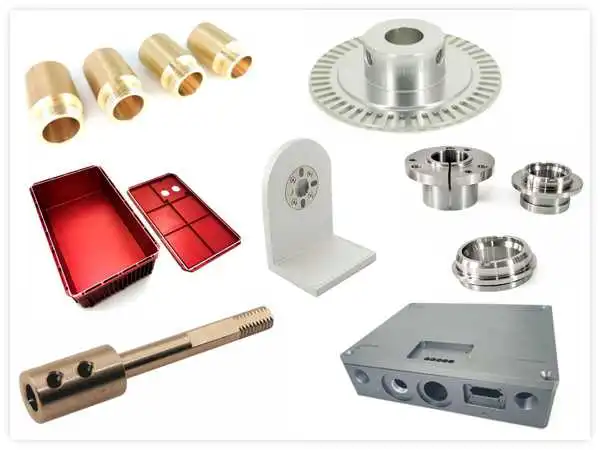
Precision Aluminum Components Engineered for Performance
Aluminum remains the cornerstone material for high-performance prototypes and production parts across aerospace, medical, automotive, and industrial sectors due to its optimal strength-to-weight ratio, corrosion resistance, and exceptional machinability. At Honyo Prototype, we specialize in transforming aluminum alloys—including 6061-T6, 7075-T6, and 2024-T3—into mission-critical components with micron-level accuracy through advanced 3-, 4-, and 5-axis CNC machining. Our engineering team leverages proprietary process controls to mitigate material-specific challenges such as chatter, thermal deformation, and burr formation, ensuring tight tolerances (±0.0002″) and superior surface finishes (Ra 0.8 µm) without secondary operations.
Beyond precision machining, Honyo integrates material science expertise with agile manufacturing to accelerate your development cycle. We optimize toolpaths for minimal cycle times while maintaining structural integrity, particularly for thin-walled or complex geometries common in aluminum fabrication. This technical rigor extends to post-processing, where we coordinate anodizing, bead blasting, and precision tapping to meet stringent industry specifications.
Accelerate your timeline with Honyo’s Online Instant Quote platform, designed for engineers who demand speed without sacrificing technical validation. Upload your STEP or IGES file to receive a detailed manufacturability analysis, lead time estimate, and competitive pricing within minutes—not days. Our system automatically flags potential design inefficiencies for aluminum machining, such as non-optimal wall thicknesses or challenging undercuts, enabling rapid iteration before formal quotation.
Partner with Honyo Prototype to convert aluminum designs into high-integrity components, from single prototypes to low-volume production runs, backed by ISO 9001-certified processes and engineering support at every stage. Submit your design today for immediate evaluation.
Technical Capabilities
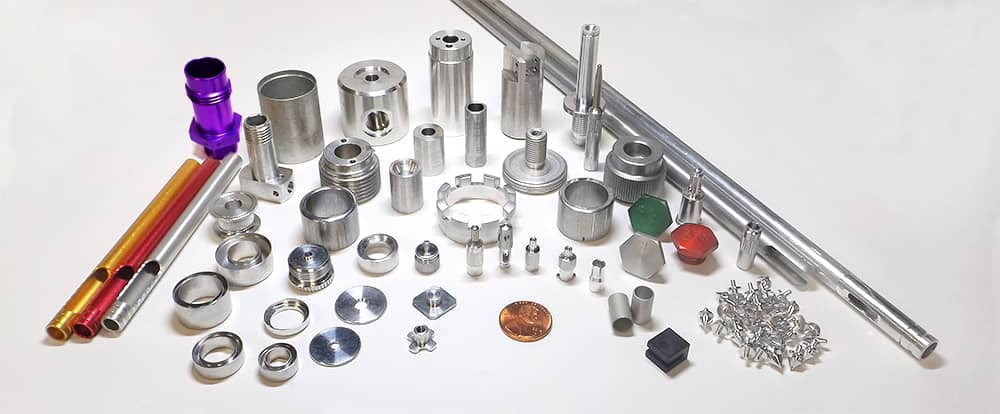
Machinable aluminum refers to aluminum alloys engineered for high dimensional stability, excellent surface finish, and consistent chip formation—critical for precision CNC operations such as 3/4/5-axis milling and turning. These alloys are commonly used in aerospace, medical, and prototyping applications where tight tolerances (±0.0005″ to ±0.005″) are required. Below is a comparison of key materials used in such high-precision machining, with emphasis on aluminum as the primary machinable material.
| Material | Typical Alloy/Form | Machinability Rating | Max Tolerance (Typical) | Surface Finish (Ra, µin) | Best Suited For | Notes |
|---|---|---|---|---|---|---|
| Aluminum | 6061-T6, 7075-T6, 2024-T4 | Excellent (90–100%) | ±0.0005″ – ±0.001″ | 32 – 64 | 3/4/5-axis milling, turning, tight-tolerance parts | High strength-to-weight, good thermal conductivity, easily anodized |
| Steel | 12L14, 4140, A2, P20 | Moderate to Good (40–70%) | ±0.001″ – ±0.005″ | 16 – 32 | High-strength components, molds, tooling | Higher tool wear; requires rigid setups; slower feed rates |
| ABS | ABS-M30, ABS-ESD | Excellent | ±0.002″ – ±0.005″ | 64 – 125 | Prototypes, jigs, non-structural parts | Low melting point; prone to warping; not for high-temp environments |
| Nylon | Nylon 6, Nylon 6/6, Glass-filled | Fair to Moderate | ±0.002″ – ±0.005″ | 64 – 125 | Bearings, gears, low-friction components | Hygroscopic (absorbs moisture); requires pre-drying; dimensional creep |
Key Considerations for Machinable Aluminum in High-Precision Applications:
For 3/4/5-axis milling and turning operations, aluminum—particularly 6061-T6 and 7075-T6—is the preferred material due to its excellent machinability, minimal thermal expansion, and ability to hold tight tolerances. High-speed machining (HSM) techniques are often employed to reduce heat buildup and improve surface integrity. CNC setups must maintain thermal stability and use sharp, carbide tooling with high rake angles to prevent built-up edge.
When compared to steel, aluminum allows significantly faster material removal rates and lower cutting forces, enabling more complex geometries in multi-axis setups. In contrast, steel is selected when higher strength, wear resistance, or hardness is required, though at the cost of longer cycle times and increased tooling expense.
Polymers such as ABS and nylon are suitable for non-structural or functional prototypes but are limited in precision due to their lower stiffness and moisture sensitivity. They are not recommended for applications requiring micron-level tolerances or long-term dimensional stability.
At Honyo Prototype, we optimize toolpaths, spindle speeds, and fixturing for aluminum to consistently achieve tolerances within ±0.0005″ on critical features, supporting demanding industries such as aerospace and medical device manufacturing.
From CAD to Part: The Process
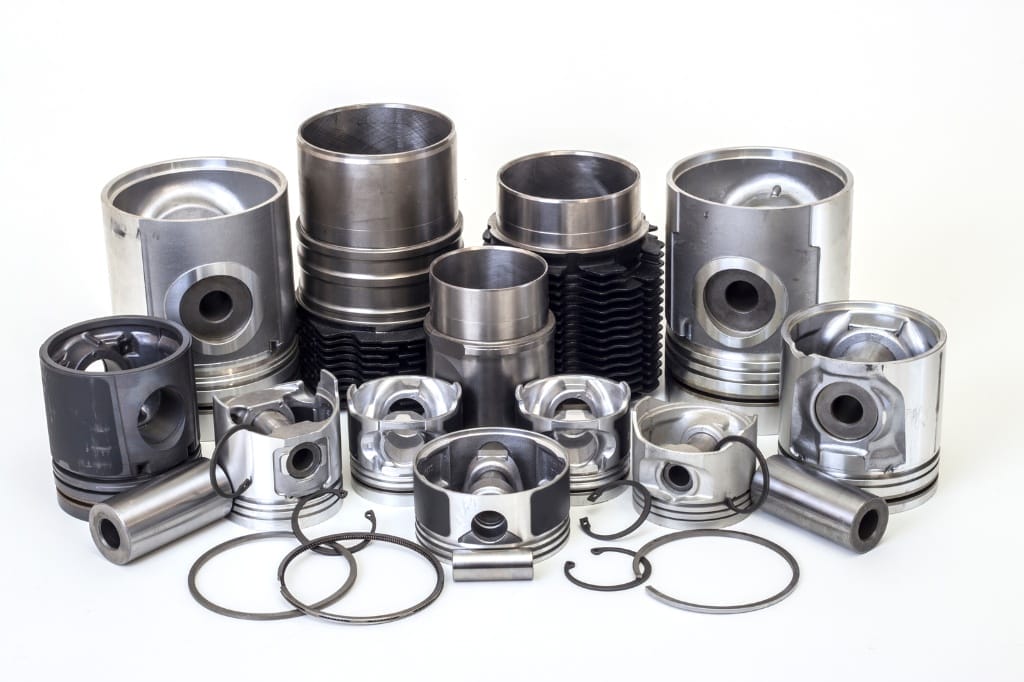
Honyo Prototype Machinable Aluminum Process Overview
Our streamlined workflow for aluminum CNC machining prioritizes accuracy, speed, and manufacturability. Here is the end-to-end process for machinable aluminum components:
Upload CAD
Clients submit 3D CAD models in STEP, IGES, or native formats via our secure portal. The system validates file integrity and geometry, confirming compatibility with aluminum machining constraints. Accepted formats trigger immediate entry into the quoting pipeline. We recommend including critical tolerances, surface finishes, and material specifications (e.g., 6061-T6, 7075-T6) in the model metadata or supplemental notes for optimal processing.
AI-Powered Quoting
Our proprietary AI engine analyzes the CAD geometry against live machine capacity, material costs, and geometric complexity. It factors in aluminum-specific parameters: chip load rates, toolpath efficiency, and fixturing requirements. Within minutes, clients receive a detailed quote showing part cost, estimated lead time, and material utilization. The AI flags potential high-risk features (e.g., thin walls <0.5mm, deep pockets) requiring manual review, ensuring quotes reflect realistic production feasibility.
DFM Analysis
Every aluminum part undergoes dual-layer manufacturability review. First, automated DFM checks verify adherence to aluminum machining best practices: minimum wall thickness, hole depth-to-diameter ratios, and tolerance stack-up. Second, a Honyo senior engineer conducts a technical review, focusing on aluminum-specific concerns like thermal distortion during milling or burr formation in cross-drilled holes. Clients receive a formal DFM report with actionable recommendations—such as adjusting radii or splitting complex geometries—to optimize cost and quality without compromising function.
Production Execution
Approved orders move to our climate-controlled CNC facility. Aluminum blocks (typically 6061-T6 for general use or 7075-T6 for high-strength applications) are loaded onto Haas or DMG MORI machines. Processes include:
Precision milling with carbide tooling optimized for aluminum chip evacuation
In-process CMM verification for critical dimensions
Deburring and edge conditioning per ASME B46.1 standards
Optional anodizing or bead blasting per client specifications
Typical lead time for 1-10 aluminum prototypes is 2-5 business days, depending on complexity. All parts are machined to ±0.005″ standard tolerance unless tighter specs are requested.
Delivery and Documentation
Finished parts undergo final QA inspection against the original CAD model. Each shipment includes:
Traceable material certification (mill test reports)
First-article inspection report (FAIR) with dimensional data
Packaging with anti-corrosion VCI film for aluminum protection
Digital delivery of process documentation via client portal
We maintain real-time shipment tracking and provide proactive notifications at each milestone. Aluminum parts ship via FedEx or DHL with full insurance, typically reaching North American clients within 24-48 hours of completion.
Material Specifications Reference
| Property | 6061-T6 Aluminum | 7075-T6 Aluminum |
|——————-|——————|——————|
| Tensile Strength | 45,000 psi | 83,000 psi |
| Machinability | Excellent | Good |
| Typical Use Case | Brackets, housings | Aerospace fittings |
| Standard Tolerance| ±0.005″ | ±0.005″ |
This integrated process reduces prototyping iterations by 40% compared to industry averages, leveraging aluminum’s machinability while ensuring rigorous quality control from digital design to physical delivery.
Start Your Project
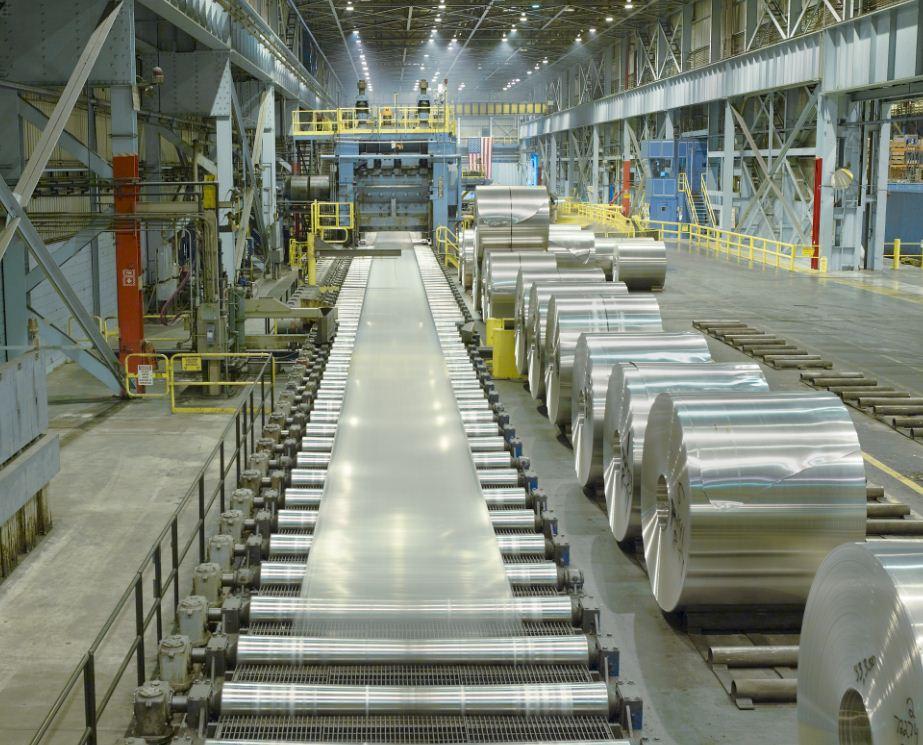
Machinable aluminum components are available for precision prototyping and low-volume production. Manufactured in our Shenzhen factory, these parts offer excellent dimensional stability, tight tolerance capability, and fast turnaround. Ideal for functional testing, engineering validation, and end-use applications requiring lightweight and durable metal parts.
For quotes or technical support, contact Susan Leo at [email protected].
🚀 Rapid Prototyping Estimator
Estimate rough cost index based on volume.