
Contents
Manufacturing Insight: M Codes For Cnc Machines
Understanding M Codes in CNC Operations
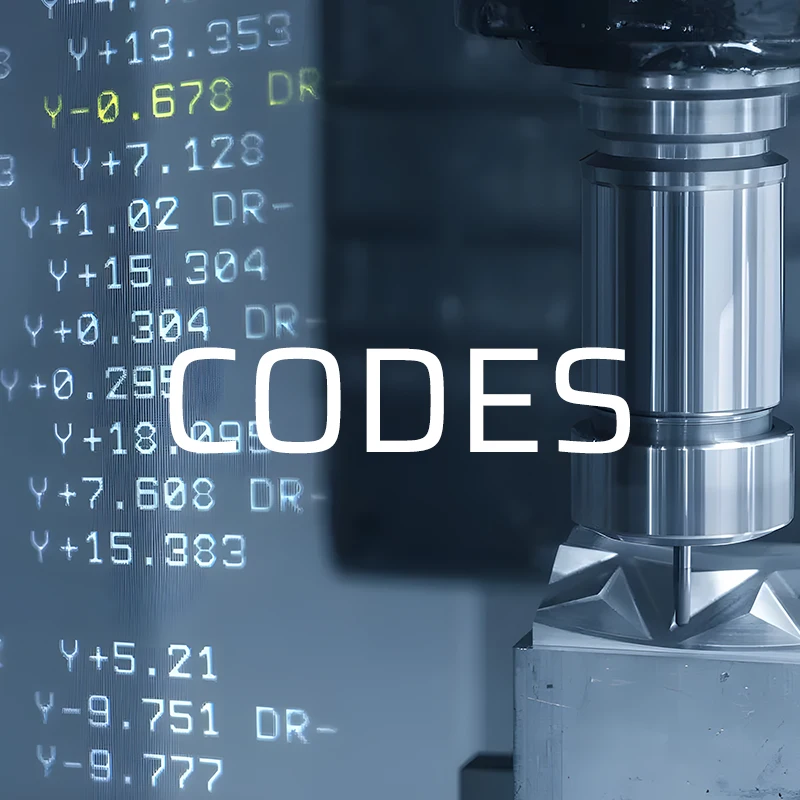
M codes represent the critical auxiliary command structure within CNC programming, directly governing machine functions beyond motion control. These commands—such as spindle activation (M03), tool changes (M06), coolant flow (M08), and program termination (M30)—dictate operational sequencing, safety protocols, and process efficiency. Misapplication can trigger costly errors, including tool collisions, unfinished features, or extended cycle times, directly impacting part quality and throughput. At Honyo Prototype, our engineering team leverages deep CNC expertise to optimize M code integration, ensuring seamless machine-cell communication and eliminating non-value-added downtime.
Honyo’s CNC machining services transform this technical precision into client advantage across milling, turning, and multi-axis operations. We specialize in rapid prototyping and low-volume production for aerospace, medical, and industrial sectors, where tolerance adherence and material integrity are non-negotiable. Our process embeds M code validation within rigorous CAM simulation and first-article inspection protocols, guaranteeing that every spindle start, tool swap, and coolant cycle aligns with your design intent. This meticulous attention to auxiliary controls—often overlooked by competitors—minimizes scrap rates and accelerates time-to-part without compromising repeatability.
Common M codes and their operational impact include:
| M Code | Function | Production Risk if Misconfigured |
|---|---|---|
| M03 | Spindle Start (CW) | Tool breakage, surface defects |
| M06 | Automatic Tool Change | Collision, dimensional inaccuracy |
| M08 | Coolant On | Thermal distortion, tool wear |
| M30 | Program End & Reset | Incomplete cycles, machine lock |
Partner with Honyo to convert complex CNC requirements into flawless deliverables. Our engineers treat M code optimization as foundational to operational integrity—not an afterthought. Experience this precision firsthand by leveraging our Online Instant Quote system. Submit your CAD file and specifications to receive a detailed manufacturability assessment and competitive pricing within hours, backed by Honyo’s commitment to technical excellence and on-time delivery.
Technical Capabilities
M codes in CNC machining are auxiliary commands used to control non-geometric operations such as coolant flow, spindle on/off, tool changes, and program stops. These codes are essential for automating machine functions across 3-axis, 4-axis, and 5-axis milling systems, as well as CNC turning centers—especially when working with tight tolerance requirements and diverse materials like aluminum, steel, ABS, and nylon.
The following table outlines key M codes commonly used in precision CNC operations, highlighting their function and relevance in multi-axis milling and turning applications involving tight tolerances (±0.0005″ to ±0.005″) and material-specific processing.
| M Code | Function | Relevance in 3/4/5-Axis Milling | Relevance in CNC Turning | Material Considerations |
|---|---|---|---|---|
| M00 | Program Stop | Pauses program for inspection during complex 5-axis toolpaths, critical for maintaining tight tolerances | Used for manual interventions such as part probing or tool verification | Essential when switching between thermally sensitive materials like ABS and high-conductivity aluminum |
| M01 | Optional Stop | Allows operator to pause cycle selectively during high-precision milling of steel components | Useful during setup validation for multi-pass turning of nylon or hardened steel | Helps manage tool wear when transitioning between abrasive nylon and ductile aluminum |
| M03 | Spindle On (Clockwise) | Initiates spindle rotation for milling aluminum and steel with appropriate RPM based on tooling and finish requirements | Standard start command for turning operations; speed synchronized with feed for surface finish | Critical for maintaining edge integrity in soft materials like ABS and preventing built-up edge in sticky aluminum alloys |
| M04 | Spindle On (Counter-Clockwise) | Used in left-hand threading or back-boring operations in 4-axis setups | Applied in reverse threading or specific facing operations | Beneficial when machining filled nylons to reduce chip packing in the cut |
| M05 | Spindle Stop | Ensures spindle halts before tool change or probing in 5-axis continuous contouring | Stops spindle for part cutoff or deburring station engagement | Prevents thermal distortion in low-melting-point materials like ABS and nylon during idle periods |
| M06 | Tool Change | Automates tool indexing in multi-tool 3–5 axis programs; critical for complex geometries | Less frequent than in milling but used in turret-based tool changes on turning centers | Ensures proper tool selection for material-specific cutting parameters (e.g., sharp carbide for aluminum, negative rake for steel) |
| M08 | Coolant On (Flood) | Maintains thermal stability during prolonged steel milling; essential for ±0.001″ tolerances | Reduces heat during high-speed steel turning; improves chip control | Prevents melting in ABS and reduces friction in abrasive glass-filled nylon |
| M09 | Coolant Off | Shuts off coolant before tool changes or air blow operations | Used at end of cycle or before part ejection | Prevents contamination in cleanroom environments or post-processing steps for medical nylon components |
| M19 | Spindle Orient | Aligns spindle for rigid tapping or tool engagement in 4-axis indexing | Enables precise tool alignment for grooving or threading operations | Ensures consistent contact angle when finishing hardened steel or high-tolerance aluminum housings |
| M30 | Program End and Reset | Ends program and resets counter; standard for batch production of precision parts | Signals completion of turning cycle; prepares machine for next blank | Facilitates repeatable setup for high-mix production involving mixed materials |
| M41 / M42 | Gear Range Selection (Low/High) | Not typically used in milling | Used in heavy-duty turning of large steel components to manage torque and surface speed | Enables optimal cutting conditions for tough materials like alloy steel without vibration |
| M98 | Subprogram Call | Repeats complex 5-axis features (e.g., turbine blades) with tight angular tolerances | Calls subroutines for repetitive turning cycles like threading or grooving | Increases consistency across multi-material prototypes or production runs |
| M99 | Return from Subprogram | Exits subroutines in continuous 5-axis contouring | Returns to main program after finishing internal features in steel or aluminum | Supports modular programming for mixed-material families with shared geometries |
These M codes are integrated into CNC programs using CAM software and are tailored to machine capabilities, workholding, tooling, and material behavior. In tight tolerance applications, precise sequencing of M codes ensures thermal stability, tool life consistency, and dimensional accuracy—particularly important when machining thermoplastics like ABS and nylon, which are sensitive to heat, or high-strength steels requiring rigid setups and controlled cooling.
From CAD to Part: The Process
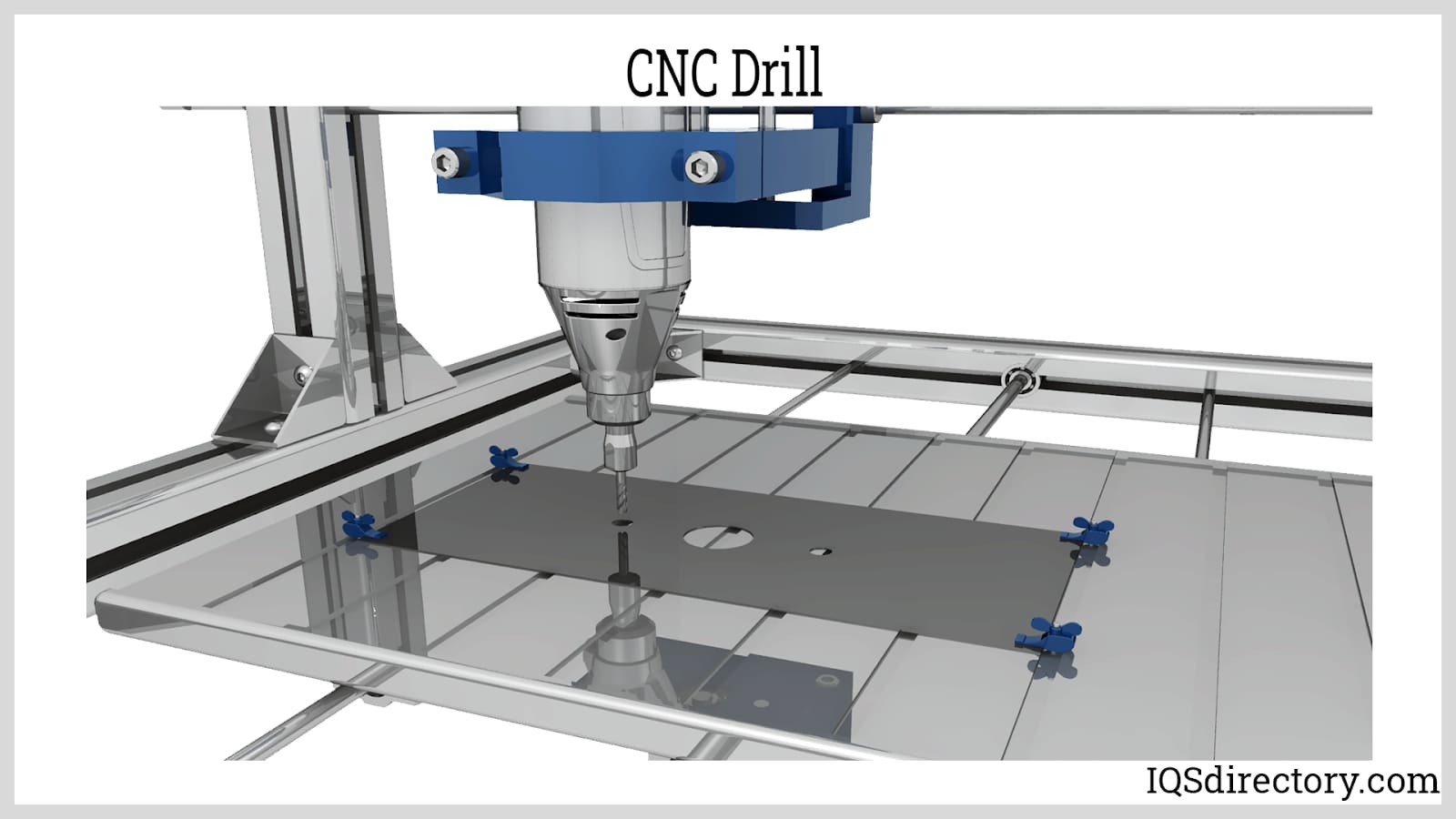
Honyo Prototype employs a streamlined, technology-driven workflow for CNC machining projects that ensures precision, efficiency, and manufacturability from initial design to final delivery. While M codes (machine function codes in CNC programming, such as spindle control or coolant activation) are critical within the production phase, they are not the name of our end-to-end process. Our standardized workflow integrates M code generation seamlessly during CAM programming. Below is a detailed explanation of our verified process flow:
Upload CAD
Clients initiate the process by uploading native or neutral CAD files (STEP, IGES, Parasolid, or native formats like SOLIDWORKS) via our secure online portal. Our system performs an initial automated validation to confirm file integrity, unit consistency, and geometric completeness. This step ensures all critical features—including tolerances, datums, and material specifications—are clearly defined before proceeding.
AI Quote
Honyo’s proprietary AI engine analyzes the validated CAD geometry to generate an instant, data-driven quote within minutes. The AI assesses part complexity, material utilization, machine time estimates, and secondary operations (e.g., tapping, chamfering) while factoring in real-time shop floor capacity. Crucially, the system identifies potential manufacturability risks early, such as undercuts requiring specialized tooling or features demanding tight tolerances that may necessitate slower machining speeds. Pricing transparency includes breakdowns for setup, machining, and finishing.
DFM (Design for Manufacturability) Review
Following quote acceptance, our engineering team conducts a rigorous DFM analysis. This is where M code relevance emerges: During CAM programming, our engineers validate that machine-specific M codes (e.g., M03 for spindle start, M08 for coolant) align with the part’s geometry and material requirements. We flag issues such as:
Features requiring non-standard M codes (e.g., M19 for spindle orientation in precision boring)
Coolant strategies (M07/M08) conflicting with material sensitivity
Unnecessary tool changes inflating cycle time via redundant M06 commands
Unlike traditional vendors, Honyo provides actionable DFM feedback within 24 hours, including suggested geometry modifications to optimize M code efficiency and reduce production costs.
Production
Approved designs enter production on our network of Haas, DMG MORI, and Makino CNC mills and lathes. Our CAM specialists generate G-code with integrated M codes using Mastercam and Fusion 360, ensuring:
M codes are synchronized with spindle speeds (S-codes) and feed rates (F-codes) to prevent tool chatter or breakage
Machine-specific M code libraries are applied (e.g., M50/M51 for Haas pallet changers)
Dry runs and virtual simulations verify M code sequencing before metal cutting
Real-time IoT sensors on machines monitor parameters, automatically pausing operations if M code execution deviates from specifications (e.g., coolant failure triggering M09).
Delivery
Completed parts undergo CMM inspection against CAD nominal values, with full traceability logs including the exact G/M code program used. Parts ship with material certifications, FAI reports, and optional digital twins of the machining process. Standard lead time is 5–7 days for 1–100 units, with expedited shipping options. All deliverables include documentation of critical machine parameters, such as M code sequences for repeat orders.
Honyo’s integration of AI-driven quoting and proactive DFM—particularly our focus on optimizing machine code logic—minimizes production errors and accelerates time-to-part. This methodology ensures M codes function as reliable enablers of precision rather than hidden failure points. For technical specifications on our CNC capabilities, request our machining standards handbook.
Start Your Project
Need M-Codes for CNC Machines?
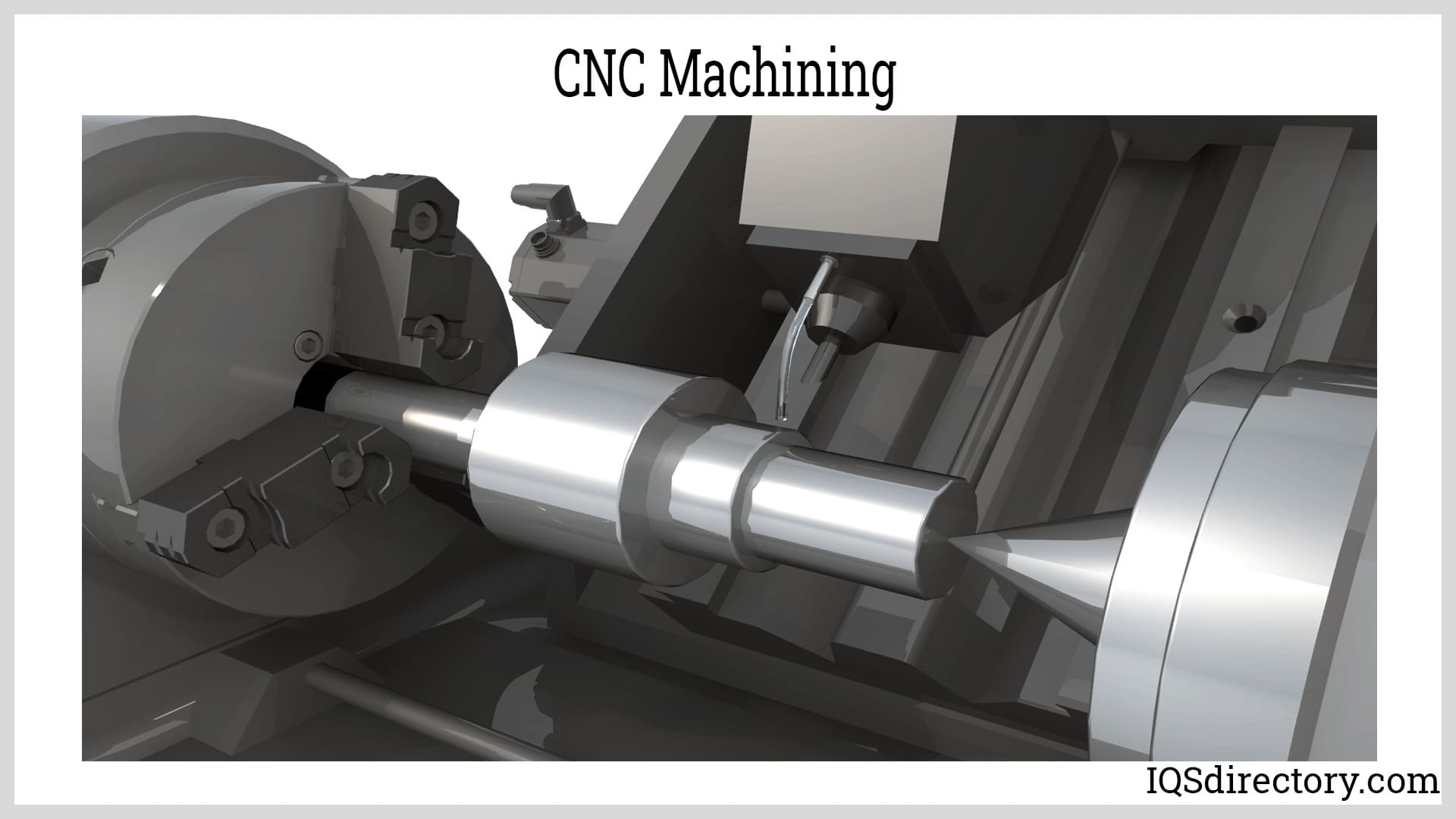
Get the complete reference guide and support for your CNC programming needs. At Honyo Prototype, we specialize in precision CNC machining with in-depth technical expertise to support your manufacturing projects.
Contact Susan Leo today for technical documentation, coding assistance, or custom machining solutions.
Email: [email protected]
Factory Location: Shenzhen, China
Let us help you optimize your CNC operations with accurate, reliable M-codes and expert engineering support.
🚀 Rapid Prototyping Estimator
Estimate rough cost index based on volume.