
Contents
Manufacturing Insight: Low Cost Machining
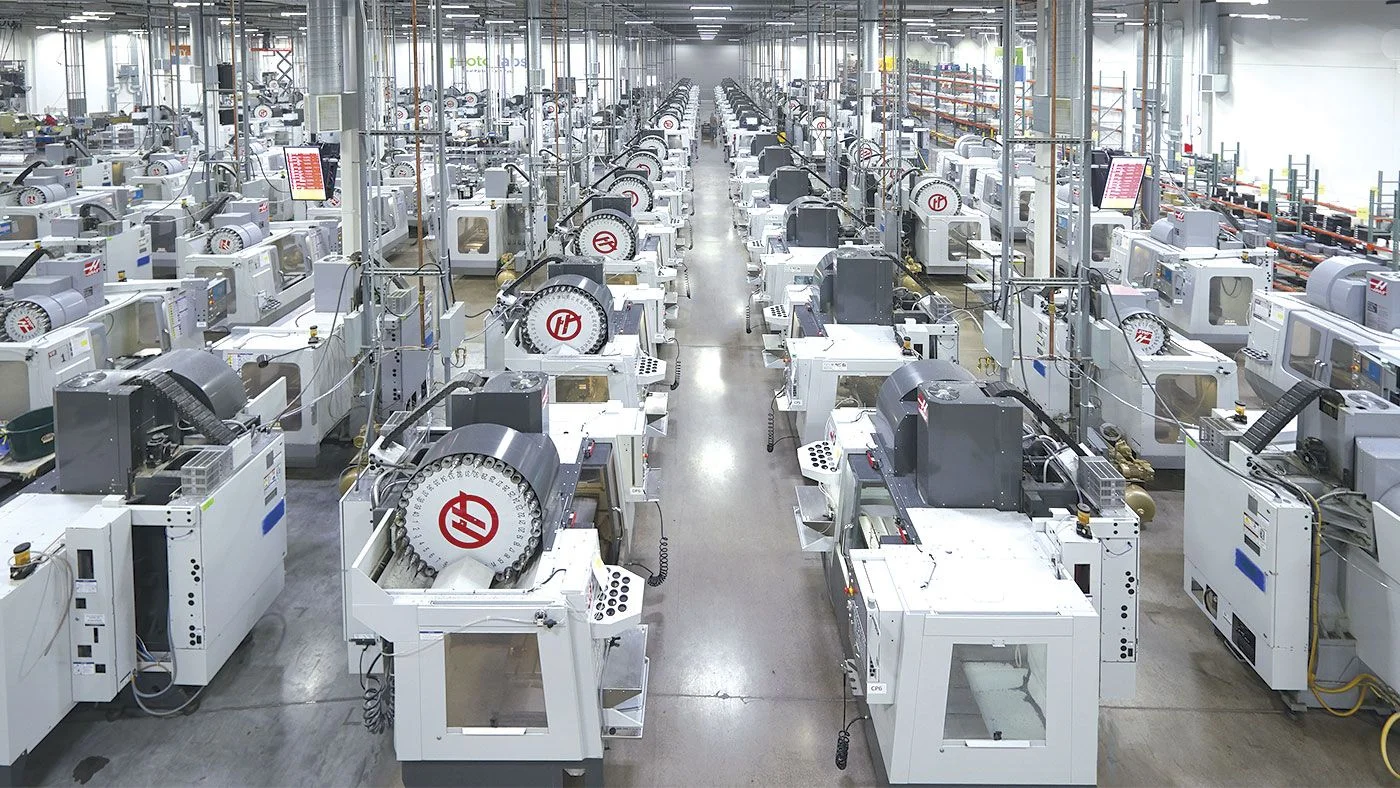
Honyo Prototype: Precision Low Cost Machining for Engineering Excellence
At Honyo Prototype, we redefine affordability in CNC machining without compromising engineering integrity. Our specialized low cost machining solutions leverage high-efficiency CNC milling and turning processes to deliver precision-machined components at exceptional value. By optimizing material utilization, minimizing setup times through automated tooling systems, and maintaining rigorous in-house quality control, we achieve cost reductions of 20–35% compared to conventional prototyping and low-volume production services. This approach ensures tight tolerances (±0.005 mm) and superior surface finishes for critical applications in aerospace, medical, and industrial automation.
Online Instant Quote: Accelerate Your Project Timeline
Eliminate procurement delays with Honyo’s proprietary Online Instant Quote platform. Upload your STEP or IGES files to receive a detailed, binding quote in under 60 seconds—complete with real-time cost breakdowns, lead time estimates, and manufacturability feedback. Our digital workflow integrates seamlessly with your engineering pipeline, allowing design validation and cost optimization before formal order placement. This transparency empowers engineering teams to iterate faster while maintaining strict budget adherence.
Partner with Honyo to transform cost constraints into competitive advantages. Request your quote today and experience how intelligent machining processes deliver both precision and affordability.
Technical Capabilities
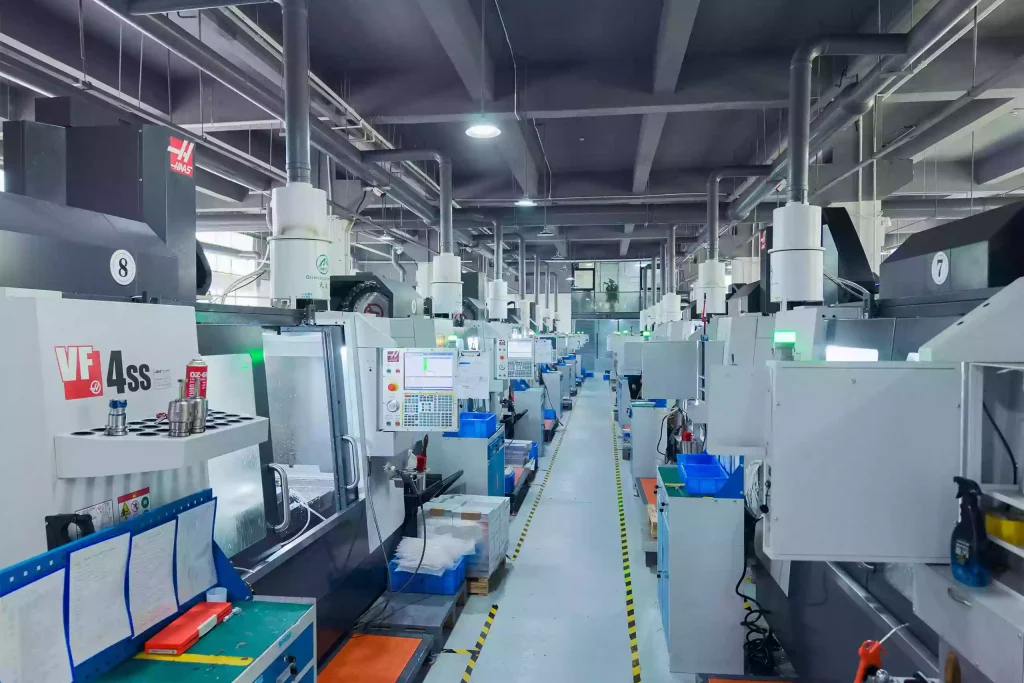
Low cost machining refers to optimized manufacturing processes that maintain acceptable precision and quality while minimizing production expenses. This is typically achieved through standardized workflows, reduced setup times, use of cost-effective tooling, and selection of appropriate materials and tolerances. Below are the technical specifications for low cost machining across 3/4/5-axis milling and turning operations, with emphasis on tight tolerance capabilities and common engineering materials.
| Parameter | 3-Axis Milling | 4-Axis Milling | 5-Axis Milling | CNC Turning |
|---|---|---|---|---|
| Typical Tolerance | ±0.005 in (±0.13 mm) | ±0.005 in (±0.13 mm) | ±0.003 in (±0.08 mm) | ±0.002 in (±0.05 mm) |
| Tight Tolerance Option | ±0.002 in (±0.05 mm) – Possible with process control | ±0.002 in (±0.05 mm) – Limited feature access | ±0.001 in (±0.025 mm) – With high-end setup | ±0.0005 in (±0.013 mm) – With precision turning |
| Max Work Envelope (Typical) | 24 x 18 x 10 in (610 x 457 x 254 mm) | 20 x 16 x 16 in (508 x 406 x 406 mm) | 16 x 12 x 10 in (406 x 305 x 254 mm) | Diameter up to 16 in (406 mm), Length up to 30 in (762 mm) |
| Surface Finish (Typical) | 32–64 μin (0.8–1.6 μm) | 32–64 μin (0.8–1.6 μm) | 16–32 μin (0.4–0.8 μm) | 16–32 μin (0.4–0.8 μm) |
| Lead Time (Standard) | 5–7 days | 7–10 days | 10–14 days | 4–7 days |
| Setup Cost (Relative) | Low | Medium | High | Low to Medium |
| Common Materials | Aluminum 6061, 7075; Steel 1018, 4140; ABS; Nylon | Same as 3-axis, with improved access to angled features | High-performance alloys possible, but aluminum and steels most common for cost efficiency | Aluminum, Steel (bar stock), ABS, Nylon (for prototypes) |
| Material Suitability Notes | Aluminum – excellent machinability, low tool wear; Steel – moderate cost increase due to tooling and speed; ABS – low melting point, requires sharp tools; Nylon – low friction but can deform under clamping | Same as 3-axis, with added angular feature capability | Ideal for complex aluminum parts; steel increases cost due to slower speeds; plastics not typical | Aluminum and steel are standard; ABS and nylon used for non-structural prototypes, require reduced RPM and careful fixturing |
| Cost-Saving Factors | High automation, minimal fixturing, standard tooling | Reduced need for multiple setups vs. 3-axis | Reduced setups for complex parts, but higher machine cost | High repeatability, bar feeding, multi-axis live tooling for mill-turn |
Notes on Tight Tolerances:
Achieving tight tolerances in low cost machining requires stable processes, thermal control, and appropriate workholding. While ±0.005 in is standard, tolerances down to ±0.001 in are feasible in steel and aluminum with precision tooling and inspection. Plastics like ABS and nylon are more challenging due to thermal expansion and deflection, making tolerances below ±0.003 in less economical.
Material-Specific Considerations:
Aluminum (6061, 7075): Most cost-effective for milling and turning; high metal removal rates.
Steel (1018, 4140): Durable but increases tool wear and machining time; heat treatment may add cost.
ABS: Low melting point; best for low-speed operations and prototype enclosures.
Nylon: Abrasive to tools over time; requires clearance adjustments and low clamping force.
Low cost machining prioritizes design for manufacturability (DFM), including avoiding deep cavities, sharp internal corners, and overly tight tolerances unless functionally necessary.
From CAD to Part: The Process
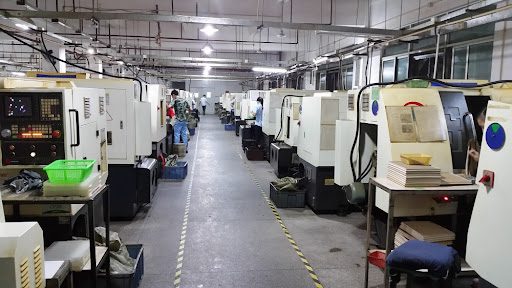
Honyo Prototype Low Cost Machining Process Overview
Our low cost machining workflow is engineered to minimize waste, reduce lead times, and maintain precision while optimizing costs for prototyping and low-volume production. The process follows a tightly integrated sequence designed to eliminate non-value-added steps and leverage automation where feasible.
CAD Upload and Initial Assessment
Customers upload native or neutral CAD formats (STEP, IGES, Parasolid) via our secure portal. Our system performs immediate geometry validation, checking for manufacturability constraints such as undercuts, thin walls, or non-standard tolerances. This initial scan flags potential high-cost features before formal quoting, preventing downstream revisions. All data is encrypted per ISO 27001 standards, and files are automatically purged post-delivery per contractual agreements.
AI-Powered Quoting Engine
The validated CAD model enters our proprietary AI quoting system, which analyzes over 200 cost drivers in under 90 seconds. Unlike basic online calculators, our AI cross-references real-time machine utilization data, material stock availability, and historical process efficiency metrics. It evaluates optimal material choices, machine selection (e.g., 3-axis vs. 5-axis), and batch sizing to generate a technically accurate quote. Critical cost-saving alternatives are presented, such as recommending aluminum 6061-T6 over 7075 for non-critical strength applications, which typically reduces material costs by 22–35%.
Design for Manufacturability (DFM) Integration
Every quote includes an automated DFM report highlighting cost-impacting design elements. The AI identifies opportunities like tolerances tighter than functional requirements (e.g., suggesting ±0.05mm instead of ±0.01mm where possible), which can lower machining time by 15–30%. Our engineering team provides specific revision recommendations within 4 business hours, such as modifying internal radii to match standard end mill sizes or consolidating features to reduce setup changes. Client approval of DFM suggestions is required before production to ensure alignment with functional needs.
Lean Production Execution
Approved orders move to our CNC facility with dedicated low-cost machining cells. We utilize a hybrid approach:
Machine Selection: Aluminum and plastics run on high-speed 3-axis mills (e.g., MAZAK VCN-500C) with 24,000 RPM spindles to maximize throughput.
Material Efficiency: Near-net-shape stock sizing via laser cutting reduces raw material waste by 18–25% versus standard bar stock.
Process Control: In-process CMM checks at critical stages prevent scrap, while bar-fed automation enables unattended 16-hour runs for simple geometries.
All operations follow documented work instructions with embedded cost-tracking metrics, ensuring labor and machine time stay within quoted targets.
Guaranteed Delivery Framework
Orders ship via our regional logistics network with pre-negotiated carrier rates. Real-time tracking is provided from our facility to the customer’s dock. We enforce a 95% on-time delivery standard through capacity buffers in our scheduling system—reserving 10% of daily machine hours for urgent low-cost jobs. Typical lead times range from 3–7 business days for 1–50 parts, with expedited options available. Every shipment includes first-article inspection reports (FAIR) and material certs at no additional cost.
Material Cost Optimization Reference
Common material choices and their cost impact relative to 6061-T6 aluminum:
| Material | Relative Cost Factor | Typical Use Case |
|---|---|---|
| 6061-T6 Aluminum | 1.0x (baseline) | General prototypes, non-critical fixtures |
| 7075-T6 Aluminum | 1.8x | High-strength aerospace components |
| ABS Plastic | 0.6x | Snap-fit assemblies, ergonomic models |
| 304 Stainless | 2.3x | Medical, food-grade applications |
| Nylon 6/6 | 0.9x | Wear-resistant gears, bushings |
This process consistently delivers 20–40% cost reduction versus traditional prototype machining services by embedding cost consciousness at every phase—from design validation through logistics—without compromising dimensional accuracy or material integrity. All outputs comply with AS9100 and ISO 9001 quality management standards.
Start Your Project

Looking for low cost machining solutions without compromising quality? Honyo Prototype offers precision manufacturing services at competitive prices, supported by our in-house factory in Shenzhen. With advanced CNC capabilities and streamlined production processes, we deliver fast turnaround and cost-effective results for prototyping and low-volume production.
Contact Susan Leo today to discuss your project requirements and receive a personalized quote. Email at [email protected] for direct support.
🚀 Rapid Prototyping Estimator
Estimate rough cost index based on volume.