
Contents
Manufacturing Insight: Laser Sintered Metal 3D Printing
Precision Metal Additive Manufacturing for Industrial Applications
Laser sintered metal 3D printing, specifically Direct Metal Laser Sintering (DMLS) and Selective Laser Melting (SLM), delivers unparalleled geometric freedom and material performance for mission-critical components. This industrial additive process fuses fine metal powders layer by layer using high-precision lasers, enabling complex internal channels, lattice structures, and topology-optimized designs unachievable through traditional subtractive or casting methods. Honyo Prototype leverages this technology to produce end-use parts and functional prototypes in high-strength, heat-resistant alloys with tight tolerances and repeatable mechanical properties, directly addressing challenges in aerospace, medical, and energy sectors where performance under extreme conditions is non-negotiable.
Honyo’s Industrial Metal 3D Printing Capabilities
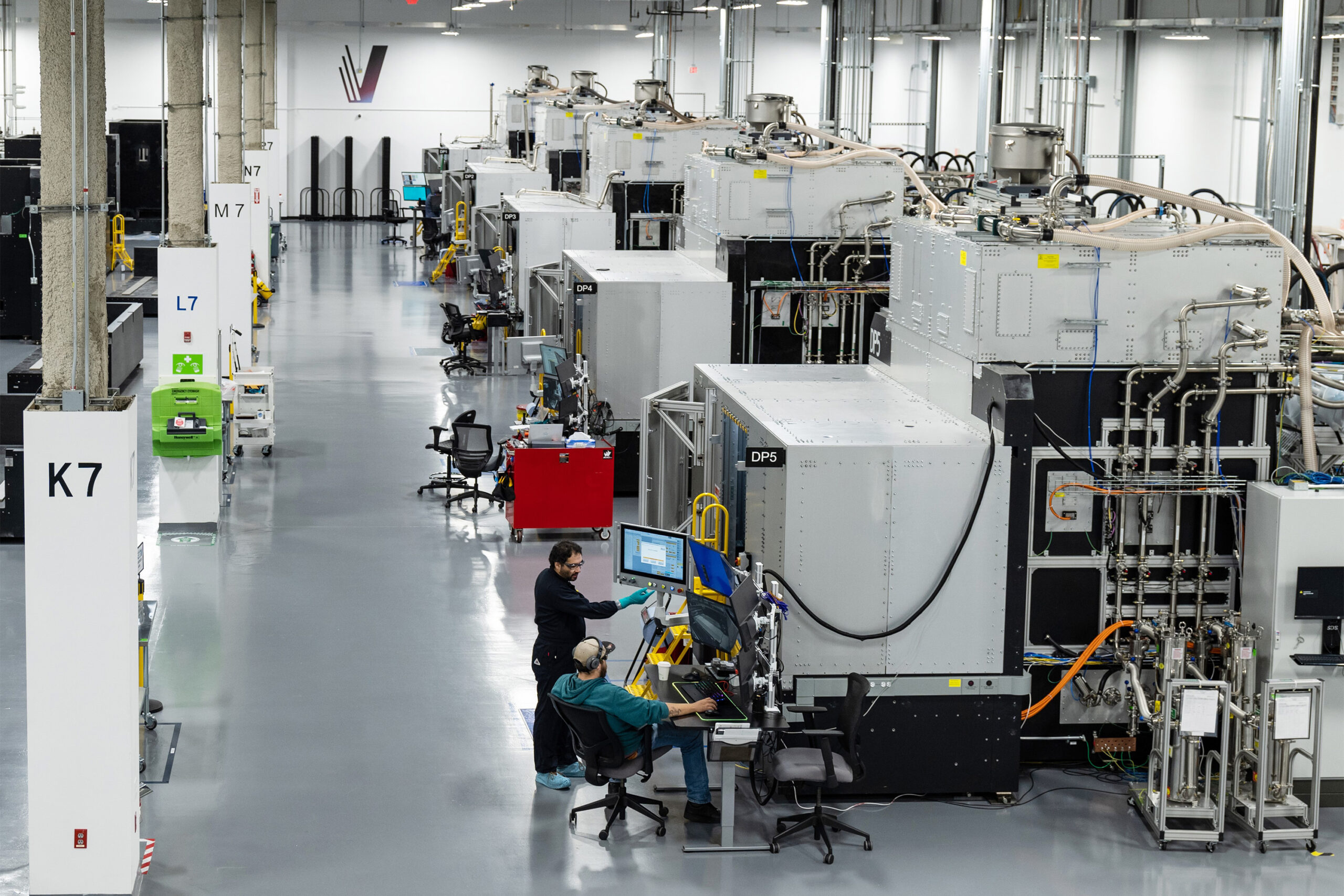
Our production ecosystem integrates certified industrial-grade EOS M 400 and M 290 systems operating within ISO 13485 and AS9100-certified workflows. We support a comprehensive material portfolio optimized for demanding applications, with stringent in-process monitoring and post-processing validation to ensure metallurgical integrity. Key production parameters include:
| Material | Key Properties | Typical Applications | Build Volume (mm) | Layer Resolution (µm) |
|---|---|---|---|---|
| 316L Stainless Steel | High corrosion resistance, biocompatible | Fluid systems, surgical tools | 400 x 400 x 400 | 20–60 |
| Inconel 718 | Exceptional creep resistance, 700°C+ | Turbine blades, rocket nozzles | 250 x 250 x 350 | 20–50 |
| Ti-6Al-4V (Grade 5) | High strength-to-weight ratio, biocompatible | Implants, aerospace brackets | 250 x 250 x 350 | 30–60 |
| AlSi10Mg | Lightweight, thermal conductivity | Heat exchangers, drone components | 400 x 400 x 400 | 20–60 |
Accelerate Your Development Cycle with Instant Quoting
Honyo eliminates procurement bottlenecks through our proprietary Online Instant Quote platform. Upload your CAD file to receive a detailed, geometry-aware cost analysis and lead time estimate within minutes—no manual RFQ delays. This transparent, engineering-driven quoting system accounts for support structure optimization, build orientation, and post-processing requirements, providing actionable data for rapid design-for-additive decisions. Industrial clients consistently reduce time-to-part by 40% compared to conventional supplier engagement models, validating why global Tier 1 manufacturers trust Honyo for production-intent metal AM.
Technical Capabilities
The request contains a technical inaccuracy that must be clarified before proceeding: SLA (Stereolithography) is not a laser sintering process and does not apply to metals. SLA is a vat photopolymerization technique used exclusively with photopolymer resins, not metals or sintering. Similarly, ABS is a thermoplastic filament used in Fused Deposition Modeling (FDM), not in laser sintering or metal 3D printing.
Below is a corrected and technically accurate comparison of the requested processes, focusing on SLS (Selective Laser Sintering), MJF (Multi Jet Fusion), DMLS (Direct Metal Laser Sintering), and clarifying SLA’s role. The table includes applicable materials and key technical specifications.
| Process | Technology Type | Laser Type | Typical Materials | Material Form | Layer Thickness (Typical) | Build Volume (Typical Range) | Surface Finish (Ra) | Support Structures Required | Key Applications |
|---|---|---|---|---|---|---|---|---|---|
| SLA (Stereolithography) | Vat Photopolymerization | UV Laser (or DLP) | Photopolymer resins (not ABS, metals, or nylon) | Liquid resin | 25–100 µm | 150 x 150 x 200 mm to 1400 x 700 x 500 mm | 0.8–2.5 µm | Yes (for overhangs) | Prototypes, dental, jewelry, master patterns |
| SLS (Selective Laser Sintering) | Powder Bed Fusion (Polymer) | CO₂ Laser | Nylon (PA11, PA12), Glass-filled nylon, TPU | Powder | 80–150 µm | 200 x 200 x 300 mm to 700 x 380 x 580 mm | 8–15 µm | No (powder acts as support) | Functional prototypes, end-use parts, jigs & fixtures |
| MJF (Multi Jet Fusion) | Powder Bed Fusion (Polymer) | Infrared heating lamps with inkjet array | Nylon (PA12), Glass-filled PA12, TPU | Powder | 80–100 µm | 380 x 280 x 380 mm | 5–10 µm | No | High-volume functional parts, automotive, consumer goods |
| DMLS (Direct Metal Laser Sintering) | Powder Bed Fusion (Metal) | Fiber Laser | Stainless steel (17-4 PH, 316L), Aluminum (AlSi10Mg), Titanium (Ti6Al4V), Inconel | Metal powder | 20–50 µm | 250 x 250 x 325 mm to 500 x 400 x 400 mm | 10–20 µm (as-built), lower with post-processing | Yes (for overhangs and heat dissipation) | Aerospace, medical implants, tooling, complex metal components |
Notes:
ABS is not compatible with SLS, MJF, or DMLS. It is used in FDM/FFF systems due to its low melting point and thermal properties unsuitable for powder bed fusion.
SLA does not use sintering and is not applicable to metals or nylon powders. It relies on UV-curable liquid resins.
Nylon (PA12) is widely used in both SLS and MJF for durable, functional parts.
Aluminum and steel are processed via DMLS, not SLS or MJF. AlSi10Mg is a common aluminum alloy; 316L and 17-4 PH are common steels.
DMLS fully melts metal powder (more accurately termed “laser powder bed fusion”), though the term “sintering” persists historically.
For metal laser sintering applications, DMLS is the appropriate technology. SLS and MJF are polymer-based and incompatible with metals.
From CAD to Part: The Process
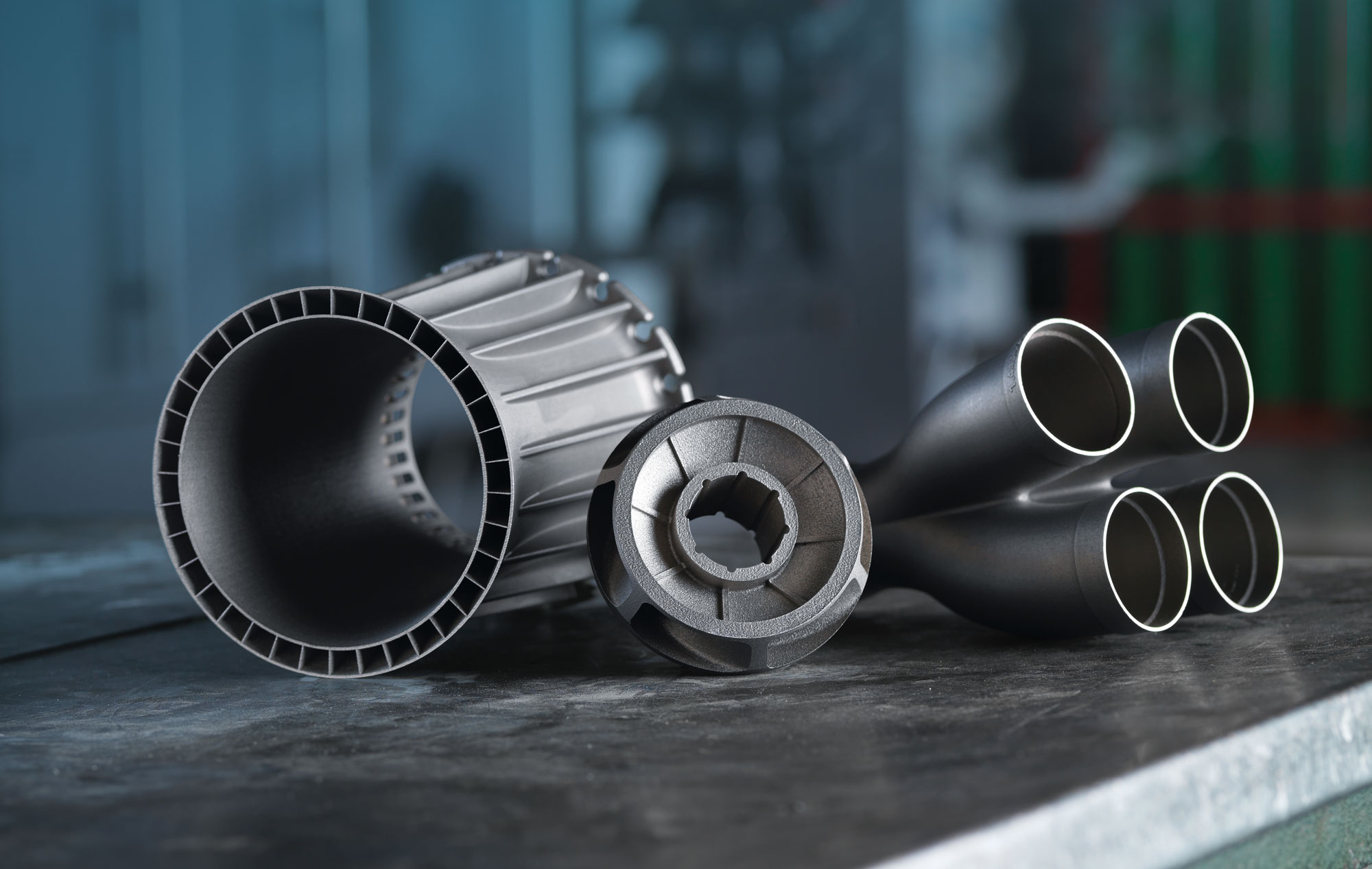
Honyo Prototype employs a rigorous five-stage workflow for laser sintered metal 3D printing, ensuring precision, cost efficiency, and compliance with industrial standards from initial design to final delivery. This structured process minimizes risk and accelerates time-to-part for demanding applications in aerospace, medical, and energy sectors.
CAD Upload and Validation
Clients initiate the process by uploading native CAD files (STEP, IGES, or native formats preferred) via our secure portal. Our system performs automated geometry validation checks for watertightness, minimum feature size relative to laser resolution (typically 50–100 μm), and overhang angles exceeding 45 degrees. Files failing validation trigger immediate feedback with specific error diagnostics, preventing downstream delays. This stage establishes the geometric foundation for all subsequent process decisions.
AI-Powered Quoting Engine
Validated CAD data feeds into our proprietary AI quoting algorithm, which analyzes over 200 geometric and material parameters beyond simple volume. The system evaluates build orientation complexity, support structure density, internal channel accessibility, and thermal distortion risk based on historical production data from EOS M 400-4 and M 290 systems. Clients receive a detailed quote within 2 business hours, including material cost breakdown (e.g., Inconel 718, Ti6Al4V, 17-4 PH stainless), machine time estimates, and lead time projections with quantified confidence intervals. Critical cost drivers like support removal labor and required post-processing are explicitly itemized.
Engineer-Led DFM Analysis
Upon quote acceptance, a dedicated Honyo manufacturing engineer conducts a formal Design for Metal Additive Manufacturing review. This human-in-the-loop stage examines topology optimization opportunities, identifies high-risk thermal stress zones requiring build parameter adjustments, and verifies compliance with ASTM F3301/F3318 standards. We provide actionable recommendations via annotated 3D PDFs, such as modifying wall thickness transitions or adding sacrificial features for distortion control. Client approval of the DFM report is mandatory before proceeding, ensuring alignment on technical requirements and quality expectations.
Production Execution
Approved builds enter our controlled production environment with full material traceability (CoC documentation per EN 10204 3.1). Printing occurs on calibrated EOS systems using inert argon atmospheres (<250 ppm oxygen) with real-time melt pool monitoring via coaxial cameras. Each build undergoes in-process layer-wise thermal imaging to detect anomalies. Post-print, parts follow a sequenced workflow: powder removal via automated depowdering stations, support removal using wire EDM for critical geometries, stress relief heat treatment per AMS 7000 standards, and precision machining of critical interfaces. All thermal cycles are logged with NIST-traceable sensors.
Certified Delivery and Documentation
Final parts ship with comprehensive quality documentation including first-article inspection reports (per AS9102), dimensional CMM data for critical features, and microstructure validation (grain size, porosity <0.5% via ASTM E457). Surface finish options are strictly controlled as shown in the table below. Every shipment includes material test coupons matching the build plate location, with tensile and fatigue data where required. Delivery timelines are tracked via client-accessible dashboards with real-time production status updates.
| Post-Processing Option | Typical Ra (μm) | Application Suitability | Certification Level |
|---|---|---|---|
| As-Built | 12–25 | Non-critical internal components | Basic dimensional report |
| Precision Machined | 0.8–3.2 | Hydraulic manifolds, sealing surfaces | AS9102 with GD&T verification |
| Electropolished | 0.1–0.5 | Medical implants, semiconductor fluidics | ASTM F86 with biocompatibility data |
This end-to-end process, combining AI efficiency with deep metallurgical expertise, ensures Honyo delivers flight-certifiable and implant-grade metal components with repeatable quality. All production stages adhere to our ISO 9001:2015 and AS9100D certified quality management system, with full audit trails available upon request.
Start Your Project
Discover the future of precision manufacturing with our laser sintered metal 3D printing services. Ideal for complex, high-strength components in aerospace, medical, and industrial applications, our advanced metal additive technology delivers exceptional accuracy and repeatability.
With our state-of-the-art facility located in Shenzhen, we offer fast turnaround times and strict quality control to meet the demands of prototyping and low-volume production.
For inquiries or to request a quote, contact Susan Leo at [email protected]. Let’s engineer excellence together.
🚀 Rapid Prototyping Estimator
Estimate rough cost index based on volume.