
Contents
Manufacturing Insight: Is Titanium Harder Than Steel
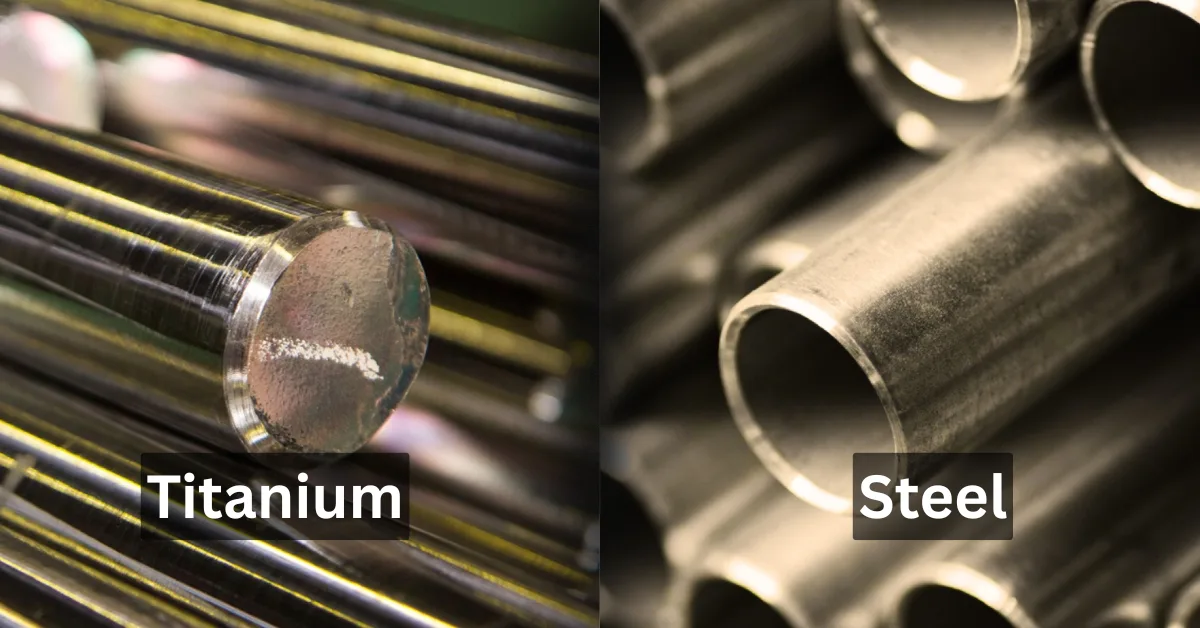
Material Hardness Reality Check Titanium vs Steel in Precision Manufacturing
The question “Is titanium harder than steel?” frequently arises in engineering discussions, yet the answer requires nuanced technical clarification. Titanium alloys like Ti-6Al-4V exhibit an annealed hardness of approximately 334–365 HV, while common structural steels such as AISI 4140 can reach 500+ HV when heat-treated. This distinction is critical because hardness directly impacts machinability, tool wear, and final part performance. Below is a comparative snapshot of representative alloys:
| Material | Typical Hardness (HV) | Key Machining Challenge |
|---|---|---|
| Ti-6Al-4V (Annealed) | 334–365 | Low thermal conductivity, work hardening |
| AISI 304 Stainless | 150–200 | Stringy chip formation, galling |
| AISI 4140 (Hardened) | 500+ | Abrasive tool wear, high cutting forces |
At Honyo Prototype, we engineer solutions for these exact material-specific challenges through advanced CNC machining. Our multi-axis milling and turning capabilities, paired with proprietary toolpath strategies and coolant-through spindle systems, ensure dimensional accuracy and surface integrity for both titanium and high-strength steels. We specialize in mitigating titanium’s tendency to gall and steel’s abrasive wear through optimized feed rates, rigid fixturing, and real-time thermal management—turning material complexities into repeatable production outcomes.
When your project demands precision with exotic alloys or hardened steels, leverage Honyo’s Online Instant Quote platform. Upload your STEP or IGES file to receive a detailed manufacturability analysis and competitive pricing within hours—not days—accelerating your path from prototype to production.
Technical Capabilities
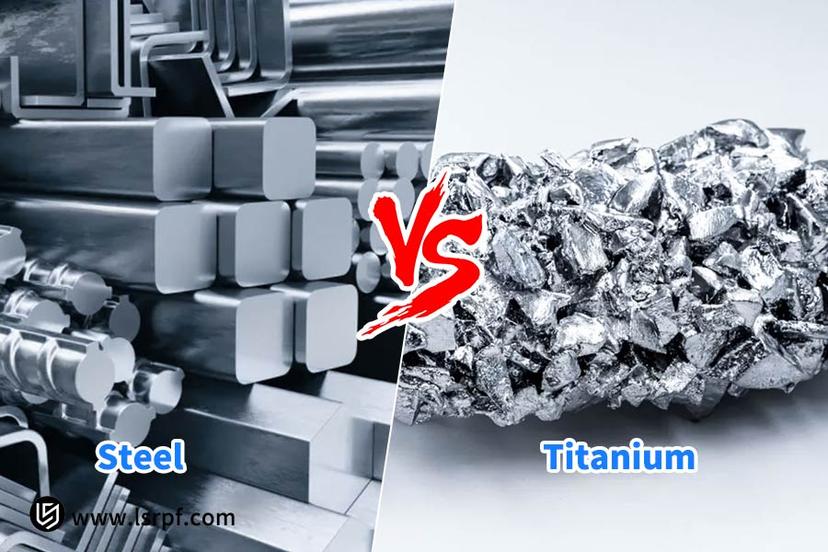
Titanium is not inherently harder than all types of steel, but its strength-to-density ratio and corrosion resistance make it a preferred material in high-performance applications such as aerospace, medical, and motorsports. When comparing hardness, certain grades of steel—particularly tool steels like HRC 60+—can be significantly harder than commercially pure or even alloyed titanium (e.g., Ti-6Al-4V). However, titanium’s high strength, low thermal conductivity, and tendency to work-harden present unique challenges in CNC machining processes, especially in 3/4/5-axis milling and turning operations requiring tight tolerances (±0.0005″ or better).
Machinability varies significantly across materials. Aluminum is the easiest to machine, offering high material removal rates and excellent surface finish. Steel, while more challenging than aluminum, is predictable and compatible with a wide range of tooling. ABS and nylon are non-metallic thermoplastics that require specialized cutting strategies due to low melting points and high elasticity. Titanium, although not the hardest material, demands rigid setups, sharp tooling, and conservative cutting parameters due to its low thermal conductivity and tendency to gall.
Below is a comparison of key technical characteristics relevant to CNC machining:
| Material | Typical Hardness (HB/HRC) | Machinability Rating | Thermal Conductivity (W/m·K) | Common Applications in CNC | Notes for 3/4/5-Axis Milling & Turning |
|---|---|---|---|---|---|
| Aluminum (6061-T6) | 95 HB | Excellent (Machinability: ~90%) | 167 | Prototypes, aerospace, enclosures | High MRR possible; sharp tools prevent built-up edge; ideal for complex 5-axis contours |
| Steel (4140 Annealed) | 200 HB (~19 HRC) | Moderate (Machinability: ~65%) | 42 | Structural components, tooling | Requires robust tooling; predictable chip formation; suitable for tight-tolerance turning |
| Titanium (Ti-6Al-4V) | 36 HRC (~340 HB) | Poor (Machinability: ~20-30%) | 6.7 | Aerospace, medical implants | Low thermal conductivity causes heat concentration; use sharp carbide tools, low feed rates, high spindle RPM; prone to work hardening |
| ABS (Thermoplastic) | 80-100 Shore D | Good | 0.19 | Prototyping, housings | Low melting point; requires sharp tools, high RPM, light cuts; avoid excessive clamping force |
| Nylon (PA6) | 70-80 Shore D | Moderate | 0.25 | Wear strips, gears | Elastic recovery requires over-dimension cutting; hygroscopic—dry before machining |
In tight-tolerance applications, thermal stability and tool wear are critical. Titanium requires frequent tool inspection due to rapid flank wear. Multi-axis operations must account for deflection and vibration, especially in deep pockets or thin walls. For all materials, proper workholding, coolant application (flood or through-spindle), and toolpath optimization (e.g., trochoidal milling) are essential to maintain dimensional accuracy and surface integrity.
From CAD to Part: The Process
Honyo Prototype employs a rigorously defined workflow to transform customer CAD files into precision-manufactured components, addressing material-specific considerations such as titanium versus steel hardness throughout the process. This structured approach ensures technical accuracy, manufacturability, and on-time delivery for prototyping and low-volume production.
Upon CAD file upload to our secure portal, our system initiates automated geometry validation and material specification analysis. When a customer references comparative material properties like titanium hardness versus steel in their inquiry or documentation, our platform flags this for immediate technical review. The system cross-references the specified material grade against ASTM/ISO standards and checks for potential conflicts between the design intent and inherent material characteristics. For instance, if a design specifies titanium but includes features requiring high surface hardness exceeding typical titanium alloys, this triggers a preliminary alert for deeper assessment during the DFM phase.
The AI-powered quoting engine then generates a preliminary cost and lead time estimate, dynamically incorporating material-specific machining parameters. Titanium alloys generally exhibit lower Vickers hardness (typically 250-350 HV for Ti-6Al-4V) compared to many tool steels (600-900+ HV) but higher than mild steels (120-200 HV). Crucially, our AI factors in titanium’s lower thermal conductivity and higher chemical reactivity, which significantly increase machining time and tooling costs versus steel—despite titanium’s lower absolute hardness. The quote explicitly details these cost drivers, including allowances for specialized tooling, reduced cutting speeds, and potential post-processing requirements unique to the selected material.
During the mandatory Design for Manufacturability (DFM) review, our engineering team conducts a granular technical assessment. Material hardness directly influences critical recommendations:
| Material Property | Typical Titanium Alloy (Ti-6Al-4V) | Typical Carbon Steel (AISI 1045) | Manufacturing Impact |
|---|---|---|---|
| Vickers Hardness (HV) | 250-350 | 150-200 (annealed) | Titanium requires sharper tools but less force; steel may need harder tool coatings |
| Machinability Rating | 30-40% of B1112 steel | 65-70% of B1112 steel | Titanium machining takes 30-50% longer, increasing cost per part |
| Tool Wear Mechanism | Adhesion, crater wear | Abrasive wear | Titanium demands rigid setups and strict chip evacuation protocols |
| Critical Feature Impact | Thin walls prone to chatter | Thread rolling more feasible | DFM may suggest geometry adjustments for titanium to prevent deflection |
Our DFM report explicitly addresses the hardness misconception: while certain hardened steels exceed titanium in absolute hardness, titanium’s strength-to-weight ratio and corrosion resistance often justify its use despite machining challenges. Recommendations include material substitution analysis (e.g., suggesting 17-4PH stainless steel for high-hardness applications needing moderate corrosion resistance), tolerance adjustments for titanium’s springback characteristics, and surface treatment options like nitriding for wear-critical steel components.
Approved designs enter production with material-specific process sheets. Titanium components undergo machining in dedicated cells with optimized parameters—lower SFM, higher feed rates, and strict coolant protocols to prevent galling. Steel parts utilize high-speed toolpaths with appropriate coatings. All critical dimensions undergo in-process CMM verification, with final hardness testing performed via certified Rockwell or Vickers methods per ASTM E10/E92 for customer validation. First-article inspection reports include actual hardness values at specified locations, directly answering the foundational material question with empirical data.
Components ship with comprehensive documentation including material test reports (MTRs), hardness verification data, and as-built dimensional certification. This closed-loop process transforms theoretical material questions into actionable manufacturing intelligence, ensuring customers receive not just parts, but validated technical solutions aligned with their functional requirements. Honyo’s integration of material science expertise within each workflow stage mitigates prototyping risks and accelerates path-to-production for demanding applications.
Start Your Project
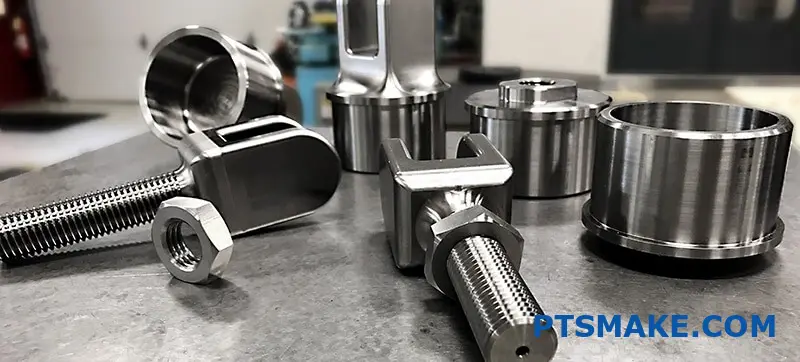
If you’re evaluating material options for your next project and need to know whether titanium is harder than steel, our engineering team at Honyo Prototype can provide detailed comparative analysis and material recommendations tailored to your application. While titanium offers superior strength-to-density ratio and excellent corrosion resistance, certain grades of steel can exhibit higher surface hardness depending on heat treatment and alloy composition.
For precise technical guidance and custom prototyping services using advanced materials, contact Susan Leo at [email protected]. Our manufacturing facility in Shenzhen supports rapid prototyping and low-volume production with strict quality control, ensuring optimal material performance for your design requirements.
🚀 Rapid Prototyping Estimator
Estimate rough cost index based on volume.