
Contents
Manufacturing Insight: Is Stainless Steel Galvanized
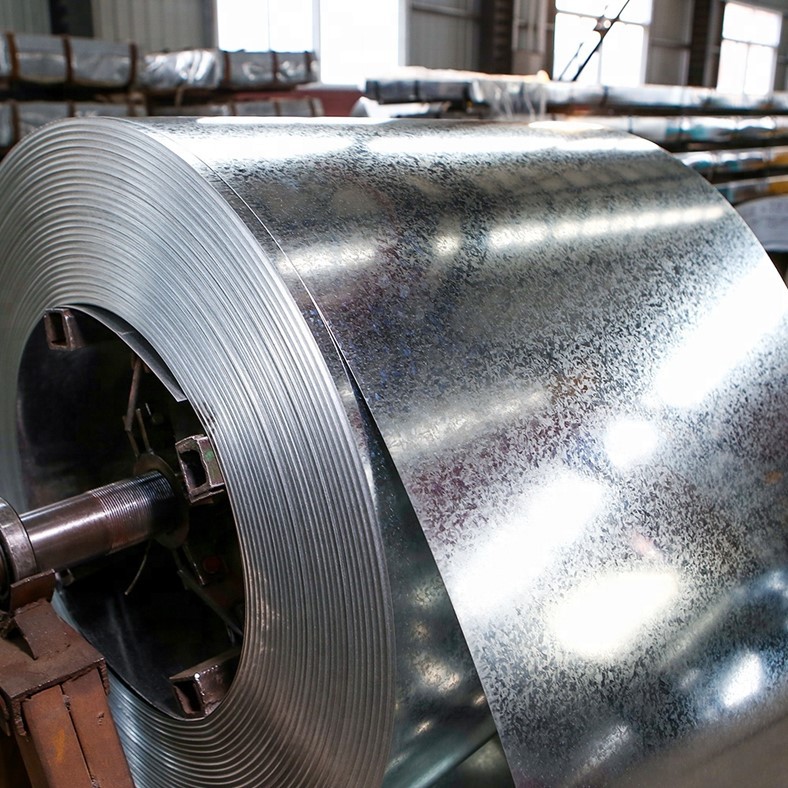
Understanding material properties is critical in precision manufacturing, particularly when addressing corrosion resistance. A frequent point of confusion involves the relationship between stainless steel and galvanization. Stainless steel is inherently corrosion-resistant due to its chromium content forming a passive oxide layer, making galvanization unnecessary and technically incompatible. Galvanization applies a zinc coating to carbon steel for protection, whereas stainless steel relies on its alloy composition. Attempting to galvanize stainless steel would be redundant and could compromise its integrity, as the zinc coating would not adhere properly to the passive layer.
Honyo Prototype specializes in high-precision CNC machining of corrosion-resistant alloys, including multiple grades of stainless steel such as 303, 304, and 17-4 PH. Our engineering team leverages advanced 3-, 4-, and 5-axis milling and turning centers to transform raw stainless billet into complex, mission-critical components for aerospace, medical, and industrial applications. We maintain strict ISO 9001:2015 controls over material traceability, dimensional accuracy, and surface finish to ensure parts perform reliably in demanding environments.
For engineers requiring rapid validation of stainless steel component manufacturability, Honyo provides an Online Instant Quote system. Upload your STEP or IGES file to receive a detailed technical assessment and competitive pricing within hours, not days. This platform integrates real-time material cost data, machine availability, and geometric complexity analysis to deliver accurate, actionable quotes—accelerating your prototyping and production timelines while eliminating estimation delays. Partner with Honyo to transform your stainless steel designs into precision-engineered reality.
Technical Capabilities
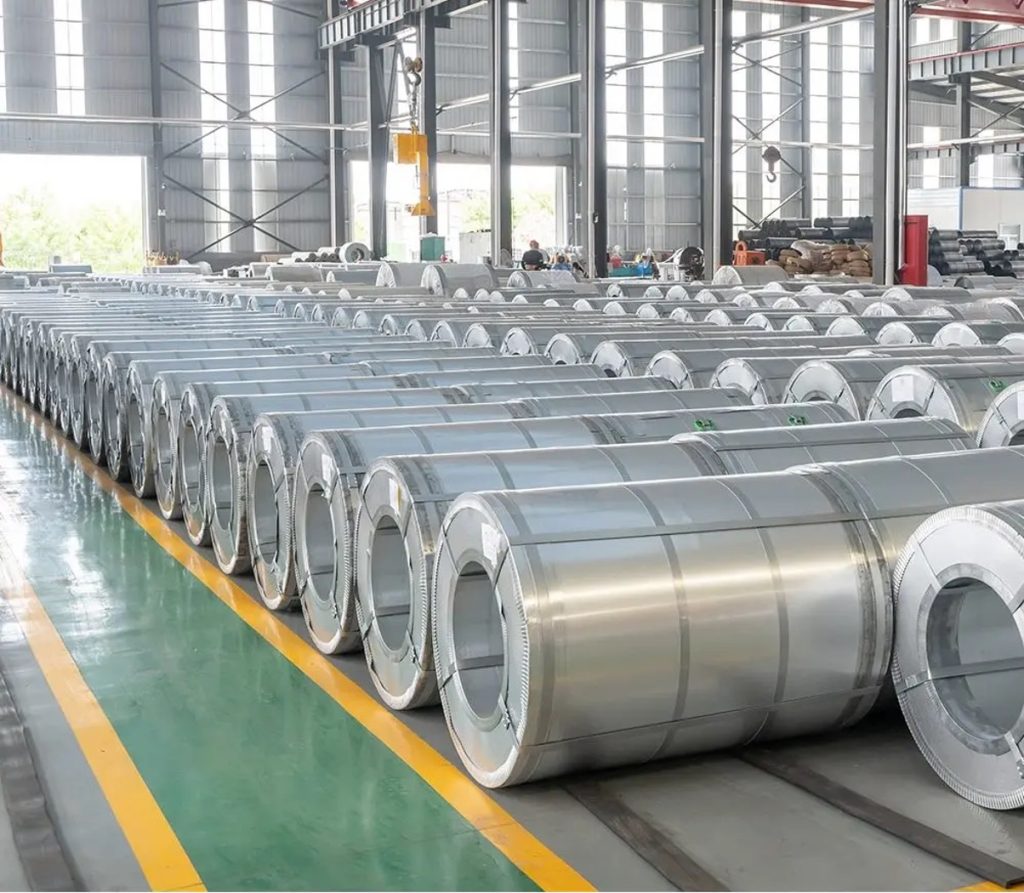
The phrase “is stainless steel galvanized” refers to a misunderstanding in materials engineering. Stainless steel is inherently corrosion-resistant due to its chromium content and does not require galvanization, which is a process typically applied to carbon steel involving a protective zinc coating. Galvanizing stainless steel is neither standard practice nor technically beneficial, as it offers no added protection and may compromise the material’s passive oxide layer.
Below are relevant technical specifications related to precision machining capabilities at Honyo Prototype, focusing on 3/4/5-axis milling and turning operations, with tight tolerance control across common engineering materials including Aluminum, Steel, ABS, and Nylon.
| Parameter | Specification |
|---|---|
| Machining Processes | 3-Axis, 4-Axis, and 5-Axis CNC Milling; CNC Turning (Swiss and Standard) |
| Tight Tolerance Capability | ±0.005 mm (±0.0002″) for critical features; Geometric tolerances per ISO 2768-m or customer-specified GD&T |
| Surface Finish (Milling) | Ra 0.8 µm (32 µin) standard; down to Ra 0.4 µm (16 µin) with fine finishing passes |
| Surface Finish (Turning) | Ra 1.6 µm (63 µin) standard; down to Ra 0.8 µm (32 µin) achievable |
| Maximum Work Envelope (5-Axis Milling) | 1000 mm × 600 mm × 500 mm (X×Y×Z) |
| Maximum Turning Diameter | 300 mm; up to 600 mm with extended capacity lathes |
| Spindle Speed (Milling) | Up to 24,000 RPM for high-speed aluminum and finishing operations |
| Positioning Accuracy (All Axes) | ±0.005 mm per 300 mm travel |
| Repeatability | ±0.002 mm |
Material-Specific Machining Performance:
Aluminum (e.g., 6061-T6, 7075-T6)
Aluminum is highly suited for high-speed 3–5-axis milling, enabling complex geometries with excellent surface finishes. Tight tolerances are consistently maintained due to low thermal expansion and high machinability. Ideal for aerospace and prototyping applications.
Steel (e.g., 4140, 1018, Stainless 303/304/17-4 PH)
Steel components are machined with carbide tooling under controlled feeds and speeds. While stainless steels (non-galvanized) are standard, carbon steels may be post-processed with galvanizing if specified—though this occurs off-site and after final CNC machining. Tight tolerance work in steel requires stress-relieved stock to prevent deformation.
ABS (Acrylonitrile Butadiene Styrene)
Easily machined in 3/4/5-axis configurations with sharp tooling to avoid edge melting. Tolerances to ±0.025 mm are typical. Used for functional prototypes and enclosures. Low thermal conductivity requires light cuts to minimize heat buildup.
Nylon (Polyamide, e.g., PA6, PA66)
Machined with precision tool paths to prevent deformation due to low stiffness. Slight moisture absorption may affect dimensional stability; therefore, final machining is performed post-conditioning when required. Tolerances maintained to ±0.05 mm with proper fixturing.
All machined components undergo first-article inspection (FAI) using CMM, optical comparators, and surface roughness testers to ensure compliance with drawing specifications. Honyo Prototype does not perform galvanization in-house, and stainless steel parts are delivered in their as-machined or passivated condition to preserve corrosion resistance.
From CAD to Part: The Process
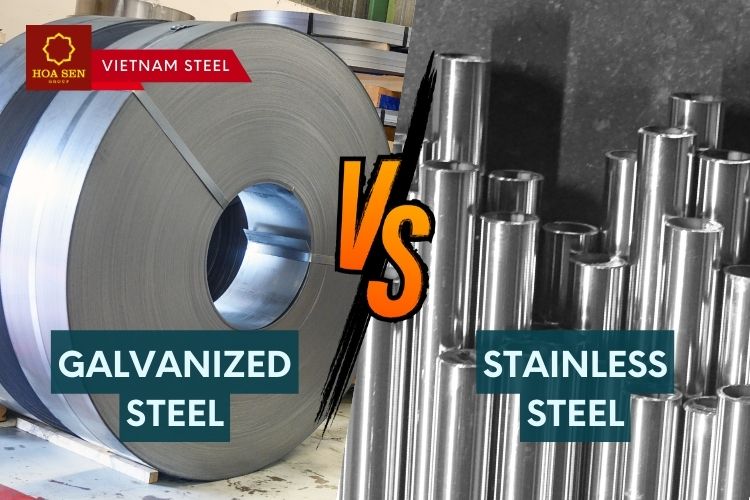
Material Clarification Regarding Stainless Steel and Galvanization
Honyo Prototype must first address a critical technical misconception: stainless steel is not galvanized. Galvanization applies a zinc coating to carbon steel to prevent corrosion, while stainless steel inherently resists corrosion through its chromium content (minimum 10.5%). Applying galvanization to stainless steel is neither standard nor recommended, as it provides no functional benefit and can cause adhesion issues or galvanic corrosion. Our process actively prevents this error through material validation at multiple stages.
Honyo’s Integrated Manufacturing Workflow
Upon receiving a CAD file, our system initiates a structured sequence designed to eliminate material misapplication. The CAD upload triggers automated geometry and material analysis. If stainless steel is specified, the AI Quote engine cross-references material databases to confirm compatibility with the requested finish. Crucially, if galvanization is erroneously requested for stainless steel, the AI flags this as a non-conformance and proposes technically valid alternatives (e.g., passivation for stainless or galvanization for carbon steel).
Design for Manufacturability (DFM) Validation
During DFM review, our engineering team conducts a granular assessment of material-finish alignment. For stainless steel components, we verify:
The grade (e.g., 304, 316) matches the environmental requirements
Surface treatments like electropolishing or passivation are applied instead of galvanization
Welding or heat treatment parameters avoid sensitization risks
This stage includes explicit client consultation if material-finish mismatches are detected, ensuring technical accuracy before production commitment.
Production Execution and Quality Assurance
Once material specifications are validated, production proceeds under strict process controls. For stainless steel parts:
No galvanization occurs; instead, corrosion resistance is enhanced via ASTM A967 passivation
Dimensional tolerances are maintained per ISO 2768-mK
Final inspection includes salt spray testing (per ASTM B117) to verify corrosion performance
Galvanization is exclusively reserved for carbon steel components, applied via hot-dip or electro-galvanizing per ASTM A123/A153.
Material Selection Reference Table
The following table clarifies appropriate finishing processes for common materials:
| Material Type | Standard Corrosion Protection | Incompatible Processes | Honyo Validation Checkpoint |
|---|---|---|---|
| Stainless Steel | Passivation, Electropolishing | Galvanization | AI Quote & DFM |
| Carbon Steel | Galvanization, Powder Coating | Passivation alone | DFM |
| Aluminum | Anodizing | Galvanization | AI Quote |
Delivery Assurance
All deliverables include material certification (e.g., Mill Test Reports) and process validation documentation. For stainless steel components, certificates explicitly state the applied finish (e.g., “ASTM A967 Passivated”) with no reference to galvanization. This ensures traceability and compliance with industry standards, preventing field failures due to material-process mismatches. Honyo’s workflow inherently safeguards against incorrect galvanization requests for stainless steel through systematic technical validation at every phase.
Start Your Project

If you’re wondering whether stainless steel is galvanized, the answer depends on the specific application and corrosion protection requirements. While stainless steel inherently resists rust due to its chromium content, it is generally not galvanized, as the galvanizing process—typically involving a zinc coating—is more commonly applied to carbon steel. However, in specialized cases where additional protection is needed, hybrid methods or supplementary coatings may be considered.
For expert guidance on material selection and finishing processes for your custom fabrication projects, contact Susan Leo at [email protected]. Honyo Prototype operates a state-of-the-art manufacturing facility in Shenzhen, offering precision metalworking, prototyping, and production services with strict quality control and fast turnaround times.
🚀 Rapid Prototyping Estimator
Estimate rough cost index based on volume.