
Contents
Manufacturing Insight: Is Cnc A Good Career
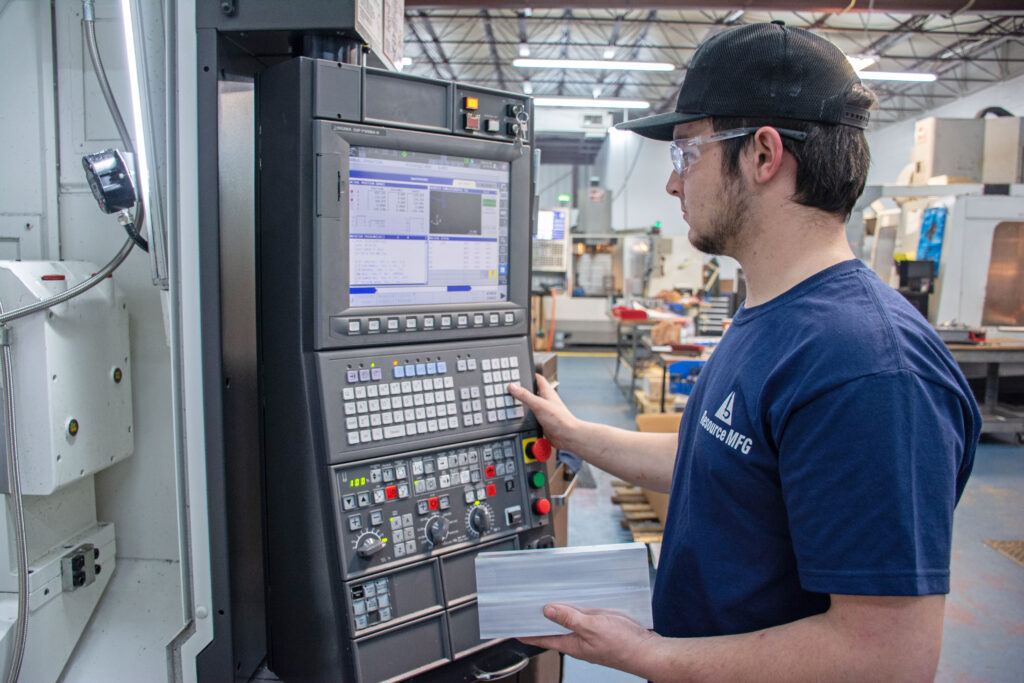
Evaluating CNC Machining as a Strategic Career Path with Honyo Prototype
The question of whether CNC machining represents a viable and rewarding career choice requires analysis of industry trajectory, technological evolution, and employer commitment to professional development. As a cornerstone of modern precision manufacturing, CNC technology continues to drive innovation across aerospace, medical, automotive, and defense sectors, creating sustained demand for skilled operators, programmers, and engineers. Career longevity in this field is reinforced by the irreplaceable role of human expertise in optimizing complex multi-axis systems, implementing advanced metrology protocols, and solving critical production challenges that automation alone cannot resolve.
At Honyo Prototype, we actively shape this career landscape through our commitment to high-mix, low-volume precision machining capabilities. Our facility leverages state-of-the-art 5-axis milling, multi-axis turning, and Swiss screw machining centers to produce mission-critical components where tolerances demand micron-level accuracy. This environment provides technicians and engineers with exposure to intricate geometries, exotic alloys, and stringent quality management systems—experiences that directly translate to accelerated skill development and career advancement. Professionals choosing CNC machining today engage with evolving technologies like in-process probing, adaptive toolpath strategies, and integrated CAD/CAM workflows, ensuring their expertise remains relevant amid Industry 4.0 transformations.
Honyo Prototype further supports industry growth through accessible engineering resources, including our Online Instant Quote platform. This digital solution allows designers and procurement teams to rapidly assess manufacturability and cost parameters for complex CNC projects, demonstrating how modern service providers streamline collaboration between design innovation and production execution. For career-focused individuals, such tools underscore the industry’s shift toward data-driven decision-making—a competency increasingly valued in senior technical roles.
The convergence of technological sophistication, sector-wide demand for precision components, and forward-thinking employer practices confirms CNC machining as a resilient career pathway. At Honyo Prototype, we invest not only in cutting-edge machinery but in the engineers and machinists who transform digital designs into tangible solutions—proving that expertise in this field remains both strategically essential and professionally rewarding.
Technical Capabilities
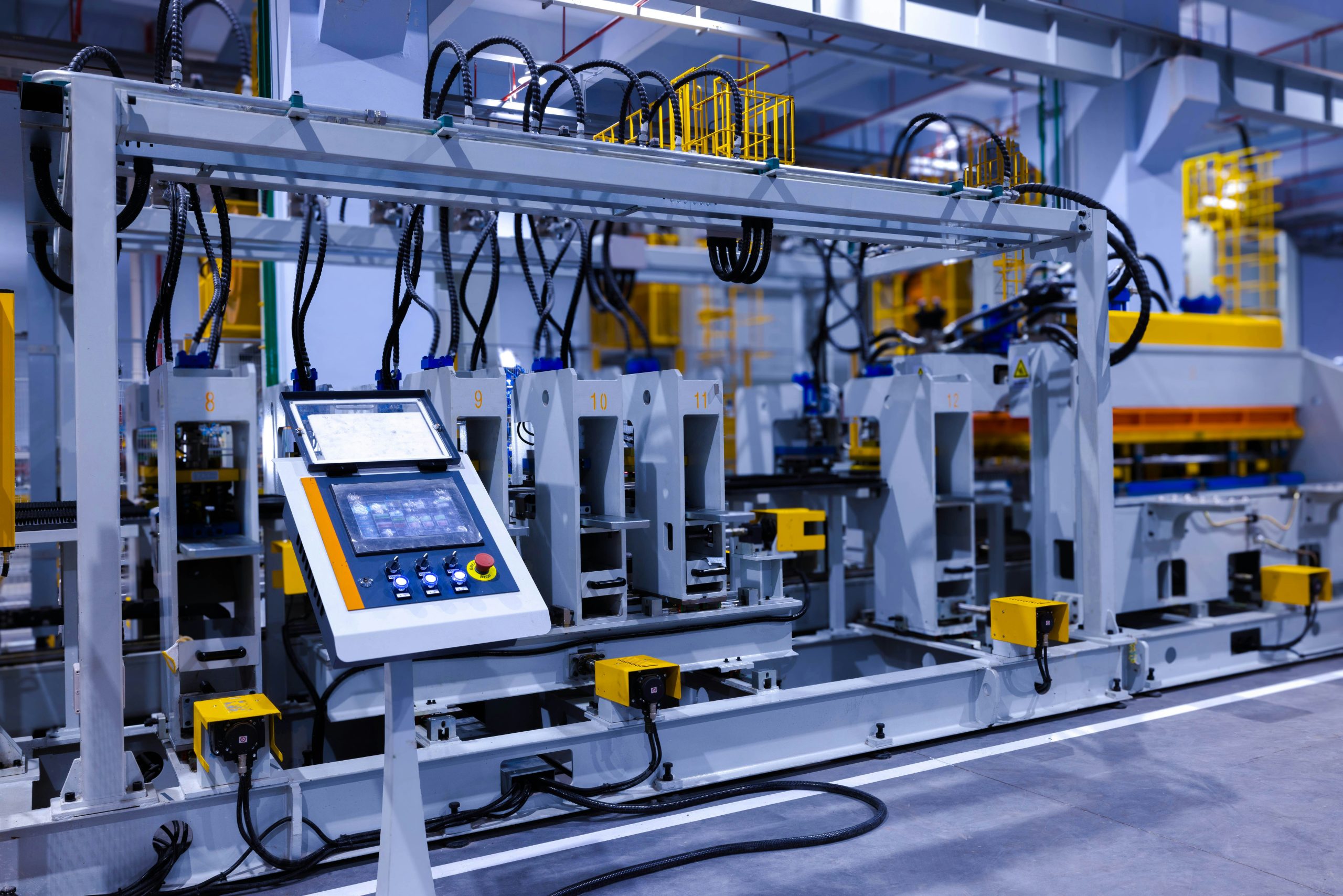
CNC machining remains a highly viable and technically demanding career path, particularly for professionals skilled in 3-, 4-, and 5-axis milling, CNC turning, and tight-tolerance manufacturing. This role requires deep knowledge of machine capabilities, tooling, workholding, and material behavior to produce precision components across industries such as aerospace, medical, automotive, and defense. Below is a technical overview of key aspects relevant to a CNC machining career, with emphasis on multi-axis capabilities, materials, and precision requirements.
| Parameter | 3-Axis Milling | 4-Axis Milling | 5-Axis Milling | CNC Turning | Tight Tolerance Capability |
|---|---|---|---|---|---|
| Motion Axes | X, Y, Z linear axes | X, Y, Z + A (rotary around X) | X, Y, Z + A and B (or C) rotary axes | X (radial), Z (axial) | All configurations |
| Typical Applications | Flat parts, prismatic features | Indexing operations, drilled holes on sides | Complex contours, organic shapes, aerospace components | Cylindrical parts, shafts, bushings | Critical components (e.g., medical implants, fuel systems) |
| Positioning Accuracy | ±0.001″ (0.025 mm) | ±0.001″ (0.025 mm) | ±0.0005″ (0.0127 mm) | ±0.0005″ (0.0127 mm) | ±0.0002″ (0.005 mm) achievable |
| Repeatability | ±0.0005″ (0.0127 mm) | ±0.0005″ (0.0127 mm) | ±0.0002″ (0.005 mm) | ±0.0002″ (0.005 mm) | ±0.0001″ (0.0025 mm) with calibration |
| Spindle Speed Range | 5,000 – 15,000 RPM | 6,000 – 18,000 RPM | 8,000 – 20,000 RPM | 1,500 – 6,000 RPM (steel), up to 12,000 RPM (aluminum) | High-speed spindles for finish |
| Tool Holders | CAT-40, BT-30, HSK-63 | CAT-40, HSK-A63 | HSK-A63, HSK-C40 with high rigidity | ER collets, hydraulic chucks | High-precision shrink fit holders |
| Common Materials | Aluminum 6061, 7075; Steel 1018, 4140; ABS; Nylon | Same as 3-axis, with angular access | Same, plus titanium, Inconel | Aluminum, Steel, Stainless, Plastics | All materials with strict control |
| Aluminum Machining | High feed rates, climb milling, coolant | Indexing for side features | Simultaneous toolpath for complex forms | High RPM, sharp tools, peck drilling | Burr-free finishes, ±0.0005″ control |
| Steel Machining | Lower RPM, rigid setups, carbide tools | Extended reach tooling for 4th axis | Interpolation with tilt for undercuts | Hard turning with CBN inserts | Geometric tolerances (GD&T) critical |
| ABS & Nylon Machining | Low melting point, sharp tools, low heat | Use of vacuum or soft jaws | 5-axis contouring for enclosures | Limited (not typical for turning) | Dimensional stability challenges |
| Surface Finish (Typical) | 32–125 μin Ra | 32–63 μin Ra | 16–32 μin Ra with polishing passes | 16–63 μin Ra | <16 μin Ra with fine tooling |
| Metrology Tools | Micrometers, calipers, CMM | CMM, probing, optical comparators | 5-axis CMM, laser scanning | OD/ID micrometers, roundness testers | Air gages, vision systems, CMM |
Career viability in CNC is strengthened by the increasing demand for high-precision, complex components in advanced manufacturing. Expertise in programming (G-code, CAM software such as Mastercam, Fusion 360, or NX), machine calibration, thermal compensation, and process optimization directly impacts success in this field. Professionals who master multi-axis strategies and tight-tolerance techniques—particularly when working with challenging materials like hardened steels or composites—position themselves for long-term growth in advanced manufacturing roles.
From CAD to Part: The Process
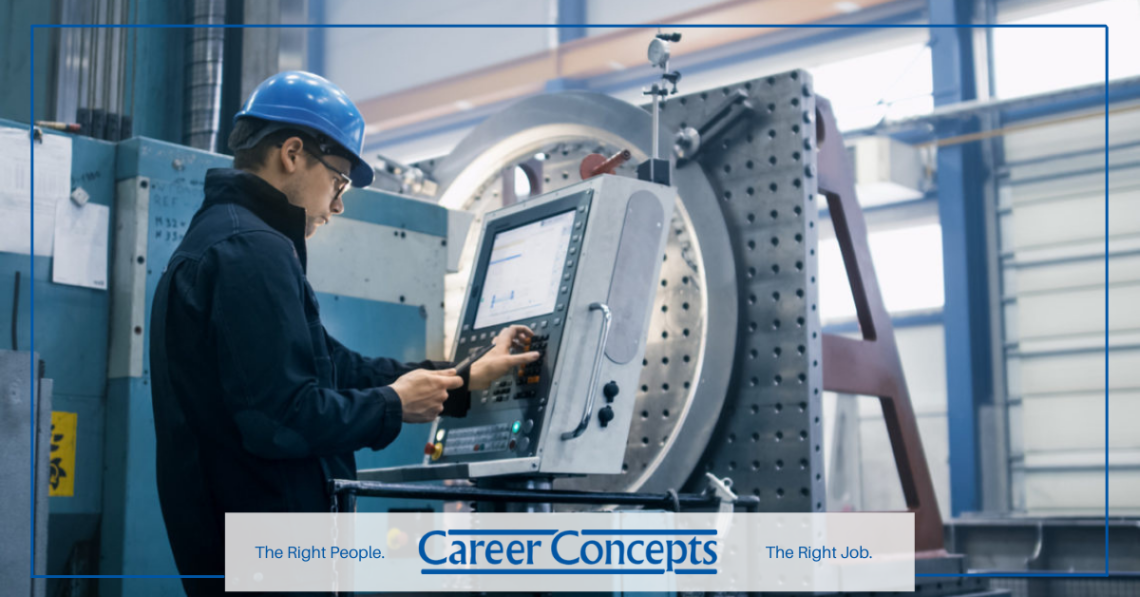
Honyo Prototype operates as a precision manufacturing partner for engineering and product development teams, not a career advisory service. Our core process focuses exclusively on rapid, high-integrity part production. The sequence you referenced describes our technical workflow for prototype and low-volume production orders, not career assessment. Below is a precise explanation of this manufacturing process and its relevance to engineering professionals evaluating CNC machining as a discipline.
CAD File Upload and System Integration
Clients initiate the process by uploading native or neutral CAD formats (STEP, IGES, Parasolid) to our secure platform. Our system automatically validates geometric integrity and extracts critical manufacturing parameters. This step ensures design compatibility with CNC machining capabilities before formal quoting, reducing downstream errors. For engineers, this phase demonstrates the foundational skill requirement: fluency in CAD systems and geometric dimensioning is non-negotiable in modern CNC roles.
AI-Powered Quoting Engine
Our proprietary AI analyzes the validated CAD model against real-time machine capacity, material costs, tooling requirements, and historical process data. The algorithm generates a technically accurate quote within minutes, including cost drivers and lead time variables. This transparency allows design teams to iterate rapidly. From a career perspective, this highlights the industry shift toward data-driven manufacturing—CNC professionals must now interpret algorithmic outputs and optimize for digital workflows, not just manual machine operation.
Engineering-Led DFM Analysis
Following quote acceptance, our manufacturing engineers perform rigorous Design for Manufacturability review. Unlike automated checks, this phase involves human expertise to identify:
Unmachinable features (e.g., internal radii smaller than tool diameters)
Cost-impacting tolerances exceeding functional needs
Suboptimal material choices for the geometry
Fixturing challenges affecting precision
We provide actionable redesign suggestions with technical justification. For aspiring CNC engineers, this stage underscores the critical value of cross-disciplinary knowledge—understanding both design intent and process physics separates technicians from advanced manufacturing engineers.
Precision CNC Production
Approved designs move to our climate-controlled facility where:
Multi-axis mills and lathes execute G-code generated from validated toolpaths
In-process inspections via integrated probes verify critical dimensions
Material traceability is maintained through blockchain-secured logs
Real-time machine monitoring detects tool wear anomalies
This execution phase exemplifies why CNC remains a high-value career path: it demands mastery of evolving technologies (5-axis, mill-turn, automation integration) while requiring constant problem-solving under tight tolerances.
Quality-Controlled Delivery
Every shipment includes:
First-article inspection reports (FAIR) with CMM data
Material certification documentation
Dimensional conformance summary against original GD&T
Packaging engineered for part protection during transit
Reliable delivery of precision components reinforces CNC machining as a career with tangible output—engineers directly impact product success through measurable quality outcomes.
Professional Context for Career Evaluation
While Honyo does not assess career viability, our process reveals why CNC machining remains strategically vital:
The industry increasingly requires hybrid skills—combining traditional machining expertise with AI tool literacy, data analysis, and DFM collaboration. Automation handles repetitive tasks, elevating human roles toward engineering oversight and complex problem resolution. For professionals, this translates to career longevity with clear advancement paths into manufacturing engineering, process optimization, or technical sales. Compensation and demand remain strong globally, particularly for engineers who bridge design and production. Those entering the field should prioritize certifications in multi-axis machining and CAM software, coupled with foundational mechanical engineering knowledge.
This workflow demonstrates Honyo’s commitment to de-risking prototype manufacturing for our clients. The technical depth required across each phase validates CNC as a dynamic engineering career—not merely an operational role—when pursued with continuous upskilling.
Start Your Project
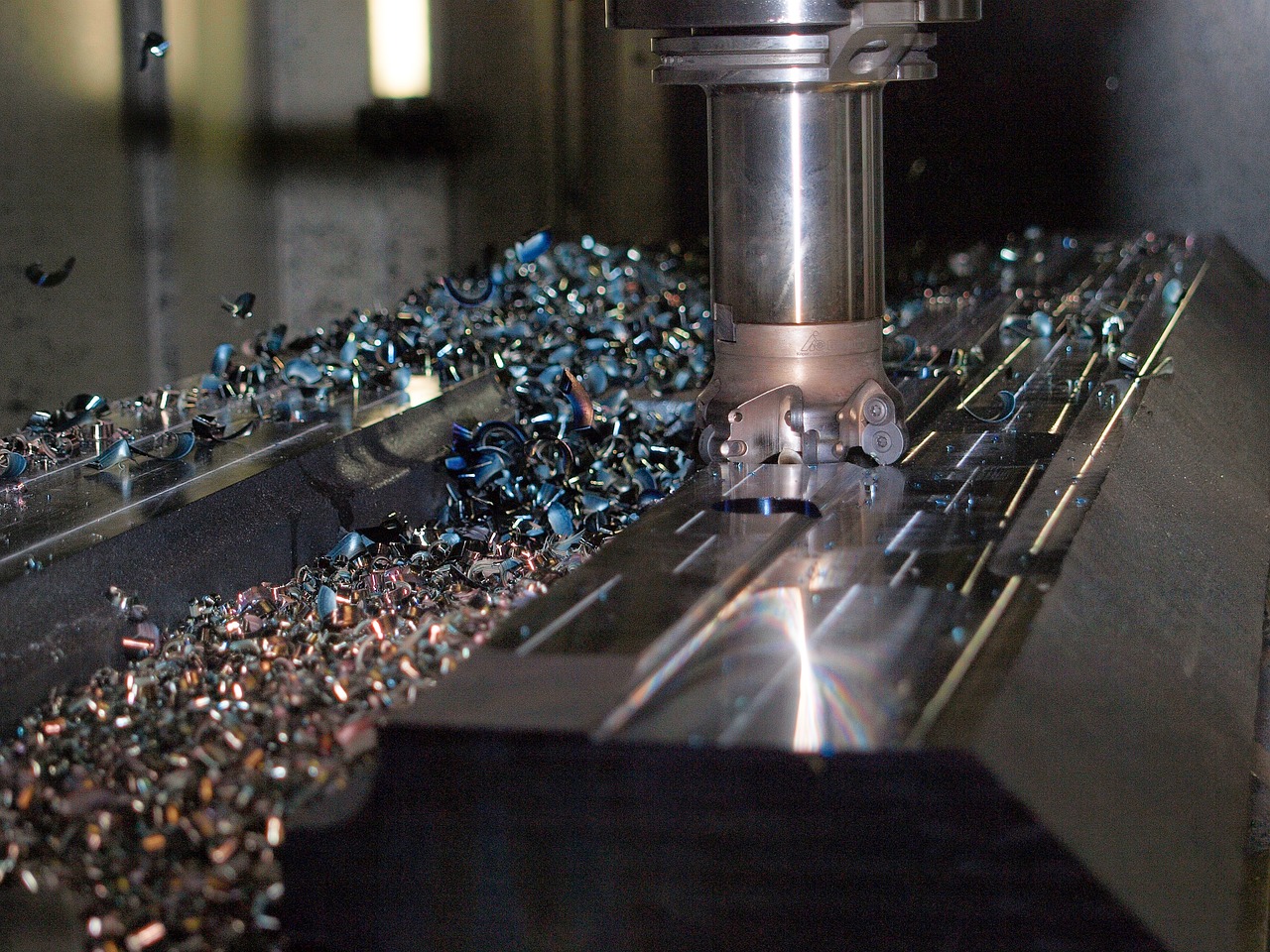
Considering a career in CNC? It’s a growing field with strong demand for skilled professionals, especially in advanced manufacturing hubs like Shenzhen. At Honyo Prototype, we combine precision CNC machining with innovative engineering, offering hands-on opportunities for those passionate about manufacturing technology.
If you’re exploring career options or seeking guidance on entering the CNC industry, reach out to Susan Leo. She can provide insights into industry trends, required skills, and potential pathways in the field.
Contact Susan Leo at [email protected] to learn more. Our manufacturing facility is based in Shenzhen, supporting global clients with high-quality rapid prototyping and low-volume production services.
🚀 Rapid Prototyping Estimator
Estimate rough cost index based on volume.