
Contents
Manufacturing Insight: Is Cast Iron Or Stainless Steel Better
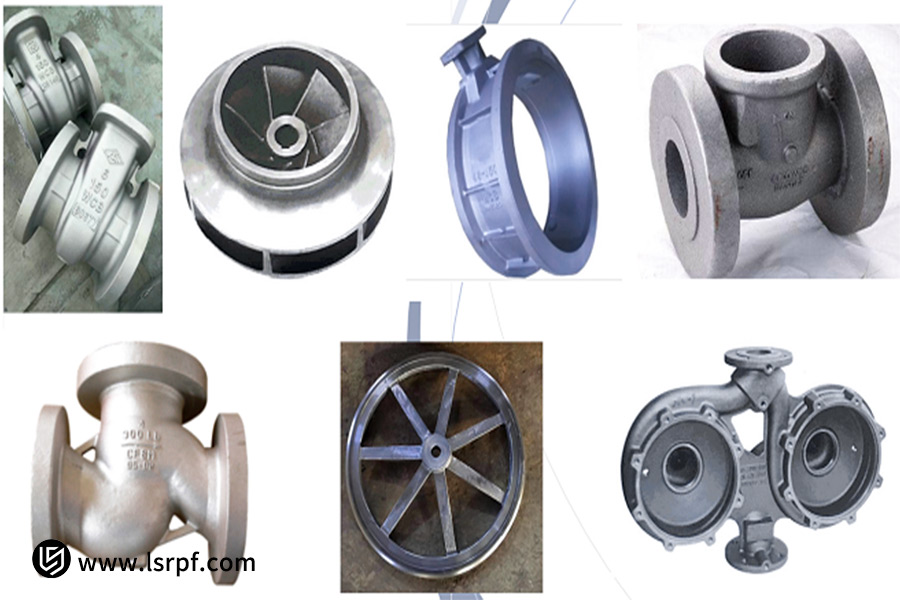
Selecting between cast iron and stainless steel is a critical engineering decision that directly impacts part performance, manufacturability, and total project cost in precision manufacturing. The optimal choice hinges on specific application requirements including mechanical load, corrosion exposure, thermal stability, damping needs, and dimensional tolerance demands. At Honyo Prototype, we understand that material selection is inseparable from machining capability; cast iron’s exceptional damping and wear resistance present unique challenges like abrasive tool wear, while stainless steel’s work-hardening tendencies and lower thermal conductivity demand precise CNC process control to avoid part distortion and surface integrity issues.
Our advanced CNC machining services, featuring multi-axis milling and turning centers with sub-micron positioning accuracy, are engineered to overcome the inherent complexities of both materials. Honyo’s manufacturing engineers leverage deep metallurgical knowledge to optimize cutting parameters, tooling strategies, and fixturing for each alloy—whether machining 304/316 stainless steel’s gummy swarf or managing cast iron’s graphite-induced tool erosion. This material-specific expertise ensures we deliver components meeting stringent aerospace, medical, and industrial specifications without compromising lead times or cost efficiency.
Partner with Honyo Prototype to transform your material selection into a competitive advantage. We provide actionable insights during the quoting phase to align material properties with your functional requirements, ensuring manufacturability from day one. Begin your precision machining project immediately with our Online Instant Quote system, which delivers detailed cost and lead time estimates within hours—backed by engineering validation to confirm feasibility before you commit.
Technical Capabilities
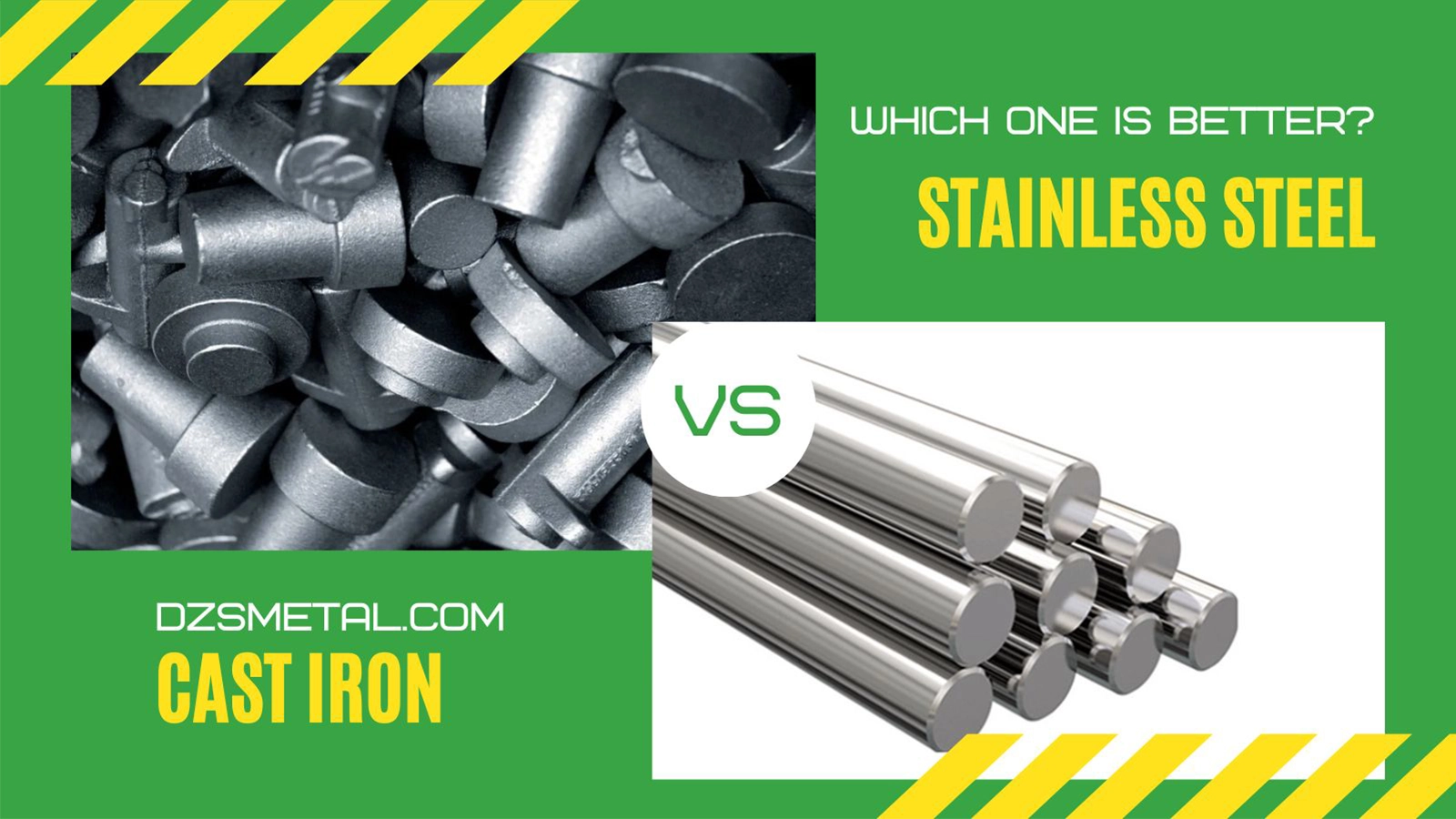
When evaluating whether cast iron or stainless steel is better for machine tool construction—particularly in the context of 3/4/5-axis milling, turning, and tight-tolerance manufacturing—the decision hinges on mechanical properties that affect rigidity, damping, thermal stability, and long-term accuracy. Both materials are commonly used in high-end CNC machine bases, columns, and critical structural components, but they serve different design priorities. Below is a comparison focused on performance in precision machining environments, with reference to workpiece materials such as aluminum, steel, ABS, and nylon.
| Property | Cast Iron (e.g., Meehanite FC300) | Stainless Steel (e.g., 304/316 Structural) |
|---|---|---|
| Damping Capacity | Excellent – absorbs vibrations up to 10x better than steel | Poor to moderate – lower internal damping leads to chatter risk |
| Stiffness (Young’s Modulus) | ~110–140 GPa | ~190–200 GPa – higher inherent stiffness |
| Thermal Conductivity | ~50 W/m·K – moderate heat dissipation | ~15 W/m·K – slower heat transfer, risk of thermal gradients |
| Thermal Expansion | ~10–12 µm/m·°C | ~16–18 µm/m·°C – higher expansion affects precision |
| Machinability (of Base) | Good for casting and precision scraping | Poorer – harder to machine, weld, and stress-relieve |
| Weight (Density) | ~7.2 g/cm³ – heavier, improves stability | ~8.0 g/cm³ – slightly denser but less mass due to design |
| Corrosion Resistance | Poor – requires paint or coating | Excellent – ideal in harsh or washdown environments |
| Long-Term Stability | Excellent – naturally aged, minimal creep | Good – but requires careful stress-relieving post-weld |
| Use in 3/4/5-Axis Milling | Preferred – superior damping enhances surface finish and tool life | Used in specialty machines; requires structural compensation for vibration |
| Use in Turning Centers | Standard in high-precision lathes – reduces chatter during interrupted cuts | Less common; used in cleanroom or chemical environments |
| Impact on Tight Tolerances | Superior – stable platform supports ±0.0001″ (2.5 µm) tolerances | Possible, but demands advanced compensation systems |
| Suitability for Workpiece Materials | Ideal for steel, aluminum, and high-speed finishing of ABS/nylon due to vibration control | Acceptable, but may require active damping when machining light materials like ABS at high RPM |
Technical Notes:
Cast iron remains the dominant material for high-precision CNC machine beds and frames due to its exceptional damping characteristics, which directly improve surface finish and dimensional accuracy—especially critical when holding tight tolerances in aluminum aerospace components or precision steel molds. The high damping reduces resonance during high-speed 5-axis milling operations, minimizing tool wear and part scrap.
Stainless steel structures are typically selected for specialized environments—such as medical device manufacturing or cleanrooms—where corrosion resistance and hygiene are paramount. However, the lower damping and higher thermal expansion necessitate advanced design strategies like tuned mass dampers, finite element analysis (FEA)-optimized frames, and real-time thermal compensation systems.
For machining common materials:
Aluminum: High-speed milling benefits from cast iron’s vibration absorption to prevent chatter marks.
Steel (hardened/tool steels): Heavy cuts generate significant forces; cast iron’s damping maintains tool edge integrity.
ABS & Nylon: Though lighter materials, high-RPM finishing operations are sensitive to machine vibrations—cast iron provides superior stability.
In conclusion, cast iron is technically superior for 3/4/5-axis milling and turning applications requiring tight tolerances, primarily due to its damping performance and dimensional stability. Stainless steel is a niche alternative, justified only when environmental or regulatory factors outweigh dynamic performance needs.
From CAD to Part: The Process
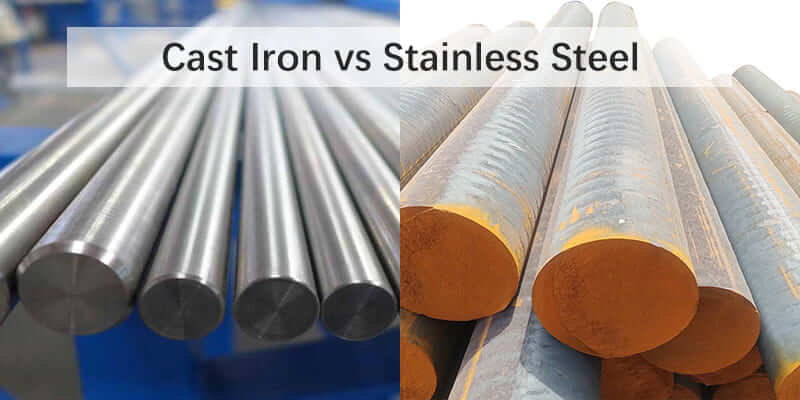
Honyo Prototype’s material evaluation process for cast iron versus stainless steel is integrated into our end-to-end workflow, ensuring technical suitability drives material selection rather than generic assumptions. This structured approach occurs within the defined stages of your project lifecycle, beginning at CAD upload and culminating in delivery.
Upon CAD file upload, our AI Quote engine performs initial material feasibility analysis. The system parses geometric features, tolerances, and surface finish requirements to identify critical constraints. For instance, thin-walled sections or complex internal cavities may trigger automatic flags for cast iron due to its lower fluidity and higher shrinkage risk during solidification compared to stainless steel alloys. Simultaneously, the AI cross-references your specified operational environment—such as exposure to corrosive agents or elevated temperatures—against material property databases. If the CAD metadata indicates marine or chemical processing use, stainless steel grades like 316L are prioritized in preliminary scoring, while cast iron recommendations are suppressed unless cost sensitivity overrides corrosion resistance needs.
The DFM phase is where material selection undergoes rigorous engineering validation. Our manufacturing team conducts a dual-path analysis:
For cast iron (e.g., ASTM A48 Class 30), we evaluate mold complexity, required draft angles, and potential for hot tearing in intricate geometries. Machining allowances are adjusted upward by 15-20% compared to stainless steel due to graphite-induced tool wear.
For stainless steel (e.g., ASTM A743 CF8M), we assess weldability of thin sections, thermal distortion risks during heat treatment, and the feasibility of achieving Ra 0.8 µm surface finishes without secondary operations.
This stage generates a comparative technical assessment report, highlighting tradeoffs specific to your part. Below is a distilled summary of key decision factors we evaluate:
| Factor | Cast Iron Advantage | Stainless Steel Advantage | Honyo Decision Trigger |
|---|---|---|---|
| Material Cost | 30-40% lower raw material cost | Higher cost offset by longer service life | Cost-sensitive non-critical components |
| Machinability | Excellent for rough cuts; poor for fine features | Consistent across operations; requires carbide tools | Complex geometries with tight tolerances (<±0.1mm) |
| Corrosion Resistance | Requires coating; fails in acidic/alkaline environments | Inherent resistance; suitable for pH 2-12 exposure | Uncoated parts in wet/corrosive environments |
| Thermal Stability | Higher thermal mass; resists deformation up to 400°C | Maintains strength up to 800°C; lower thermal expansion | High-temperature static applications (>500°C) |
| Production Lead Time | Shorter melting cycles; 20% faster initial casting | Longer heat treatment; 15% slower machining | Time-constrained projects with simple geometries |
During Production, our foundry and fabrication teams execute the material-specific process plan validated in DFM. Cast iron parts undergo controlled cooling in sand molds with riser optimization to minimize shrinkage cavities, while stainless steel castings receive argon-shielded welding for critical joints and solution annealing to prevent carbide precipitation. Real-time in-process inspections verify material integrity—spectrographic analysis for alloy composition in stainless steel, ultrasonic testing for porosity in cast iron sections exceeding 25mm thickness.
Delivery includes comprehensive material certification. For cast iron, we provide ASTM E18 hardness reports and ISO 945 microstructure verification. Stainless steel deliveries include PMI (Positive Material Identification) certificates and ASTM A262 intergranular corrosion test results where applicable. Crucially, our final documentation specifies why the selected material outperformed alternatives for your exact application—not based on catalog assumptions but on the geometric and operational parameters in your uploaded CAD model. This ensures you receive not just a part, but a technically justified solution validated through our integrated engineering workflow.
Start Your Project
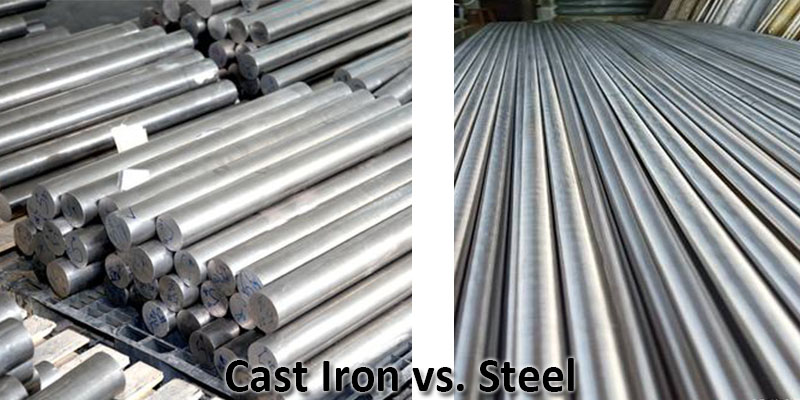
When evaluating whether cast iron or stainless steel is better for your application, material properties such as heat retention, corrosion resistance, weight, and manufacturing requirements must be carefully considered. Cast iron offers excellent thermal mass and durability, making it ideal for high-temperature environments, while stainless steel provides superior corrosion resistance, a cleaner aesthetic, and lighter weight—advantageous in precision and hygienic applications.
For expert guidance tailored to your specific manufacturing needs, contact Susan Leo at [email protected]. With our advanced production facility located in Shenzhen, Honyo Prototype delivers high-quality material consultation, rapid prototyping, and scalable manufacturing solutions to meet your project’s performance and timeline demands.
🚀 Rapid Prototyping Estimator
Estimate rough cost index based on volume.