
Contents
Manufacturing Insight: Is Aluminum Metallic
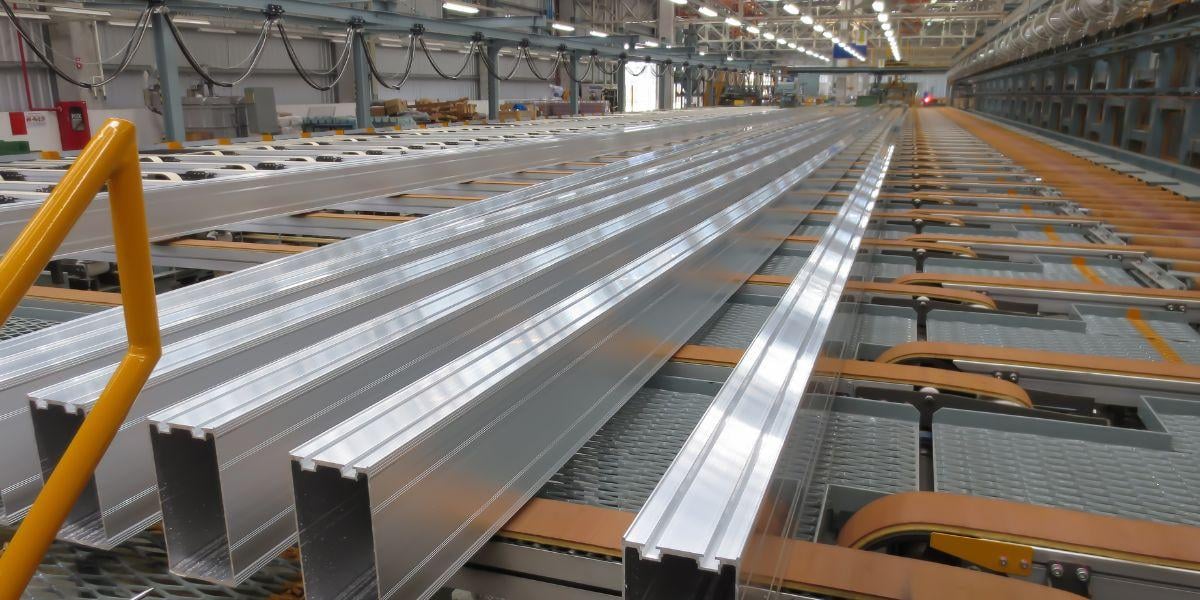
Understanding Aluminum’s Metallic Properties and Honyo Prototype’s Precision Fabrication Capabilities
Aluminum is unequivocally a metal, classified as a lightweight, non-ferrous metallic element with high electrical and thermal conductivity, excellent strength-to-weight ratio, and inherent corrosion resistance due to its protective oxide layer. Its metallic crystalline structure enables exceptional formability, weldability, and machinability—critical attributes for demanding industrial applications ranging from aerospace components to medical device enclosures. At Honyo Prototype, we leverage these intrinsic metallic properties to deliver industry-leading sheet metal fabrication services tailored for rapid prototyping and low-to-mid volume production.
Our advanced sheet metal capabilities include precision laser cutting, CNC punching, multi-axis bending, robotic welding, and surface finishing for aluminum alloys such as 5052, 6061, and 7075. We optimize each process to address aluminum’s unique thermal expansion and work-hardening characteristics, ensuring dimensional accuracy within ±0.05mm and repeatable structural integrity. Unlike competitors who treat aluminum as a generic material, our engineering team applies metallurgical expertise to prevent common pitfalls like warping during fabrication or galvanic corrosion in assembly.
For engineers requiring accelerated development cycles, Honyo Prototype’s Online Instant Quote platform provides real-time cost and lead-time estimation for sheet metal projects. Upload your STEP or DXF files to receive a technically validated quote in under 60 seconds, with options to specify alloy grades, tolerances, and secondary operations. This integration of material science and digital manufacturing efficiency eliminates quoting bottlenecks while maintaining rigorous quality standards under ISO 9001 certification.
Partner with Honyo Prototype to transform aluminum’s metallic advantages into precision-engineered solutions, backed by responsive engineering support and seamless digital workflow integration from prototype to production.
Technical Capabilities
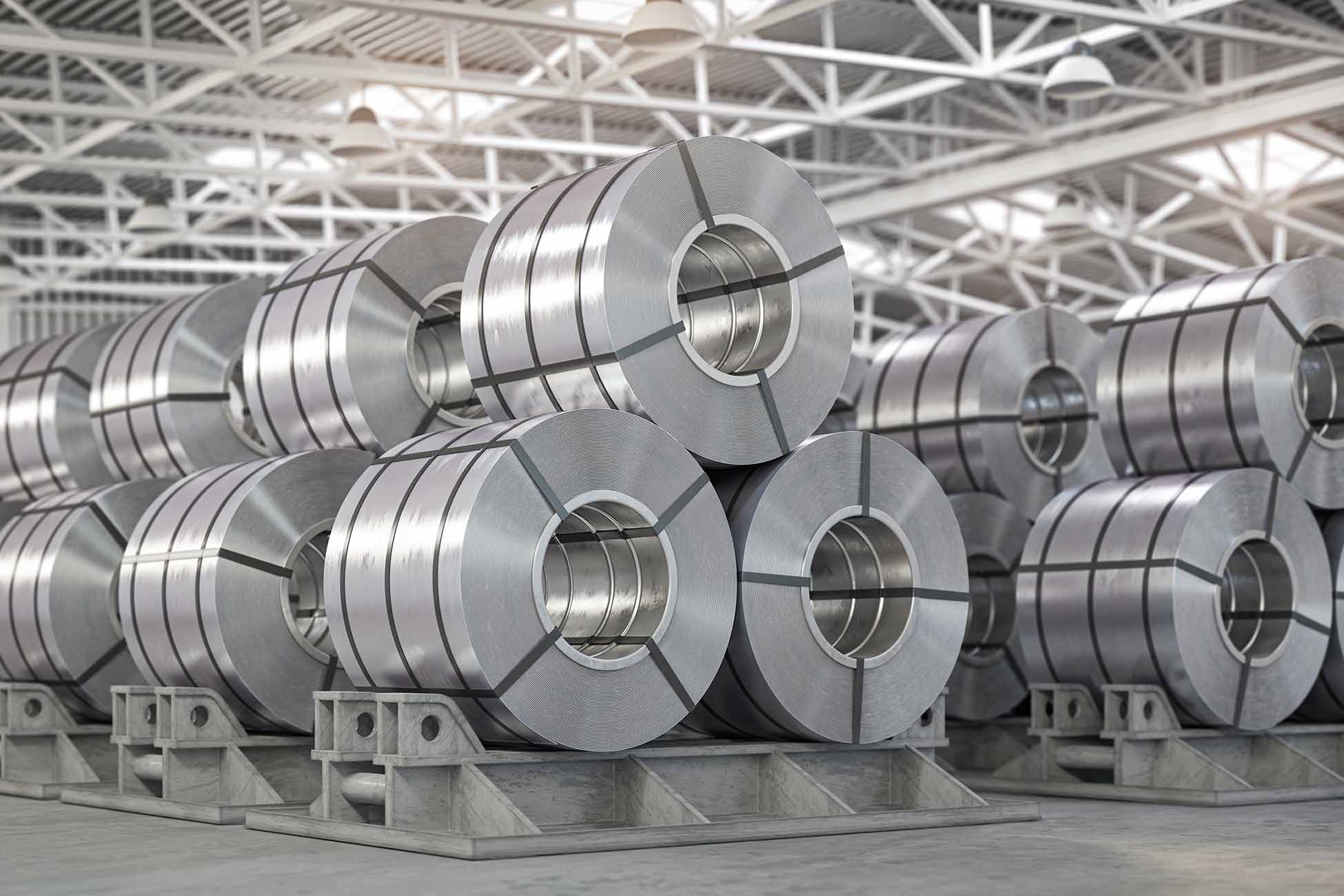
The phrase “is aluminum metallic” refers to the inherent property of aluminum being a metal, which directly influences its behavior during manufacturing processes such as laser cutting, bending, and welding. Below is a comparison of technical characteristics for common materials—aluminum, steel, ABS, and nylon—specifically in the context of these three fabrication methods.
| Material | Laser Cutting Suitability | Bending Capability | Welding Method | Thermal Conductivity | Reflectivity | Notes |
|---|---|---|---|---|---|---|
| Aluminum | High – responds well to fiber laser cutting; requires proper assist gas (nitrogen or oxygen) to minimize oxidation and dross. Reflective nature demands specialized beam delivery systems. | Good – high ductility allows for tight bend radii; springback must be compensated for in tooling. Annealed tempers (e.g., 3003-O) bend more easily than high-strength alloys (e.g., 7075). | Yes – compatible with TIG and MIG welding. Requires clean surface preparation due to oxide layer. No resistance welding due to conductivity. | High (≈205–235 W/m·K) | High – increases laser energy reflection risk | Non-ferrous, lightweight, corrosion-resistant |
| Steel (Mild) | Excellent – CO₂ and fiber lasers cut efficiently with oxygen assist for faster speeds and clean edges. Minimal reflectivity concerns. | Excellent – predictable springback and formability; widely used in press brake operations. | Yes – easily welded via MIG, TIG, spot welding. Good weld penetration and joint strength. | Moderate (≈50 W/m·K) | Low | Ferrous, magnetic, higher density than aluminum |
| ABS (Acrylonitrile Butadiene Styrene) | Good – easily cut with CO₂ lasers; melts cleanly but may produce sooty edges if power is not optimized. Not suitable for fiber lasers. | Limited – thermoplastic behavior allows for thermoforming but not cold bending like metals. | No – cannot be arc welded. Adhesives or ultrasonic welding used instead. | Low (≈0.25 W/m·K) | Low | Thermoplastic polymer; flammable, emits toxic fumes when overheated |
| Nylon (Polyamide) | Moderate – can be laser cut with CO₂ lasers but tends to melt and char; edge quality is often poor without post-processing. | Poor – not suitable for sharp bending without heating. Used in molded forms. | No – no traditional welding. Joining via adhesives or mechanical fasteners. | Very low (≈0.25 W/m·K) | Low | High toughness and chemical resistance; hygroscopic |
Summary of Key Technical Considerations:
Aluminum is a metallic material, which enables it to be laser cut using fiber laser systems, bent using press brakes with appropriate tooling, and welded using arc-based processes. Its high thermal conductivity and reflectivity require process adjustments compared to steel. In contrast, ABS and nylon are non-metallic polymers unsuitable for traditional welding and bending operations used in metal fabrication. While they can be processed with CO₂ lasers, their thermal behavior limits precision and edge quality. Steel remains the most robust option for welding and bending but is heavier and more prone to corrosion than aluminum.
From CAD to Part: The Process
Honyo Prototype’s engineering workflow for aluminum components systematically validates material properties and manufacturability from initial upload through delivery. The phrase “is aluminum metallic” reflects a fundamental material verification step embedded within our process, not a standalone query. Aluminum’s metallic nature is inherently confirmed through structured data validation at multiple stages to prevent material misidentification errors. Below is the precise sequence with aluminum-specific controls:
CAD Upload and Material Verification
Upon receiving the customer’s CAD file, our system immediately parses metadata including material specifications. The AI engine cross-references declared materials against ASTM/EN standards databases. For aluminum parts, it confirms the material designation (e.g., 6061-T6, 7075) aligns with metallic alloy classifications. Non-compliant or ambiguous entries trigger automatic alerts requiring customer clarification before proceeding. This eliminates hypothetical scenarios where non-metallic materials might be mislabeled as aluminum.
AI-Powered Quoting with Material Intelligence
Our proprietary AI quotation engine integrates material science data during cost and lead time calculation. For aluminum, it:
Validates density, thermal conductivity, and machinability parameters against known metallic properties
Flags inconsistencies (e.g., requested “aluminum” with plastic-like tolerances)
Adjusts machining time estimates based on aluminum’s specific cutting speeds and tool wear characteristics
The quote output includes explicit material confirmation: “Aluminum Alloy [Grade] – Metallic Properties Verified.”
DFM Analysis for Aluminum-Specific Requirements
During Design for Manufacturability review, our engineers execute aluminum-specific checks beyond standard geometric validation. Critical parameters include:
| Parameter | Aluminum-Specific Threshold | Verification Method |
|---|---|---|
| Wall Thickness | ≥0.8mm (prevents warping) | Thermal stress simulation |
| Hole Depth | ≤4x diameter (chip evacuation) | CNC toolpath analysis |
| Surface Finish | Ra 0.8–3.2μm (anodizing prep) | Post-machining process mapping |
| Tolerance Stack | ±0.05mm (thermal expansion) | CTE-adjusted GD&T validation |
Deviations from metallic material behavior (e.g., excessive flexure in thin sections) generate actionable DFM reports with engineering recommendations.
Production Execution and In-Process Validation
Material authenticity is physically confirmed at production kickoff:
Incoming aluminum stock undergoes PMI (Positive Material Identification) via handheld XRF spectrometry
First-article inspection includes hardness testing per ASTM E10/E18
Machining parameters are locked to aluminum-specific feeds/speeds (e.g., 500–1500 SFM for 6061)
Real-time monitoring tracks tool load signatures to detect material anomalies during cutting.
Delivery Assurance
Final documentation packages include:
Material test reports (MTRs) with chemical composition certification
Dimensional inspection data against aluminum’s thermal expansion coefficients
Anodizing compatibility verification for metallic surface treatment
All aluminum components ship with serialized traceability linking to original material certs.
This closed-loop process ensures aluminum’s metallic properties are continuously validated from digital design to physical part, eliminating ambiguity in material identity while optimizing for aluminum’s unique manufacturing characteristics. Honyo’s protocol prevents non-metallic substitutions through technical rigor, not hypothetical questioning.
Start Your Project
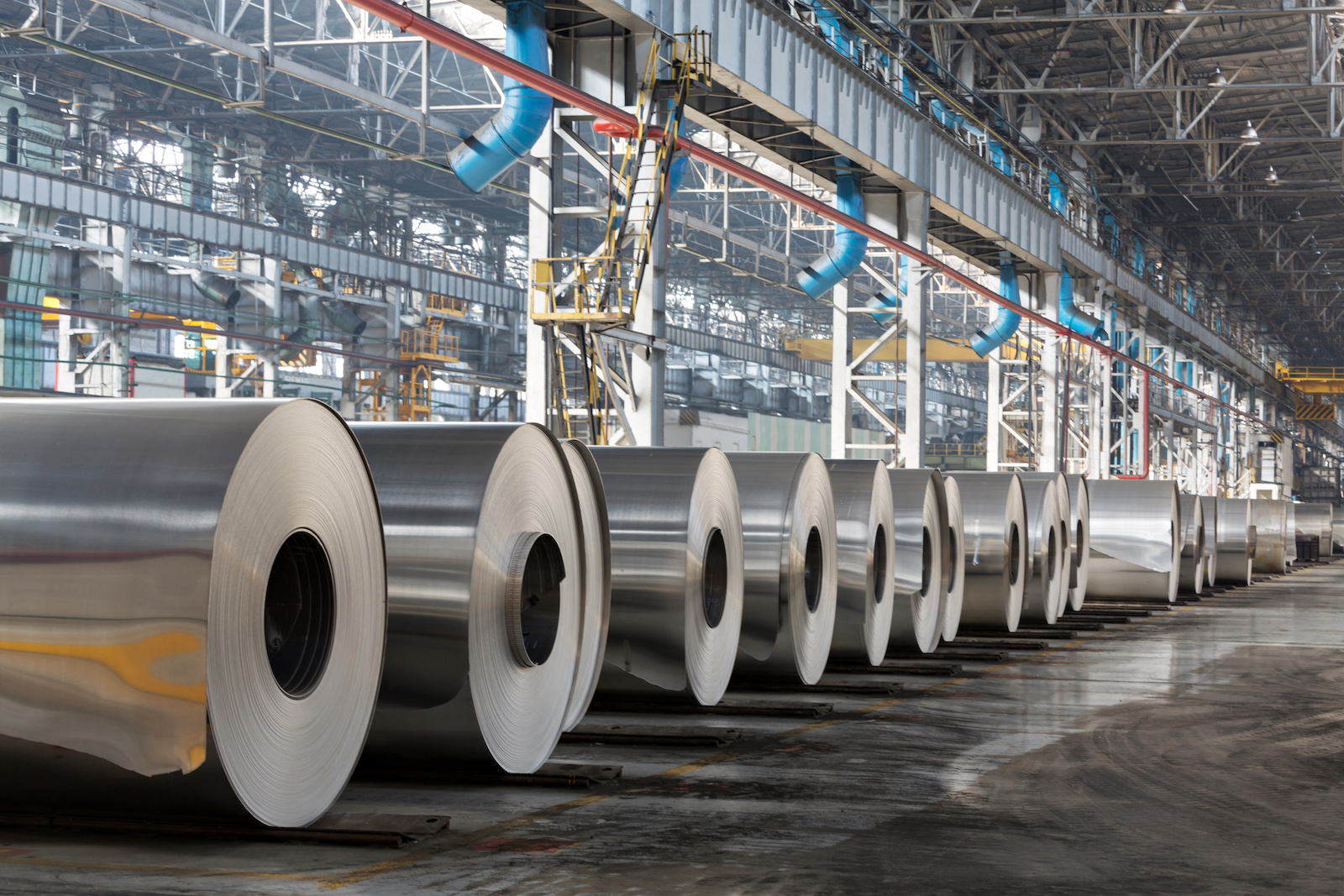
Yes, aluminum is a metallic material commonly used in manufacturing due to its lightweight, corrosion-resistant, and conductive properties. It is widely utilized in industries such as aerospace, automotive, electronics, and consumer goods.
For further information or to discuss your project requirements, contact Susan Leo at [email protected]. Honyo Prototype operates a state-of-the-art manufacturing facility in Shenzhen, China, specializing in rapid prototyping and low-volume production using high-quality metallic and non-metallic materials, including various grades of aluminum.
🚀 Rapid Prototyping Estimator
Estimate rough cost index based on volume.