
Contents
Manufacturing Insight: Is Alloy Steel Stronger Than Stainless Steel
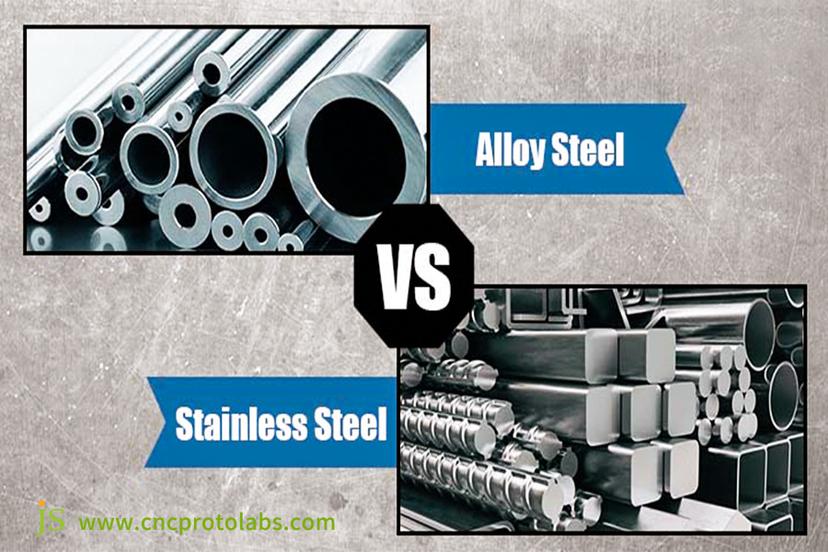
Material Selection Precision in High-Performance CNC Machining
The question of whether alloy steel surpasses stainless steel in strength is a critical engineering consideration, requiring nuanced analysis of specific grades, heat treatments, and application environments. While certain alloy steels like 4140 or 4340 achieve higher tensile and yield strengths than many austenitic stainless grades (e.g., 304 or 316) in normalized or quenched-and-tempered conditions, stainless steels excel in corrosion resistance and maintain strength at elevated temperatures—factors that often outweigh raw strength metrics in real-world designs. At Honyo Prototype, we recognize that material selection is merely the first step; transforming these high-performance alloys into precision components demands advanced CNC machining expertise, rigorous process control, and deep metallurgical insight.
Our ISO-certified CNC machining services specialize in processing both alloy and stainless steel families with micron-level accuracy, leveraging multi-axis milling, turning, and grinding capabilities to handle complex geometries and tight tolerances. Whether your project requires the fatigue resistance of 4130 chrome-moly steel for aerospace fittings or the biocompatibility of 316L stainless for medical implants, our engineering team optimizes toolpaths, cutting parameters, and finishing protocols to preserve material integrity and meet stringent industry specifications. Streamline your path from design to prototype with Honyo Prototype’s Online Instant Quote platform, delivering precise cost and lead-time estimates in under 60 seconds—enabling faster iteration and informed material decisions without compromising on quality or performance.
Technical Capabilities
Technical Evaluation: Alloy Steel vs Stainless Steel in Precision Machining Applications
When evaluating whether alloy steel is stronger than stainless steel within the context of 3-axis, 4-axis, and 5-axis milling and turning operations—particularly for tight-tolerance components—multiple mechanical and machinability factors must be considered. Strength is not a singular property; it includes tensile strength, yield strength, hardness, and fatigue resistance. Additionally, material response to high-speed machining, tool wear, and dimensional stability under thermal load are critical in precision manufacturing environments.
Alloy steels (e.g., 4140, 4340) are engineered with added elements like chromium, molybdenum, and nickel to enhance strength, hardenability, and wear resistance. They typically exhibit higher tensile and yield strength compared to most stainless steels, especially in heat-treated conditions. Stainless steels (e.g., 304, 316, 17-4 PH) are selected for corrosion resistance, with some grades (like 17-4 PH) offering high strength through precipitation hardening.
For tight-tolerance machining (±0.0005″ or better), dimensional stability, thermal expansion, and machinability are as important as raw strength. While alloy steel generally provides superior mechanical strength, stainless steel—particularly martensitic or precipitation-hardening grades—can match or exceed certain alloy steels in specific applications, especially where environmental resistance is required.
Below is a comparative analysis of common materials used in precision CNC machining, including aluminum, alloy steel, stainless steel, ABS, and nylon, with relevance to multi-axis milling and turning processes.
| Material | Tensile Strength (Ultimate) | Yield Strength | Hardness (HB) | Thermal Expansion (µm/m·°C) | Machinability Rating | Typical Applications in Precision Machining | Notes on Multi-Axis & Tight Tolerance |
|---|---|---|---|---|---|---|---|
| Alloy Steel (e.g., 4140, annealed) | 655 MPa (95 ksi) | 415 MPa (60 ksi) | 200–220 | 11.3 | 65% | Aerospace components, tooling, shafts | Excellent strength and dimensional stability when stress-relieved; requires rigid setups and coated carbide tools; tight tolerances achievable with proper fixturing and cooling |
| Stainless Steel (e.g., 304) | 515 MPa (75 ksi) | 205 MPa (30 ksi) | 150–180 | 16.2 | 45% | Food processing, medical devices, marine | High work hardening rate; prone to chatter; requires sharp tools and consistent feeds; tight tolerances possible but with higher tool wear |
| Stainless Steel (17-4 PH, H900) | 1310 MPa (190 ksi) | 1170 MPa (170 ksi) | 330–380 | 10.8 | 30% | Aerospace actuators, high-strength fittings | Very high strength post-aging; excellent for tight tolerance parts; difficult to machine in aged condition; often pre-machined soft, then heat-treated |
| Aluminum (6061-T6) | 310 MPa (45 ksi) | 275 MPa (40 ksi) | 95 | 23.6 | 90% | Enclosures, prototypes, lightweight fixtures | Easy to machine at high speeds; low cutting forces; excellent for complex 5-axis contours; low thermal stability can affect tight tolerances if not managed |
| ABS (Plastic) | 40 MPa (5.8 ksi) | 40 MPa (5.8 ksi) | 80–100 (Shore D) | 90 | 100% | Prototypes, jigs, non-structural parts | Low melting point; requires sharp tools and low heat buildup; suitable for rapid 3-axis milling; not for high-load or high-temp applications |
| Nylon (PA6/PA66) | 70–80 MPa (10–12 ksi) | 60–70 MPa | 80–90 (Shore D) | 80 | 85% | Gears, insulators, wear components | Flexible and abrasive to tools; prone to dimensional shift due to moisture absorption; tight tolerances require dry machining and post-process conditioning |
Summary:
Strength Comparison: In general, heat-treated alloy steels (e.g., 4140, 4340) exhibit higher tensile and yield strength than standard austenitic stainless steels (304, 316). However, precipitation-hardening stainless steels like 17-4 PH can surpass many alloy steels in yield strength, making them competitive in high-performance applications.
Machinability: Alloy steels machine more predictably than stainless steels, which tend to work-harden and generate higher cutting temperatures. Stainless steel requires slower speeds, rigid setups, and frequent tool changes to maintain tight tolerances.
Tight Tolerance Considerations: Both alloy and stainless steels can achieve tight tolerances with proper process control, but stress relief and thermal management are critical. Aluminum is easier to machine to fine tolerances due to lower cutting forces, but its higher thermal expansion requires compensation in high-precision work.
Multi-Axis Milling & Turning: Alloy steel is often preferred in 4- and 5-axis operations for structural components where strength and rigidity are paramount. Stainless steel is used when corrosion resistance is critical, though toolpath optimization and tool selection are more demanding.
At Honyo Prototype, material selection is guided by functional requirements, environmental exposure, and precision demands. While alloy steel generally offers superior strength, the choice between alloy and stainless steel must balance mechanical performance, machinability, and long-term reliability.
From CAD to Part: The Process
Honyo Prototype addresses material selection questions like alloy steel versus stainless steel strength within our structured manufacturing workflow. It is critical to clarify that material strength properties are inherent metallurgical characteristics, not outcomes of our process. Our role is to apply engineering expertise during Design for Manufacturability (DFM) to validate client material choices against project requirements. Below is how this specific inquiry integrates into our standard workflow.
Upon CAD file upload, clients specify their intended material grade in the design documentation. Our system immediately cross-references this against our internal material database. If a client selects “alloy steel” or “stainless steel” without specifying exact grades (e.g., 4140 alloy steel versus 304 stainless steel), our AI Quote engine flags the submission for technical review. This occurs because strength varies significantly within each category—4340 alloy steel can achieve 260 ksi tensile strength after heat treatment, while annealed 304 stainless steel typically maxes at 90 ksi. The AI does not assume superiority; it requires explicit grade parameters to generate accurate cost and lead time estimates.
During the mandatory DFM phase, our senior engineers conduct rigorous material validation. We analyze three key factors:
Mechanical requirements (tensile/yield strength, hardness)
Environmental exposure (corrosion resistance needs)
Functional tolerances (machinability impact)
Material properties are evaluated using standardized test data. For clarity, comparative characteristics of common grades are shown below:
| Material Grade | Tensile Strength (Min, ksi) | Yield Strength (Min, ksi) | Primary Strength Advantage | Key Limitation |
|---|---|---|---|---|
| AISI 4140 Alloy Steel | 95 | 60 | Higher absolute strength | Requires protective coating |
| AISI 304 Stainless | 75 | 30 | Corrosion resistance | Lower strength-to-cost ratio |
| 17-4 PH Stainless | 150 | 130 | Balanced strength/corrosion | Complex heat treatment |
Production proceeds only after DFM sign-off. If initial material selection proves suboptimal (e.g., choosing 304 stainless for a high-stress aerospace bracket), we issue a formal DFM recommendation with data-backed alternatives. For instance, we might propose 17-4 PH stainless as a corrosion-resistant option meeting strength requirements, or 4340 alloy steel with passivation for cost-sensitive applications. All material substitutions require client approval prior to CNC machining or additive manufacturing.
Final delivery includes full material traceability documentation, including certified mill test reports verifying mechanical properties. We do not declare one steel type universally stronger; instead, our process ensures the selected material—whether alloy or stainless steel—meets the validated strength criteria for the specific application. This disciplined approach prevents field failures due to material misselection while maintaining prototyping agility. Clients receive objective data to make informed material decisions, not generalized strength assertions.
Start Your Project
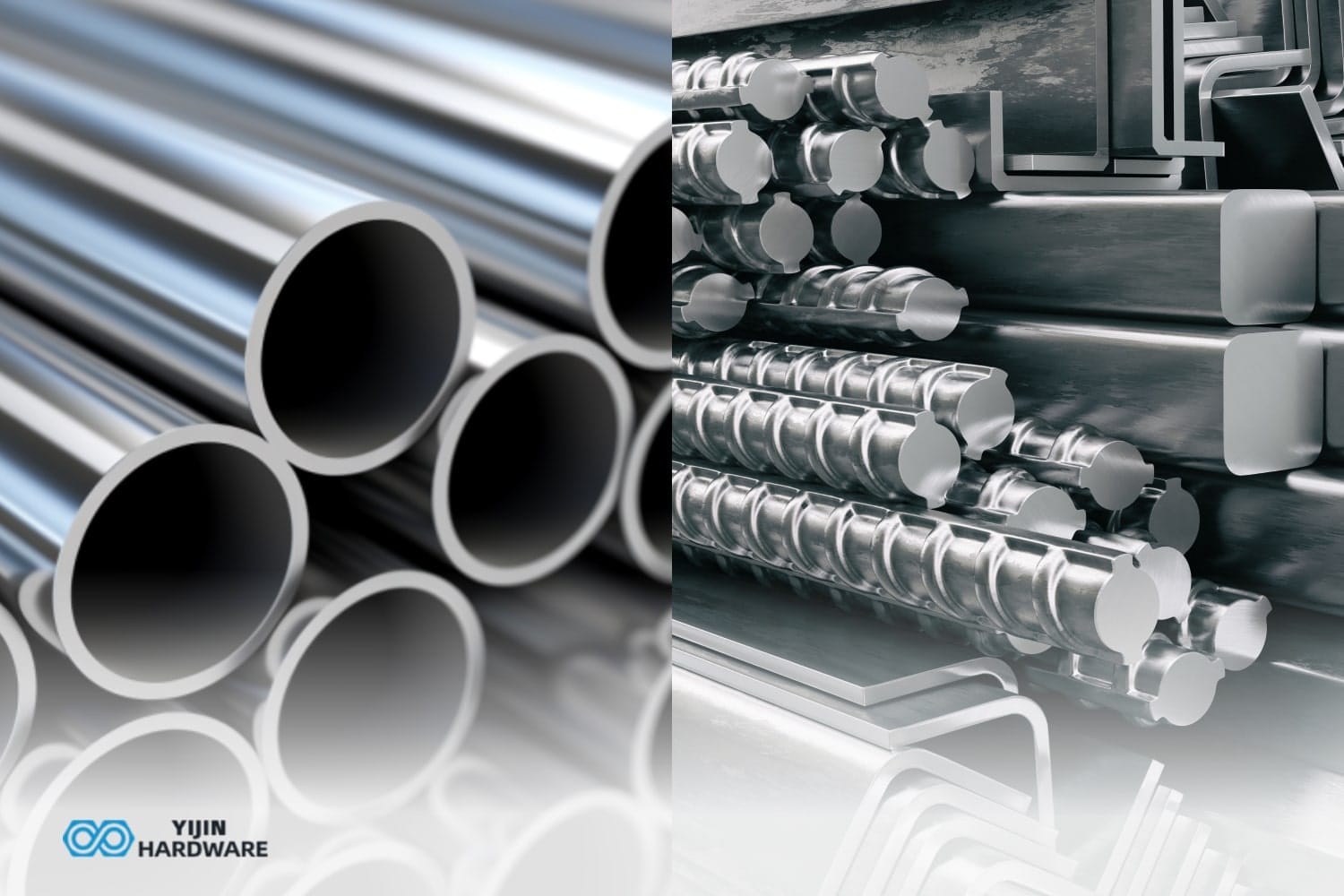
Alloy steel and stainless steel each offer unique mechanical properties, and determining which is stronger depends on the specific grade and application requirements. While alloy steels often provide higher tensile and yield strength—especially in heat-treated conditions—stainless steel excels in corrosion resistance due to its chromium content. For high-stress structural or load-bearing components, alloy steel may be the preferred choice, whereas stainless steel is typically selected for environments demanding durability and resistance to oxidation or chemicals.
For detailed material selection guidance tailored to your project, contact Susan Leo at [email protected]. Honyo Prototype supports engineering evaluations with material testing data, prototyping, and production services from our ISO-certified factory in Shenzhen, China. Let our team help you choose the optimal metal for performance, cost, and manufacturability.
🚀 Rapid Prototyping Estimator
Estimate rough cost index based on volume.