
Contents
Manufacturing Insight: Investment Casting Steel
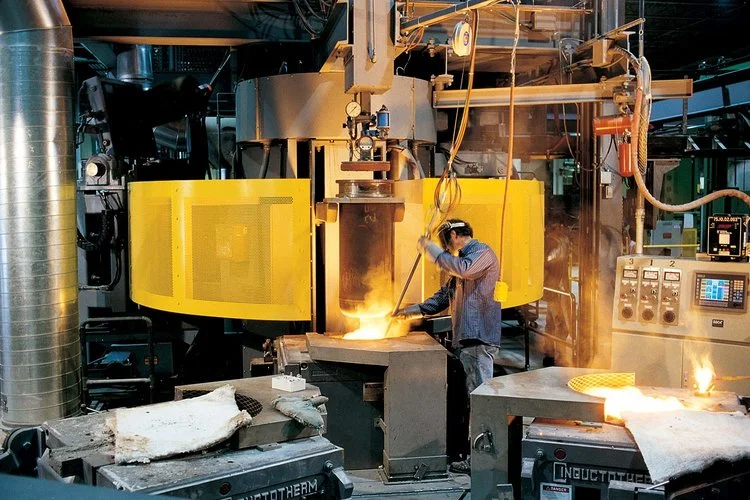
Precision Investment Casting Steel Solutions Enhanced by Honyo Prototype CNC Machining
Investment casting delivers exceptional geometric complexity and surface finish for steel components, making it indispensable for aerospace, medical, and industrial applications demanding high integrity. However, achieving final critical dimensions and tight tolerances often requires precise post-casting machining. At Honyo Prototype, we bridge this gap seamlessly by integrating advanced CNC machining directly within our investment casting workflow. Our state-of-the-art multi-axis CNC centers, operated by experienced engineers, ensure consistent dimensional accuracy and superior surface quality on cast steel parts, eliminating secondary supplier dependencies and streamlining your path from casting to finished component.
Precision Integration for Critical Features
Honyo’s CNC machining expertise specifically addresses the challenges inherent in finishing investment cast steel, such as maintaining tolerances on thin walls or complex internal geometries. We utilize optimized toolpaths and in-process metrology to guarantee features meet stringent specifications, directly enhancing the value of your castings.
Key CNC capabilities applied to investment cast steel include:
| Process | Capability | Typical Tolerance Achieved |
|---|---|---|
| 5-Axis Milling | Complex contours, undercuts | ±0.005 mm (±0.0002″) |
| Precision Turning | Critical diameters, threads | ±0.002 mm (±0.00008″) |
| Micro-Drilling | Small holes, cooling channels | ±0.01 mm (±0.0004″) |
This integrated approach minimizes lead times, reduces total cost of ownership, and ensures uncompromised part performance. Accelerate your development cycle by leveraging Honyo Prototype’s combined investment casting and precision CNC machining services. Access our Online Instant Quote platform today for rapid, transparent pricing on both casting and value-added machining operations, providing immediate clarity for your steel component projects.
Technical Capabilities
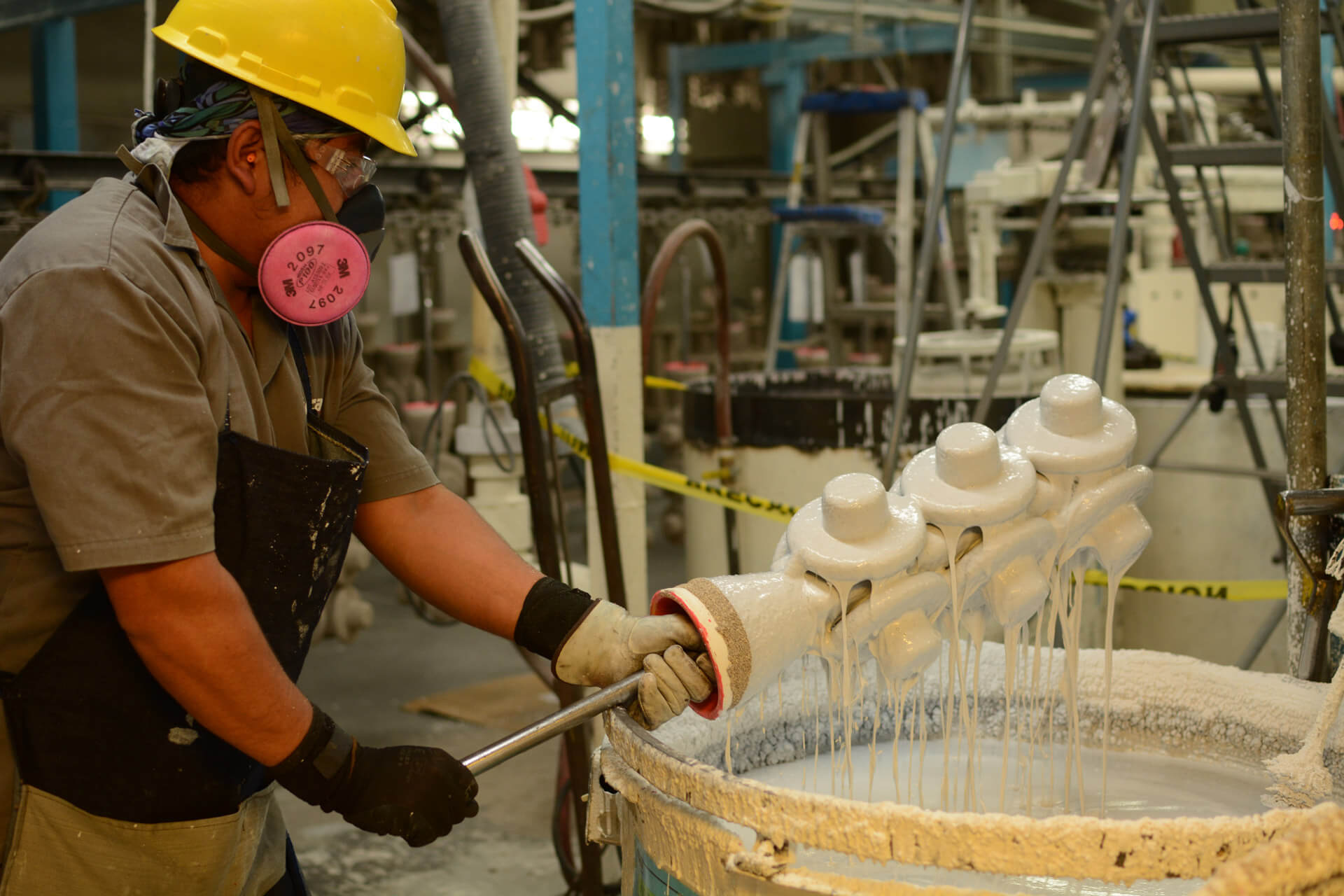
Investment casting steel refers to steel components produced through the precision investment casting (also known as lost-wax casting) process. This method enables the creation of complex geometries with excellent surface finish and dimensional accuracy, making it ideal for parts requiring tight tolerances and subsequent high-precision machining operations such as 3-, 4-, and 5-axis milling and turning.
Post-casting machining is often required to achieve final critical dimensions, especially in aerospace, medical, and industrial applications. The combination of investment casting and multi-axis CNC machining ensures minimal material waste and high repeatability while meeting tight tolerance requirements (typically ±0.0005″ to ±0.005″, depending on feature and part size).
Below is a technical overview of common materials used in investment casting and their compatibility with precision machining processes:
| Material | Typical Investment Castable | Machinability | Suitable for 3/4/5-Axis Milling | Suitable for Turning | Typical Tolerance Range (Machined) | Notes |
|---|---|---|---|---|---|---|
| Aluminum (e.g., A356, 6061, 7075) | Yes | Excellent | Yes | Yes | ±0.0005″ – ±0.002″ | Lightweight, high strength-to-weight ratio; ideal for aerospace and automotive; easily machined with high precision |
| Carbon Steel (e.g., 4140, 1045) | Yes | Good | Yes | Yes | ±0.001″ – ±0.005″ | High strength and wear resistance; requires rigid tooling due to hardness; commonly used in industrial tooling and machinery |
| Stainless Steel (e.g., 304, 316, 17-4 PH) | Yes | Moderate to Good | Yes | Yes | ±0.001″ – ±0.005″ | Excellent corrosion resistance; 17-4 PH allows for post-heat treatment to increase hardness; widely used in medical and marine applications |
| ABS (Acrylonitrile Butadiene Styrene) | No (Not applicable for investment casting) | Good | Limited (for prototypes or fixtures) | Limited | ±0.005″ – ±0.010″ | Thermoplastic; not suitable for investment casting; used in rapid prototyping or machining fixtures |
| Nylon (e.g., PA6, PA66) | No (Not applicable for investment casting) | Moderate | Limited (for wear components) | Yes | ±0.005″ – ±0.010″ | High toughness and wear resistance; hygroscopic; used in machined non-metallic components, not cast |
Notes on Machining and Tolerances:
Investment cast steel parts typically require minimal stock allowance (0.010″ – 0.030″) for final CNC machining.
5-axis milling allows for complex contouring and single-setup machining of intricate features, improving accuracy and reducing cumulative error.
Turning operations are used for cylindrical or rotational features, often performed on CNC lathes or mill-turn centers.
Tight tolerance machining demands thermal stability, high-precision tooling, and in-process inspection (e.g., CMM or probing).
Material selection must consider hardness, residual stress from casting, and machinability to ensure dimensional stability during and after machining.
Honyo Prototype supports the full workflow from investment casting of steel and aluminum components to high-accuracy 3-, 4-, and 5-axis CNC machining, ensuring tight tolerance compliance and superior surface integrity for mission-critical applications.
From CAD to Part: The Process
Honyo Prototype executes investment casting for steel components through a rigorously controlled digital workflow designed for precision, speed, and manufacturability. Our process begins when a client uploads a validated CAD model in STEP or IGES format to our secure portal. This model must include critical specifications such as target alloy grade (e.g., 304SS, 316L, 4140), dimensional tolerances per ASTM F755, and surface finish requirements. The absence of these parameters triggers an automated request for clarification before progression.
The uploaded CAD file immediately feeds into our proprietary AI-driven quoting system. This engine analyzes geometric complexity, material density, and wall thickness distributions while cross-referencing real-time data from our production floor including current machine utilization, material costs, and labor rates. The AI generates a preliminary cost estimate and lead time within four business hours, flagging geometries requiring manual engineering review such as thin walls below 2.5mm or undercuts exceeding draft angle limits for steel casting. Clients receive this quote via encrypted email with clear disclaimers on assumptions made by the AI.
All projects then undergo mandatory Design for Manufacturing (DFM) analysis conducted by our senior metallurgical engineers. This phase focuses explicitly on steel-specific challenges including solidification shrinkage compensation, thermal stress mitigation, and gating system optimization to prevent hot tearing in high-carbon alloys. We utilize Magmasoft simulation to validate pouring dynamics and predict microstructure formation. Clients receive a detailed DFM report within 72 hours highlighting critical adjustments such as recommended fillet radii for fatigue-critical parts or localized wall thickness modifications to eliminate shrinkage cavities. No production begins without documented client approval of the DFM recommendations.
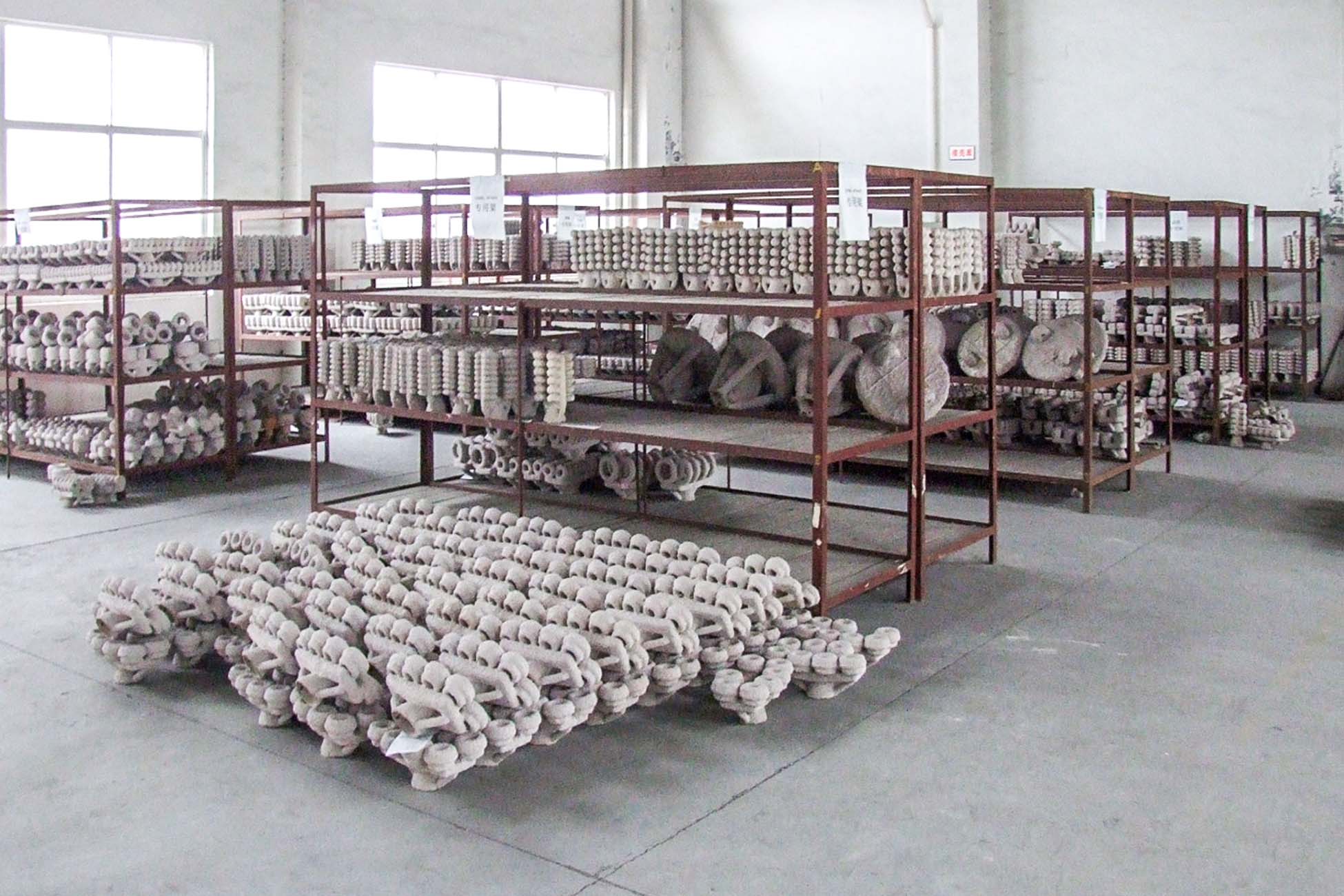
Production commences only after DFM sign-off. For steel alloys, we employ a vacuum-assisted precision investment casting process starting with injection-molded wax patterns assembled into trees. The ceramic shell system uses zircon-based slurries with staged drying to accommodate steel’s high pouring temperatures (1500–1600°C). Key production controls include:
Vacuum induction melting with argon shrouding to control oxygen content below 20 ppm
Directional solidification using controlled furnace cooldown profiles
Post-cast heat treatment per AMS 2759/3 specifications including solution annealing or quenching as required by the alloy
Dimensional verification via CMM with GD&T reporting to ISO 1101
Final delivery encompasses comprehensive quality documentation including material test reports (MTRs) with chemical composition and mechanical properties, NDT certifications (RT/UT per ASTM E94/E164), and first-article inspection reports. We ship parts in custom anti-corrosion packaging with humidity indicators for stainless steel grades. Standard lead time from DFM approval to delivery is 18–22 business days for quantities under 500kg, though this varies by alloy complexity.
The following table summarizes critical process parameters by steel type:
| Process Stage | 304/316 Stainless Steel | 4140 Low-Alloy Steel | 17-4PH Precipitation Hardening |
|---|---|---|---|
| Melting Temperature | 1520–1550°C | 1580–1620°C | 1530–1560°C |
| Key DFM Focus | Intergranular corrosion risk | Hydrogen embrittlement | Delta-ferrite control |
| Heat Treatment | Solution anneal @ 1050°C | Normalizing @ 870°C + Tempering | H900 @ 482°C |
| Typical Tolerance | ±0.5% of dimension | ±0.4% of dimension | ±0.35% of dimension |
| NDT Requirement | 100% MPI + 10% RT | 100% MPI + 20% UT | 100% MPI + 100% RT |
This integrated approach ensures steel castings meet aerospace, medical, and industrial performance standards while minimizing time-to-part. We maintain AS9100 and ISO 13485 certifications with full traceability from raw material certs to final inspection data. Clients receive proactive updates at each workflow transition point via our customer portal.
Start Your Project
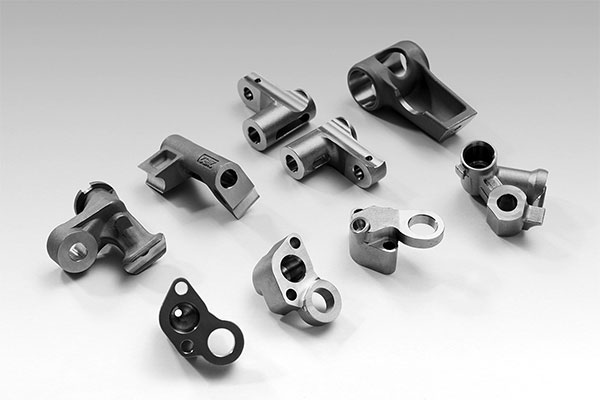
Looking for high-precision investment casting steel components? Partner with Honyo Prototype for reliable, cost-effective solutions manufactured at our Shenzhen facility. With advanced capabilities in investment casting, we deliver superior quality steel parts tailored to your specifications.
Contact Susan Leo today at [email protected] to discuss your project requirements and receive a competitive quote.
🚀 Rapid Prototyping Estimator
Estimate rough cost index based on volume.