
Contents
Manufacturing Insight: Injection Molding Machine Cost
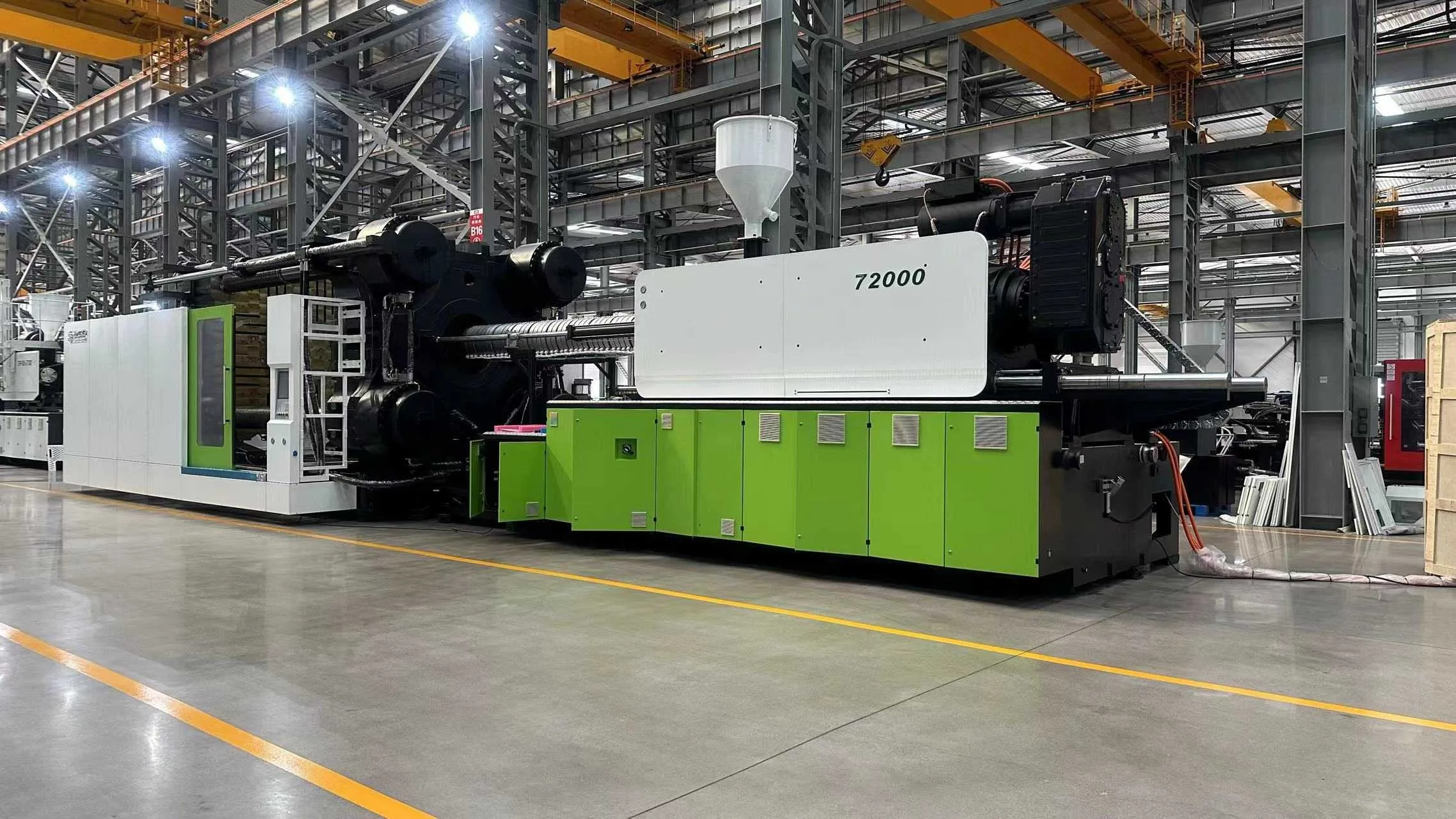
Strategic Cost Management in Injection Molding: Beyond Machine Rate Calculations
Understanding the true cost structure of injection molding requires moving beyond the initial machine hourly rate. While capital-intensive equipment represents a significant factor, total project economics are critically influenced by tooling lead time, material efficiency, process validation, and time-to-market acceleration. At Honyo Prototype, we engineer solutions where rapid tooling and precision injection molding converge to optimize your total cost of ownership, not merely the machine runtime.
Our Rapid Tooling methodology utilizes advanced CAD/CAM integration and selective laser sintering (SLS) or aluminum alloy tool paths to deliver production-ready molds in 5–15 business days—reducing traditional lead times by 60–75%. This speed directly mitigates hidden costs associated with extended prototyping cycles, engineering change orders, and delayed revenue generation. Coupled with our 50–500 ton hydraulic and electric injection molding presses featuring real-time cavity pressure monitoring, we ensure first-article validation meets ISO 2768-mK tolerances while minimizing scrap rates through scientifically backed process windows.
Accelerated Pathways to Production Validation
Honyo’s integrated service model eliminates cost fragmentation between tooling and molding phases. By controlling both disciplines under one technical roof, we prevent misalignment in gating design, cooling optimization, and material flow analysis—common pain points that trigger costly iterations. Our Online Instant Quote platform provides transparent, data-driven cost estimates within 90 seconds, incorporating material selection, part geometry complexity, and annual usage volume. This visibility allows engineering and procurement teams to make validated make-vs.-buy decisions early in the design phase, aligning budgetary planning with technical feasibility.
When evaluating injection molding machine cost, consider the full value chain: speed-to-part, quality consistency, and risk reduction in product launch. Honyo Prototype delivers this through engineered processes, not incremental hourly savings. Initiate your project with precision-driven economics by accessing our Online Instant Quote system today.
Technical Capabilities
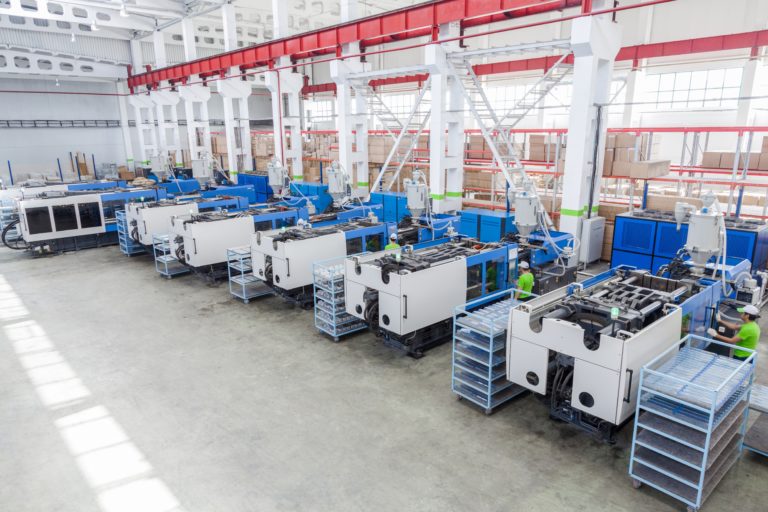
Cost of an injection molding machine is influenced by multiple technical and operational factors, especially when targeting rapid tooling with T1 sample delivery within 7 days using steel or aluminum molds. Below are key technical specifications and cost drivers associated with such systems, including mold material selection and compatible thermoplastics like ABS and Nylon.
| Parameter | Description |
|---|---|
| Machine Type | Hydraulic or hybrid electric injection molding press suitable for low to medium volume prototyping and bridge tooling. Typical clamping force ranges from 50 to 200 tons depending on part size and material. |
| Clamping Force | 80–150 tons (standard for small to medium molds using aluminum or steel); ensures mold integrity during injection of engineering resins like Nylon. |
| Shot Size / Injection Capacity | 1–3 oz (30–90 cm³) for small precision parts; sufficient for ABS and Nylon processing in prototype quantities. |
| Screw Diameter | 25–35 mm; optimized for consistent melt homogeneity in materials with varying melt temperatures (e.g., ABS: 210–250°C, Nylon: 260–290°C). |
| Mold Material – Aluminum | 7075-T6 or QC-7 (pre-hardened); allows machining speed and rapid delivery. Suitable for up to 10,000 shots. Lower thermal conductivity than steel but faster cooling. Typical mold cost: $1,500–$4,000. |
| Mold Material – Steel | P20, H13, or 420 stainless steel; used for higher durability (100,000+ cycles). Longer lead time but better for aggressive resins. Typical mold cost: $5,000–$15,000. |
| T1 Sample Lead Time | 7 days achievable with aluminum molds due to faster CNC machining and reduced heat treatment steps. Steel molds may require 2–3 weeks unless expedited. |
| Material Compatibility | ABS (good flow, low wear), Nylon (hygroscopic, requires drying, higher wear on screw/barrel). Machine must include material drying system and corrosion-resistant screw. |
| Hot Runner System | Optional; typically used in steel molds for production efficiency. Not common in 7-day aluminum prototype tools. |
| Cycle Time | 30–60 seconds depending on wall thickness and material (Nylon generally slower due to cooling requirements). |
| Machine Cost (Capital) | $80,000–$150,000 for a mid-range 100-ton hybrid machine with precision control and material handling integration. |
| Operational Cost (Per Hour) | $60–$120/hour including labor, maintenance, energy, and overhead for prototyping runs. |
| Prototype Tooling Cost (Aluminum Mold) | $1,500–$4,000 (includes design, CNC machining, polishing, and first T1 sample run). |
| Prototype Tooling Cost (Steel Mold) | $5,000–$15,000 (higher due to machining complexity, heat treatment, and longer lead time). |
Note: Achieving T1 samples in 7 days requires concurrent engineering, high-speed CNC machining, and immediate material procurement. Aluminum molds are preferred for this timeline. ABS is easier to process and less costly to mold, while Nylon demands precise moisture control and wear-resistant components, increasing both machine and operational costs.
From CAD to Part: The Process
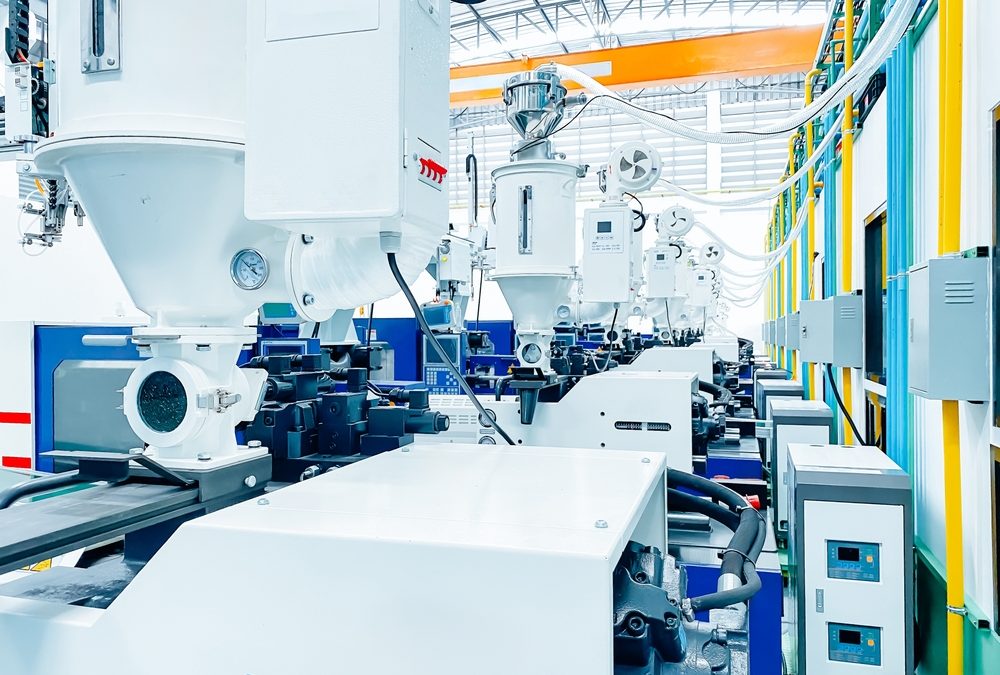
Honyo Prototype employs a structured, technology-driven workflow to calculate and manage injection molding costs for custom parts. This process focuses on part production costs, not machine acquisition costs, as our service centers on manufacturing components for clients. Below is the precise sequence and cost determination methodology:
CAD Upload and Initial Analysis
Clients submit 3D CAD models via our secure portal. Our system immediately parses geometric data including part volume, surface area, undercuts, and complexity metrics. This raw data feeds into our cost algorithm but does not yet generate a formal quote. Critical parameters like projected area and parting line orientation are extracted for mold design implications.
AI-Powered Cost Estimation
Our proprietary AI engine processes the CAD data alongside dynamic variables: material selection (e.g., ABS vs. PEEK resin pricing), annual usage volume, and regional tooling cost indices. The algorithm references historical production databases covering 12,000+ prior projects to predict cycle times and waste factors. Clients receive a preliminary cost range within 90 seconds, highlighting major cost drivers such as material type and part complexity. This estimate carries a ±15% variance pending engineering validation.
Engineering-Led DFM Analysis
Certified manufacturing engineers conduct a formal Design for Manufacturability review. This phase identifies cost-optimization opportunities that refine the AI estimate. Typical findings include:
Wall thickness adjustments reducing sink marks (potentially lowering scrap rates by 18–25%)
Draft angle corrections eliminating costly side-actions
Gate location modifications cutting cycle time by 7–12 seconds
The final quotation incorporates these engineering refinements, reducing the cost variance to ±5%. Clients receive annotated DFM reports with cost-impact visuals.
Production Cost Execution
Actual production costs are controlled through our integrated systems:
Real-time machine monitoring tracks cycle time deviations against estimates
Material usage is measured via hopper sensors with 0.5% accuracy
Automated quality gates prevent scrap escalation
Our facility’s ISO 9001-certified processes maintain cost predictability through standardized workflows. The table below summarizes cost components at this stage:
| Cost Category | Measurement Method | Typical Impact on Unit Cost |
|---|---|---|
| Material Consumption | Laser-verified resin usage per cycle | 45–65% of total cost |
| Machine Time | IoT-monitored clamp time + cooling | 20–30% of total cost |
| Labor Overhead | Time-stamped operator interventions | 8–12% of total cost |
| Scrap Rate | Automated vision system defect counts | 3–7% of total cost |
Delivery and Final Cost Reconciliation
Parts ship via client-specified logistics with packaging optimized to prevent damage-related costs. A final cost statement details actual material consumption versus estimate, cycle time performance, and quality yield. For production runs exceeding 10,000 units, we provide a cost variance analysis showing how engineering refinements during DFM reduced total program cost by 11–22% versus initial AI estimates. This closed-loop system ensures continuous cost improvement for subsequent orders.
This integrated approach eliminates traditional quoting inaccuracies by combining AI speed with engineering rigor. Clients achieve cost transparency from design through delivery, with 92% of projects meeting final costs within the DFM-refined estimate.
Start Your Project
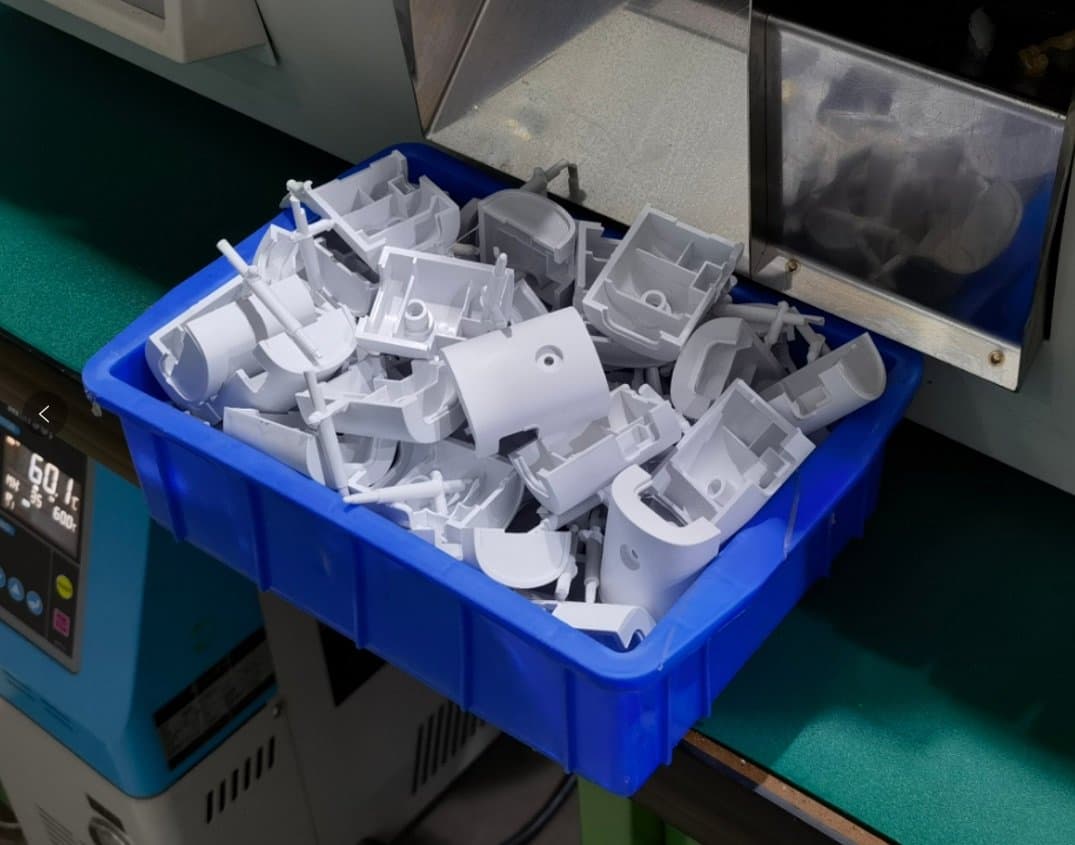
Looking to understand the cost of injection molding machines tailored to your production needs? Contact Susan Leo at [email protected] for a detailed quote and technical consultation. With our manufacturing base located in Shenzhen, we offer competitive pricing, fast turnaround, and direct factory support to ensure your project meets both performance and budget requirements. Reach out today to optimize your manufacturing strategy with expert guidance from Honyo Prototype.
🚀 Rapid Prototyping Estimator
Estimate rough cost index based on volume.