
Contents
Manufacturing Insight: Hot Rolled Steel Material
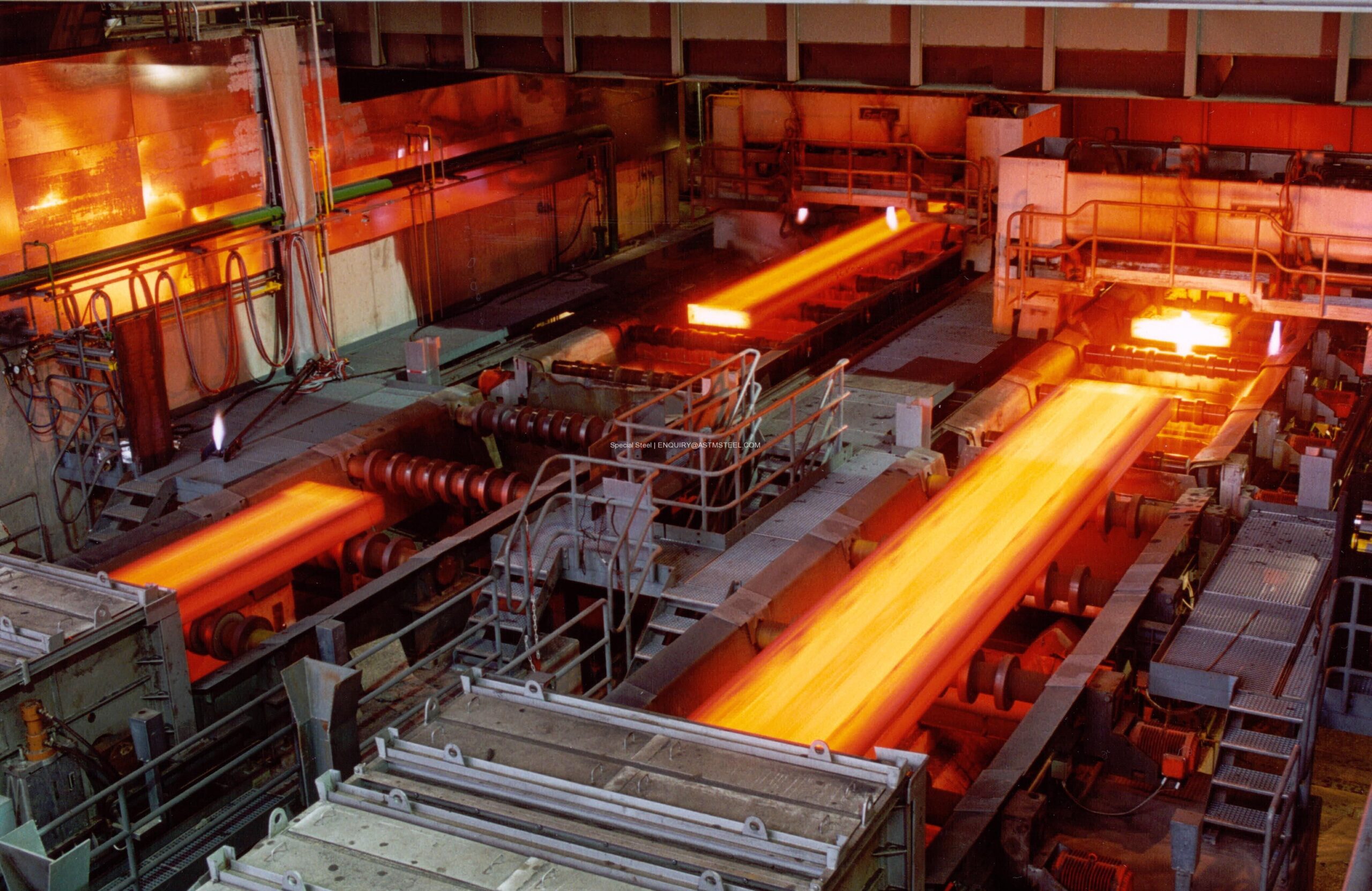
Optimizing Hot Rolled Steel Components Through Precision CNC Machining
Hot rolled steel remains a cornerstone material in industrial manufacturing due to its excellent formability, weldability, and cost-effectiveness for structural and mechanical applications. Its characteristic mill scale surface and dimensional tolerances, inherent to the high-temperature rolling process, present specific considerations for secondary operations. Achieving tight tolerances and refined surface finishes on hot rolled stock demands machining expertise that accounts for material variability, residual stresses, and scale removal. Honyo Prototype specializes in transforming this versatile material into high-integrity components through advanced CNC milling, turning, and multi-axis machining processes.
Our CNC machining centers, operated by experienced technicians and supported by rigorous quality control protocols, are engineered to handle the unique properties of hot rolled steel. We implement optimized toolpaths, specialized cutting strategies, and precise fixturing to manage material inconsistencies, ensure dimensional accuracy, and produce surfaces meeting exacting specifications. This capability is critical for applications ranging from heavy equipment frames and agricultural machinery parts to robust jigs and fixtures where the inherent strength and economy of hot rolled steel are paramount. Understanding the interplay between hot rolled steel’s properties and machinability allows us to deliver components that perform reliably in demanding service environments.
The following comparison highlights key characteristics relevant to machining decisions:
| Property | Hot Rolled Steel | Cold Rolled Steel | Machining Implication for Hot Rolled |
|---|---|---|---|
| Surface Condition | Mill Scale Present | Smooth, Scale-Free | Requires scale removal strategy; affects tool life |
| Dimensional Tol. | Less Precise | Tighter Tolerances | Machining stock allowance critical; stress relief often needed |
| Internal Stress | Higher Residual Stress | Lower Residual Stress | Risk of distortion during machining; strategic roughing essential |
| Cost (Raw Mat.) | Lower | Higher | Significant cost saving for large/structural parts |
| Typical Use Case | Structural Frames, Beams | Precision Shafts, Panels | Ideal for robust parts where final finish is secondary |
Leveraging Honyo Prototype’s CNC machining services for your hot rolled steel components ensures engineered solutions that maximize material value while meeting functional requirements. We translate your designs into reality with consistent quality, on-time delivery, and a deep understanding of material science applied to manufacturing. Initiate your project efficiently using our Online Instant Quote system. Upload your CAD file directly to receive a detailed, accurate machining quote within hours, accelerating your path from prototype to production. Partner with Honyo for precision machining that respects the fundamentals of hot rolled steel.
Technical Capabilities
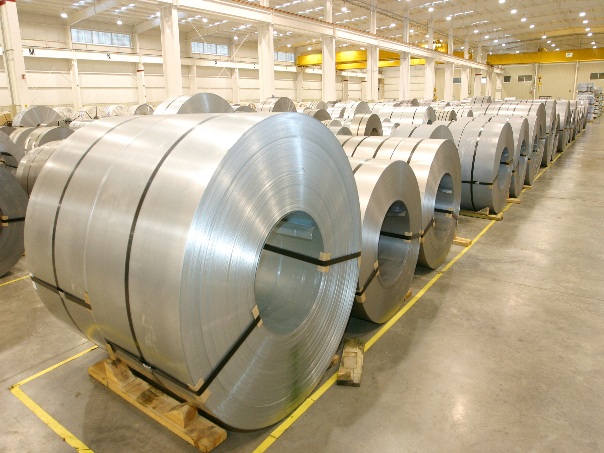
Hot rolled steel is commonly used in precision machining applications such as 3/4/5-axis milling and turning, especially when high strength and durability are required. However, due to its mill scale and dimensional variability, it is less ideal for tight tolerance work compared to cold rolled or pre-hardened steels. For high-precision components, additional finishing processes are typically required to achieve tight tolerances (±0.0005″ or better). Below is a comparison of material suitability for advanced CNC machining processes.
| Material | Form Available | Machinability | Typical Tolerance Range (Milling/Turning) | Surface Finish (As-Machined) | Suitability for 3/4/5-Axis Milling | Suitability for Turning | Notes for Tight Tolerance Applications |
|---|---|---|---|---|---|---|---|
| Hot Rolled Steel | Plate, Bar, Billet | Moderate | ±0.005″ – ±0.010″ (tighter with finishing) | 125–250 μin Ra | Moderate | Good | Requires scale removal; prone to warping; not ideal for high precision without stress relieving and finishing |
| Cold Rolled Steel | Bar, Plate | Good | ±0.001″ – ±0.005″ | 63–125 μin Ra | High | High | Better dimensional accuracy and surface; preferred over hot rolled for tight tolerance parts |
| Aluminum (6061, 7075) | Plate, Bar, Billet | Excellent | ±0.0005″ – ±0.002″ | 32–64 μin Ra | Excellent | Excellent | High material stability; excellent for complex 5-axis work and tight tolerance features |
| ABS (Thermoplastic) | Sheet, Rod | Excellent | ±0.002″ – ±0.005″ | 64–125 μin Ra | High | High | Low thermal stability; suitable for prototypes; not for high-temp environments |
| Nylon (PA6, PA66) | Rod, Sheet | Good | ±0.003″ – ±0.008″ | 125–250 μin Ra | Moderate | Moderate | High moisture absorption; dimensional changes possible; not ideal for critical tolerances |
Notes:
Hot rolled steel is not recommended for direct tight tolerance machining without post-processing (e.g., stress relieving, grinding, or finish milling).
For high-precision 3/4/5-axis milling and turning, aluminum alloys and pre-treated steels (e.g., 4140 annealed or 1018 cold rolled) are preferred.
ABS and nylon are used primarily for prototyping, jigs, and fixtures due to lower stiffness and thermal stability.
From CAD to Part: The Process
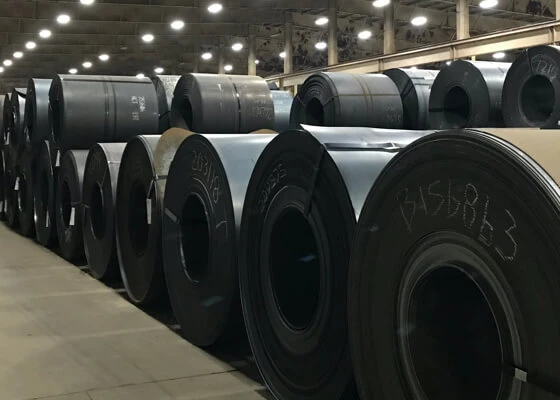
Honyo Prototype Hot Rolled Steel Processing Workflow
Honyo Prototype executes a streamlined, quality-focused workflow for hot rolled steel components, integrating digital efficiency with rigorous engineering validation. This process ensures cost transparency, manufacturability, and on-time delivery for B2B clients.
CAD Upload & Material Specification
Clients initiate the process by uploading native or neutral CAD files (STEP, IGES, Parasolid) via our secure portal. Critical hot rolled steel parameters must be specified: ASTM grade (e.g., A36, A572 Gr50), thickness, width, length, and surface finish requirements. Hot rolled steel’s inherent characteristics—such as mill scale, dimensional tolerances per ASTM A6/A6M, and potential camber—are explicitly accounted for during upload to prevent downstream discrepancies.
AI-Powered Quoting Engine
Our AI quotation system analyzes the CAD geometry against real-time material costs, machine utilization rates, and hot rolled steel-specific processing variables. Key factors include:
Mill scale removal requirements (e.g., abrasive blasting, pickling)
Thermal cutting allowances for flame/plasma processes
Anisotropy considerations affecting bending or forming
Stock availability of required thicknesses/widths
The system generates a detailed quote within 2 hours, itemizing material waste factors, secondary operation costs, and lead time impacts from hot rolled steel’s longer processing cycles versus cold-rolled alternatives.
Engineering-Driven DFM Analysis
All hot rolled steel projects undergo mandatory Design for Manufacturability (DFM) review by our senior engineering team. This phase addresses hot rolled steel’s unique constraints:
Verifying minimum bend radii (typically ≥2.5x material thickness to avoid cracking)
Confirming hole-to-edge distances accommodate thermal cutting tolerances (±0.010″)
Assessing flatness deviations against ASTM A6 curvature limits (e.g., 1/8″ per 10 ft)
Flagging features requiring post-machining to achieve tight tolerances (±0.005″)
Clients receive a formal DFM report with actionable recommendations, including material optimization suggestions to reduce scrap from hot rolled steel’s larger sheet sizes.
Precision Production Execution
Approved designs move to production with traceability at every stage:
1. Material Sourcing: Certified mill test reports (MTRs) accompany every batch, validating chemistry and mechanical properties.
2. Cutting/Forming: Thermal cutting (plasma/oxy-fuel) for thicker sections (>1/4″), laser for thinner gauges; forming accounts for springback using grade-specific compensation.
3. Secondary Operations: Deburring, descaling, and precision machining per ASME B46.1 surface finish standards.
4. Quality Control: In-process checks of critical dimensions using calibrated CMMs; final inspection per ASME Y14.5 GD&T.
Delivery & Documentation
Completed parts undergo protective packaging (VCI paper for corrosion prevention) and ship with comprehensive documentation:
Dimensional inspection report (including as-built deviations from nominal)
Certified material test reports (MTRs)
Process-specific certifications (e.g., AWS D1.1 for welded assemblies)
Standard lead time for hot rolled steel prototypes is 7–10 business days from DFM approval, with expedited options available.
Typical Hot Rolled Steel Grades Processed
| ASTM Grade | Common Thickness Range | Key Applications |
|---|---|---|
| A36 | 0.1875″ – 1.0″ | Structural brackets, bases |
| A572 Gr50 | 0.25″ – 2.0″ | Heavy machinery frames |
| A516 Gr70 | 0.5″ – 4.0″ | Pressure vessel components |
This end-to-end workflow leverages Honyo’s specialization in ferrous materials to transform hot rolled steel designs into precision prototypes with zero surprises on cost, quality, or delivery. All processes comply with ISO 9001:2015 standards, with material traceability maintained from mill to shipment.
Start Your Project
Looking for high-quality hot rolled steel material for your next project? Honyo Prototype offers precision-engineered solutions with fast turnaround times. Our manufacturing facility in Shenzhen ensures strict quality control and cost-effective production to meet your specifications.
For material inquiries or custom orders, contact Susan Leo at [email protected]. Let us support your manufacturing needs with reliable supply and technical expertise.
🚀 Rapid Prototyping Estimator
Estimate rough cost index based on volume.